


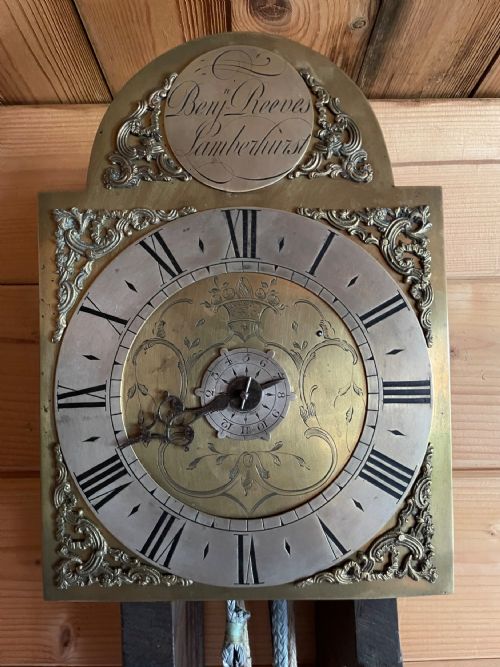


Early Brass Dial Clock
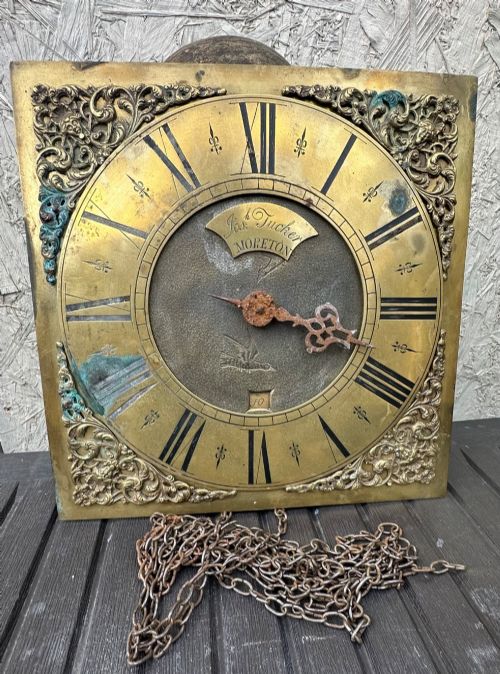
An early brass dial clock brings mechanical heritage into a room, measured out in heavy brass and aged timber.
Early Brass Dial Clock
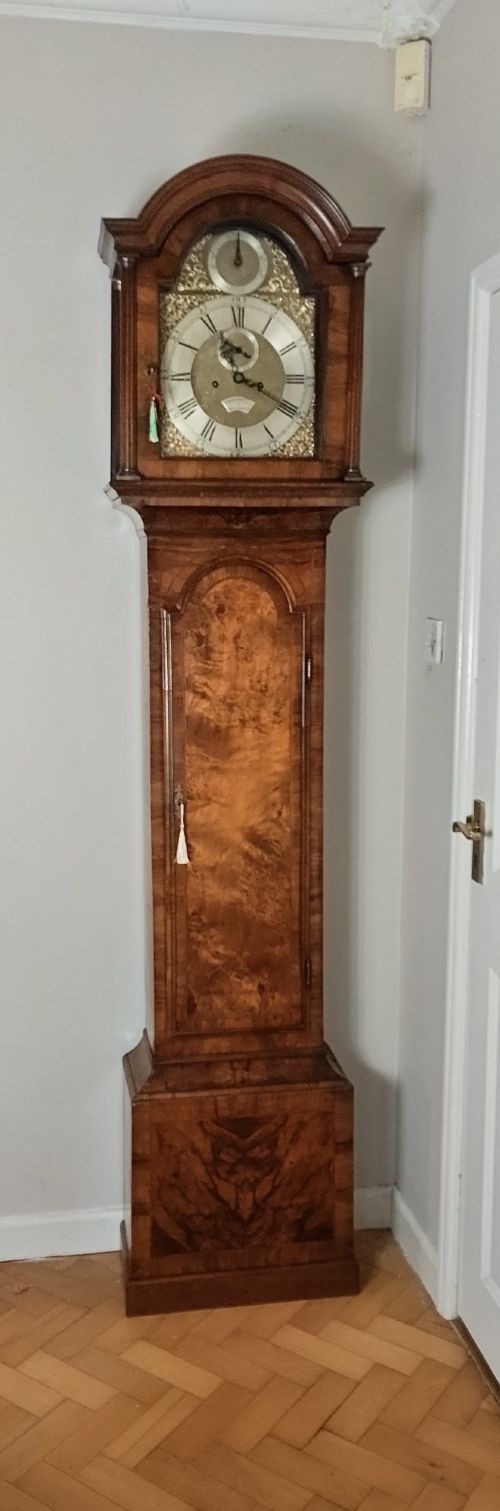
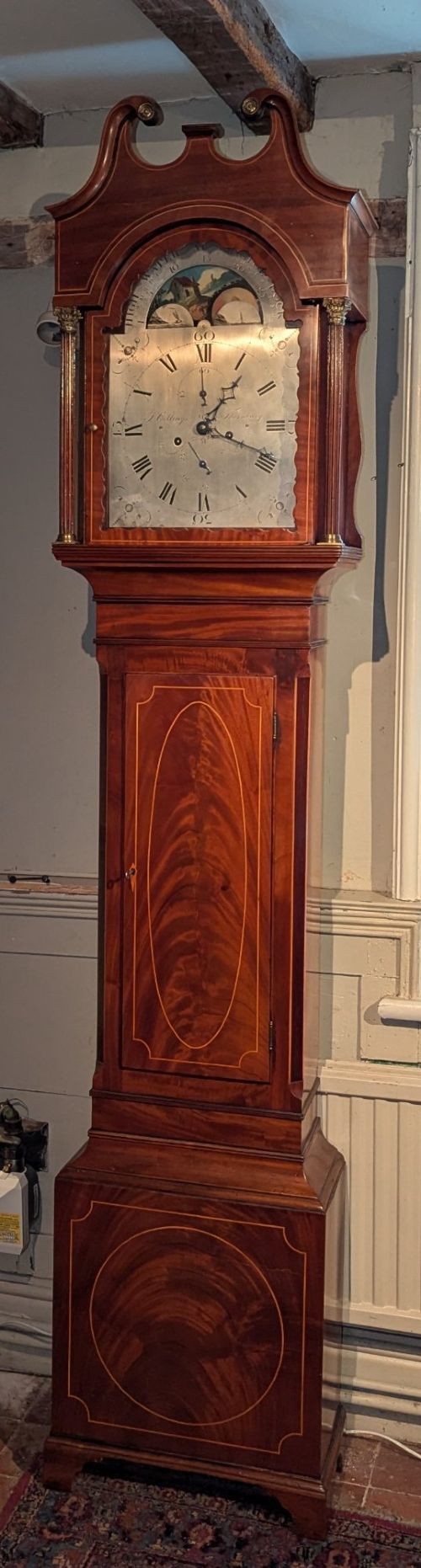
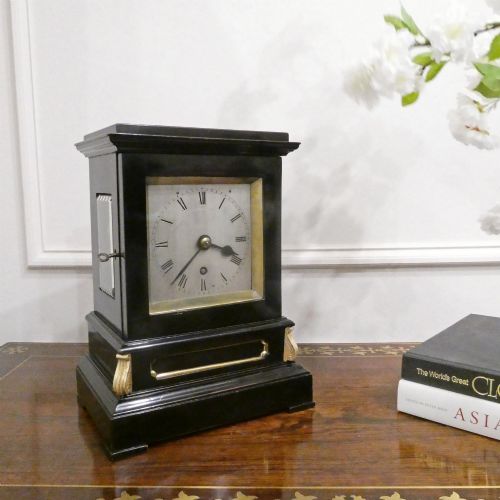
An early brass dial clock encompasses tall floor-standing longcase examples alongside wall-hung timepieces and smaller bracket clocks. These instruments originate primarily across the eighteenth and nineteenth centuries, spanning Georgian, Victorian, and earlier periods.
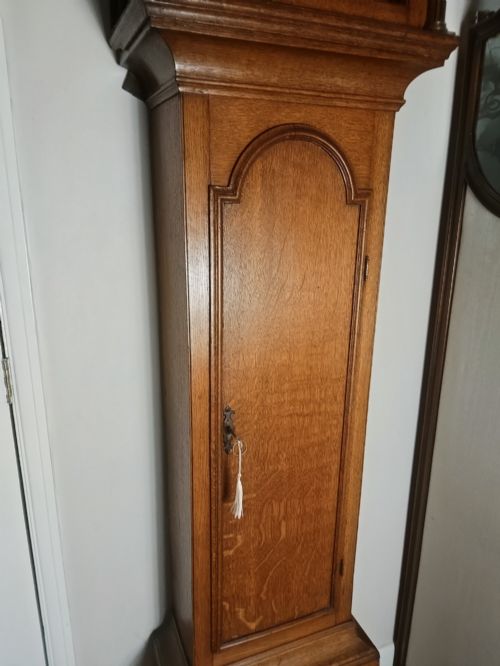
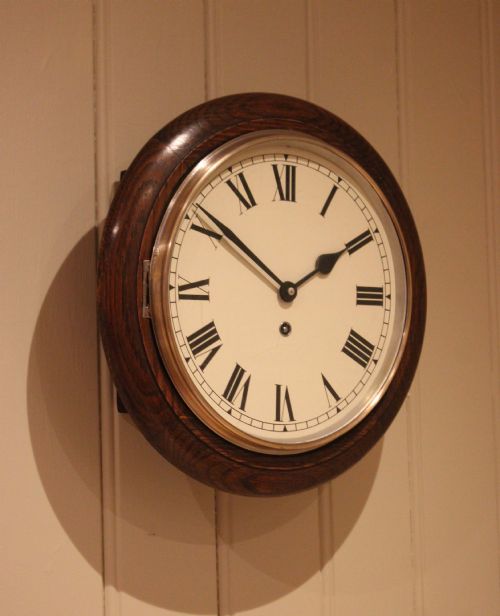
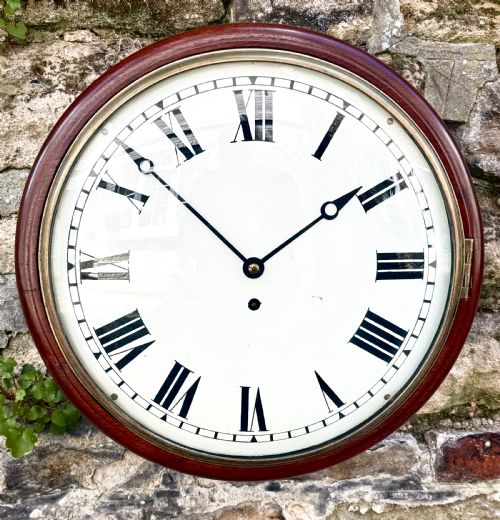
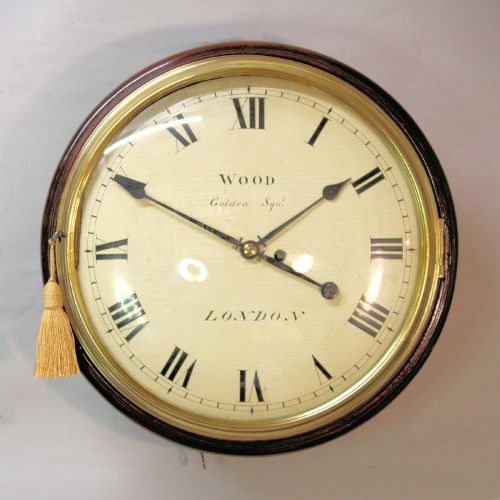
The longcase form dominates the selection, frequently housed in oak, mahogany, or walnut cabinetry. Wall clocks with timber bezels and glass covers also appear regularly alongside smaller mantel and carriage pieces.
Dial construction ranges from single-handed brass plates with engraved chapter rings to complex moon phases and subsidiary seconds. Movements rely on weight-driven or spring-driven fusee mechanisms housed within sturdy wooden cases.
How they were made
Craftsmen utilised heavy cast brass for dial plates, engraving numerals and maker details by hand before silvering chapter rings. Movements combined brass wheels and plates with steel pivots and pinions, constructed to endure centuries of constant motion.
Cabinet makers enclosed these mechanisms in seasoned timber cases of oak, mahogany, walnut, or ebonised wood. Joinery techniques involved precision framing, bracket feet, and glazed doors, often finished with polished veneers or marquetry inlay.
One barn find example survives with its alarm intact, proving that early rising was enforced with genuine mechanical stubbornness.
What varies in quality
The sophistication of the movement largely determines the standing of an example, distinguishing simple thirty-hour timepieces from eight-day striking mechanisms or musical quarter-chiming variants. Finer brass dials display deeper hand engraving, superior chapter ring silvering, and meticulously sculpted steel hands.
Cabinetwork quality reveals itself in the selection of timber figures, such as dense grain oak or figured mahogany, paired with clean proportions and original hood columns. Signature work by recorded regional or London makers elevates historical significance.
Nathaniel Pyne·John Waller·Benj Reeves·John Walker·David Morice·Richard Rooker·Paul Garnier·Le Roy et Fils·Osborn of Kingsbridge·John Harrington·William Harley·George Adams·Camerer Cuss·John Taylor·John Welsh
The Early Brass Dial Clock Glossary
- Chapter ring
- The metal ring fixed to the dial face that bears the hour numerals. It is often finished in silvered brass to contrast against a darker brass background.
- Fusee
- A conical pulley used in spring-driven clocks to equalise the declining power of the mainspring as it unwinds. This mechanism ensures consistent force is delivered to the gear train.
- Longcase clock
- A tall pendulum clock housed in a wooden case consisting of a trunk, base, and hood. Also commonly referred to as a grandfather clock.
- Anchor escapement
- A clock escapement shaped like an anchor that controls the descent of the weights or uncoiling of the spring. It regulates the motion of the gear train and drives the pendulum.
- Bracket clock
- A portable table or shelf clock historically designed to sit upon a dedicated wall bracket. Many feature sturdy carrying handles on top of wooden or ebonised cases.
Early Brass Dial Clock: Frequently Asked Questions
What is a fusee movement?
A fusee movement uses a conical pulley connected to the mainspring via a cord or chain. This clever device compensates for the dropping tension of the spring as it unwinds.
By maintaining steady force on the gear train, the clock achieves greater timekeeping accuracy throughout its running cycle.
How do I wind an eight day clock?
Eight day clocks require winding using a specialised key inserted into the winding holes on the dial face. Turning the key draws the internal weights back up or winds the spring barrels.
Care must be taken not to overwind the mechanism, stopping as soon as resistance indicates the mainspring or weight is fully drawn.
Why does a dial have only one hand?
Early timepieces often utilised a single hour hand because minute precision was rarely required in daily domestic life. The dial featured prominent quarter-hour and five-minute subdivisions to allow accurate reading.
This simpler mechanical arrangement was standard for thirty-hour and early eight-day longcase clocks before minute hands became universal.
Where should I place a longcase clock?
Longcase clocks need a stable, level floor away from direct sunlight, central heating vents, and damp exterior walls. Placing them against a solid interior wall prevents vibrations from disturbing the pendulum.
Adequate vertical clearance is essential, ensuring the case hood can be opened freely for regular maintenance and winding.