





Georgian Brass Timepiece
A georgian brass timepiece brings precision engineering into domestic spaces through refined metalwork and traditional dial designs.
Georgian Brass Timepiece
When you search for a georgian brass timepiece, you encounter portable and wall-mounted horological instruments created during the Georgian and Regency eras.
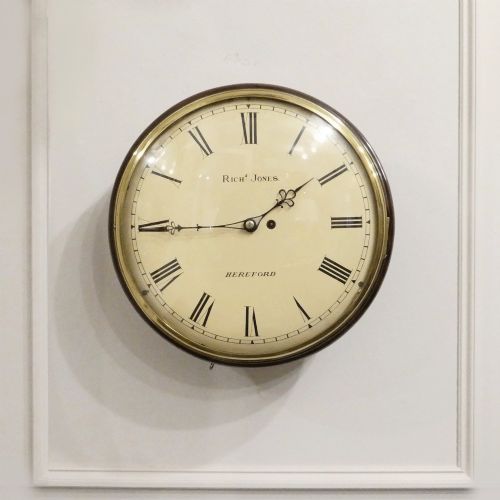
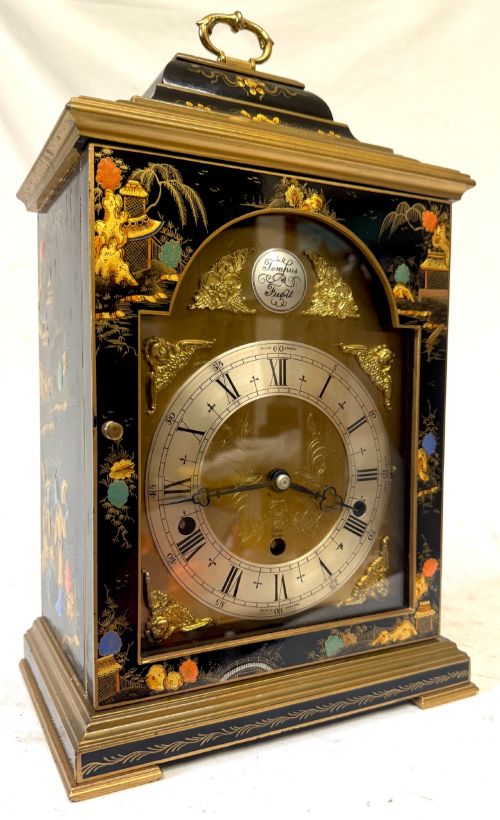
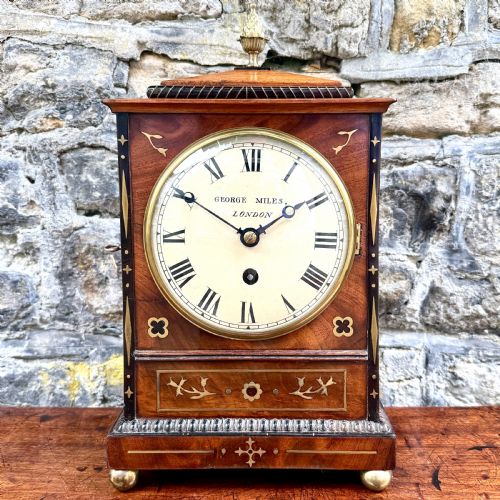
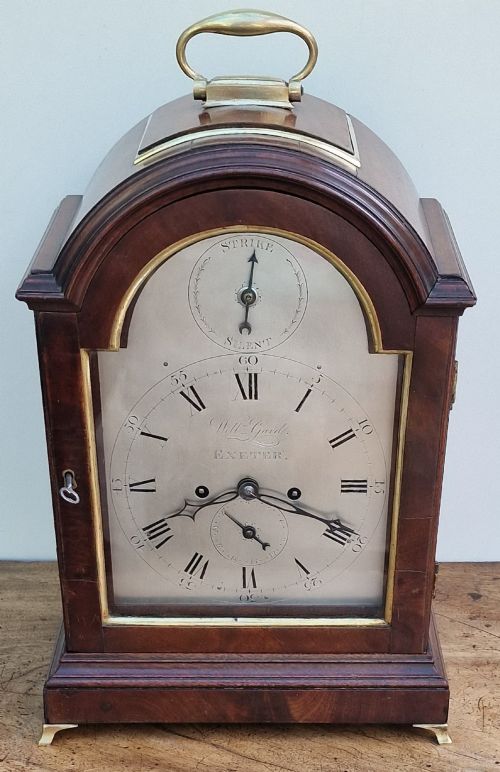
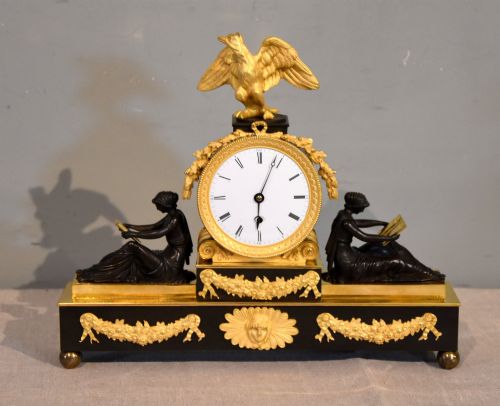
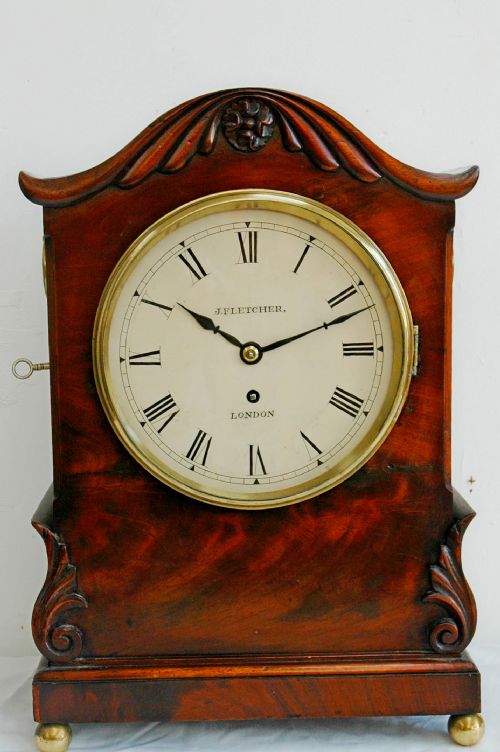
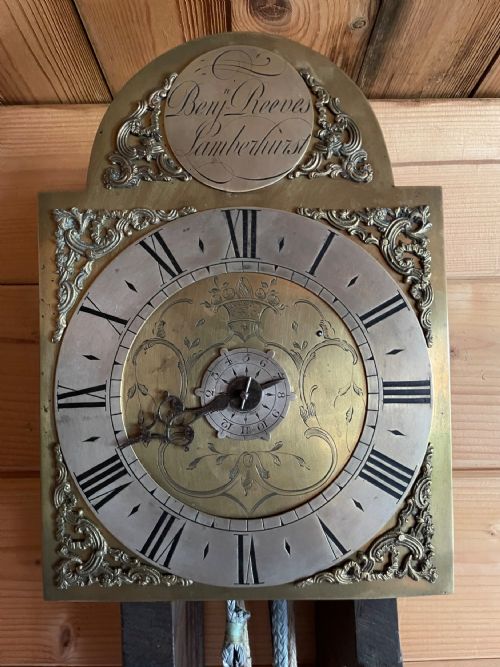
The selections on this page predominantly include mantel clocks, bracket clocks, and wall-mounted dial clocks constructed with brass movements and fittings.
These items originate from various domestic and provincial English workshops, reflecting the practical timekeeping needs of past households.
Materials and construction
Maker workshops utilised brass for dials, bezels, and internal movement plates, pairing the metal with dense hardwoods such as mahogany, rosewood, and ebonised timber.
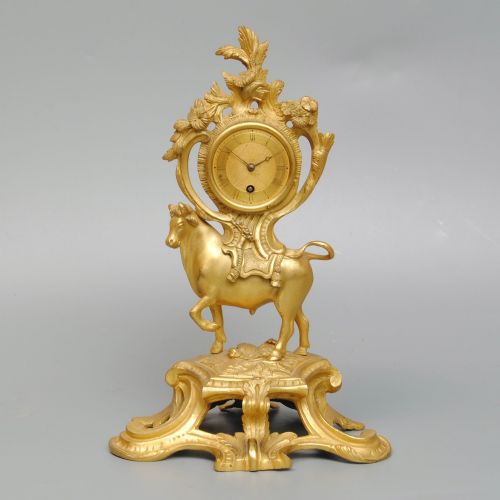
Movements incorporate steel components alongside glass protective covers, while select pieces employ ormolu or gilt bronze mounts for decorative effect.
Listings feature brass, mahogany, glass, and iron across periods spanning the eighteenth, nineteenth, and twentieth centuries.
Differences in quality
Quality rests in the precision of the mechanical movement, the crispness of the brass engraving, and the structural integrity of the timber or bronze housing.
Makers who signed their work and employed complex mechanisms like fusee drives or verge escapements set a higher standard than unsigned provincial makers.
Richard Jones of Hereford·William Gard·Baetens London·Bush of London·Webster Cornhill London·Viner London·Benj Reeves Lamberhurst·William Barrow·Arnold and Frodsham·Grey of Edinburgh·Hyde of Salisbury·Taylor of London·Grimaldi and Johnson·Agar Of Malton·William Hardy London·McCabe London·Haley and Milner·John Thwaites·John Fletcher·FB Adams London
The Georgian Brass Timepiece Glossary
- Fusee
- A conical pulley used in mechanical clocks to maintain even tension on the chain as the mainspring unwinds. This mechanism improves timekeeping accuracy across the power reserve.
- Verge escapement
- An early type of clock escapement that controls the release of power from the gear train. It regulates the motion of the clock using a crown wheel and a oscillating rod.
- Dial clock
- A wall-mounted clock featuring a prominent circular face, often housed in a wooden surround. These were utilised in public spaces, offices, and domestic halls.
- Bracket clock
- A portable table clock designed to sit on a bracket or shelf. Early versions required sturdy wooden cases to house complex striking or alarm mechanisms.
- Ormolu
- Finely ground high-carat gold applied to a bronze base using a mercury amalgamation technique. The process produces a rich golden finish found on decorative clock mounts.
Georgian Brass Timepiece: Frequently Asked Questions
How do I wind a fusee movement?
Insert the winding key into the dial aperture and turn it clockwise until the chain or cord is fully tensioned. Take care not to overwind the mechanism, as this places undue strain on the mainspring.
Ensure you support the clock housing steadily during the process to avoid disturbing the pendulum or escapement settings inside.
Where should I place a bracket clock?
Position your clock on a stable, level surface or a dedicated wall bracket away from direct sunlight and drafts. A secure foundation prevents vibrations that can disrupt the delicate balance of the escapement.
Allow adequate clearance around the case if the mechanism includes striking bells or chiming trains.
What is the difference between a timepiece and a clock?
In horological terms, a timepiece indicates the hours and minutes without including a striking or chiming mechanism. Clocks feature additional gear trains designed to sound the hours or quarters.
Many antique examples specified as timepieces focus purely on accurate visual timekeeping rather than audible alerts.
How do I identify a Georgian movement?
Examine the internal brass plates and wheel cutting for signs of hand-craftsmanship, such as individual tooth shaping and engraved maker signatures on the backplate. Georgian movements often utilise verge or early anchor escapements.
Inspect the accompanying case timber and dial style to confirm the period aligns with the mechanical signatures.