






Early 20th Century Sofa
An early 20th century sofa brings generous proportions and traditional upholstery into a room, offering deep comfort combined with enduring period character.
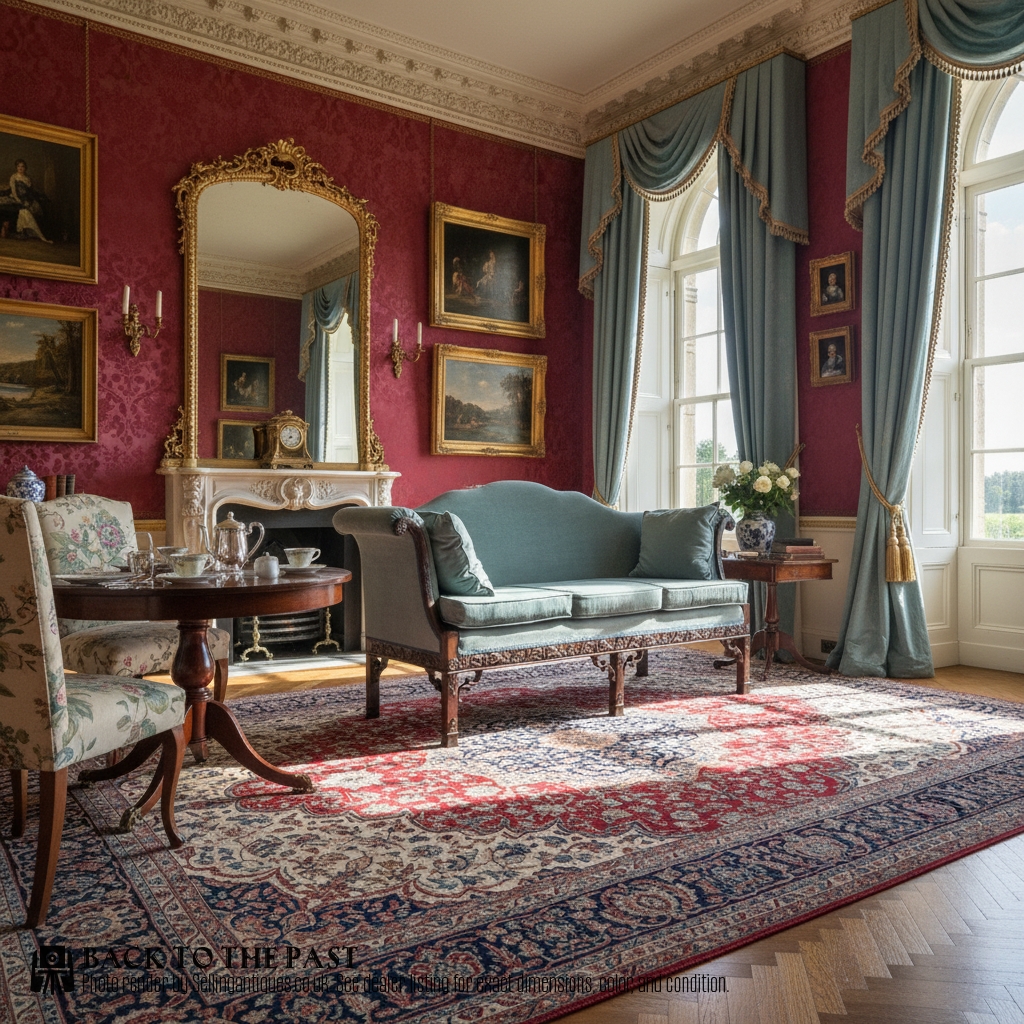
Early 20th Century Sofa
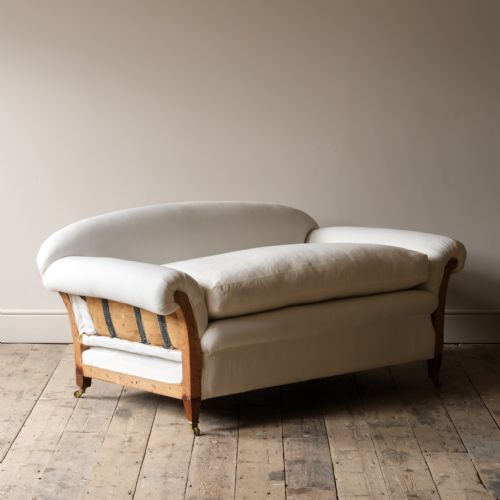
An early 20th century sofa typically encompasses large country house seating, traditional Chesterfield designs, and period revival forms originating from the Edwardian era through to the 1930s. Buyers frequently encounter deep-seated two and three-seater models designed primarily for domestic comfort and drawing-room utility.
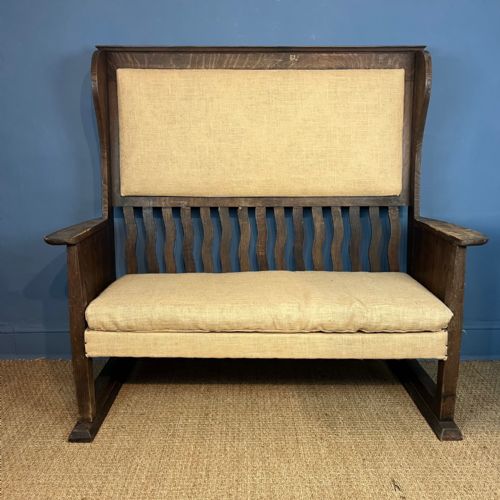
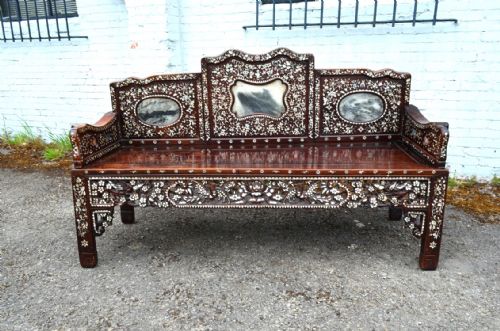
The evidence shows various stylistic influences ranging from Chinese Chippendale and Empire Revival to oak frameworks modelled on earlier centuries. These pieces reflect a transitional period where robust wooden frames met deep sprung upholstery.
Beyond standard settees, related seating such as Knole sofas, bergere designs with cane panels, and buttonback salon suites appear alongside traditional upholstered couches. The forms vary from intimate two-seaters to expansive library and country house seating.
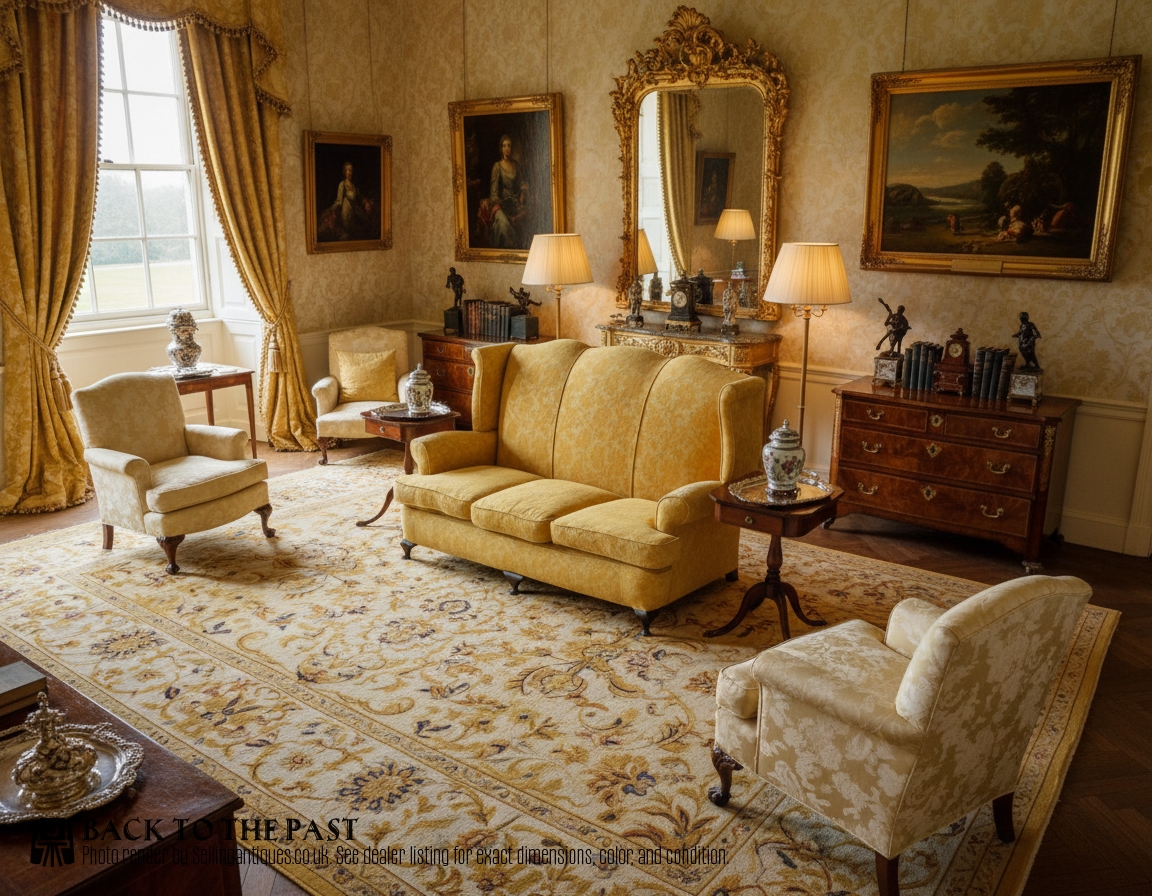
How they were made
Internal padding and support utilised coil springs, horsehair filling, and fully loose coil adoring, which together delivered resilient support. Upholstery finishings included hand-dyed leather, velvet, damask fabric, and buttonback detailing.
Early 20th Century Sofa Retail Price Guide 2026
Typical asking prices for early 20th century sofa among the pieces listed under this phrase on Sellingantiques today, from the lower quarter to the upper quarter. They describe what is for sale here now, not the wider market.
Listings feature mahogany, oak, and walnut frames alongside upholstery in leather, velvet, and damask fabric.
What varies in quality
The standard of a piece is determined by the integrity of its internal construction, particularly the tension of the coil springs and the density of the horsehair stuffing. Superior examples maintain firm, supportive seating without excessive sag in the frame.
Material selection and execution of woodwork differentiate standard production from finer examples, especially where hand-carved details or inlaid elements are present. The quality of the timber frame dictates how well the structure withstands decades of daily use.
Howard & Sons·Andrew Thomson & Sons·Heals
The Early 20th Century Sofa Glossary
- Chesterfield
- A traditional upholstered sofa characterised by deep buttoning, rolled arms of the same height as the back, and leather or fabric covering. This style has remained a staple of British interior design for generations.
- Bergere
- An enclosed armchair or sofa with cane or wicker side panels and an upholstered seat. The wooden frame is typically exposed and polished walnut or mahogany.
- Knole sofa
- A historic seating form featuring hinged or adjustable sides that can be raised or lowered upright. It originates from Knole House and employs substantial upright wooden posts tied with decorative braids.
- Horsehair filling
- A traditional stuffing material utilised for upholstery due to its natural springiness and durability. It provides firm resilience beneath the final fabric or leather covering.
- Drop-leaf
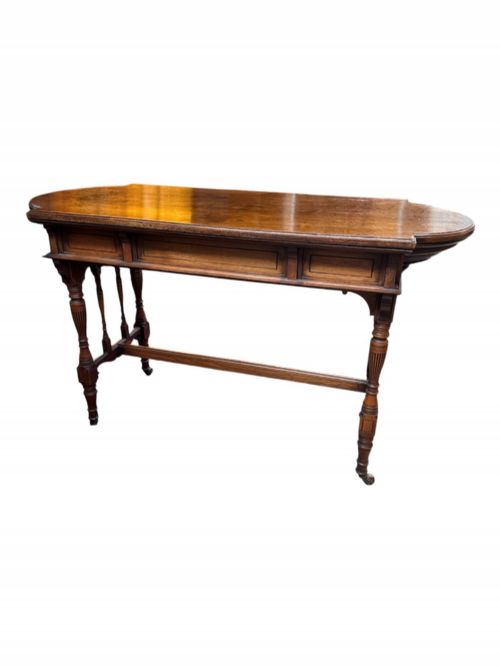
- A table or furniture feature with hinged flaps on either side that can be folded down or supported to extend the surface area.
Early 20th Century Sofa: Frequently Asked Questions
How do I identify a country house sofa?
Country house sofas are defined by their exceptionally deep seats, low profiles, and relaxed, enveloping upholstery designed for long periods of lounging. They often feature loose feather or down cushions resting over a heavily sprung base.
Unlike formal parlor seating, these pieces prioritize unpretentious comfort and frequently appear in worn leather or heavy patterned damask. Their proportions tend to be larger than standard modern alternatives.
What is a horsehair filling?
Horsehair filling is a traditional stuffing material gathered from the mane and tail of horses, cleaned, and curled to create natural springiness. Upholsterers used it to pack internal compartments because it retains its shape and breathes better than synthetic alternatives.
Seeing horsehair specified in a piece indicates traditional construction methods typical of quality Edwardian and Georgian revival seating. It works alongside coil springs to give the furniture its resilient feel.
Are these sofas suitable for daily use?
These seating pieces were built for domestic life, featuring robust hardwood frames and resilient interior springing designed to withstand regular habitation. Many examples have survived a century of use precisely because their underlying construction is exceptionally durable.
Living with a period sofa simply requires mindful placement away from direct heat sources and occasional professional maintenance of the upholstery. The sturdy wooden frames ensure they remain practical furniture rather than purely decorative objects.
How do I distinguish between Edwardian and Victorian styles?
Victorian furniture tends to feature heavier dark timber, more elaborate carving, and denser, darker upholstery fabrics with tight buttoning. The forms often lean toward formal display rather than relaxed comfort.
Edwardian pieces generally lighten in proportion and colour, introducing lighter mahogany, satinwood, and an emphasis on comfortable country house aesthetics. Revival styles from this era frequently borrow elements from Chinese Chippendale or earlier centuries.