


Early 20th Century Side Table
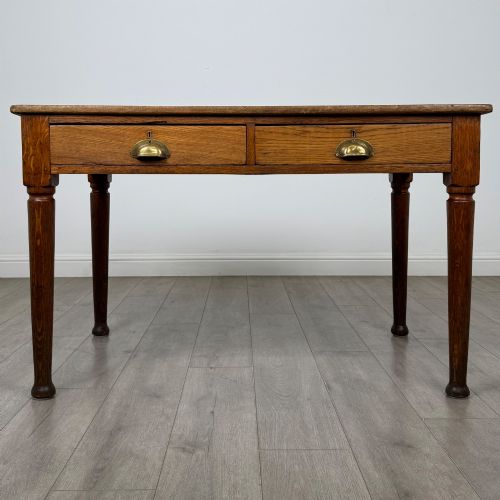
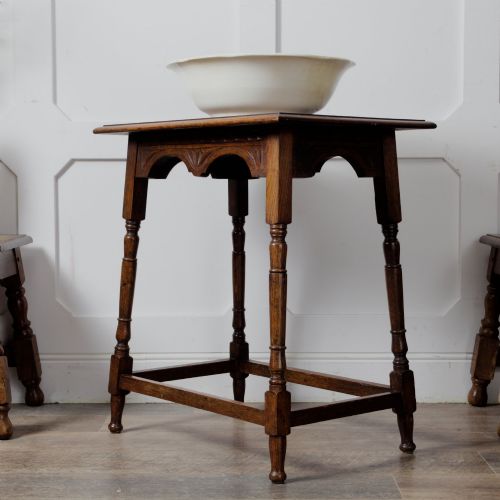
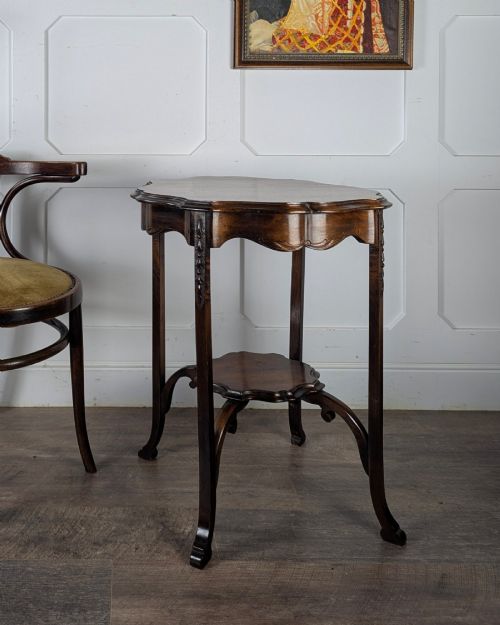
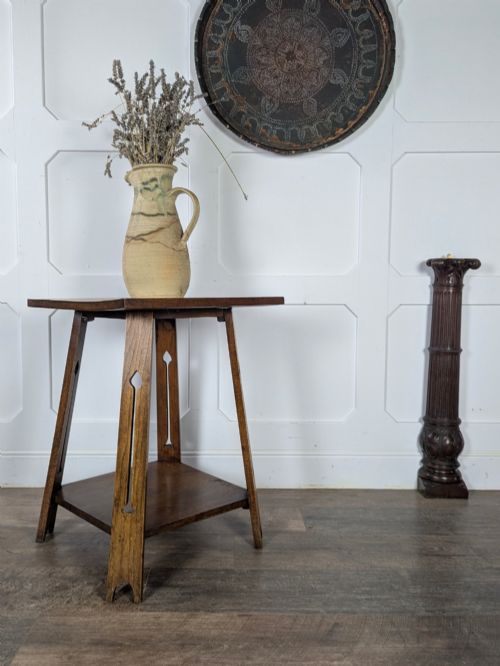
An early 20th century side table brings tactile history into a room through honest timber, steady joinery and varied revival forms.
Early 20th Century Side Table
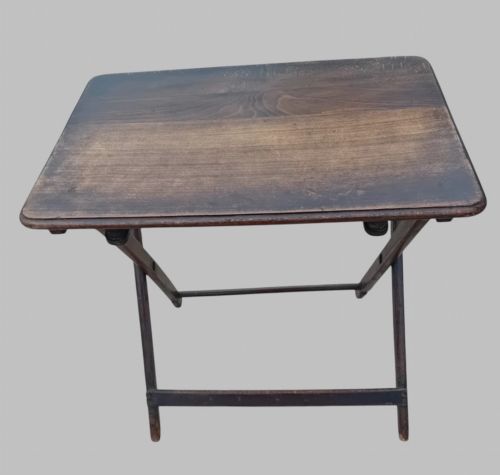
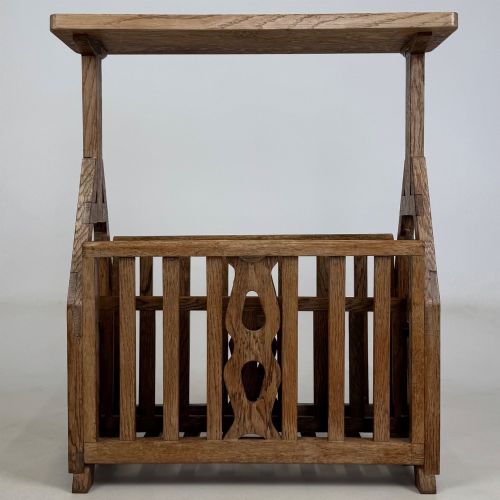
The early 20th century side table category encompasses a wide sweep of domestic surfaces produced from the late Victorian era through the interwar years, spanning Edwardian refinement and 1930s utility. Buyers searching for an early 20th century side table frequently encounter solid oak and mahogany pieces reflecting traditional British revival styles or compact occasional furniture designed for changing urban spaces.
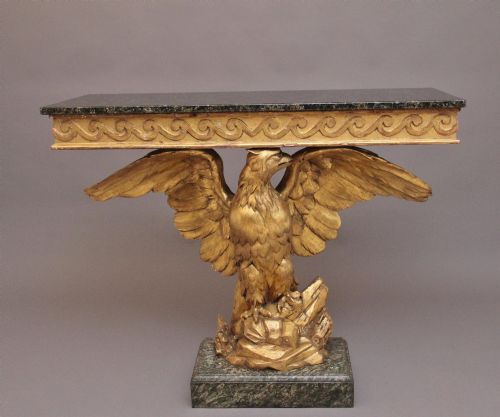
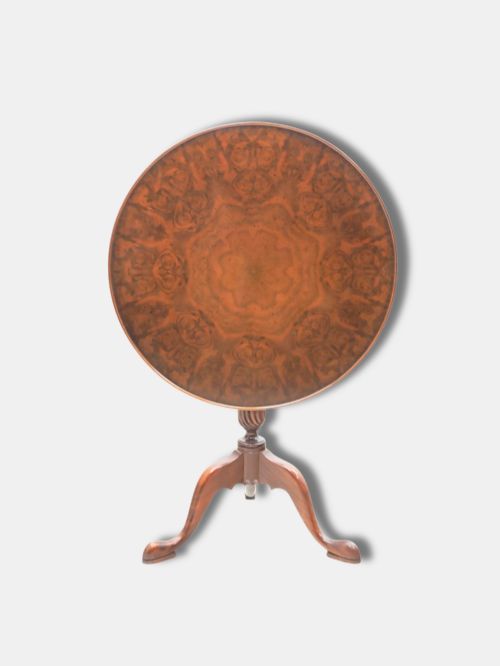
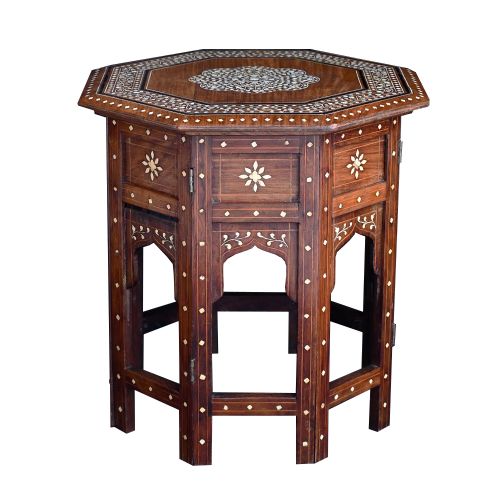
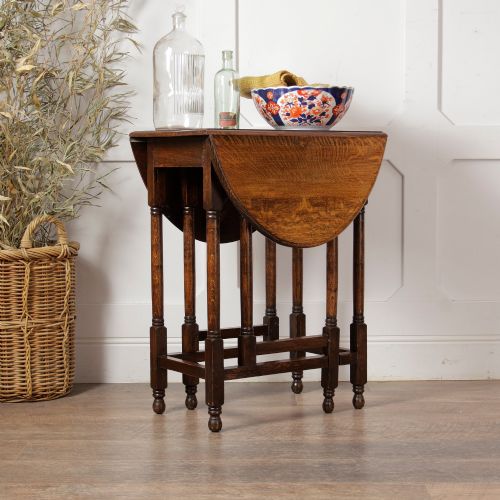
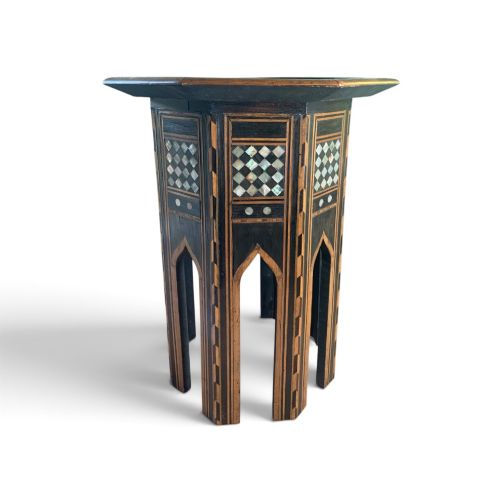
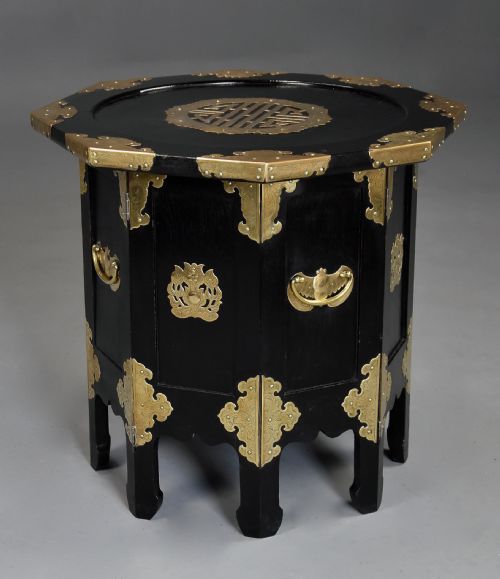
Makers of the period drew heavily on earlier design vocabularies, producing Jacobean Revival gateleg tables, Chippendale style tripod wine tables, and Neoclassical console surfaces alongside imported Moorish and Hoshiarpur inlaid occasional tables. Function varied just as widely, bridging bedside cabinets, writing desks, lamp tables and nested quartetto sets intended to tuck away when floor space was at a premium.
Materials and Construction
Cabinetmakers relied heavily on homegrown and imported hardwoods, most notably solid and veneered oak, rich mahogany, walnut and satinwood, often pairing timber surfaces with contrasting brass hardware, carved detailing or inset marble tops. Frame construction typically employed traditional mortise and tenon joinery or sturdy dovetailing for drawers, ensuring long-term structural integrity without relying on modern fasteners.
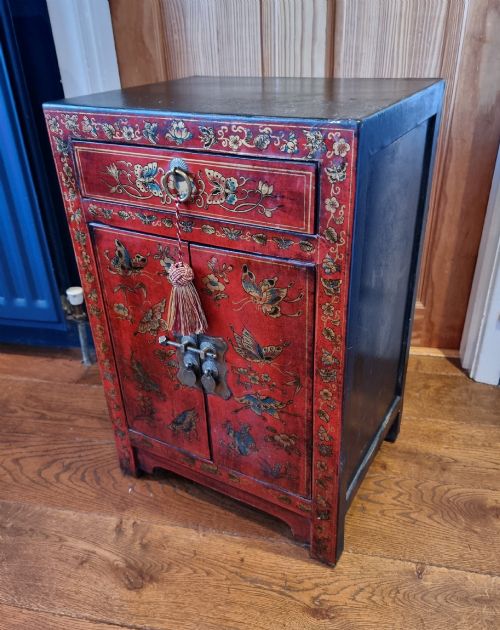
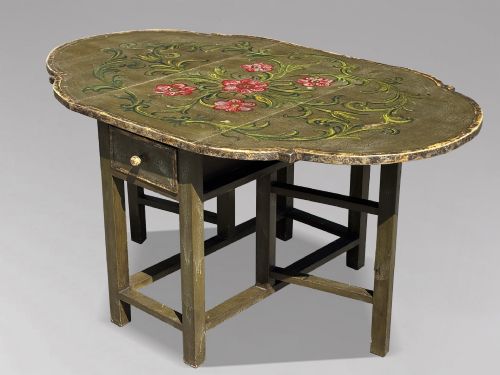
Surface finishes ranged from hand-polished French polish and waxed oak to decorative lacquered Chinoiserie, painted Italian drop-leaf surfaces and intricate micro-mosaic bone or wood inlay work on imported occasional tables.
Listings feature diverse materials including brass, mahogany, oak, marble, walnut, fabric, glass, bamboo and iron.
Quality and Distinction
Distinction within this group rests on the choice of materials, the crispness of carved or inlaid ornamentation, and the integrity of the original construction rather than mass-produced uniformity. Pieces finished with hand-cut marquetry, thick white marble slabs, solid brass fittings or signed atelier provenance stand well apart from simpler utilitarian workshop output.
Proportion and balance dictate the long-term appeal of these auxiliary tables, where slender tripod legs, stable gateleg pivots and clean veneer matching separate exceptional cabinetmaking from standard domestic furniture.
Émile Gallé·Andrew Thomson & Sons·Masion Ramsay·Liberty
The Early 20th Century Side Table Glossary
- Jacobean Revival
- A furniture style popular in the early twentieth century that emulates seventeenth-century English oak design, frequently featuring heavy turnings, geometric mouldings and deep panel carving.
- Occasional table
- A small, movable table designed for a specific, transient utility in a room, such as holding a lamp, book or decorative object.
- Quartetto nest
- A graduated set of four small tables designed to slide neatly beneath one another, originating in the nineteenth century and remaining popular through the Edwardian period.
- Tripod table
- A small round table supported by a central pillar resting on three spreading feet, often constructed with a tilt-top mechanism for easy storage.
- Gueridon
- A small decorative stand or table, usually French in origin, often featuring a circular marble top supported by a column or slender legs.
- Parquetry
- A geometric mosaic of wood pieces used for decorative floors and furniture surfaces, creating subtle tonal patterns across table tops.
Early 20th Century Side Table: Frequently Asked Questions
What distinguishes an Edwardian side table from 1930s examples?
Edwardian pieces generally lean towards lighter satinwood, inlaid mahogany and formal revival styles influenced by eighteenth-century aesthetics. By contrast, 1930s tables often embrace simpler geometric lines, honey oak finishes, functional drop-leaves or rustic farmhouse utility.
Material choices also shift across the decades, moving from elaborate stringing and brass mounts towards streamlined surfaces suited to smaller interwar homes.
How were occasional tables used in early 20th century homes?
These versatile surfaces moved freely around the drawing room or parlour to hold reading lamps, tea services, writing materials or card games. Nested tables provided instant extra surface area when guests visited and stored away compactly afterward.
Bedside cabinets and wine tables performed similarly specialised domestic tasks, offering dedicated space for night-time essentials or small decorative ornaments.
Are marble top side tables original to the period?
Many console, gueridon and bedside tables from this era were manufactured with inset white, grey or patterned marble slabs designed to handle damp glasses, flower vases and heavy lamps safely. These stone tops were factory-fitted into rebated wooden frames as part of the original design.
Checking the underside reveals the matching wooden bearers and secure seating typical of authentic period construction.
How do I care for a vintage wooden side table?
Maintain the timber by applying natural beeswax periodically to nourish the grain and protect the original polish from drying out. Avoid placing antique wood in direct sunlight or near direct heat sources to prevent veneer lifting and timber shrinkage.
Use coasters and felt pads beneath objects to guard against moisture rings and scratches on polished surfaces.