



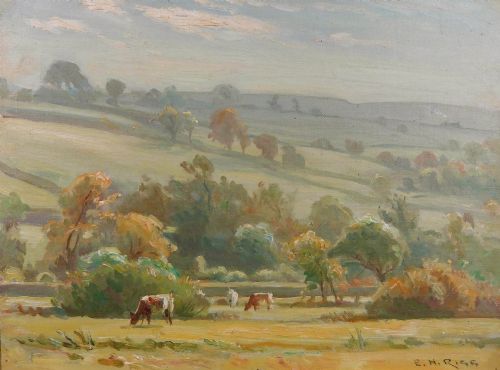
Early 20th Century Landscape
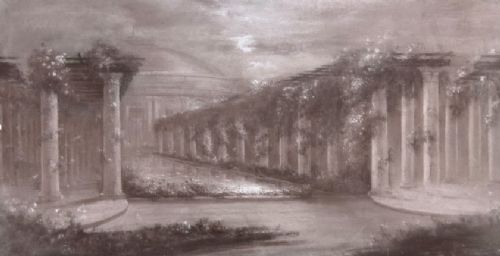
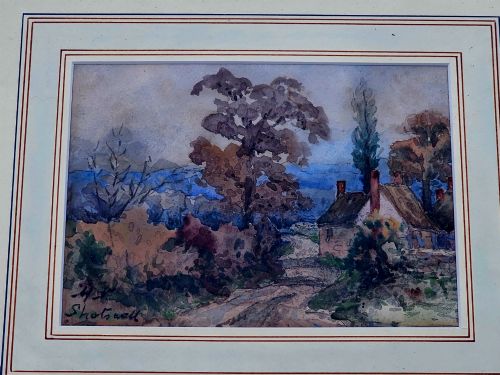
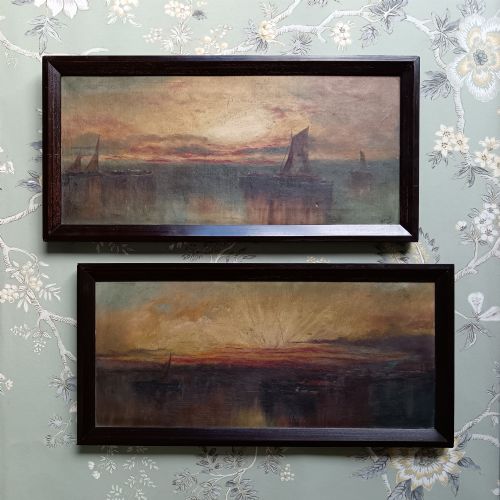
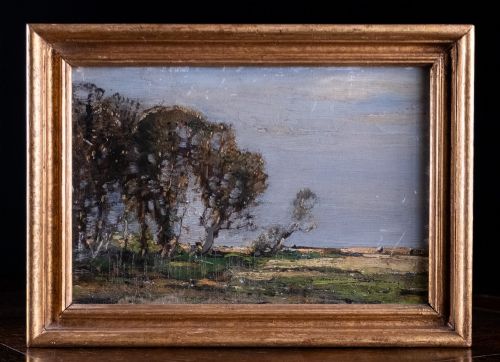
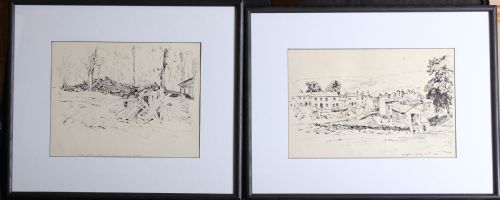
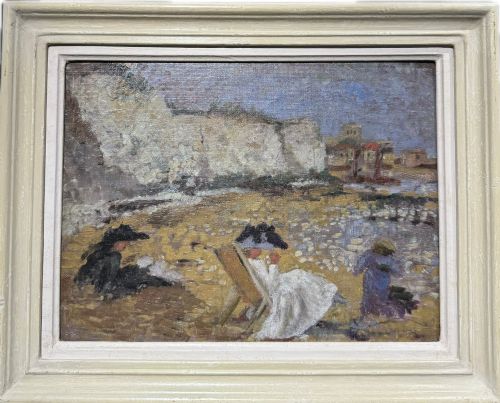
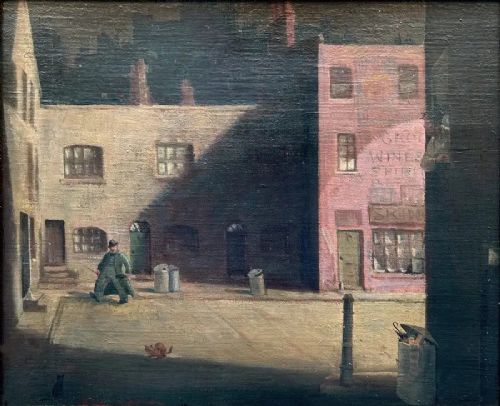
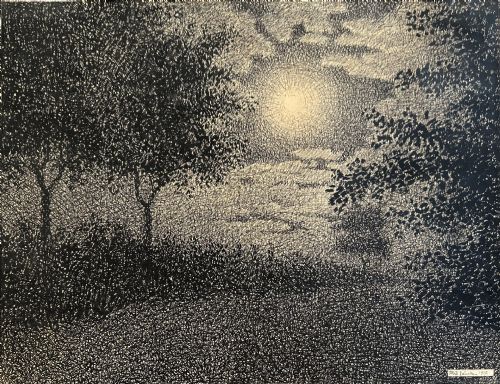
An early 20th century landscape captures the shifting light of a changing countryside through the brushed texture of oil or the fluid wash of watercolour.
What these early 20th century landscape works represent
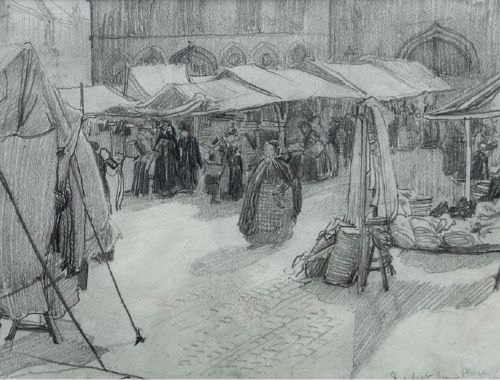
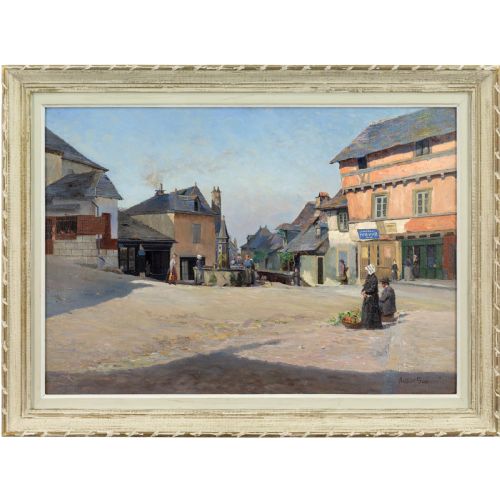
An early 20th century landscape records rural vistas, rivers and coastal scenes across Britain and continental Europe. Buyers encounter original paintings on canvas, board and paper, alongside occasional cameos and prints.
The selection leans heavily toward British regional views, featuring Yorkshire, Cornwall and Scottish lochs, alongside French and Italian settings. Most examples stem from the decades bridging the turn of the century up to the 1930s.
Painters of this era worked within movements such as British Impressionism and the St Ives School, translating everyday pastoral life into immediate visual records. These works offer a direct window into historical topography through the eyes of contemporary artists.
Materials and methods of the period
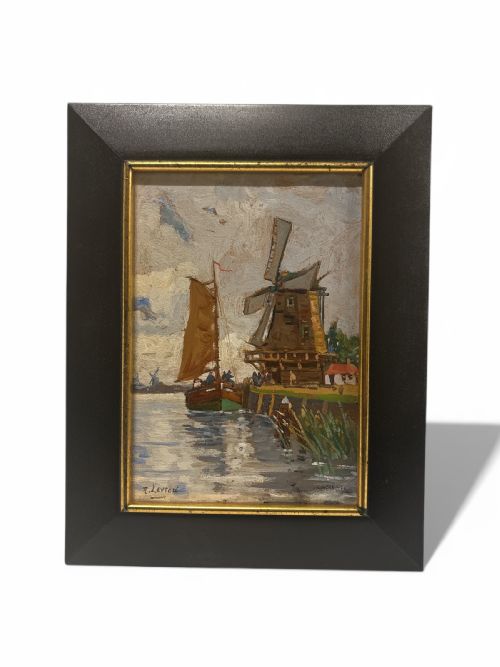
Artists applied oil paint to stretched canvas, wooden panels and thick card, building up texture with loaded brushes. Others stretched paper to receive fluid applications of watercolour, gouache and ink.
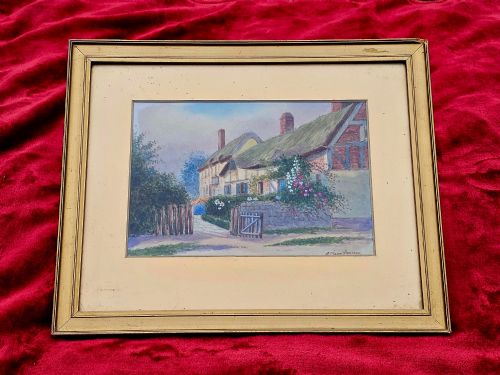
Supports often include gilded wood frames that complement the tonal palette of the pigments. Canvas laid onto board appears frequently, providing a stable foundation for outdoor sketching.
Retail Price Guide 2026
Typical UK retail prices for early 20th century landscape, calculated from the Sellingantiques database of over a million retail prices indexed since 2003. This retail price guide relies exclusively on Sellingantiques data; no external sources or auction records are used, so the figures do not describe the wider market.
Listings feature oil paint, watercolour, gouache and aquatint across canvas, board, paper and glass.
Distinctions in execution and atmosphere
Superior examples demonstrate a confident handling of atmospheric light and spatial depth, where brushwork feels purposeful rather than mechanical. The finest paintings capture the specific weather and mood of a location rather than merely recording topography.
The relationship between the support and the medium dictates longevity and visual resonance. Skill in composition and colour harmony separates routine topographical sketches from compelling artistic interpretations.
Kershaw Schofield·Thomas Maidment·Fred Stead·Arthur W Newsholme·Alexander Jamieson·Norman Wilkinson
The Early 20th Century Landscape Glossary
- Watercolour
- A paint consisting of pigment suspended in a water-soluble vehicle, typically applied to paper to create translucent washes of colour.
- Gouache
- An opaque watercolour paint that includes a white pigment filler, producing a heavier, more solid surface than traditional transparent watercolours.
- Impressionism
- A style of painting that focuses on the visual impression of a moment, especially regarding the shifting effect of light and colour.
- Provenance
- The chronological record of ownership of a work of art, helping to establish its authenticity and history.
Frequently Asked Questions
What defines an early 20th century landscape?
These works are original paintings, watercolours and prints created between the late nineteenth century and the 1930s. They depict rural, urban and coastal scenes across Britain and Europe.
Artists of this period utilised mediums like oil, watercolour and gouache to interpret changing light and regional topography. The style bridges traditional academic recording and modern impressionist observation.
How were these landscape paintings displayed?
Most works of this period are housed in period frames, frequently made of gilded wood. These surrounds were chosen to complement the visual weight and palette of the artwork.
Framing styles vary from simple moulded timber to decorative gilt designs depending on the artist's intent and the era's domestic interior fashions.
How do I care for a vintage painting?
Keep works on canvas and paper away from direct sunlight and excessive humidity to prevent pigment fading and support warping. Glazed watercolours benefit from acid-free framing materials.
Dust wooden frames gently with a dry cloth and avoid using liquid cleaners on painted surfaces to preserve the original varnish and pigment layers.