
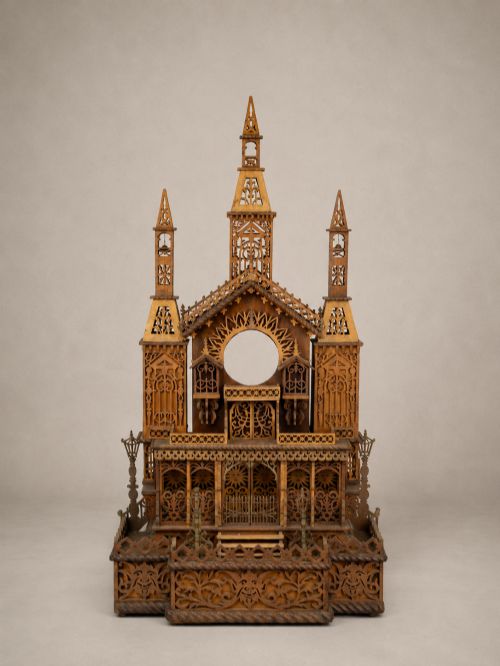
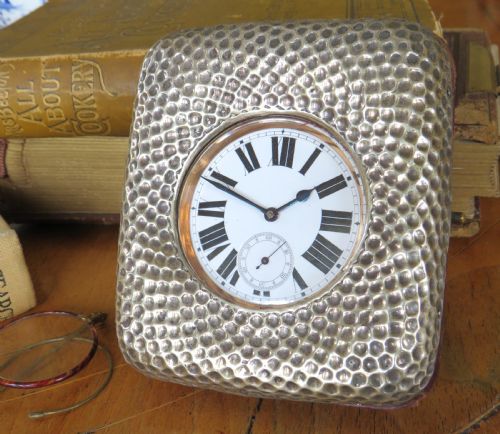


Early 20th Century Clock
When you seek an early 20th century clock, you uncover timepieces spanning Edwardian elegance, Art Deco geometry, and functional industrial design.
Early 20th Century Clock
The early 20th century clock encompasses a wide variety of timepieces, from domestic mantel and wall models to large architectural station clocks. Buyers exploring this selection encounter utilitarian utility alongside decorative craftsmanship developed across the Edwardian and Art Deco periods.
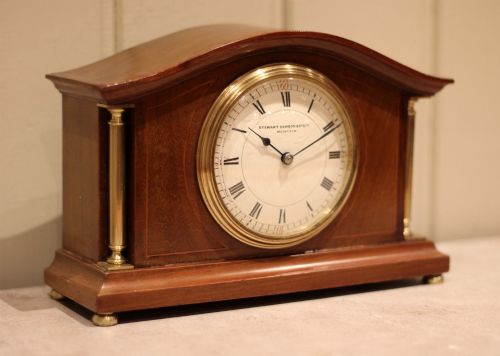
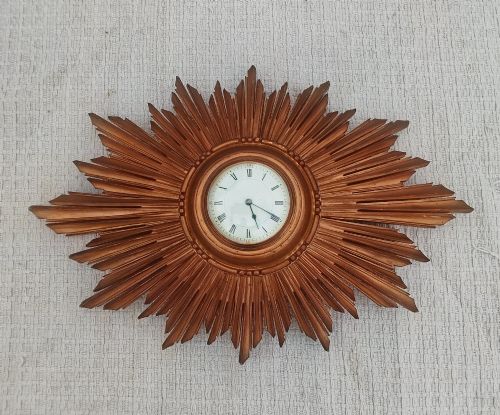
Mantel and wall clocks dominate the offerings, frequently constructed in mahogany, oak, or giltwood. Pieces range from modest domestic timepieces to grander musical longcase and bracket clocks.
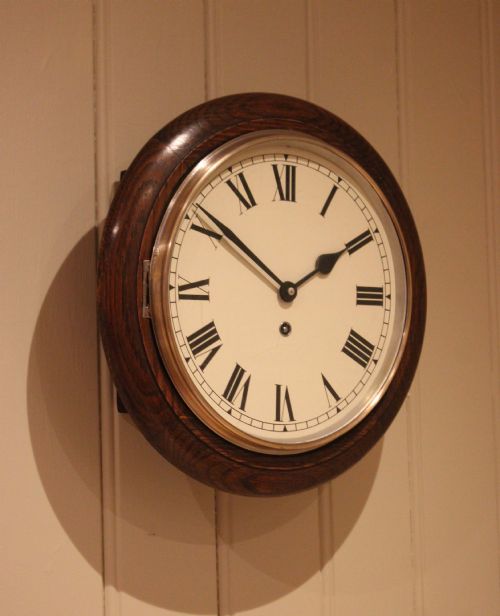
Industrial origins appear through railway and factory timepieces, reflecting public infrastructure alongside private domestic interior design. These items bridge practical timekeeping and period decorative style.
How they were made
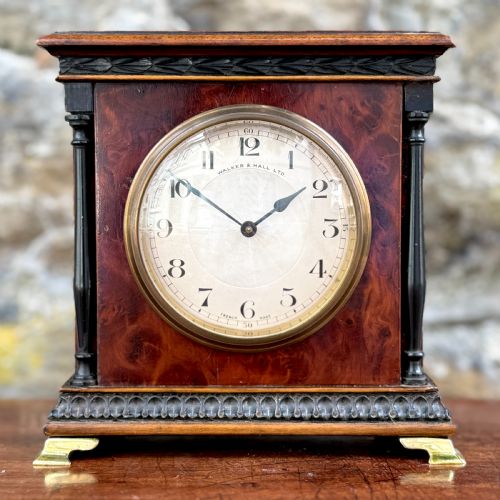
Makers utilised traditional hardwoods such as mahogany, oak, walnut, and burr yew for cabinetwork and dial surrounds. Glass protected white enamel, silvered, or painted metal dials whilst brass and gilt metal provided structural movement components and decorative accents.
Mechanical movements, including fusee and 8-day systems, operated alongside emerging electrical innovations such as Bulle and Synchronome mechanisms. Cabinet construction combined hand-carved detailing, fretwork, and inlaid marquetry with robust industrial metalwork for public spaces.
Early 20th Century Clock Retail Price Guide 2026
Typical asking prices for early 20th century clock among the pieces listed under this phrase on Sellingantiques today, from the lower quarter to the upper quarter. They describe what is for sale here now, not the wider market.
An elephant mystery clock and a swinging maiden automaton offer a playful reminder that early horology embraced theatrical charm.
What varies in quality
Quality separates mass-produced utility pieces from bespoke workshops through the depth of cabinet timber and the complexity of the movement. Solid mahogany and burr walnut cases with chiming mechanisms represent a higher standard than simpler oak or painted pine variants.
The integration of regional railway provenance, specialised maker signatures, and elaborate decorative flourishes such as starburst giltwood or hand-painted dials elevate individual examples. Original mechanical integrity and undamaged enamel dials further distinguish superior survivals.
Walker and Hall·J.C Vickery of London·Smiths of London·Gents of Leicester·Perivale of England·Mappin and Webb·Maples and Co·H. Pidduck and Son·Asprey·Junghans
The Early 20th Century Clock Glossary
- Dial
- The face of the clock where the hours and minutes are displayed. These often feature Roman or Arabic numerals rendered in enamel, silvered metal, or painted wood.
- Fusee
- A conical pulley used in mechanical clocks to maintain even force on the gear train as the mainspring unwinds. This mechanism is prized for improving timekeeping accuracy in better quality pieces.
- Mantel clock
- A domestic timepiece designed to sit on a fireplace mantel or shelf. They appear in styles ranging from Edwardian mahogany cases to Art Deco sculptures.
- Bracket clock
- A portable table or shelf clock historically designed to sit on a wall bracket. Many examples from this era feature substantial wooden cases and striking movements.
- Longcase clock
- A tall pendulum clock housed in a wooden trunk, often referred to as a grandfather, grandmother, or granddaughter clock depending on its height and scale.
Early 20th Century Clock: Frequently Asked Questions
How do I wind an 8-day clock?
An 8-day mechanical movement requires winding approximately once a week using a matching key inserted into the dial holes. Care must be taken not to overwind the mainspring.
Most domestic mantel and wall models operate on this standard schedule, making them straightforward to maintain in a modern home.
Where were station clocks used?
Station clocks hung in railway termini, platforms, and administrative offices to regulate public travel and staff shifts. Makers such as Gents of Leicester and Smiths supplied these robust designs.
In contemporary interiors, these large wall pieces serve as striking focal points in open-plan spaces or kitchens.
What is a fusee movement?
A fusee movement incorporates a conical pulley that equalises the power delivered by the mainspring as it loses tension. This ensures consistent timekeeping across the running period.
Collectors look for this technical feature in older bracket and wall clocks as an indicator of superior craftsmanship.
How do I care for a wood clock case?
Wooden cases in mahogany, oak, and walnut require placement away from direct sunlight and sudden temperature shifts. Periodic dusting with a soft, dry cloth preserves the polished finish.
Harsh chemical polishes should be avoided to protect the original patina and any delicate inlay or carving.