




Early 19th Century Prints
These early 19th century prints capture everything from natural history to topography through hand-coloured engravings and lithographs.
Early 19th Century Prints
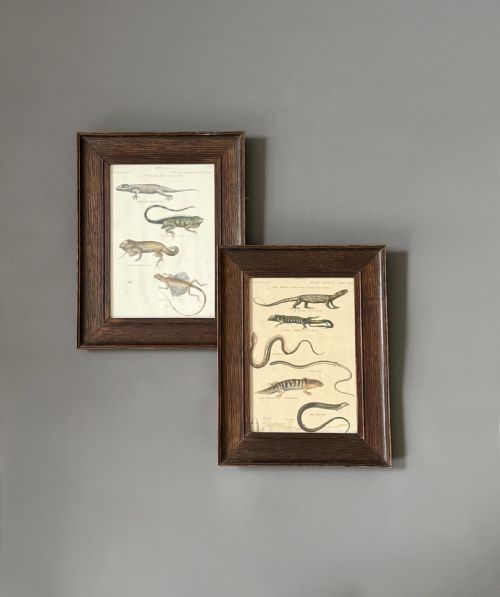
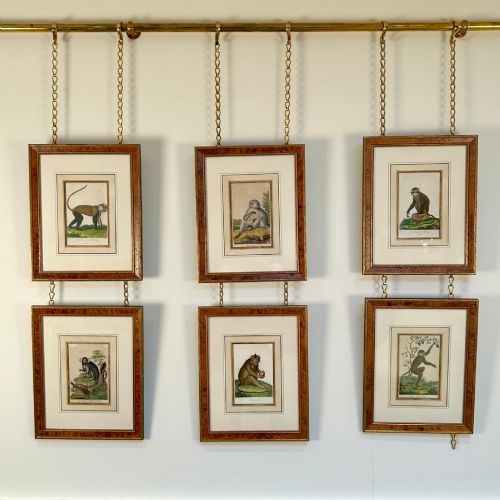
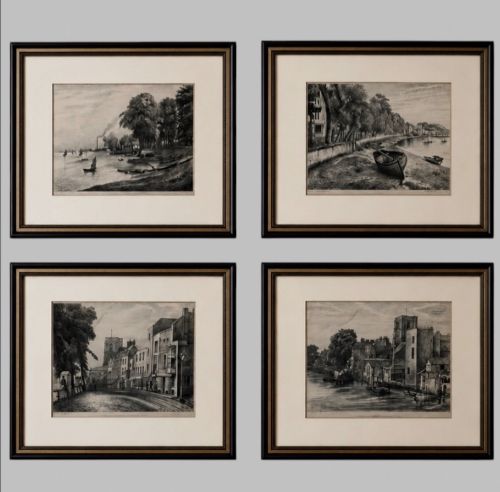
When you search for early 19th century prints, you encounter works produced across the Georgian, Regency, and early Victorian eras. The selection ranges from detailed natural history subjects like reptile and monkey engravings to topographical views of London, Chelsea, and Sheffield.
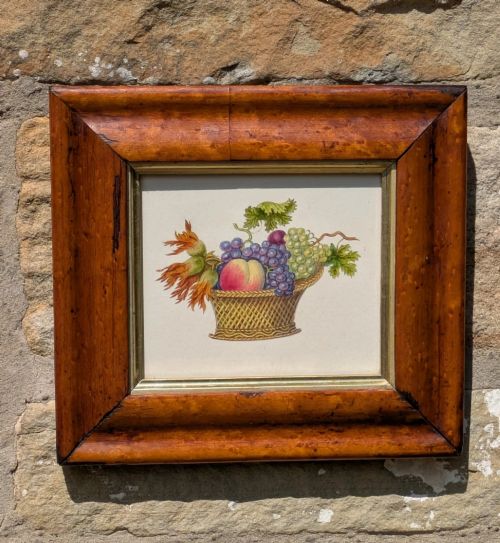
Framed prints and engravings dominate the offerings, often presented alongside related works on paper such as watercolour fruit studies and lithographic plates. You will also find decorative iterations including tinsel and decoupage theatrical prints from the Regency period.
Origin points vary across British, French, and Italian schools, reflecting the broader European output of the period. These works serve as visual records of their time, spanning sporting subjects, classical themes, and architectural interiors.
Materials and production techniques
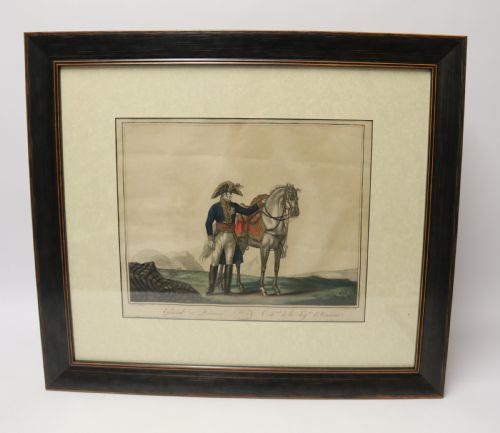
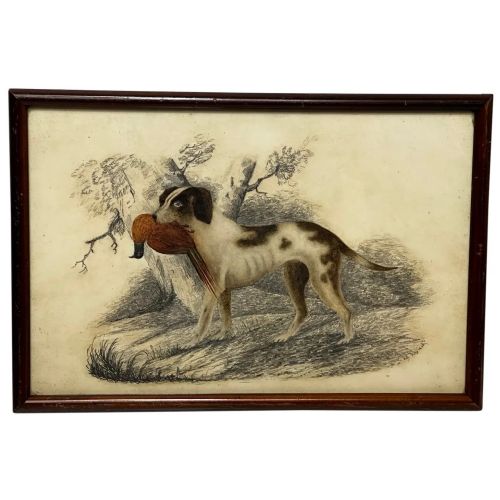
Paper forms the primary support for these works, carrying ink applied through engraving, lithography, and transfer printing methods. Hand-colouring frequently enhances the printed lines, adding pigment to subjects such as natural history plates and military scenes.
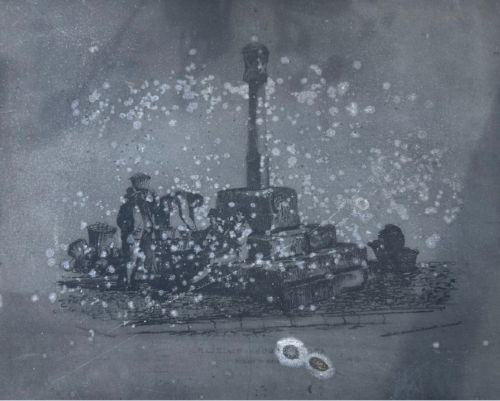
Framing materials typically comprise wood and glass, protecting the delicate paper and ink surfaces from atmospheric damage. Metal printing plates also appear, demonstrating the physical mechanism behind the production of mid-century lithographs.
Natural history subjects appear alongside topographical views and theatrical prints.
Assessing quality in early prints
The precision of the original engraving or lithographic transfer dictates the crispness of the lines and the clarity of the composition. Stronger impressions reveal fine details in subjects like architectural masonry or animal plumage.
The application of hand-colouring separates standard workshop output from finer examples, with careful pigment placement enhancing the visual depth. Preservation of the paper sheet, free from heavy toning or fading, maintains the integrity of the work.
William Bird MD FLS·John Horner Halifax Pontifex·Stiles·J.C Burgess·William Day·Pierre Buillon·Henri Chatillon·H.P.Parker
The Early 19th Century Prints Glossary
- Engraving
- A printmaking technique where an artist cuts lines into a metal plate with a sharp tool to hold ink. This method produces precise, sharp lines capable of fine detail.
- Lithography
- A planographic printing process based on the repulsion of oil and water on a flat stone or metal plate. It allows for tonal gradations and fluid lines.
- Transfer printing
- A method of applying a printed design from an engraved copper plate to paper or ceramic via tissue. This technique enabled uniform pattern repetition on domestic wares and prints.
- Tinsel print
- A popular 19th-century theatrical print embellished with pieces of tinsel, fabric, and foil. These works were often assembled by amateurs to depict famous actors in costume.
- Hand-coloured
- The process of adding watercolour or other pigments by hand to a monochrome printed base. This enhances specific areas of the composition for decorative effect.
Early 19th Century Prints: Frequently Asked Questions
How do I care for early 19th century prints?
Keep works on paper away from direct sunlight to prevent the fading of inks and hand-applied watercolours. Framing behind conservation glass helps protect the delicate surface from moisture and airborne pollutants.
Maintain stable room temperatures and avoid hanging pieces on damp exterior walls. Proper framing with acid-free mounts ensures the paper does not degrade over time.
Are these prints original to the period?
The listings comprise works produced during the Georgian, Regency, and Victorian eras using period printing techniques. Materials such as handmade paper and early inks align with 19th-century manufacturing standards.
Examining the paper texture, plate marks, and framing materials helps confirm the age of the piece. Look for the characteristic signs of period press work rather than modern photographic reproduction.
What subjects are most common?
Natural history subjects feature prominently, including detailed engravings of reptiles and monkeys. Topographical views of towns, churches, and civic buildings also recur across the selection.
Sporting scenes, theatrical prints, and classical subjects from the Grand Tour provide further variety. Many pieces reflect the scientific and exploratory interests of the 19th century.
Can I find signed or attributed works?
Some prints and plates bear the names of contemporary publishers, printers, or artists associated with the production. Signatures or inscriptions on the margin often record the creator or the printing firm.
Attributions rely on contemporary documentation, plate publication lines, or stylistic comparisons with known works. Unsigned pieces remain common, reflecting standard commercial print output of the era.