




Antique Statue Artwork
Antique statue artwork brings together figurative bronzes, carved marbles and framed prints from the nineteenth and early twentieth centuries.
Antique Statue Artwork
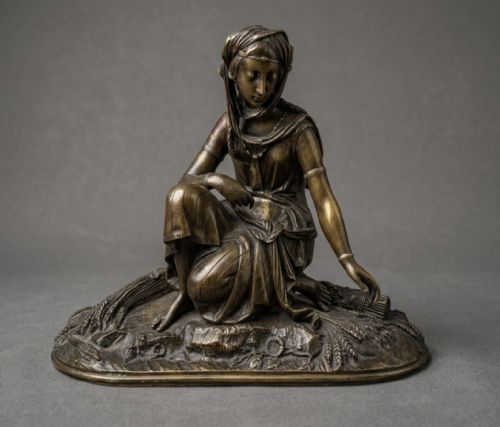
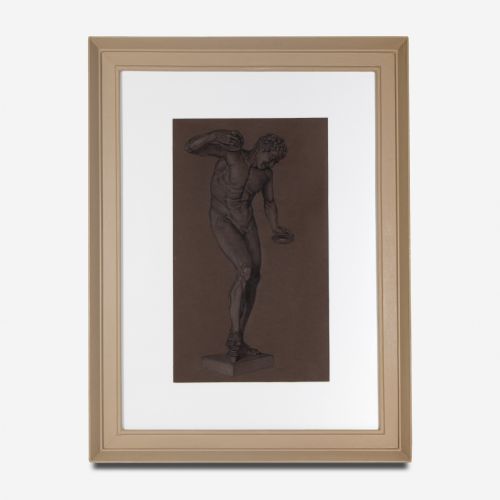
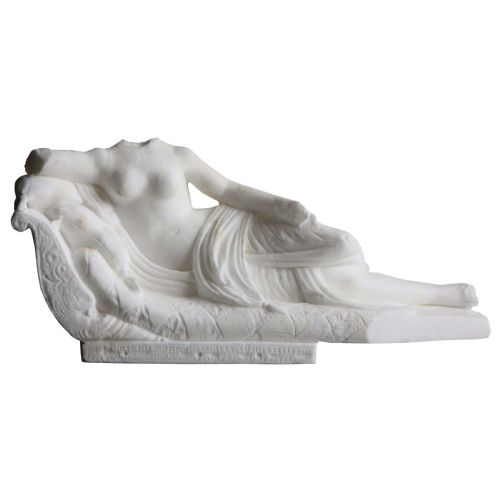
Antique statue artwork comprises three-dimensional sculptures in bronze, marble and wood alongside framed drawings, engravings and oil paintings depicting classical, orientalist and figurative subjects. The selection spans the nineteenth century through to the art deco period, taking in European foundry casts, grand tour souvenirs and Asian temple figures.
The most frequent items on this page are nineteenth-century bronze sculptures created by continental European foundries and individual artists, alongside carved marble busts and framed paper works. Buyers encounter subjects ranging from mythological figures and historical warriors to allegorical studies and everyday orientalist scenes.
How they were made
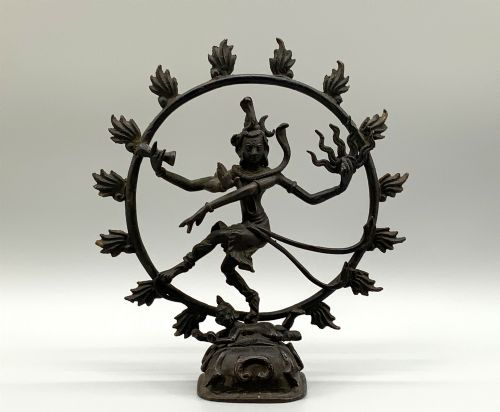
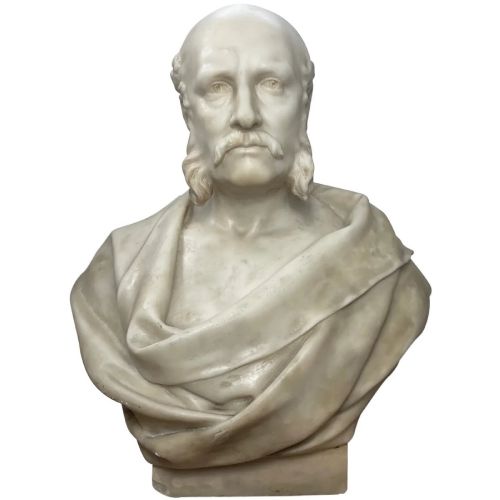
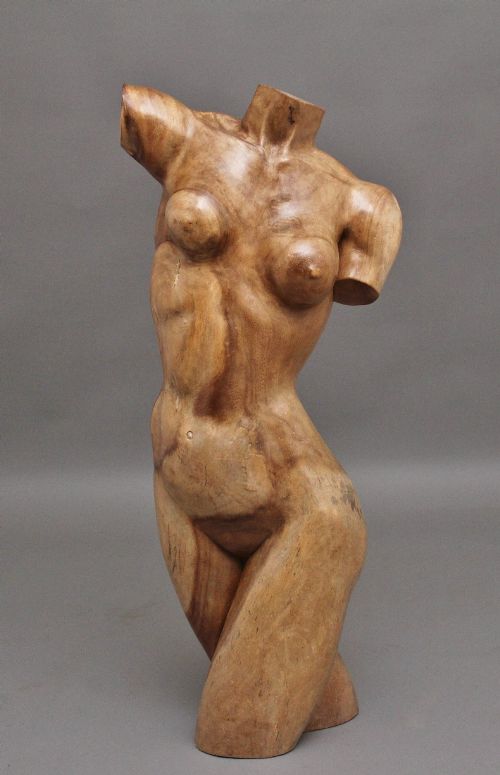
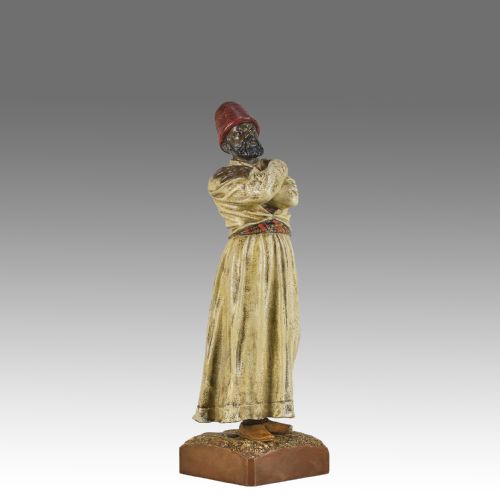
Metal sculptures on this page utilise the lost-wax casting technique for bronze, often finished with cold-painted polychrome pigments or patination to accentuate detail. Marble and wood pieces rely on hand-carving methods, utilising chisel, rasp and polish to achieve smooth flesh tones or intricate drapery.
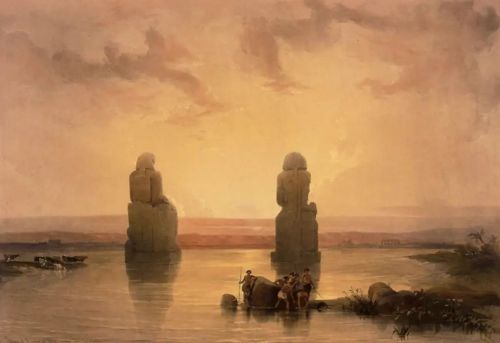
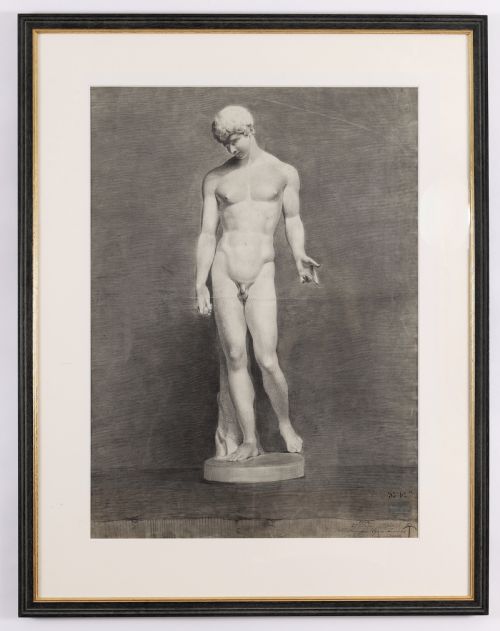
Two-dimensional works combine paper, ink and watercolour or oil on canvas, housed in period wood frames. These graphical and painted records frequently document classical statuary encountered during the Grand Tour or translate sculptural forms into landscape and portrait settings.
Listings feature bronze, marble, wood, paper and glass pieces spanning the nineteenth and early twentieth centuries.
What varies in quality
In carved marbles and woods, excellence shows in the naturalistic rendering of musculature, hair and fabric folds, demonstrating the carver's anatomical precision. Framed prints and drawings distinguish themselves through clear impression lines, well-preserved paper tone and original period framing.
Ferdinand Preiss·Franz Bergman·Jules Dalou·Emile Louis Picault·Antonio Canova·Sir Thomas Brock·Auguste Moreau
The Antique Statue Artwork Glossary
- Cold-painted bronze
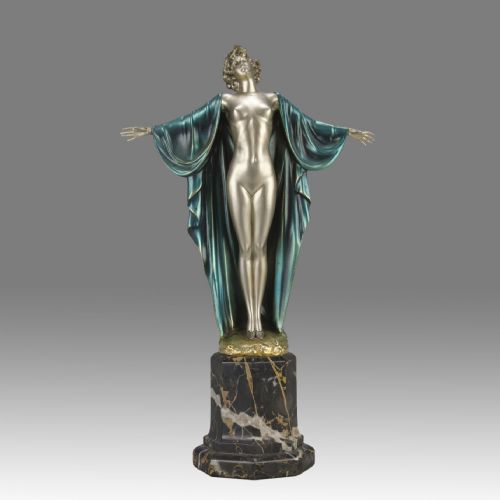
- A technique where bronze sculptures are painted with polychrome oil paints rather than patinated with heat and chemicals. This method was widely used by Viennese foundries in the early twentieth century.
- Grand Tour
- A cultural journey of Europe undertaken by wealthy young men in the eighteenth and nineteenth centuries to study classical art and antiquities. Smaller bronzes, marbles and engravings were collected as souvenirs.
- Lost-wax casting
- A metal casting process where a molten metal is poured into a mould that has been created by means of a wax model. Once the mould is heated, the wax melts away, leaving a cavity for the bronze.
- Okimono
- A Japanese term for a decorative object or small statue placed for display on a household altar or in a room. These figures often depict animals, deities or folk characters carved from wood, ivory or cast in bronze.
- Patination
- The process by which a chemical treatment, age or wear produces a coloured coating or sheen on the surface of bronze. This layer protects the metal and defines the visual depth of the sculpture.
Antique Statue Artwork: Frequently Asked Questions
What is antique statue artwork?
Antique statue artwork encompasses cast bronze figures, carved marble busts, wood carvings and framed depictions of classical sculptures produced across the nineteenth and early twentieth centuries.
These pieces reflect diverse cultural traditions, including European neoclassical sculpture, Asian temple guardians, and framed Grand Tour engravings documenting ancient monuments.
How were bronze sculptures finished?
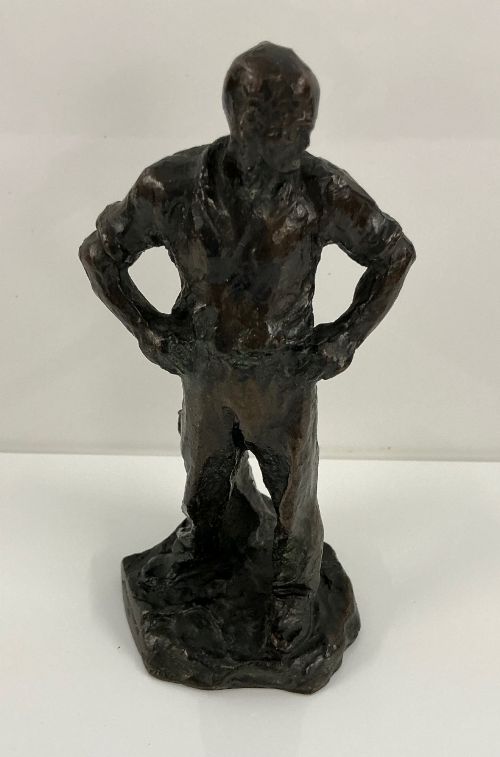
Many nineteenth-century bronzes received chemical patination to create dark brown, green or black surface tones that highlighted the musculature and drapery of the figures. Other pieces utilised cold-painted polychrome pigments applied directly over the metal surface.
Foundries often chased the cooled bronze by hand with chisels and files to sharpen details before applying these finishes.
Where should I display a heavy marble bust?
Marble and monumental stone sculptures require sturdy, level furniture capable of supporting considerable weight without shifting or warping. Placing them away from direct sunlight and temperature fluctuations prevents stress on the stone and internal fixings.
Wall-facing or corner display stands offer secure support for life-size torsos and heavy figural groups.
How do I care for antique bronze figures?
Bronze statues need only occasional dusting with a soft, dry cloth to prevent particulate build-up on the patinated surface. Avoid applying commercial polishes, oils or abrasive cleaners, which can strip the original chemical patination or damage cold-painted pigments.
Keeping the metal in a stable indoor environment protects both the bronze substrate and any internal armature.