


French Neoclassical Art
French neoclassical art gathers classical purity, antique proportions and historical figures into paintings, bronzes and prints.
French Neoclassical Art
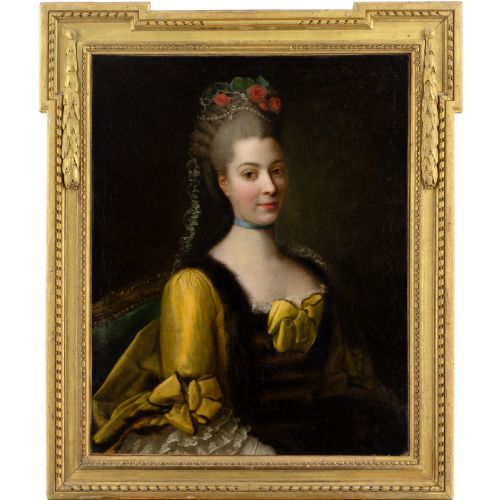
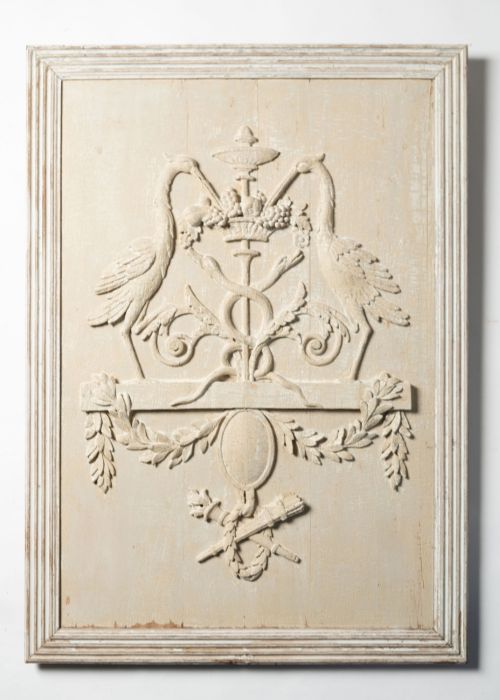
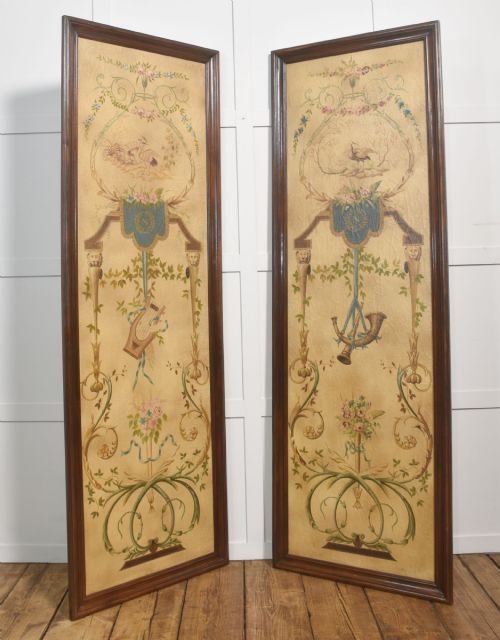
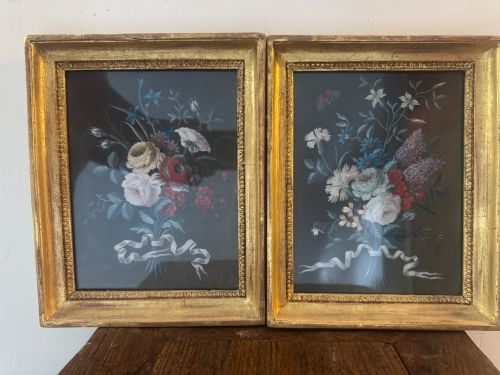
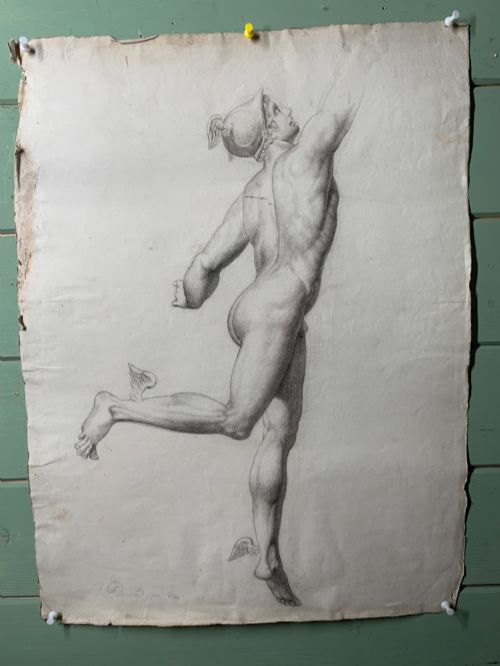
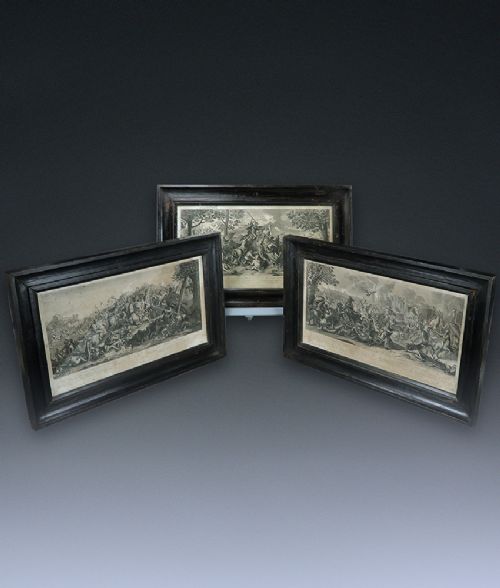
French neoclassical art encompasses wall art, sculptures and decorative objects created across the eighteenth, nineteenth and early twentieth centuries. Pieces range from oil paintings and gouache still lifes to bronze figures, architectural prints and carved wooden panels.
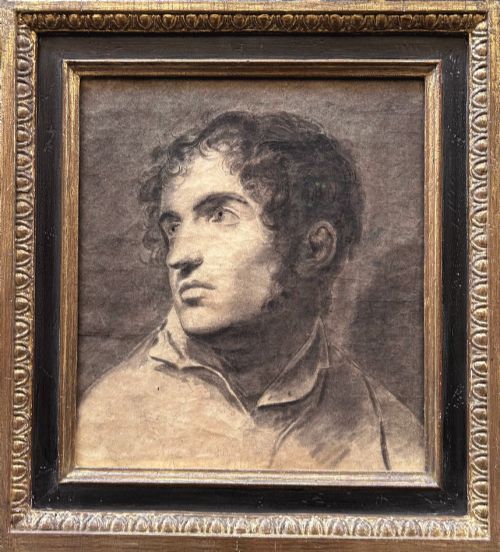
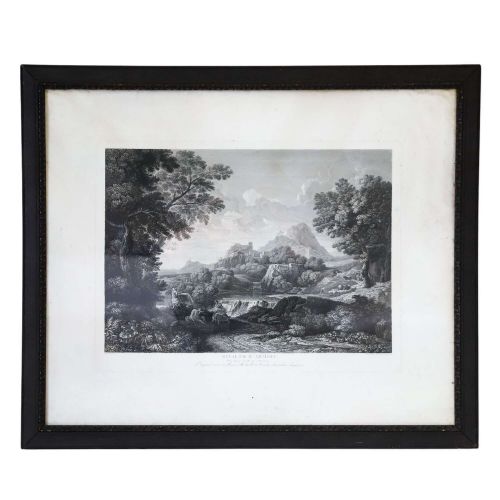
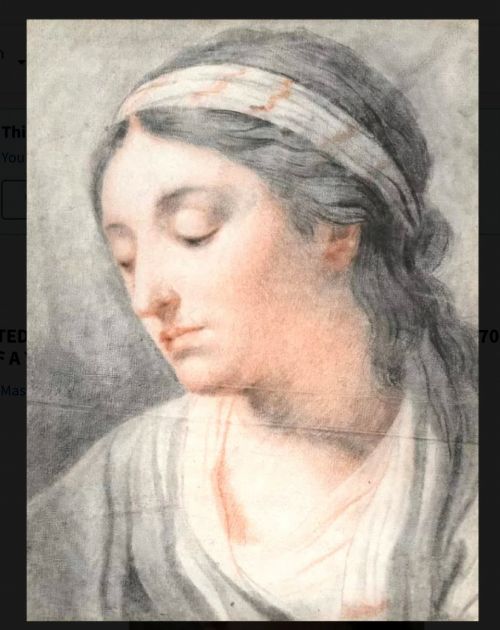
Buyers will encounter portraits from the French School, classical engravings from the Grand Tour period, and revival pieces spanning the Napoleonic era through to the nineteen-thirties. The selection bridges formal academic portraiture and decorative interior elements.
Materials and techniques
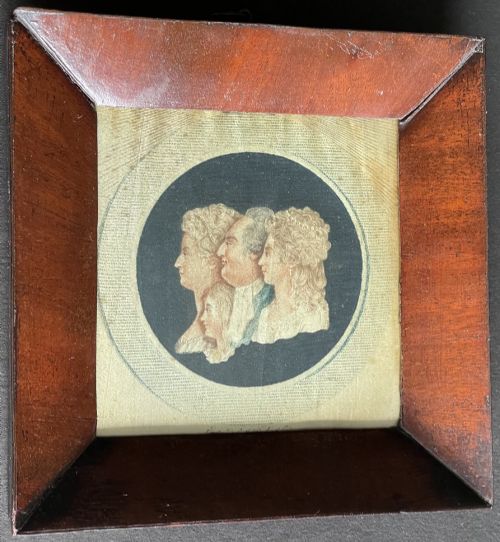
Makers utilised traditional artistic media including oil on canvas, watercolour, gouache, ink and pencil on paper, alongside prints on silk. Engravings and lithographs capture classical mythology and historical scenes with fine line work.
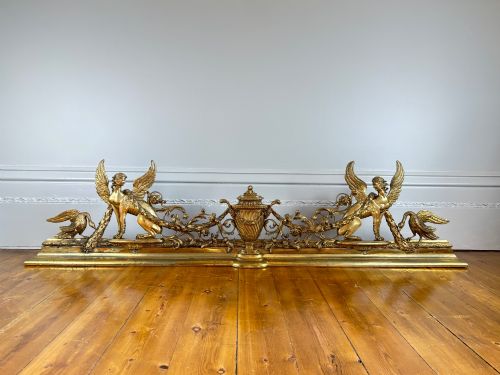
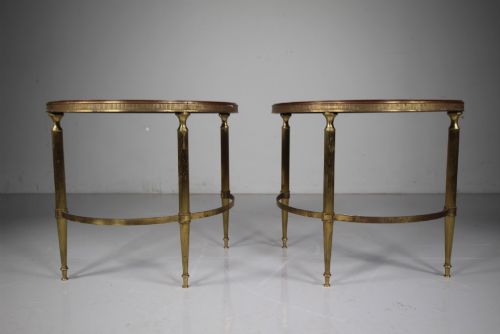
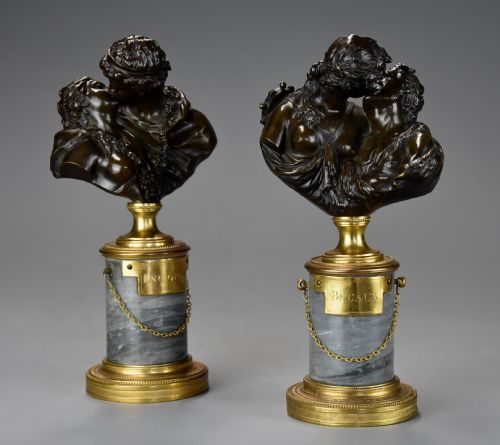
Sculptural works and decorative items employ bronze, dore bronze, brass, frosted glass, onyx and carved wood, often enhanced with gold leaf and giltwood framing to achieve the characteristic classical finish.
Cherubs and nymphs occupy a surprising number of past centuries.
Distinctions in quality
Quality rests upon the execution of the hand, whether in the delicate brushwork of an oil portrait or the crisp casting detail of a bronze figure. Original framing and period mounts elevate the integrity of works on paper and canvas.
Attribution to documented artists or established foundries distinguishes standard decorative pieces from works of historical significance. The depth of the engraving and the clarity of the material define the better examples.
E F Caldwell New York·Maison Bagues·Susse Freres
The French Neoclassical Art Glossary
- Neoclassical
- A style rooted in the revival of classical antiquity, focusing on proportion, symmetry and Greco-Roman themes. It defines the formal vocabulary of these works.
- Grisaille
- A painting executed entirely in monochrome shades of grey or neutral grey-blue, often used to emulate sculpture or decorative panels. It tests the artist's command of tone.
- Dore bronze
- Bronze objects treated with a mercury gilding process to impart a rich gold surface. This technique produces a lasting, luminous finish found on finer decorative hardware.
- Grand Tour
- The traditional journey of Europe undertaken by upper-class young men to absorb classical culture. Souvenirs included engravings and small bronzes collected along the route.
- Trompe l'oeil
- An artistic technique designed to deceive the eye with three-dimensional optical illusions. It appears frequently in decorative panels and ceiling paintings.
French Neoclassical Art: Frequently Asked Questions
What subjects do these artworks feature?
These pieces predominantly depict mythological figures, classical deities, historical scenes and formal portraits of women and gentlemen. Mythological narratives involving figures like Cupid and Psyche appear frequently across paintings and prints.
Architectural landmarks and classical allegories also form a core subject matter, reflecting the period's obsession with ancient Greece and Rome.
How do I date a piece?
Dating relies on stylistic markers, framing techniques and recorded periods such as the eighteenth century or the Napoleonic era. Signatures, inscriptions and foundry marks offer direct chronological evidence.
Paper quality, plate marks on engravings and the composition of bronze alloys provide additional clues for establishing the era of creation.
Where were these pieces originally displayed?
Paintings and large engravings typically hung within formal drawing rooms, libraries and grand salons of European residences. Smaller bronzes and decorative panels adorned mantelpieces, side tables and cabinets.
Grand Tour engravings and prints were often compiled into portfolios or framed specifically for domestic display by returning travellers.
How do I care for works on paper?
Works on paper, watercolours and prints require protection from direct sunlight to prevent fading of inks and watercolours. Framing should utilise acid-free mounts and UV-filtering glass to preserve the medium.
Maintaining stable humidity levels prevents warping of the paper and protects fragile original frames from degrading.