


Framed Monochrome Art
Framed monochrome art encompasses centuries of historic portraiture, delicate etchings and detailed anatomical engravings rendered in ink, graphite and charcoal.
Framed Monochrome Art
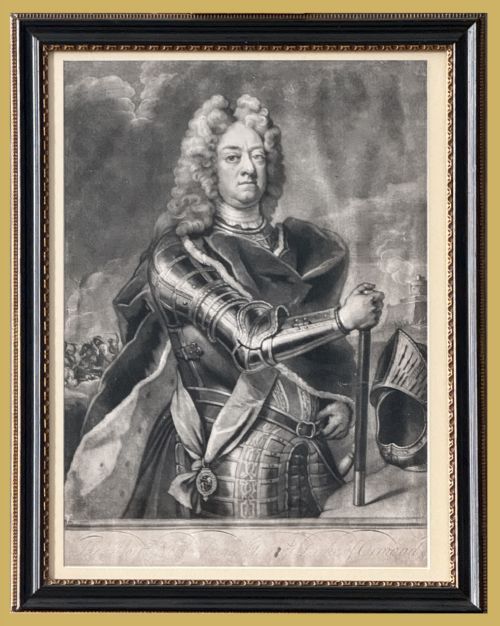
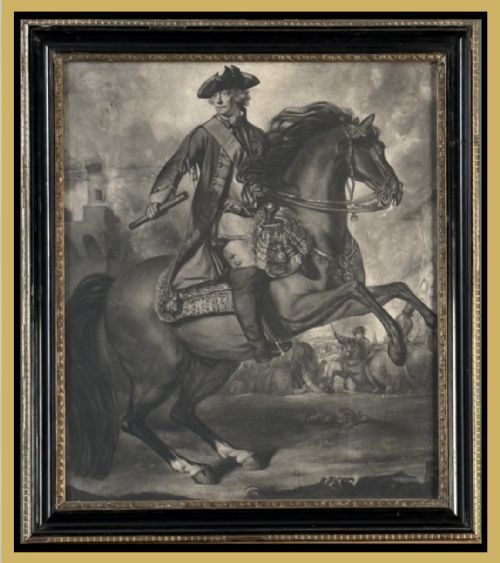
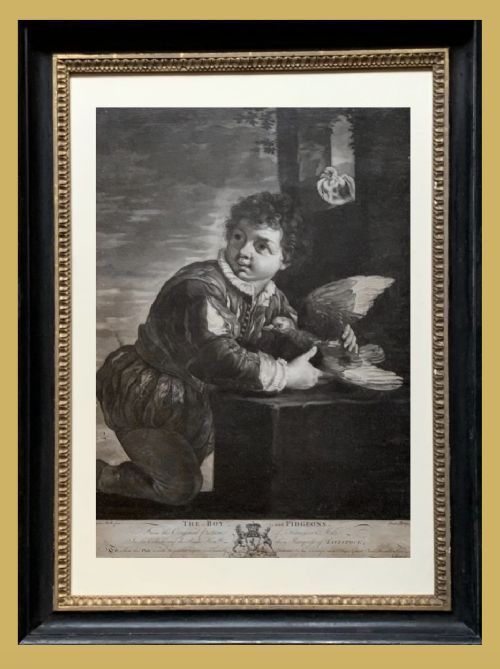
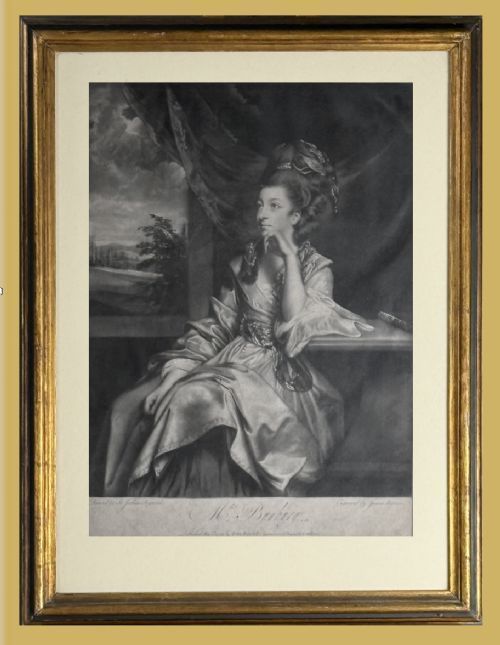
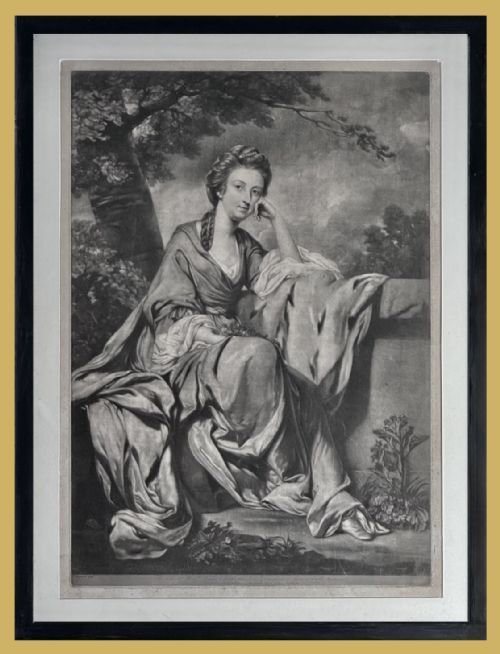
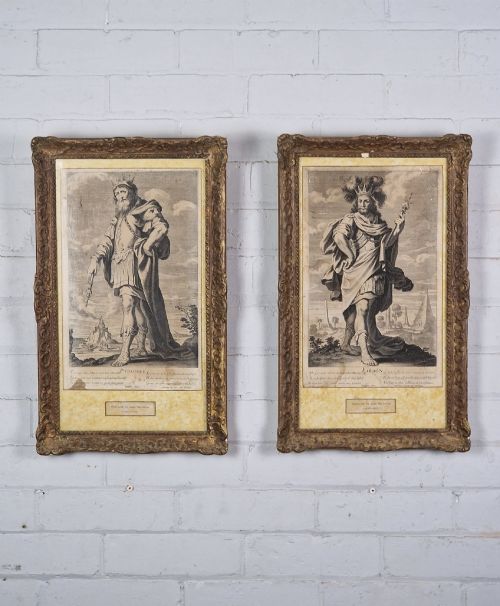
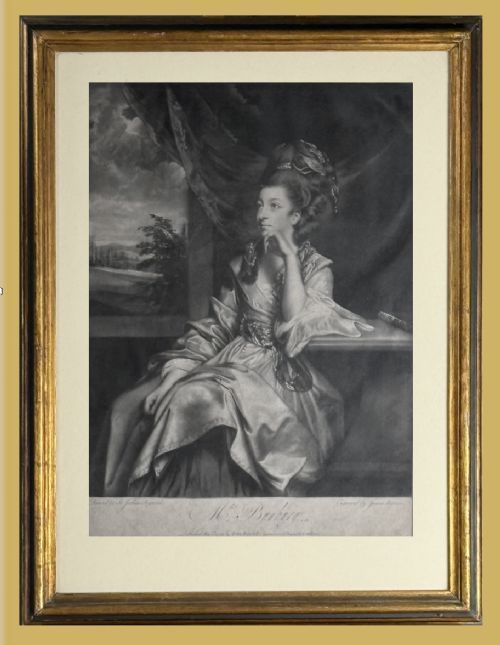
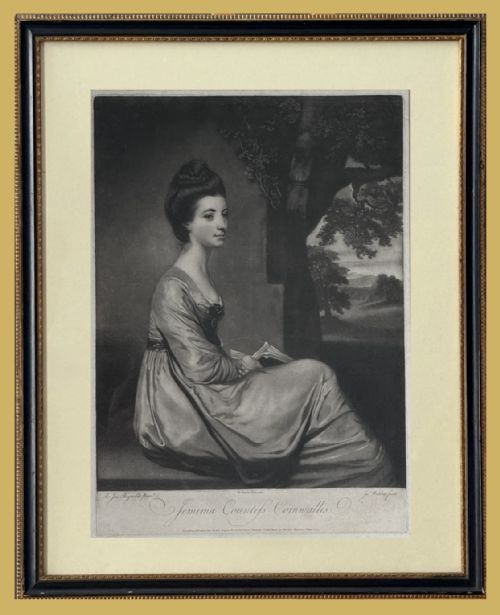
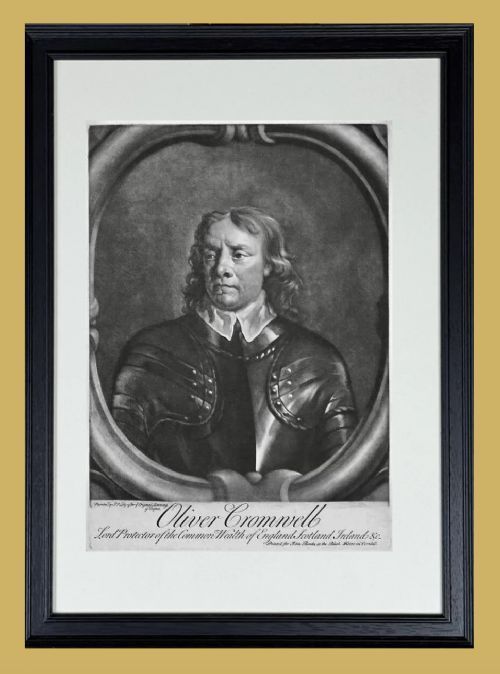
When browsing framed monochrome art, buyers encounter a dense selection of historic graphic works spanning from the seventeenth century through the early twentieth century. These pieces predominantly take the form of portrait mezzotints, detailed engravings and pencil or ink drawings.
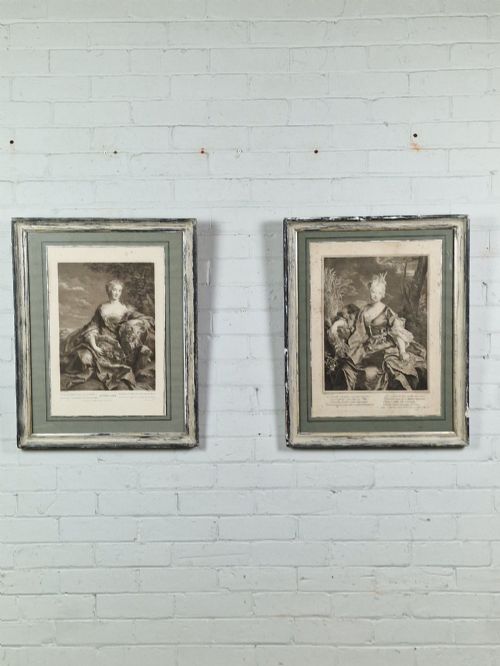
The core of the selection relies heavily on eighteenth-century British and French printmaking traditions. Portraiture after renowned painters such as Sir Joshua Reynolds and Sir Peter Lely dominates the visual landscape alongside architectural plates and rural landscapes.
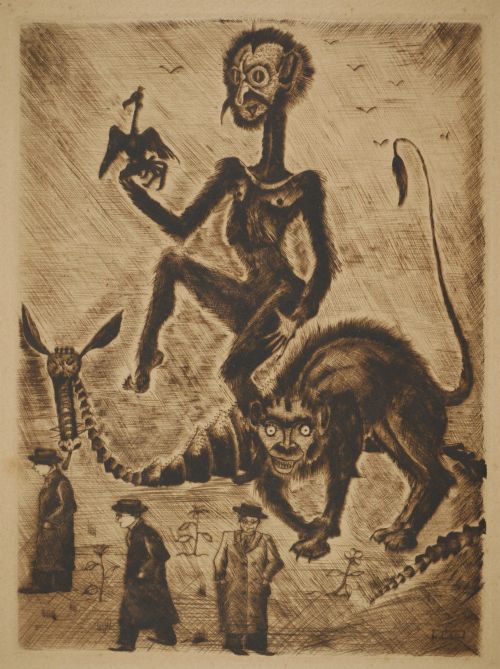
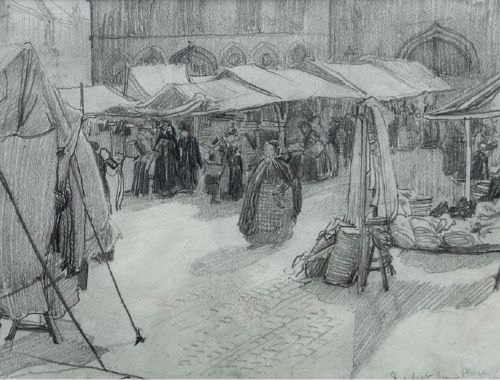
Works range from large decorative wall prints housed in oak frames to intimate surrealist etchings and charcoal sketches. The overarching thread across these varied objects is the absence of polychrome colour, relying entirely on tone, line and shadow.
How they were made
The creation of these works relies on fundamental graphic mediums such as ink, graphite, charcoal and drypoint applied directly to paper. Mezzotints and engravings utilise metal plates worked by hand to hold ink, producing rich gradations of tone when pressed.
Framing is an integral component of the physical construction, frequently utilising wood, glass, and occasional gilt or gold leaf accents. These protective enclosures preserve delicate paper supports against environmental degradation over centuries.
Materials recorded across the selection include paper, glass, wood, ink, gold leaf, gilt wood and graphite.
What varies in quality
Quality separates through the clarity of the plate impression and the depth achieved in tonal variation. Early impressions from mezzotint and engraving plates capture fine details sharply, whereas worn plates yield muddied shadows and softened lines.
The integration between the artwork and its period housing contributes significantly to the overall standard. Original framing materials, including period wood and glass, elevate the integrity of the piece compared to later replacements.
John Simon·Edward Fisher·Kurt Lorein Victor Peiser·John Boydell·James Watson·Henry Percy Huggill·Jean Mariette·John Smith·Thomas Murray·Sir Peter Lely·Sir Godfrey Kneller·Andrew Bell·John Faber Snr·Thomas Frye·James Heath·Kurt Meyer-Eberhardt·Herbert Dicksee·Fred Lawson
The Framed Monochrome Art Glossary
- Mezzotint
- A printmaking process where the copper plate is roughened uniformly to produce rich dark tones and subtle gradations of light. This technique allows for remarkably smooth tonal transitions without reliance on harsh lines.
- Drypoint
- An intaglio printmaking method where an image is scratched directly onto a metal plate with a sharp needle. This process raises a delicate ridge of metal called a burr, which holds ink to create velvety, soft-edged lines.
- Engraving
- A technique involving cutting designs directly into a hard metal plate using a burin tool. The resulting lines are precise and clean, holding ink securely for sharp impressions.
- Gilt wood
- Wood coated with a thin layer of gold leaf or gold paint. This material is frequently found on traditional decorative picture frames from the eighteenth and nineteenth centuries.
Framed Monochrome Art: Frequently Asked Questions
What is a mezzotint portrait?
A mezzotint portrait is a print created by roughening a metal plate to hold ink, producing deep shadows and smooth highlights. This method was widely utilised in the seventeenth and eighteenth centuries to reproduce grand oil paintings.
These prints capture the likenesses of nobility, statesmen and cultural figures with remarkable tonal depth. They served as prestigious wall decorations in historic domestic interiors.
How do I date an antique engraving?
Dating an antique engraving typically relies on the paper type, plate marks, typography used for inscriptions and historical records of the sitter or subject. Stylistic clues within the clothing and hair of portrayed subjects also offer reliable chronological markers.
Many prints bear publication dates inscribed directly beneath the image alongside the names of the artist and the printmaker. Examining these details helps place the piece within a specific century.
Can I hang monochrome art in direct sunlight?
Monochrome works executed on paper using ink, pencil or charcoal are highly sensitive to ultraviolet light. Direct sunlight causes paper to yellow and fading to occur within the delicate grey and black tones.
Protecting these pieces requires hanging them away from direct sunlight and utilising specialist glazing where possible. Proper framing keeps the paper stable and shielded from ambient moisture.
What is the difference between an etching and an engraving?
An engraving is created by cutting lines directly into metal with a sharp tool, resulting in precise and rigid strokes. An etching relies on acid to bite lines into a metal plate covered with a protective ground, producing a freer and more fluid line quality.
Both techniques result in durable monochrome prints that were often framed for wall display. Etchings frequently show softer line characteristics compared to the crisp geometry of formal engravings.