




Early 19th Century Lighting
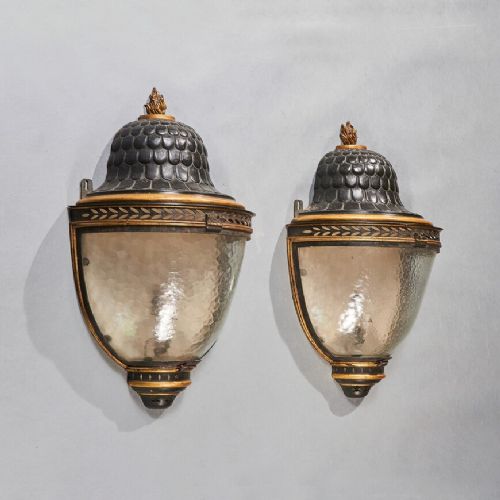
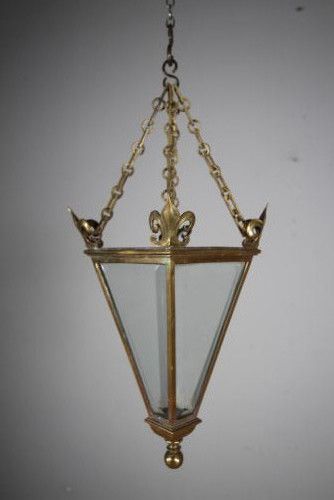
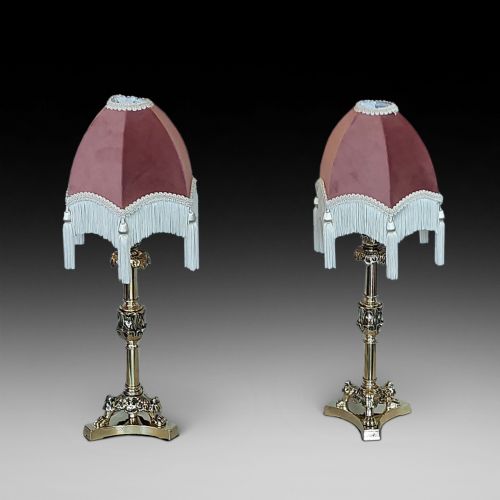
Early 19th century lighting comprises candelabra, wall lanterns and candlesticks forged in bronze, brass and ormolu that illuminate a room with period weight and presence.
Early 19th Century Lighting
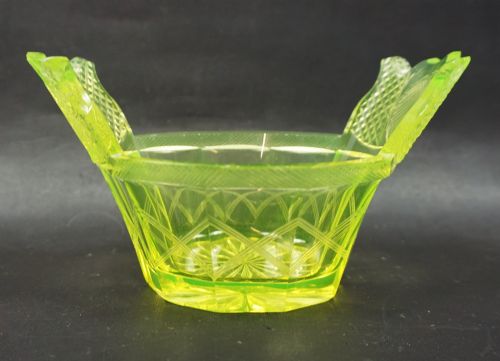
Early 19th century lighting encompasses functional and decorative pieces designed to burn candles or hold oil during the Georgian, Regency and French Empire eras. Buyers searching for early 19th century lighting will find candlesticks, multi-light candelabra, chamber candlesticks and wall lanterns originating from British, French, Swedish and Bohemian workshops.
The pieces appearing most frequently on this page are pairs of bronze and ormolu candelabra alongside solid brass candlesticks. Many survivors from this period have subsequently been adapted for electricity while retaining their original metalwork bodies and proportions.
How they were made
Makers utilised lost-wax casting for bronze and brass components, producing crisp figural details and structural mounts that were frequently highlighted with mercury gilding or ormolu. Turned wood, cut glass and Sheffield plate also appear across the listings, showing a reliance on traditional manual lathe work and metal plating.
The assembly of candelabra and candlesticks involved fitting multiple cast sections together with threaded rods or pins. Surface chasing and patination completed the metalwork, while glass elements relied on free-blowing or mould-pressing techniques typical of early nineteenth-century production.
Materials across these lighting entries feature bronze, ormolu, brass, Sheffield plate, cut glass and turned walnut.
What varies in quality
The weight of the cast metal and the balance of the overall silhouette separate finer production from standard workshop output. Heavier gauge brass and deeply worked bronze distinguish pieces made for elite continental interiors from domestic utilitarian items.
Rabiat·Messenger·Wilson
The Early 19th Century Lighting Glossary
- Ormolu
- Gilded bronze produced by applying a mixture of gold and mercury to a cast bronze object before heating. The process creates a rich, matte yellow gold finish characteristic of French Empire and Regency metalwork.
- Candelabra
- A branched lighting fixture designed to hold multiple candles simultaneously. These pieces often feature a central stem rising from a decorated base with symmetrical arms extending outward.
- Chamber candlestick
- A low-profile candle holder fitted with a wide saucer-shaped base and a looped handle. Designed for carrying safely through dark corridors at night.
- Sheffield plate
- A composite material made by fusing a thin sheet of silver onto a thicker copper base. It predates electroplating and appears on domestic metalware from the Georgian period.
- Tole peinte
- Painted tinplate used for decorative canisters and wall lanterns. The painted surface often depicts floral motifs or dark lacquer finishes.
Early 19th Century Lighting: Frequently Asked Questions
Can these antique lamps be used safely today?
Most electrified pieces on this page utilise modern internal wiring housed within historical bodies, but professional testing is recommended before daily use.
Original candle holders can also burn standard tapers without modification if placed on stable, heat-resistant surfaces.
How do I identify French Empire lighting?
French Empire pieces typically combine dark patinated bronze with bright fire-gilt ormolu, featuring classical motifs such as dolphins, swans and military trophies.
Their heavy cast construction and architectural symmetry reflect the dominant neoclassical aesthetic of the early nineteenth century.
Were these candlesticks originally made for electricity?
None of these pieces were manufactured for electrical power, as domestic electricity did not exist during the periods represented here.
Many surviving candlesticks and lamps have been professionally converted to electricity by running cords through the central bore without destroying the metal.
How should I clean antique ormolu and bronze?
Bronze and ormolu require gentle dusting with a dry microfibre cloth to prevent the accumulation of abrasive grit.
Water and chemical cleaning agents should be avoided entirely, as moisture strips fragile gilding and accelerates corrosion on exposed base metals.