
Ormolu Accent Lamps
These ormolu accent lamps bring a distinct nineteenth-century French brightness to a room, cast in heavy gilt bronze and brass.
Ormolu Accent Lamps
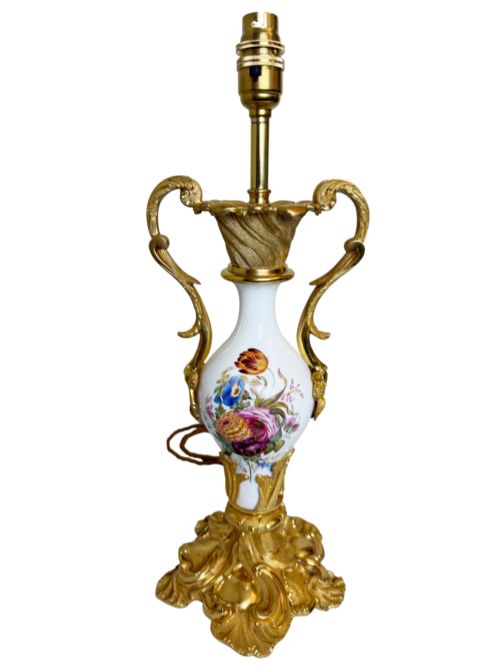
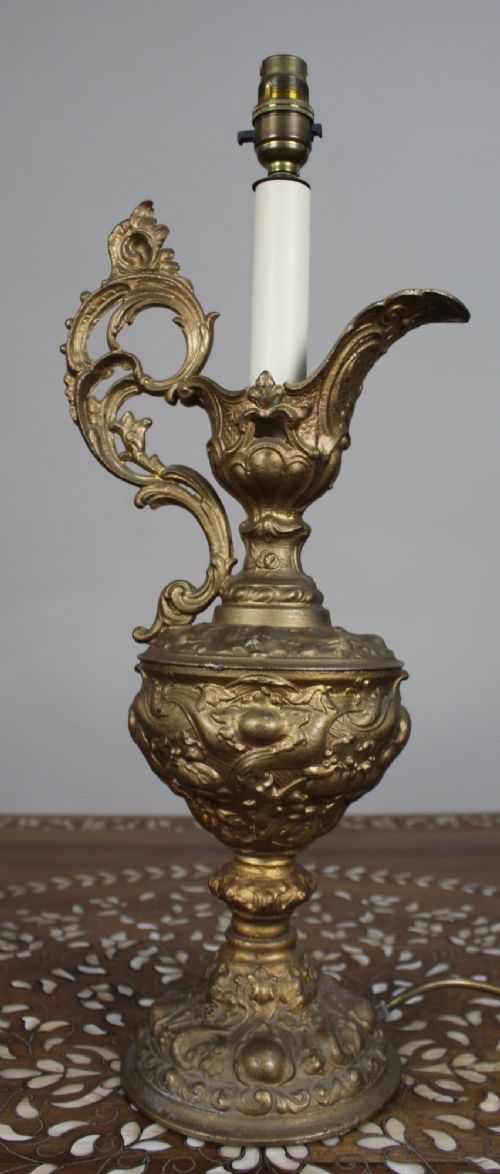
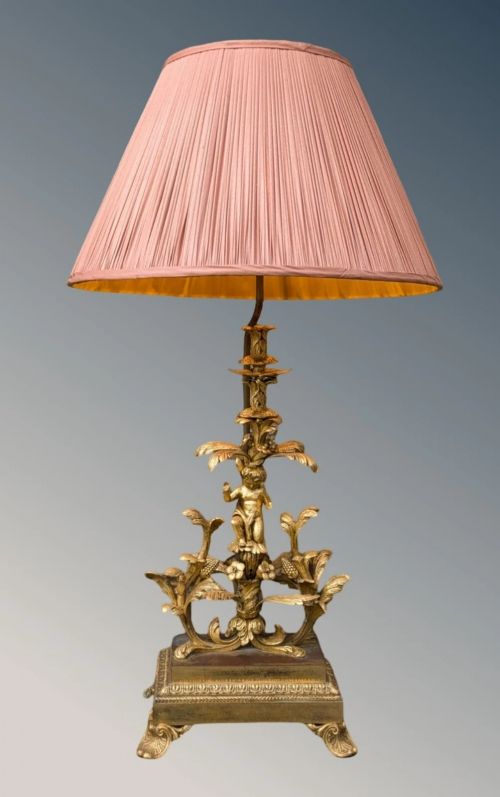
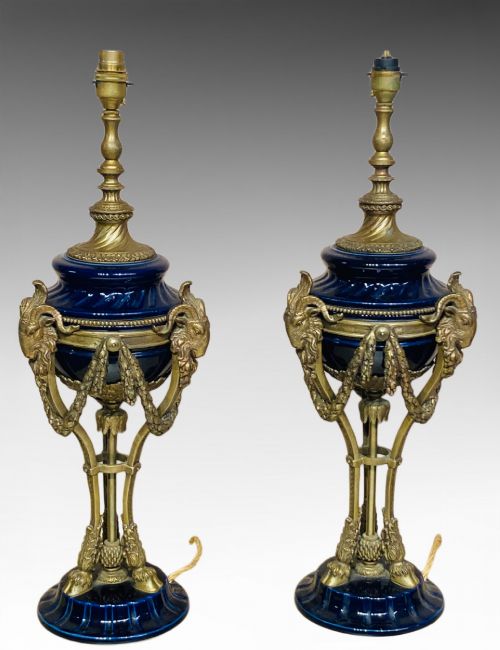
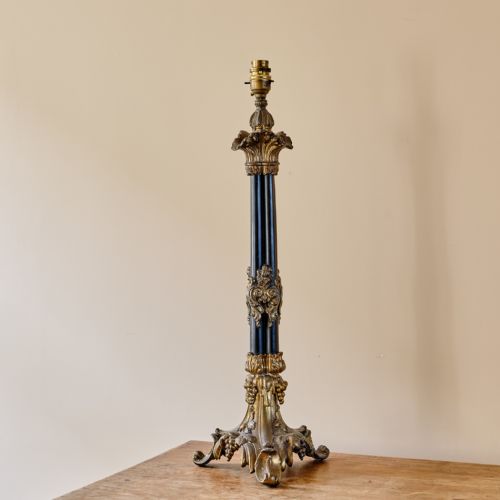
When you search for ormolu accent lamps, you find nineteenth-century lighting pieces shaped by revivalist tastes, particularly Louis XV and French Empire styles. The examples on this page mix functional illumination with decorative metalwork, often taking the form of table lamps mounted with gilt bronze.
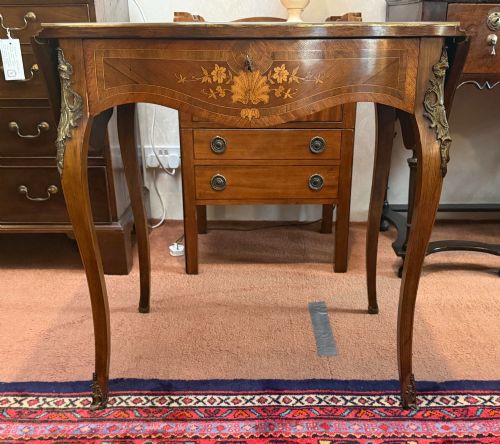
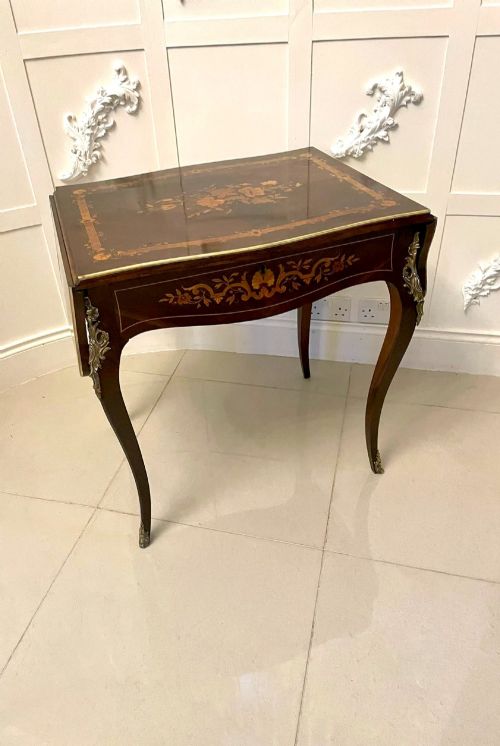
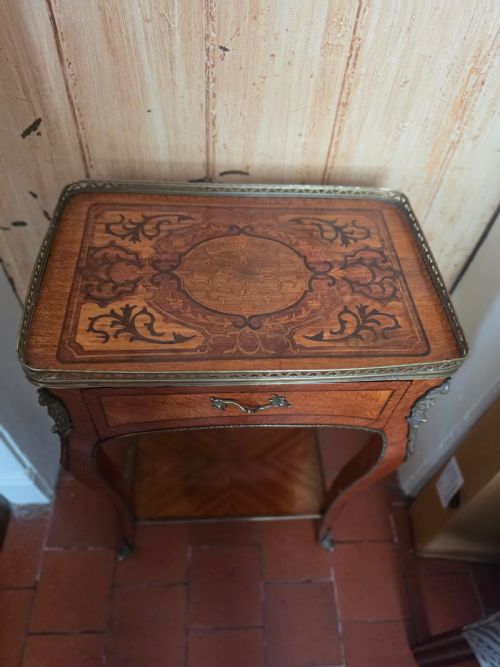
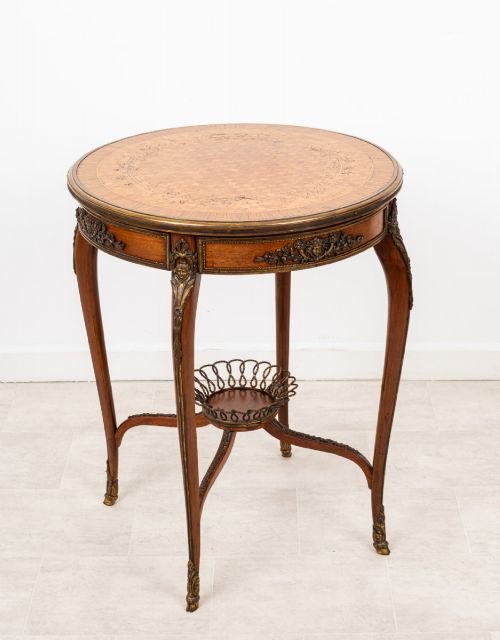
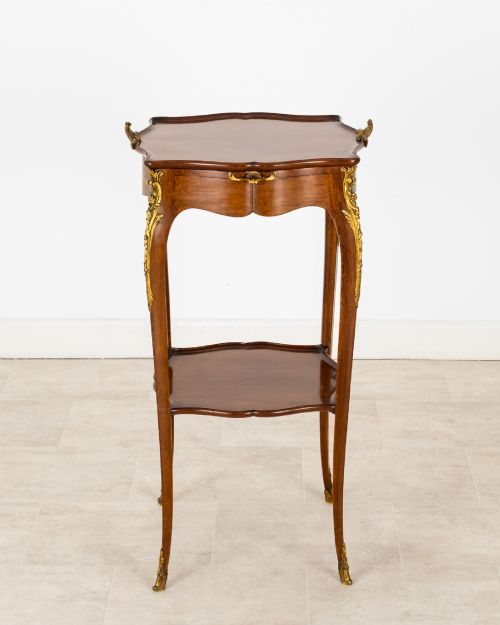
Most pieces date from the nineteenth century, ranging from the eighteen-fifties to around nineteen-ten. They frequently appear alongside occasional tables and side tables that share the same French decorative vocabulary.
What varies in quality
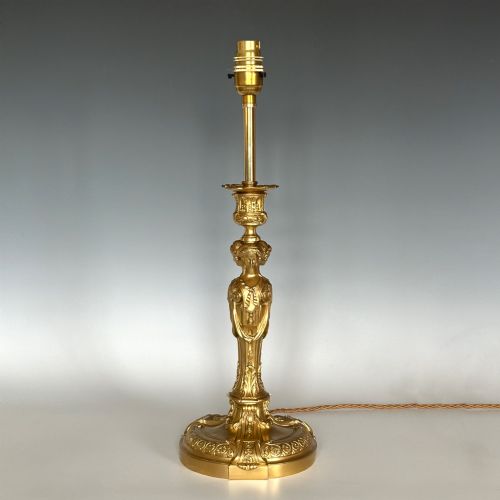
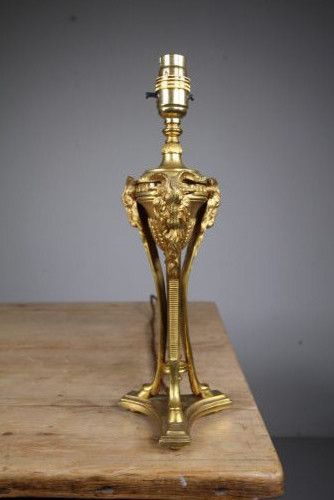
Quality rests in the crispness of the bronze casting and the depth of the gilding. Finer pieces show sharp detail in the chasing, where floral motifs and animal heads maintain clean edges rather than soft definition.
The choice of body materials also dictates the standard of the piece, with genuine marble, onyx, and hand-painted porcelain bodies holding greater weight and presence than simpler metallic constructions.
The documented dates span from eighteen-fifty through nineteen-forty, with a strong concentration in the late nineteenth century.
François Linke·Gillows
The Ormolu Accent Lamps Glossary
- Ormolu
- Gilded bronze, produced by applying a mercury-gilding process to cast bronze objects. It provides the bright, metallic finish seen on nineteenth-century French lighting.
- Gilt Bronze
- Bronze that has been coated with a thin layer of gold. It serves the same decorative purpose as ormolu.
- Louis XV Revival
- A nineteenth-century design movement mimicking the asymmetrical curves and organic motifs of the mid-eighteenth-century French court. It dominates many of these lamp designs.
- Gueridon
- A small French round table, often used to hold lamps or decorative objects. Several examples share space with the lighting listings here.
- Marquetry
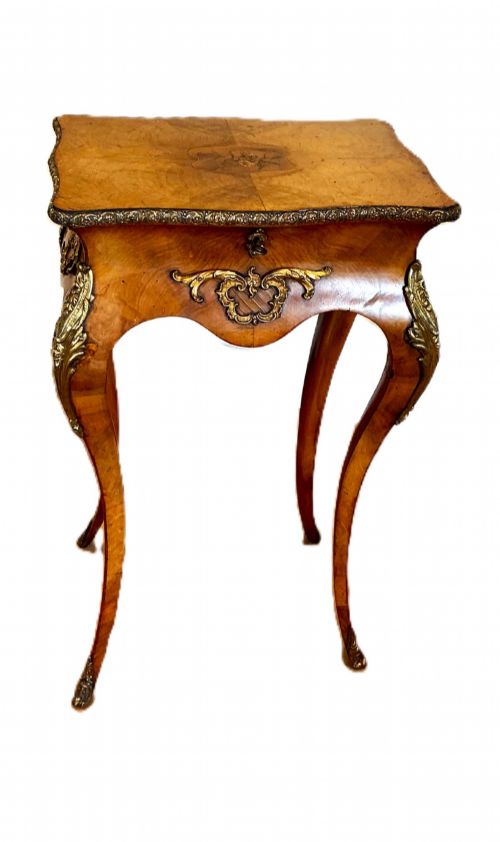
- Inlaid wood veneers arranged in decorative patterns on table surfaces. It frequently accompanies the metal mounts on related furniture.
Ormolu Accent Lamps: Frequently Asked Questions
What periods do these lamps come from?
The listings span the nineteenth century and the early twentieth century, with dates concentrated around eighteen-eighty to nineteen-ten. They capture periods of revivalist enthusiasm in France.
You will find pieces marked by specific historicism, such as the Louis XV and Empire styles, reflecting the design revivals popular across Europe during that era.
How do I identify French Empire style?
French Empire pieces favour classical symmetry, military motifs, and restrained ornamentation compared to the earlier rococo styles. They often incorporate architectural shapes and dark woods.
On this page, Empire style appears in both tables and lamp bases, showing a preference for clean geometric lines and structured mounts.
Are these lamps usually part of a pair?
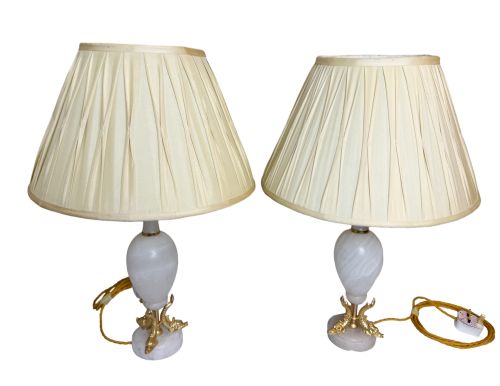
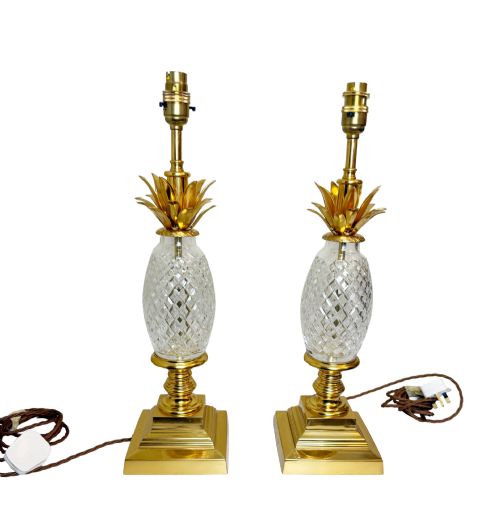
Many listings appear as single lamps, though pairs do occur among the available selection. Pairs often feature matching stone or crystal bodies with identical gilt bronze mounts.
When buying for symmetry on a sideboard or table, checking whether the piece is solitary or part of a matched set is essential.
What materials accompany the ormolu?
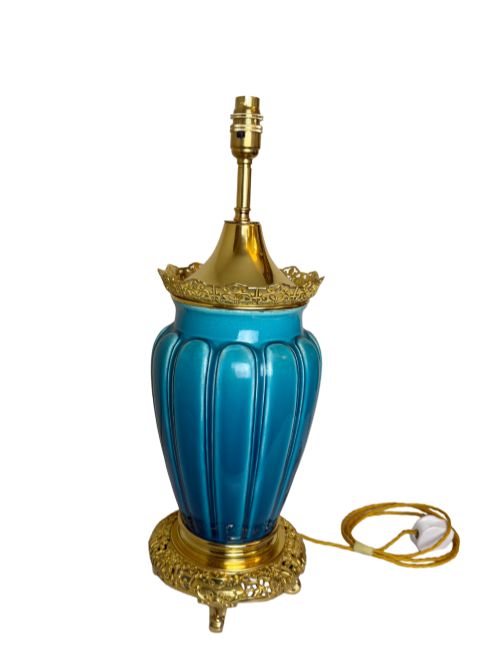
Ormolu and gilt bronze are paired with various support materials, including white marble, green onyx, turquoise porcelain, and cut crystal. These materials form the central column or body of the lamp.
In associated furniture, walnut, mahogany, and exotic veneers like kingwood and rosewood provide the primary wooden structures.