
Vintage Bronze Desk Lighting
Vintage bronze desk lighting brings functional illumination and sculptural weight to a workspace, drawing on nineteenth- and twentieth-century design.
Vintage Bronze Desk Lighting
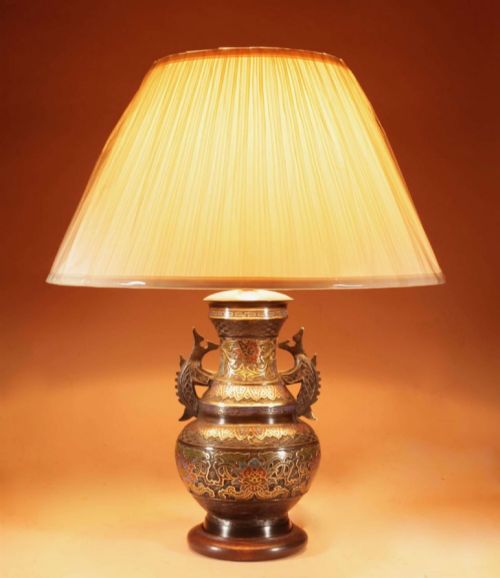
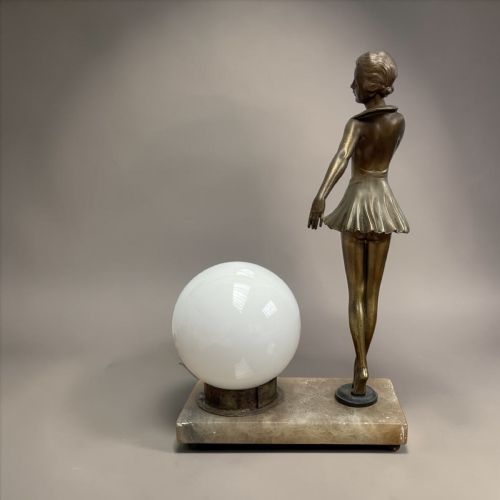
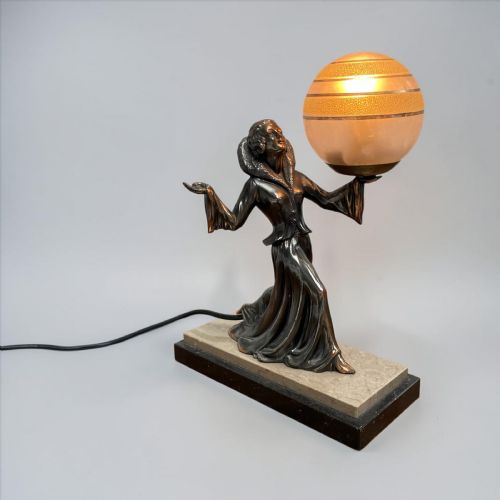
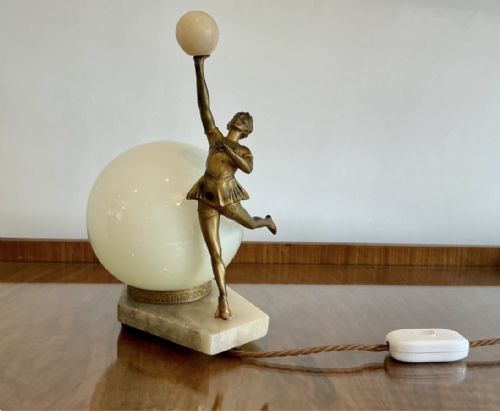
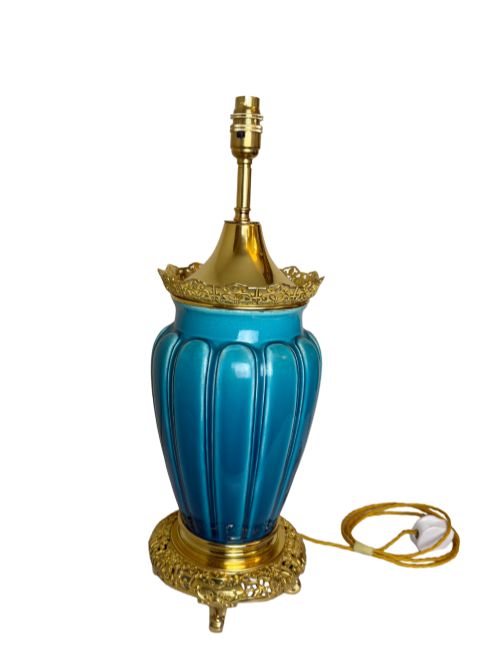
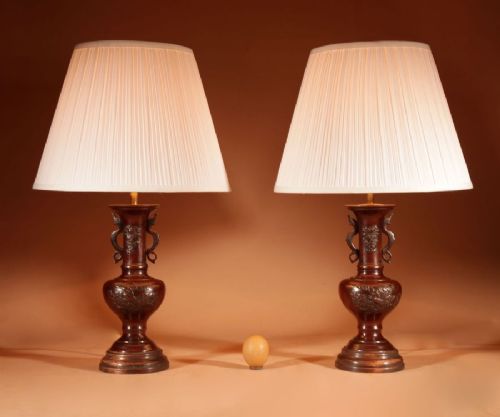
When you search for vintage bronze desk lighting, you encounter table lamps, desk lamps, lamp bases, and desk accessories formed from metal and mixed media. The examples found here span from the late nineteenth century through to the Art Deco period, incorporating styles such as French Neoclassical, Art Nouveau, and Chinoiserie.
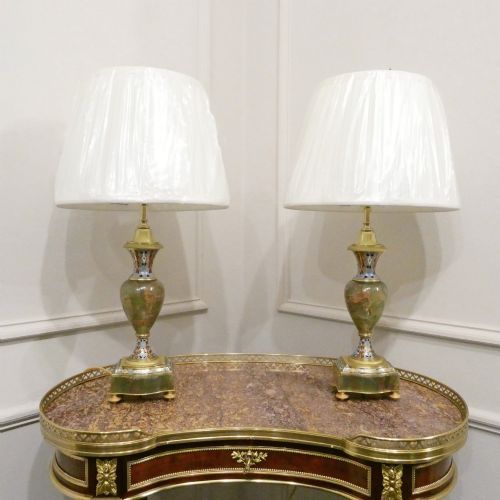
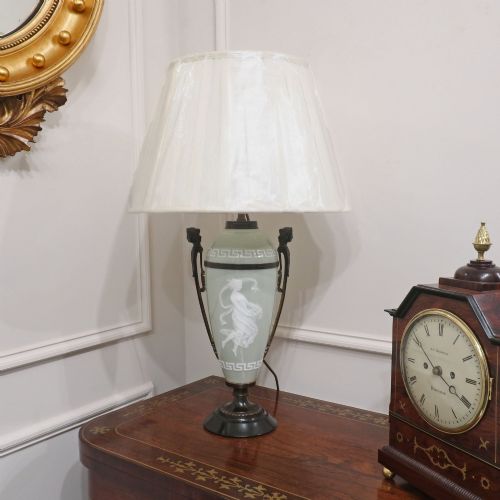
The most common versions on this page pair cast metal foundations with decorative elements like marble, onyx, porcelain, and fabric shades. Many pieces originate from French and Japanese workshops, reflecting periods of intensive decorative arts production in the 1800s and early 1900s.
Materials and construction
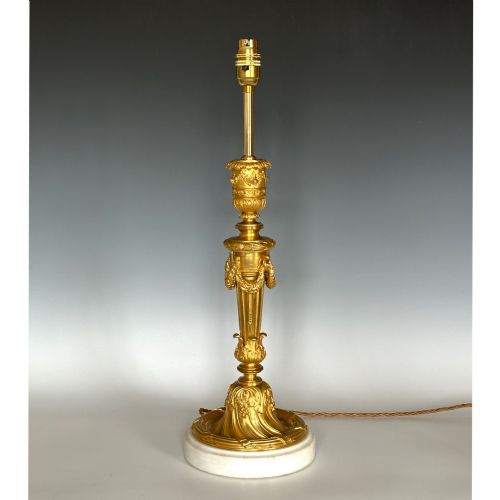
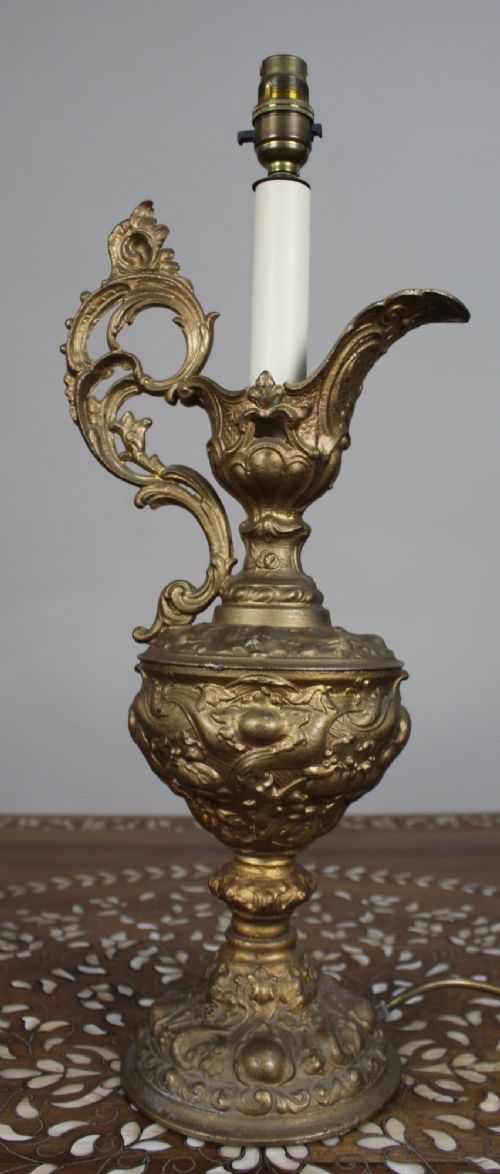
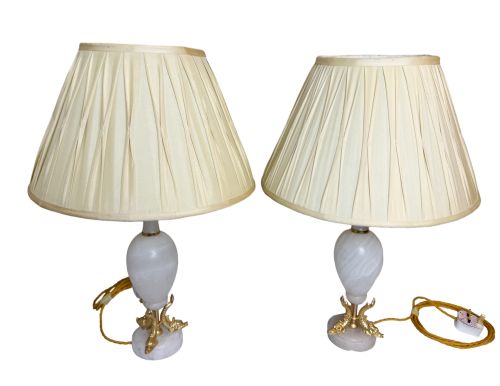
The primary structural material is bronze, often supplemented by brass, gilt bronze, ormolu, and patinated metal. Workshops frequently combined these metals with stone elements such as marble and onyx, creating weighted bases that supported varied lamp designs.
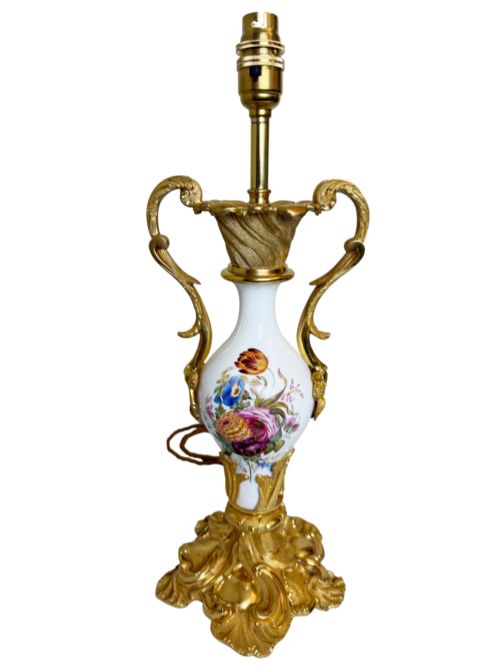
Surface decoration involved chasing, gilding, and enamelling techniques like champlevé, alongside porcelain inserts and glass cabochons. These methods required skilled metalworkers and ceramicists working in tandem during the nineteenth and early twentieth centuries.
Several lamps feature sculpted dogs and parrots keeping watch over the desk.
Assessing the craftsmanship
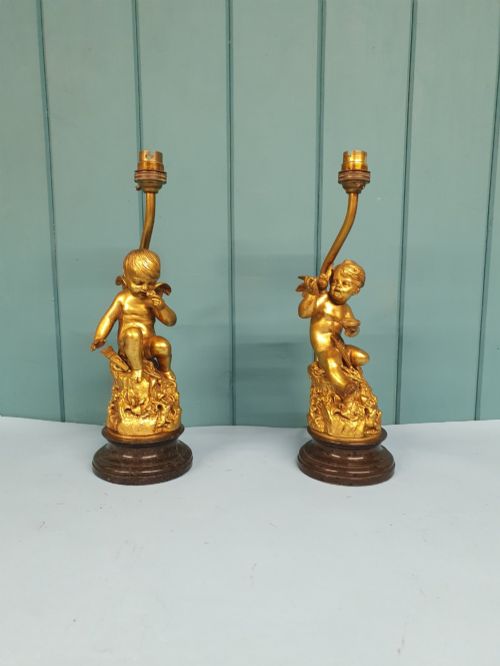
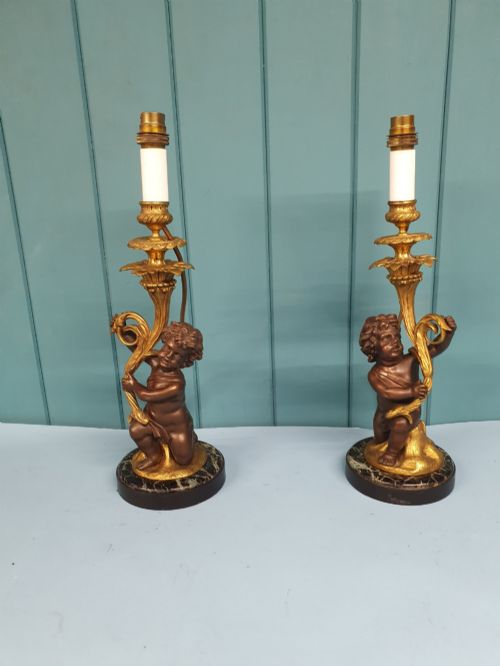
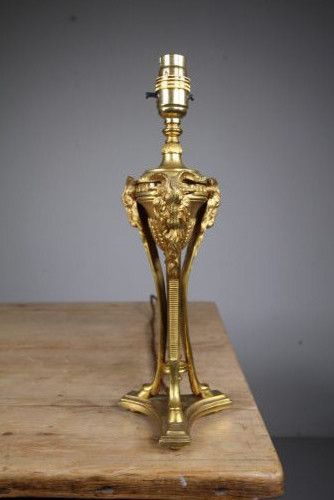
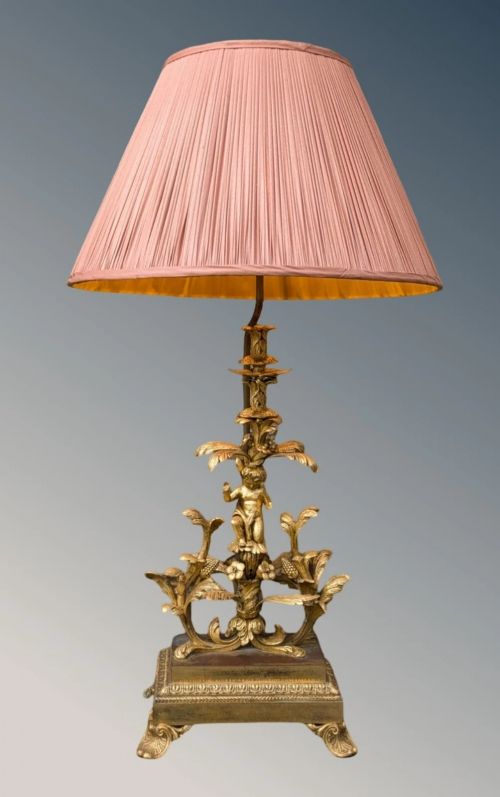
The standard of a piece rests upon the crispness of the metal casting and the depth of the chasing work on the bronze or ormolu surface. Finer examples display sharp anatomical details on figurative elements like cherubs or animals, while simpler pieces exhibit softer lines.
The integration of secondary materials, such as fitted porcelain panels or natural stone mounts, dictates the overall refinement of the object. Heavier, more substantial metalwork combined with high-grade mineral components separates the exceptional items from standard production.
Georges Leleu
The Vintage Bronze Desk Lighting Glossary
- Ormolu
- Gilded bronze, typically produced using a mercury amalgamation technique on nineteenth-century French decorative objects. This finish gives a warm, golden sheen to metal mounts.
- Champlevé
- An enamelling technique where troughs are dug into the bronze surface and filled with vitreous paste before firing. It creates colourful patterns across Japanese and European pieces.
- Spelter
- A zinc alloy used as a cost-effective substitute for bronze in decorative metalwork, frequently painted to resemble patinated bronze during the Art Nouveau period.
- Patinated metal
- Metal treated with chemicals or heat to produce a stable surface colour, ranging from deep brown to verdigris. This finish protects the underlying material while altering its visual tone.
- Pate sur pate
- A ceramic decorating method where successive layers of liquid white porcelain slip are applied to a coloured body to create a low-relief cameo effect.
Vintage Bronze Desk Lighting: Frequently Asked Questions
How do I date these lamps?
Dating relies on stylistic markers, manufacturing techniques, and material combinations typical of specific decades. Pieces reflect the aesthetic shifts from nineteenth-century revival styles to twentieth-century Art Deco forms.
Examining the mounting hardware, wiring channels, and casting methods provides further clues to the period of manufacture.
What is the difference between bronze and ormolu?
Bronze is a copper and tin alloy used for the primary structure and casting of the lamp body. Ormolu specifically refers to gilt bronze, where a layer of gold is applied to the metal surface.
Most antique desk lighting combines both, using patinated bronze for contrast against the gilded ormolu mounts.
How do I care for antique bronze?
Maintain the surface by dusting gently with a soft, dry cloth to prevent the accumulation of dirt in the recesses of the casting. Avoid chemical cleaners and polishes, which can strip the original patina or damage the gilt layers.
Keep the pieces away from direct sunlight and excessive moisture to preserve the metal and any integrated stone or porcelain elements.
Are these lamps suitable for modern desks?
These pieces function well on modern desks, providing both task lighting and sculptural presence. Their varied sizes and forms fit well into diverse workspace layouts.
Ensure that any antique lamp is inspected by a qualified electrician to confirm the wiring meets current safety standards before daily use.