
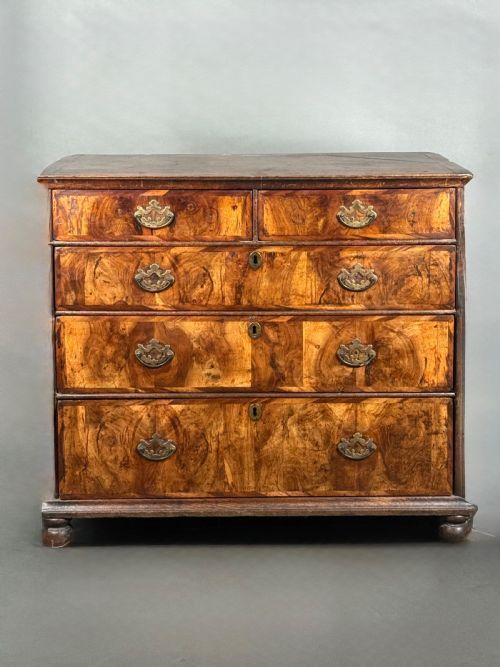
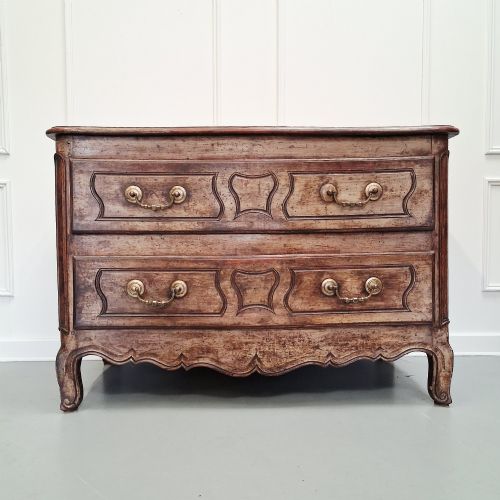
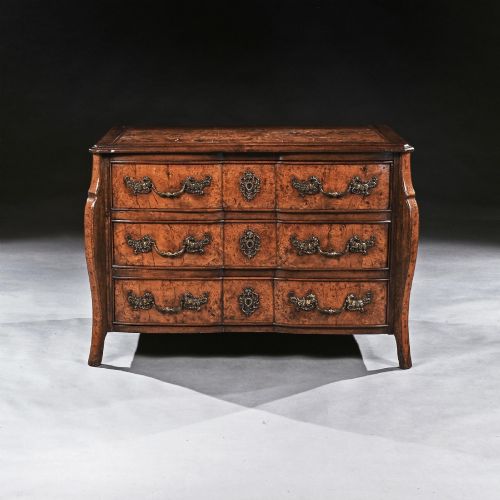
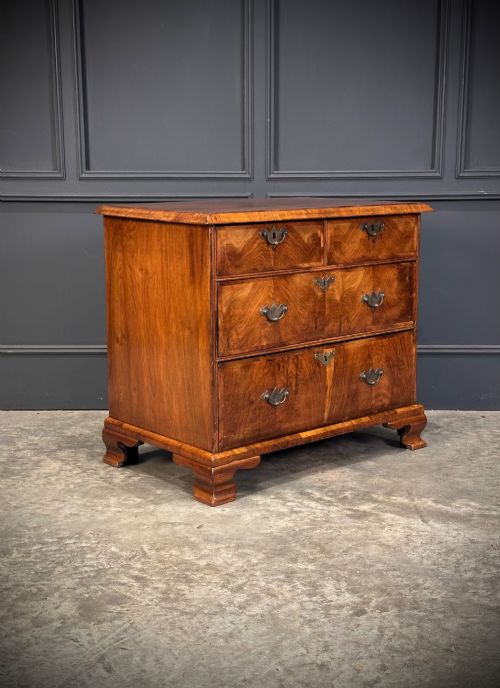
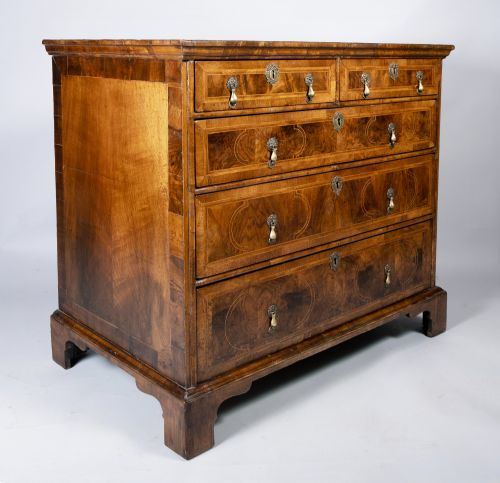
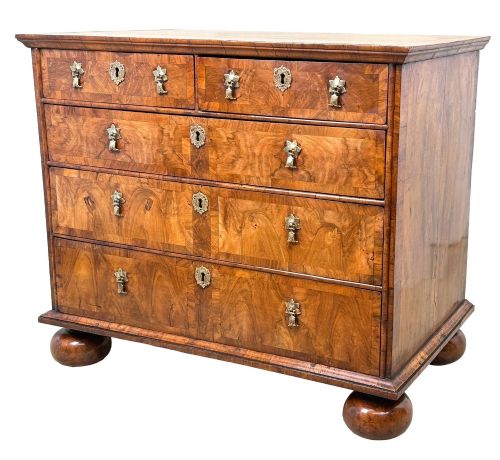


Early 18th Century Commode
An early 18th century commode brings deep walnut grain and crisp drawer moulding into a room, offering both history and presence.
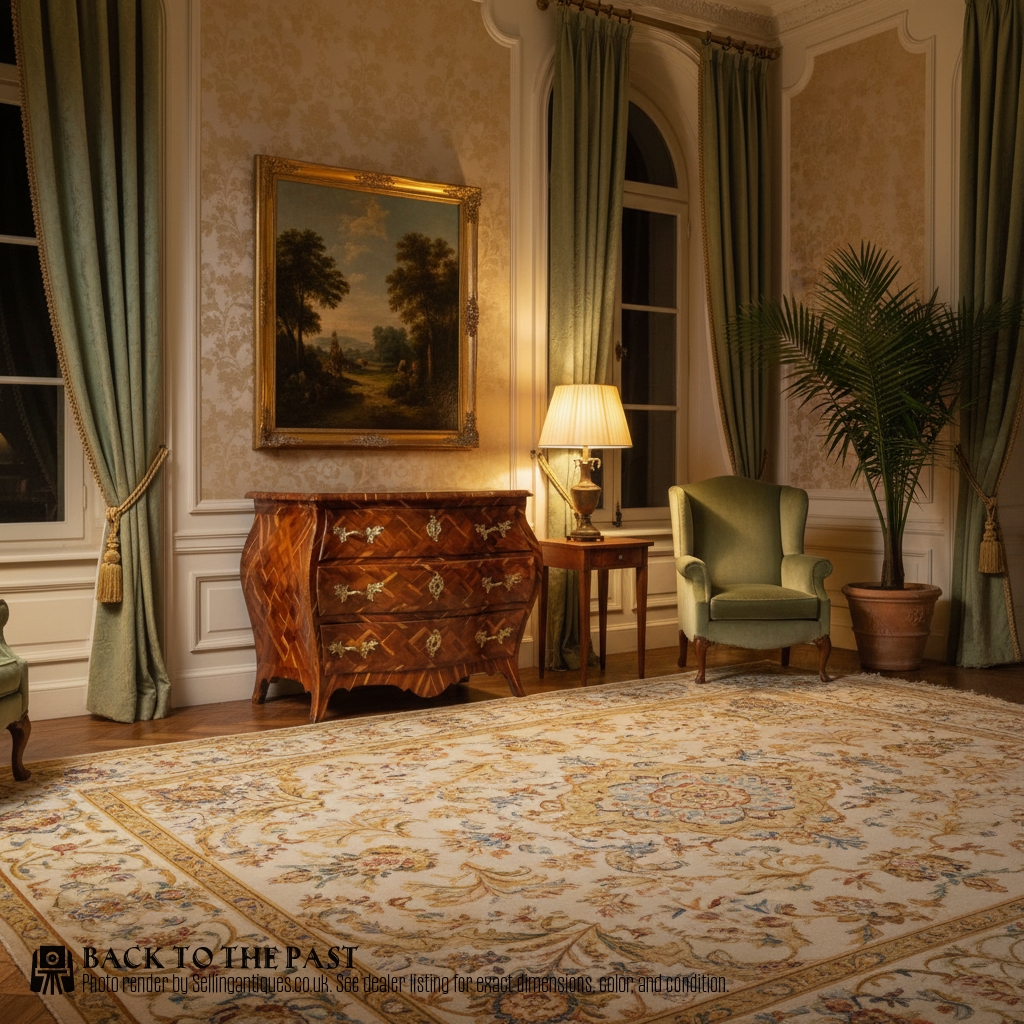
Early 18th Century Commode
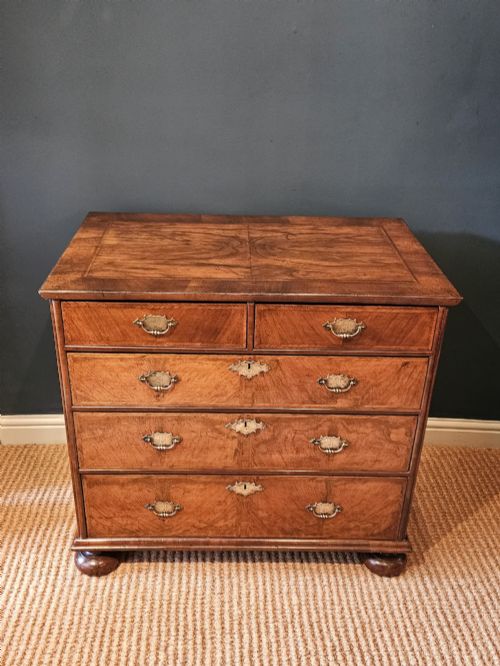
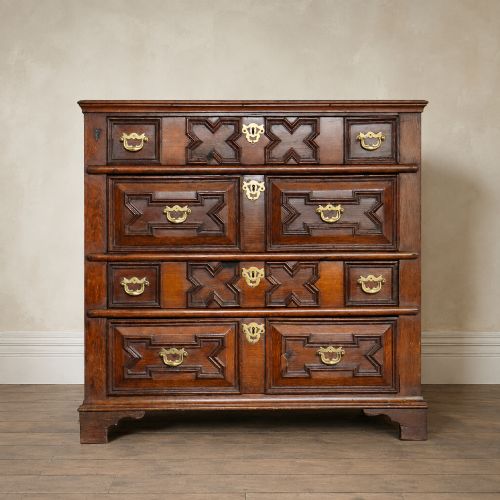
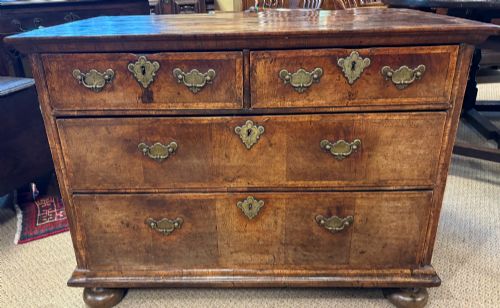
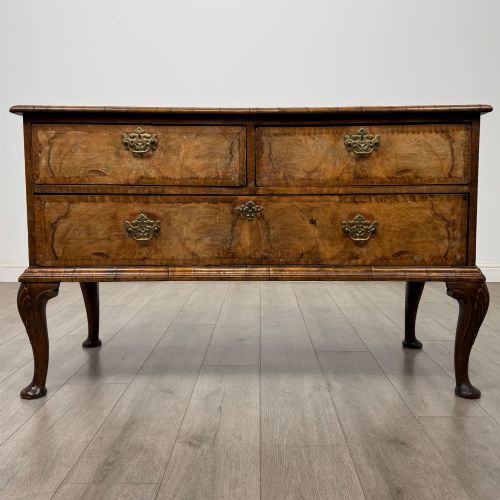
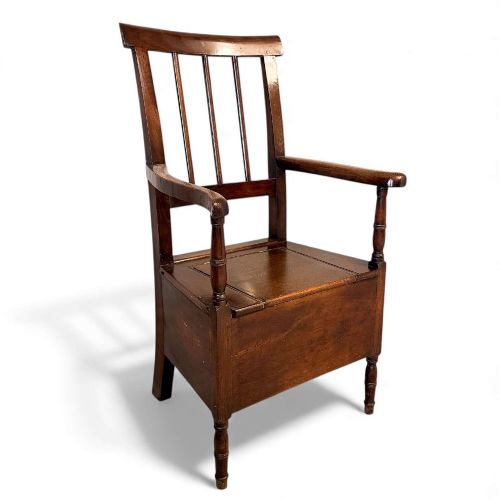
When you search for an early 18th century commode, you encounter substantial timber storage pieces from the 18th Century, Georgian, and William & Mary periods. These encompass walnut and oak chests of drawers, alongside continental commodes and occasional commode chairs.
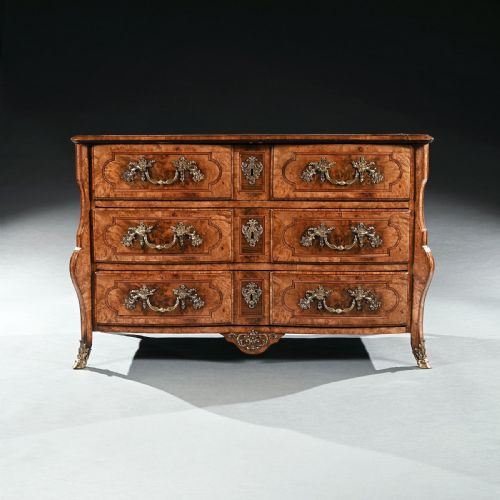
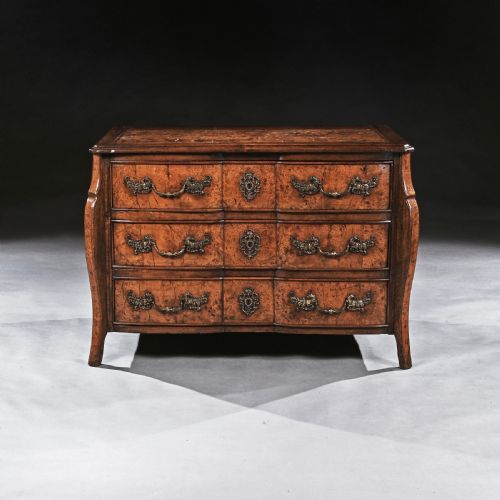
The domestic forms vary from compact two-section chests to serpentine fronts, with Queen Anne and George I examples appearing frequently. Makers utilised burr elm, fruitwood, and mahogany alongside the dominant walnut.
Regional variations span English workshops, French provincial centres such as Grenoble, and Italian provinces. Buyers encounter both geometric oak moulding and elaborate marquetry inlay.
How they were constructed
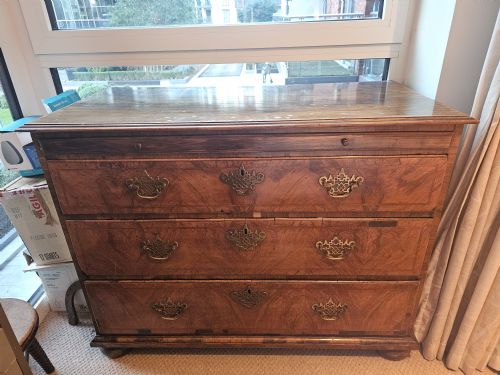
Cabinet makers built these pieces using solid oak carcasses faced with figured walnut, burr elm, or mahogany veneers. Drawer fronts often received herringbone banding or feather-banded borders to define the grain.
Joinery relied on dovetailing for the drawers and pegged mortise and tenon joints for the frames. Brass hardware, including drop handles and escutcheons, was pinned directly through the timber.
Early 18th Century Commode Retail Price Guide 2026
Typical asking prices for early 18th century commode among the pieces listed under this phrase on Sellingantiques today, from the lower quarter to the upper quarter. They describe what is for sale here now, not the wider market.
Some early walnut chests arrive with a sliding top panel, ready for secret correspondence.
What separates the examples
The choice of timber figure dictates much of the visual weight, with matched burr walnut and plum veneer sitting above plain oak. The crispness of geometric mouldings and the precision of herringbone banding indicate the maker's skill.
Proportions also separate standard pieces from small-scale examples built for specific chambers. Original brasses and untouched sliding top panels elevate an individual piece.
Thomas Hache of Grenoble
The Early 18th Century Commode Glossary
- Commode
- A low chest of drawers or cabinet developed in the 18th century. Many early examples take the form of drawer chests or commode chairs.
- Herringbone banding
- V-shaped inlay strips arranged in diagonal patterns around drawer edges. This technique highlights the skill of the cabinet maker.
- Feather banding
- Twin strips of veneer laid diagonally to resemble a bird feather. It frames the central grain on walnut drawer fronts.
- Mazarin commode
- A continental cabinet form featuring a central kneehole recessed beneath drawers. Examples often utilise burr elm or cherrywood.
- Bombe
- A swollen or bulging convex shape used on continental case furniture. This profile requires advanced heat-bending of timber veneers.
Early 18th Century Commode: Frequently Asked Questions
What is an early 18th century commode?
An early 18th century commode is a timber storage piece, typically a chest of drawers or a continental cabinet, dating from the reigns of Queen Anne and George I.
These pieces utilise figured walnut, oak, and fruitwood, often decorated with herringbone banding and brass hardware.
How do I tell a walnut chest from oak?
Walnut pieces display rich, dark brown figuring with varied grain patterns, frequently enhanced by burr veneers or cross-banded borders. Oak examples present a straighter, coarser grain with visible medullary rays.
Oak was often chosen for structural framing and country furniture, while walnut served formal urban tastes.
Where were these commodes made?
The pieces originate from English workshops, French provincial centres, and Italian regions such as Lombardy. English pieces commonly feature walnut or oak, while continental examples utilise cherrywood, burr elm, and plum.
Regional preferences shaped the use of serpentine fronts and marquetry inlay.
How do I live with an antique commode?
Place the piece away from direct sunlight and heat sources to protect the delicate walnut and mahogany veneers. Maintain stable room humidity to prevent timber movement.
Use natural beeswax to nourish the polished wood surface over time.