



Early 18th Century Chair
An early 18th century chair brings the warmth of walnut, oak, and rich textiles into a room while grounding it in centuries of design history.
Early 18th Century Chair
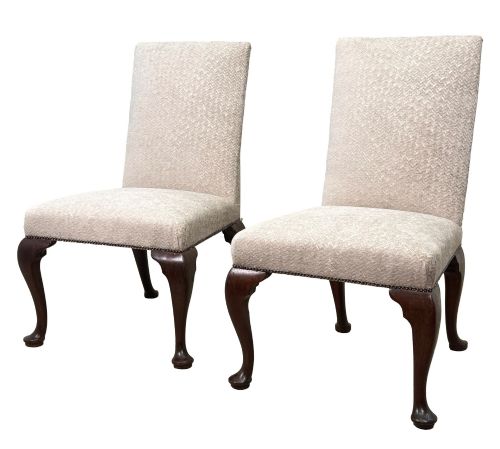
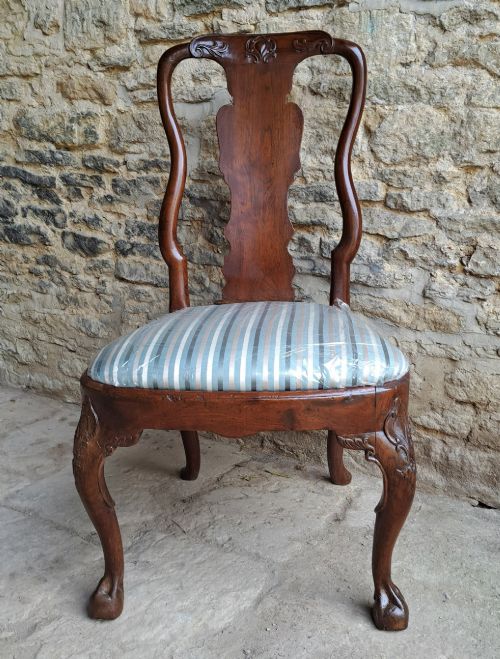
An early 18th century chair encompasses forms produced during periods such as the Queen Anne, George I, and early Georgian eras, reflecting a major shift in domestic seating. These pieces range from simple regional seating to sophisticated urban designs intended for formal parlours and dining rooms.
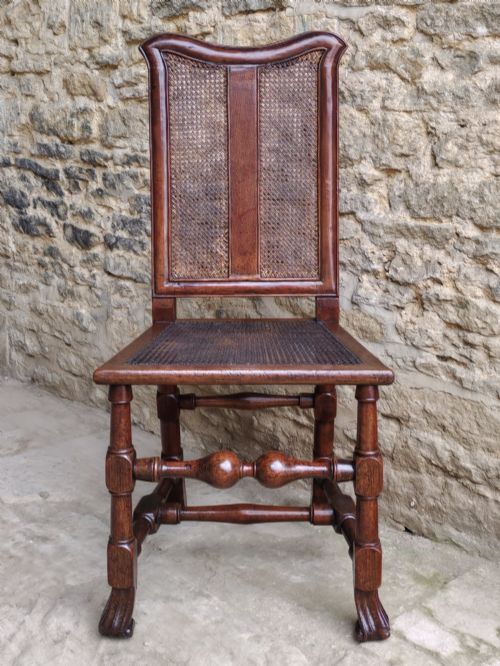
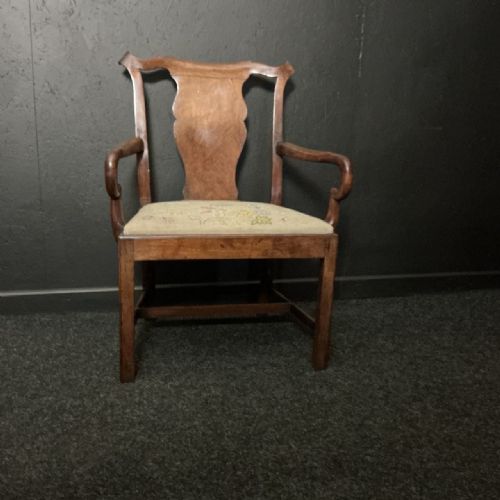
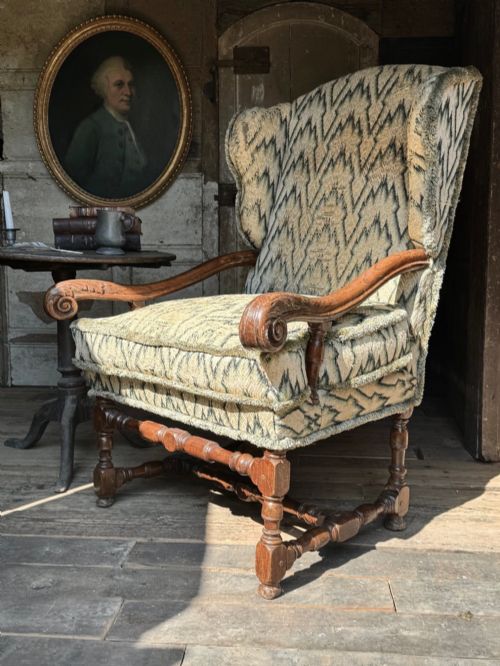
Buyers will encounter various formats including side chairs, armchairs, wingbacks, and desk chairs. Walnut and oak dominate the surviving examples, often accompanied by period textiles, cane, or needlepoint seats.
Regional variations also appear on this page, including Welsh country pieces and continental examples in oak, pine, and mahogany.
How they were made
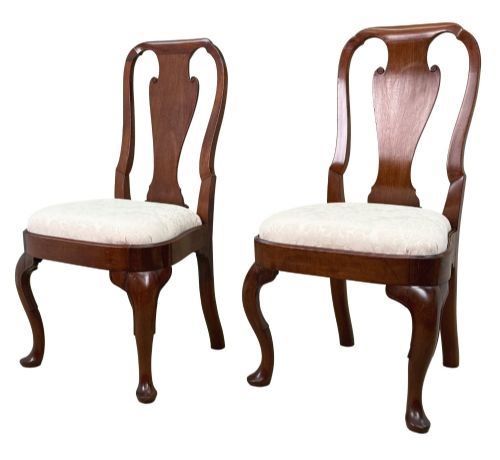
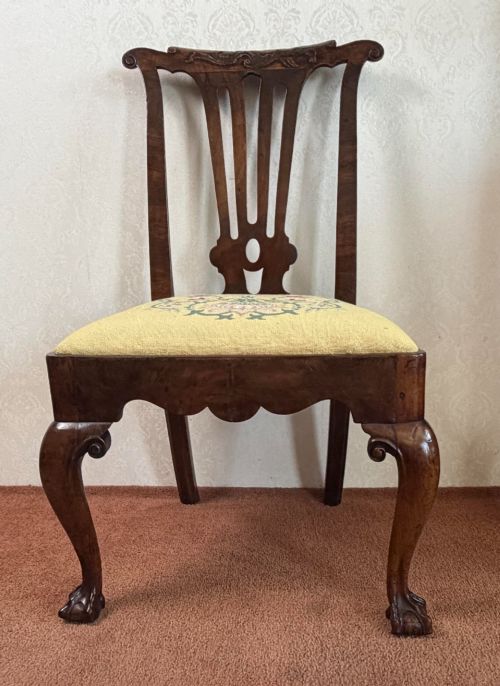
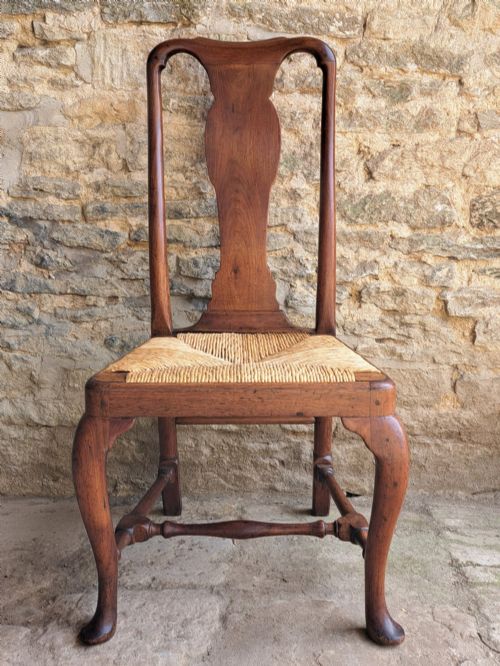
Cabinet makers and joiners utilised dense hardwoods like walnut, oak, and mahogany to construct these frames, relying on traditional mortise and tenon joinery for stability. Walnut veneer and solid timbers allowed for smooth curves and refined cabriole legs.
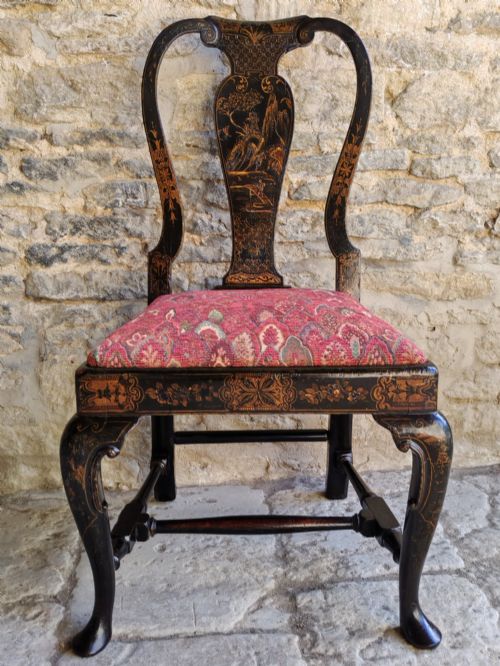
Upholstered versions integrate supportive webbing and stuffing covered in period-appropriate materials such as silk, tapestry, and needlepoint. Decorative elements like bone inlay, carving, and painted finishes display the detailed handwork of the period.
Early 18th Century Chair Retail Price Guide 2026
Typical asking prices for early 18th century chair among the pieces listed under this phrase on Sellingantiques today, from the lower quarter to the upper quarter. They describe what is for sale here now, not the wider market.
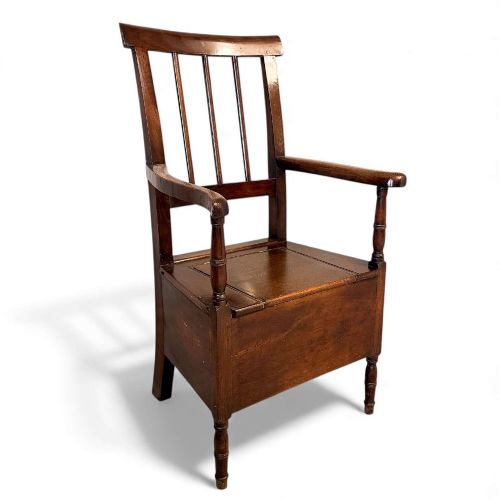
Several chairs feature concealed commode functions, proving that early modern life balanced grand upholstery with practical household humour.
What varies in quality
The degree of original survival heavily influences the standing of a piece, particularly the retention of primary timber surfaces rather than extensive replacement. Finer examples display crisp carving, balanced proportions, and integrated structural framing that has endured centuries of use.
The sophistication of the timber figure, such as richly grained walnut or figured mahogany, separates standard regional work from high-status urban furniture. Original upholstery methods and period-correct coverings further elevate the stature of surviving seating.
The Early 18th Century Chair Glossary
- Cabriole leg
- A furniture leg that curves out at the knee and tapers inward to an ankle, characteristic of early 18th century design. This shape draws inspiration from animal limbs and provides sturdy support without heavy stretchers.
- Wainscot chair
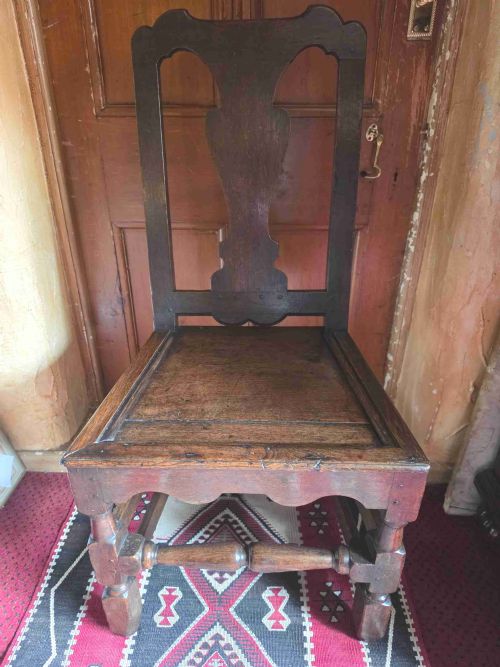
- A heavy wooden armchair constructed with panelled backs, traditionally made from oak. These sturdy seats represent earlier traditions continuing into the 18th century.
- Drop-in seat
- A removable upholstered frame that fits into a recess within the chair rails. This design allowed for easier reupholstery and cleaning.
- Wingback armchair
- A high-backed upholstered chair featuring protective side panels designed to shield the occupant from drafts. These chairs often incorporate generous padding and deep seats.
- Backstool
- An early term for an upholstered chair without arms. They functioned primarily as dining or occasional seating.
Early 18th Century Chair: Frequently Asked Questions
How do I identify a Queen Anne chair?
Queen Anne chairs typically feature smooth cabriole legs, splat backs shaped to fit the human spine, and pad feet. They often utilise walnut as the primary timber.
These pieces moved away from heavy straight lines toward curved, flowing silhouettes that prioritise comfort.
Where were these chairs used?
They served multiple roles in domestic spaces, from dining rooms and parlours to studies and bedrooms. Desk chairs and wingbacks catered to reading and writing tasks near fireplaces.
Simpler oak and regional models found places in country homes, halls, and everyday rooms.
Are these chairs suitable for daily use?
Most surviving examples hold up well to gentle daily use provided the joints remain stable and sound. Placing them away from direct heat sources preserves the timber and historic finishes.
Heavily upholstered models may require occasional professional maintenance of internal webbing and padding.
What is the difference between George I and George II styles?
George I furniture frequently employs walnut with restrained carved details and graceful curved lines. George II pieces often shift toward heavier mahogany construction with bolder carved motifs.
Both periods build directly upon the foundational forms established during the Queen Anne era.