






Dutch Tin Glazed
Dutch tin glazed ceramics bring centuries of painted blue and white earthenware into your home, offering tangible links to historical European potteries.
Dutch Tin Glazed
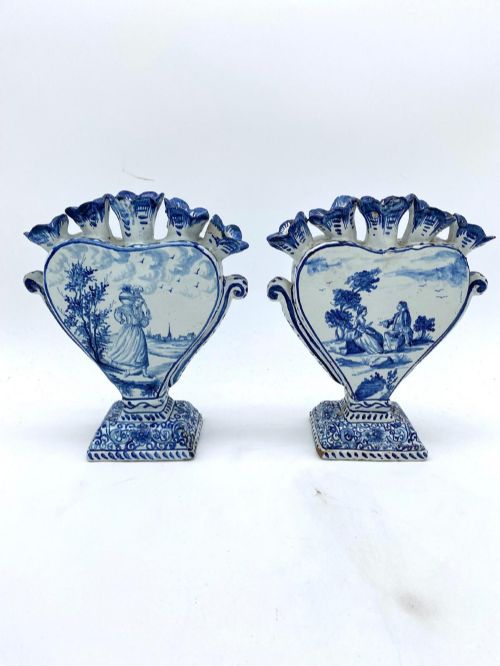
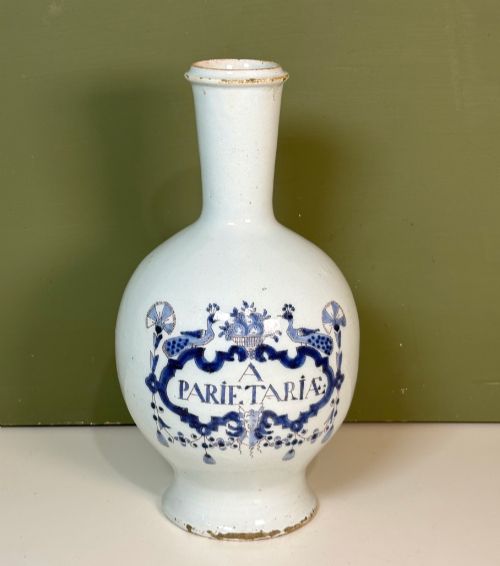
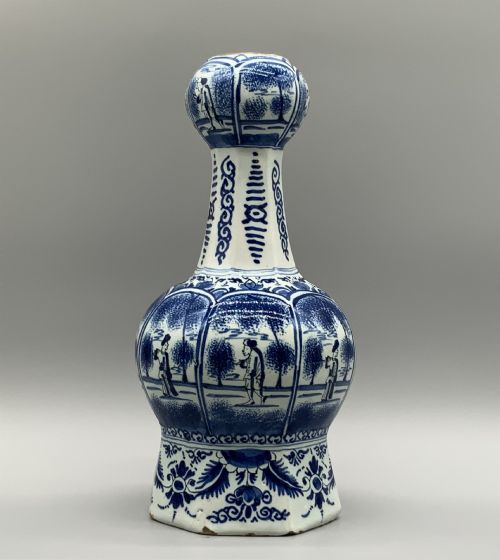
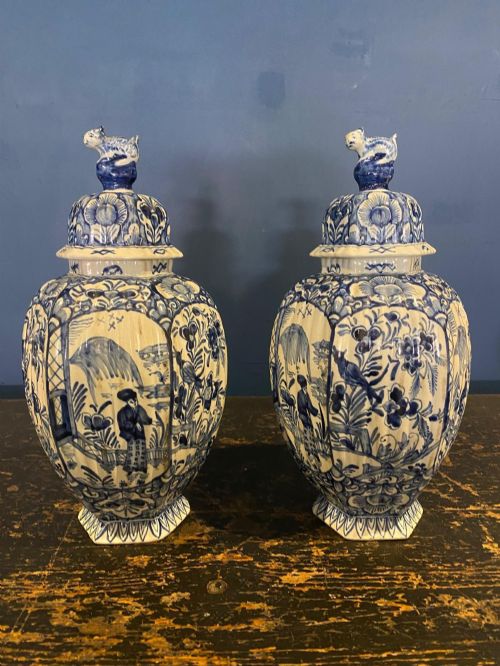
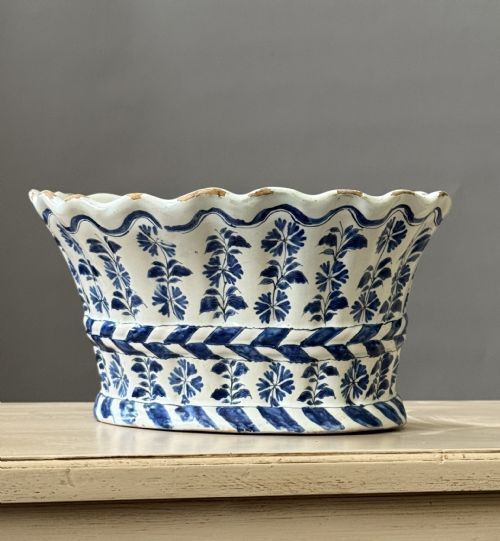
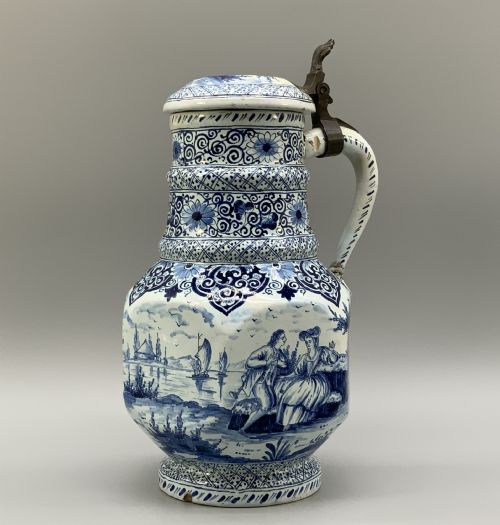
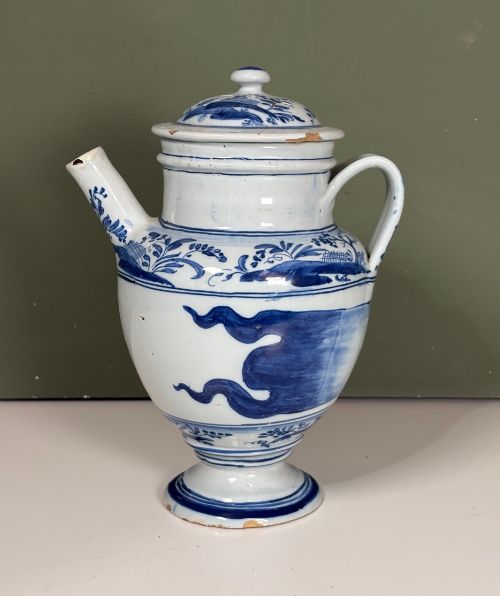
When you search for dutch tin glazed objects, you encounter a variety of forms including chargers, bowls, vases, and apothecary jars spanning the seventeenth through the nineteenth centuries.
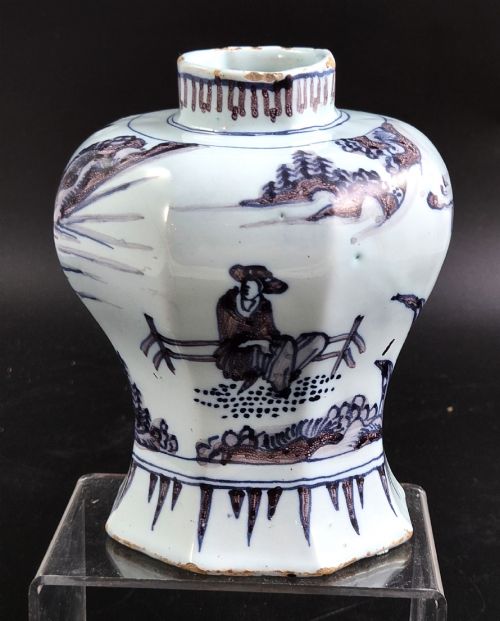
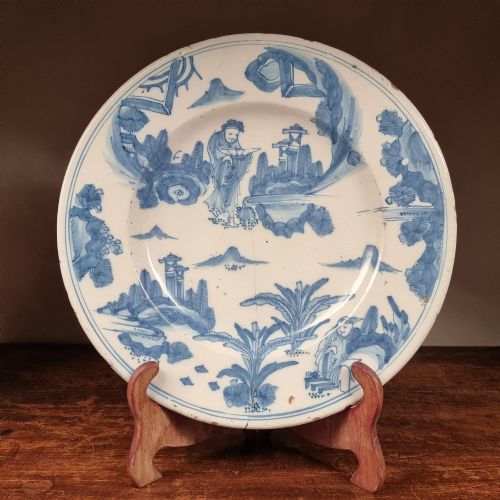
The most common pieces on this page are eighteenth century chargers and vases decorated in blue and white, alongside polychrome and manganese examples.
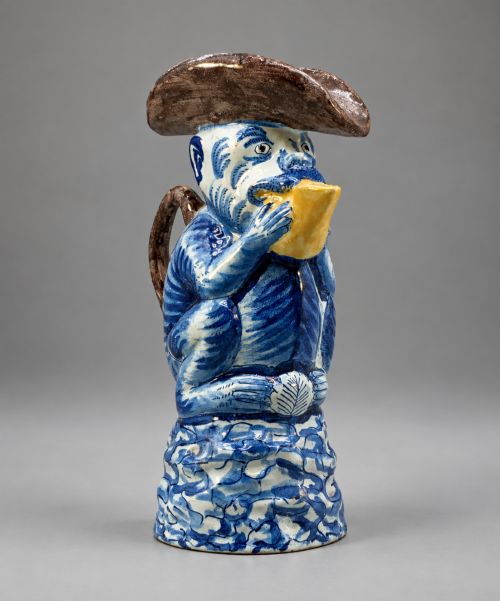
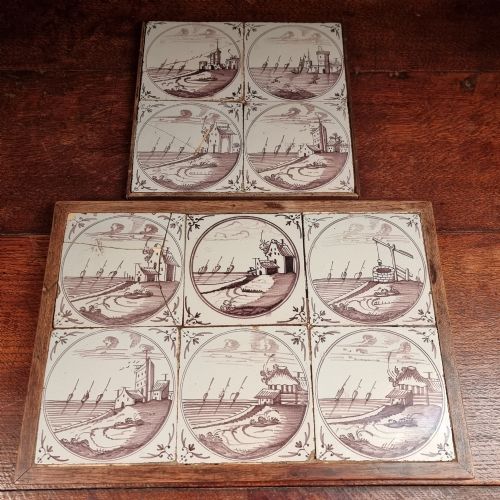
Objects range from large garden urns and puzzle jugs down to small tiles, patch boxes, and barber's bowls originating from Dutch workshops.
Materials and technique
Potters shaped earthen clay into vessels before applying a tin glaze that provided an opaque white surface suitable for painting.
Decorations were hand painted using cobalt pigment or cobalt oxide, which turned deep blue under the heat of the kiln.
Dutch Tin Glazed Retail Price Guide 2026
Typical asking prices for dutch tin glazed among the pieces listed under this phrase on Sellingantiques today, from the lower quarter to the upper quarter. They describe what is for sale here now, not the wider market.
Among the historical vessels, a cheerful pair of ceramic cows stands ready to graze on your mantelpiece.
Standards of execution
The sophistication of the hand painted brushwork determines the visual success of each piece, distinguishing hurried production from careful artistry.
Complexity in form, such as baluster profiles or applied handles, combined with crispness in the cobalt or manganese decoration separates standard vessels from exceptional ones.
Pieter Verburg
The Dutch Tin Glazed Glossary
- Tin-glazed earthenware
- Pottery covered with a lead glaze made opaque by the addition of tin oxide. This creates the smooth white ground used for painting.
- Charger
- A large decorative plate intended for display on a wall or dresser rather than for daily dining.
- Manganese
- A metallic oxide used to produce a distinctive purple or brownish-red pigment on pottery. It appears frequently on eighteenth-century tiles and vessels.
- Polychrome
- Decoration employing multiple colours rather than a single pigment. On these ceramics, it typically involves combinations of blue, red, green, and yellow.
- Apothecary jar
- A ceramic vessel used by pharmacists to store dry drugs, herbs, or syrups. They are often marked with identifying labels or coats of arms.
Dutch Tin Glazed: Frequently Asked Questions
What are dutch tin glazed objects?
These pieces are earthenware items coated in a white tin glaze and decorated with hand painted pigments. They include decorative plates, bowls, and apothecary jars from historical European periods.
The tradition spans multiple centuries, capturing shifts in artistic styles from seventeenth century baroque to later nineteenth century revivals.
How were they used historically?
Many large chargers and plaques served as wall decorations in wealthy homes, while apothecary jars and bottles held medicinal substances in shops.
Puzzle jugs and posset pots were functional vessels utilised during social gatherings and feasts, designed to test the drinker's skill or serve warm spiced drinks.
How do I live with these antiques?
Display chargers on sturdy wall hooks or plate stands to showcase their painted surfaces safely away from heavy traffic areas. Place vases and jars on stable tabletops where their glazes catch natural light.
Because earthenware is porous and the tin glaze can be brittle, handle pieces with clean hands and avoid placing them in damp environments or direct sunlight.
How do I tell periods apart?
Seventeenth century pieces often display heavy forms and Chinese scholar or Kraak inspired motifs, reflecting early trade influences. Eighteenth century examples frequently feature refined floral designs, biblical scenes, or manganese tones.
Nineteenth century items often adopt revival styles, utilising heavier potting techniques and distinct glaze formulations characteristic of later manufacturing periods.