






Dutch Marquetry Vitrine
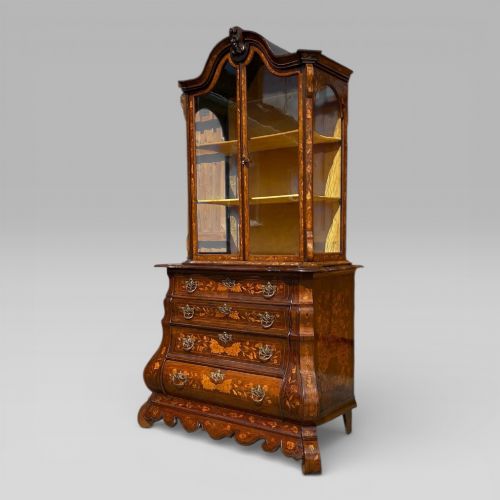
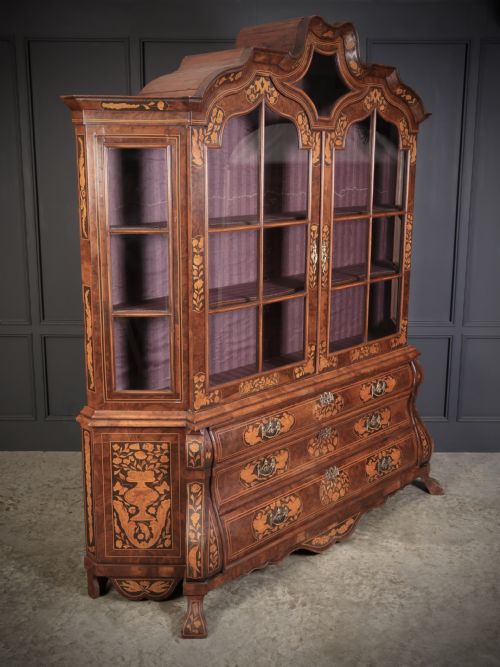
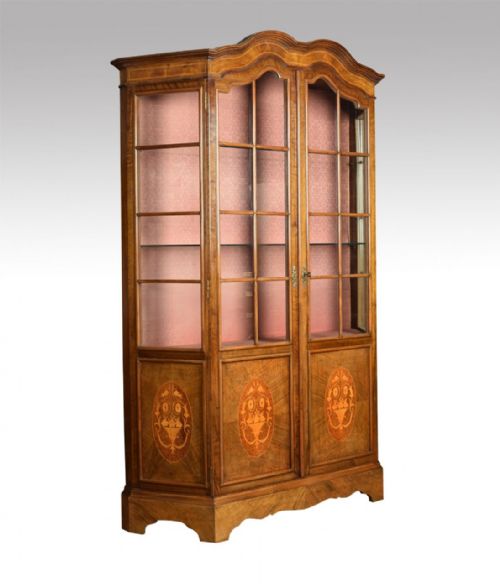
A dutch marquetry vitrine combines intricate floral inlay with glazed display space, offering a traditional cabinet for treasured objects.

Dutch Marquetry Vitrine
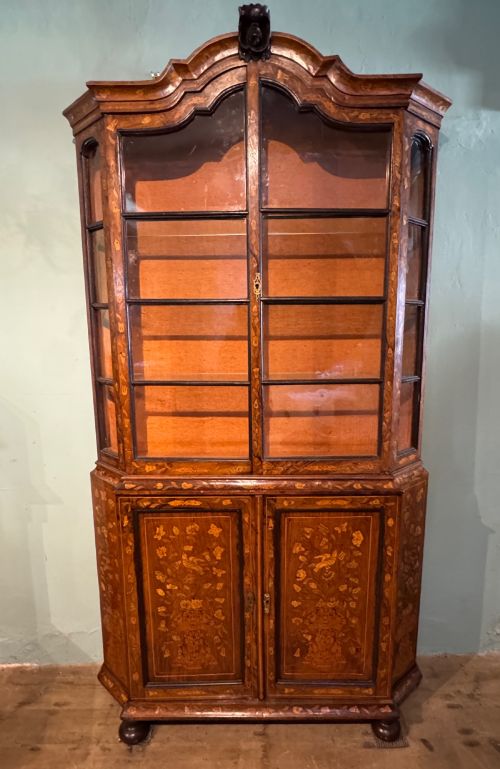
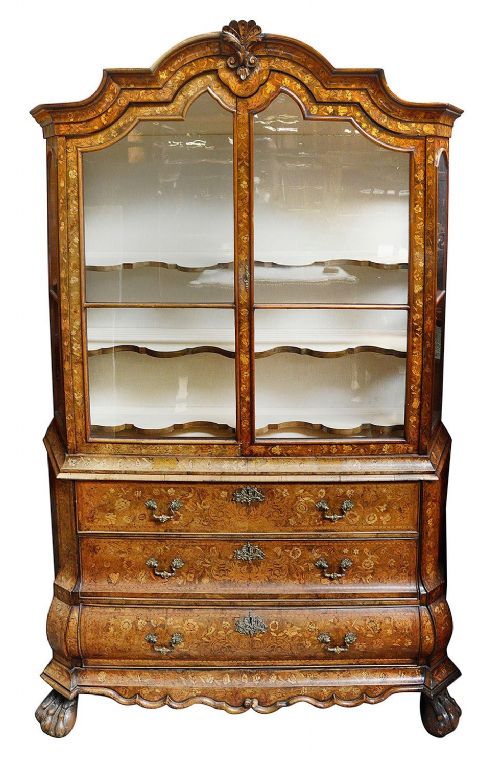
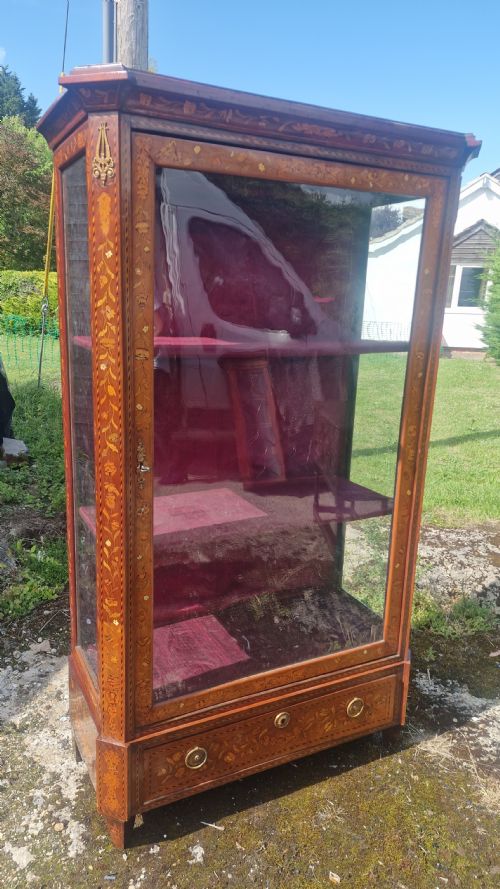
When you search for a dutch marquetry vitrine, you enter a field of display cabinets, wall cabinets, and corner cabinets shaped by eighteenth-century and nineteenth-century makers. These pieces range from upright display cases and glazed cupboards to grand cabinet on chest forms and bombé shapes.
The pieces appearing on this page span the eighteenth century, the nineteenth century, and twentieth-century revivals including the nineteen-twenties and nineteen-thirties. Walnut forms the primary base, accompanied by satinwood, fruitwood, and mahogany, often structured around an oak carcass with glass panels and brass fittings.
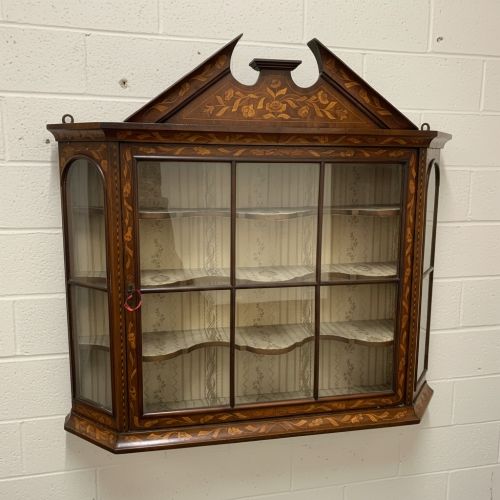
Stylistic expressions lean heavily on Dutch Baroque, Dutch Baroque Revival, and Dutch Rococo traditions. You will encounter wall-mounted examples alongside towering display cases resting on chests or corner cupboards designed to fit architectural angles.
How they were made
Cabinet makers constructed the foundational carcass using walnut, oak, and mahogany, providing a sturdy framework for glazed doors and shelved interiors. Marquetry panels were created by embedding delicate veneers of fruitwood and satinwood into the primary timber to form elaborate floral and pictorial motifs.
Glazing techniques secured glass panes within timber framing to protect interior displays while allowing light to pass through. Brass hardware, including hinges and keyplates, fastened doors and drawers, while specialist shaping produced the distinctive curved bombé profiles seen in selected examples.
Dutch Marquetry Vitrine Retail Price Guide 2026
Typical asking prices for dutch marquetry vitrine among the pieces listed under this phrase on Sellingantiques today, from the lower quarter to the upper quarter. They describe what is for sale here now, not the wider market.
What varies in quality
The finesse of the floral marquetry inlay distinguishes finer cabinets from simpler productions. Mastery in cutting and fitting diverse wood veneers creates crisp botanical patterns with distinct shading and minimal filler.
Structural complexity also separates the tiers of cabinet making. Straight-sided display cases require precise joinery, whereas bombé-shaped carcasses demand advanced timber bending and shaping skills to achieve their sweeping contours.
Edwards and Roberts
The Dutch Marquetry Vitrine Glossary
- Marquetry
- A decorative technique applying thin veneers of various woods to a timber substrate to form pictorial or floral patterns. This method defines the primary surface decoration of these cabinets.
- Vitrine
- A glass-fronted display cabinet intended for the exhibition of small objects and curiosities. The glazed panels protect contents while offering visibility from multiple angles.
- Bombé
- A swelling or bulging furniture profile characterised by convex curves on the front and sides. This bold contour requires specialist carpentry.
- Carcass
- The main structural body or frame of a piece of furniture before doors, drawers, and decorative veneers are applied. Oak frequently forms this hidden support.
- Display Cabinet on Chest
- A tall furniture form combining a glazed upper vitrine section with a lower drawer base. This configuration maximises both storage capacity and display area.
Dutch Marquetry Vitrine: Frequently Asked Questions
What is a dutch marquetry vitrine?
A dutch marquetry vitrine is a glazed display cabinet adorned with intricate wood inlay, typically featuring floral and botanical designs across walnut or fruitwood surfaces.
These pieces were constructed in various formats, including wall-mounted cabinets, corner cupboards, and tall display cases resting on chests.
How do I date a dutch marquetry vitrine?
Dating relies on examining the underlying wood types, construction methods, and stylistic influences such as Dutch Baroque or later revival periods spanning the eighteenth to twentieth centuries.
Cabinet proportions, glass types, and the complexity of the marquetry work offer further clues to the era of manufacture.
Where should I place a vitrine at home?
A vitrine suits drawing rooms, dining spaces, or hallways where natural light illuminates the glazed display area without exposing the antique timber to direct solar damage.
Corner cabinets fit neatly into architectural angles, while wall cabinets utilise vertical space above tables or sideboards.
How do I care for marquetry surfaces?
Marquetry surfaces require stable indoor humidity and protection from direct sunlight to prevent veneer shrinkage or fading of the various fruitwood and satinwood elements.
Gentle dusting with a dry cloth maintains the timber without introducing moisture that could compromise historical adhesives.