



Dutch Brass Light
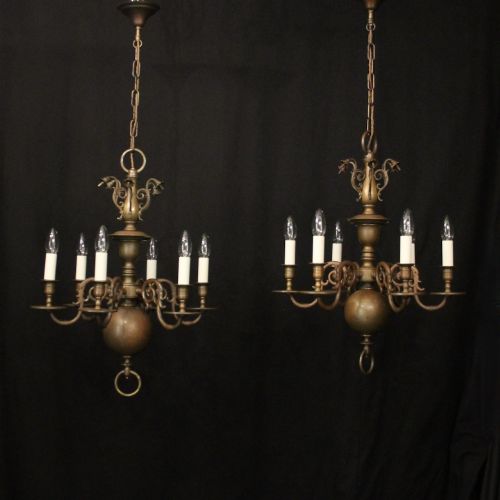
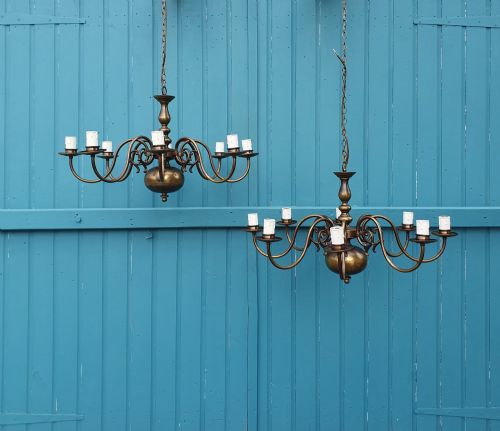
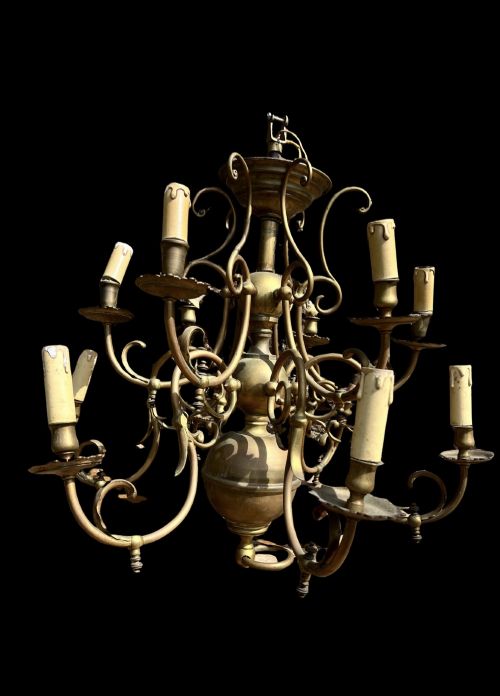
A dutch brass light brings heavy metal and warm candle or gas glow into a room, drawing the eye upwards with scrolled branches.
Dutch Brass Light
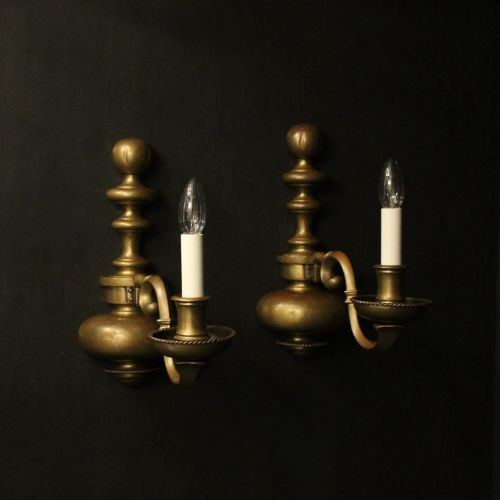
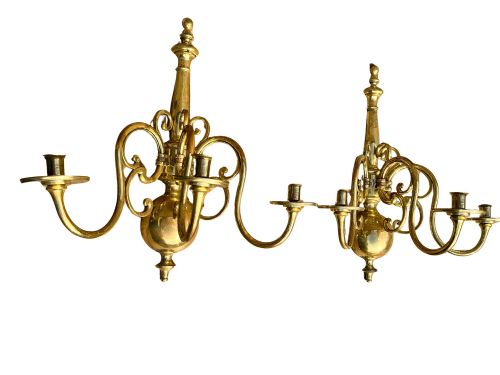
A buyer seeking a dutch brass light encounters a broad range of hanging and wall-mounted pieces, from multi-branched chandeliers to simple wall sconces and heavy pricket candlesticks. The selection spans centuries of metalwork, featuring 17th-century candle sticks alongside Edwardian gasolieres and Amsterdam School hanging lamps.
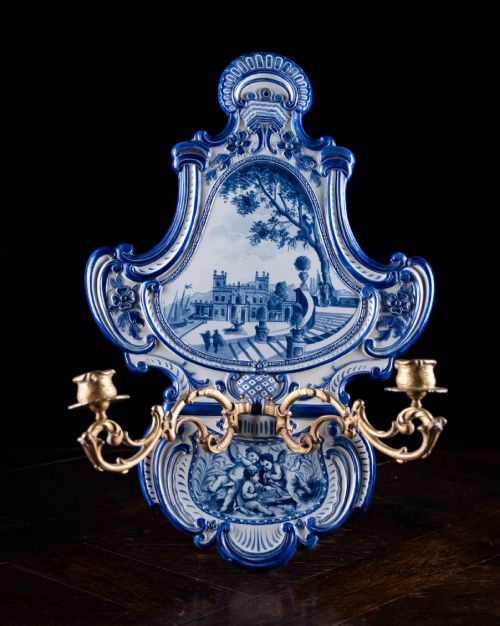
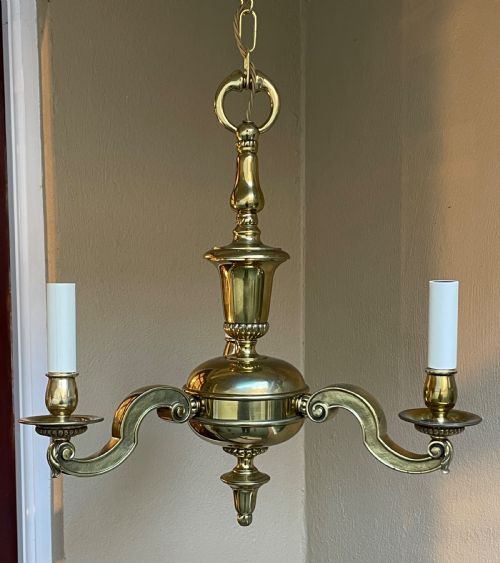
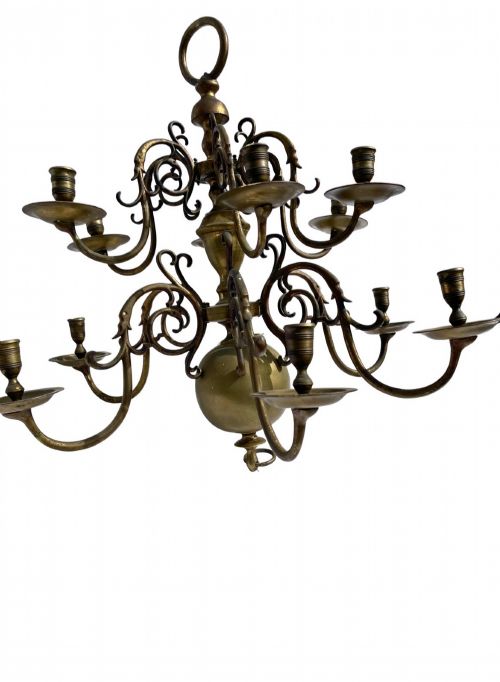
Chandeliers dominate the offerings, often constructed with multiple scrolled arms radiating from a central stem, alongside smaller table lamps and wall mirrors framed in brass. Pieces range from grand 18th-century two-tier fixtures down to single-branch wall brackets and converted Delft vases.
Materials and Technique
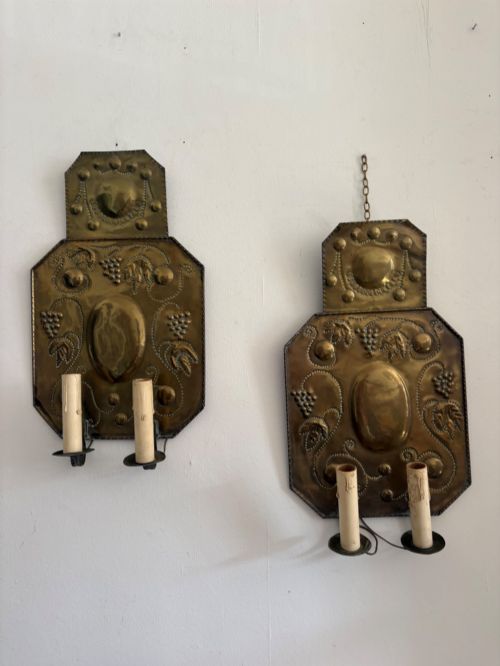
Makers utilised cast brass, sheet brass, and patinated copper, often combining heavy cast elements with hand-beaten sheet components. Repousse work appears on wall sconces and backplates, creating raised decorative patterns through hammer work from the reverse side.
Iron and bronze appear alongside brass in structural frames and pricket spikes, while ceramic elements such as Delftware integrate into lamp bodies and wall fixtures. Surface finishes vary from bright polished metal to dark patinated surfaces and silver plating.
Some heavy pricket candlesticks survived centuries of use by quietly doubling as makeshift doorstops before entering the collector market.
The Distinction of Quality
Weight and casting thickness separate substantial examples from lighter later productions, as heavier metal provides greater structural integrity for multi-branched chandeliers. The crispness of repousse detail and the complexity of arm scrollwork indicate the skill of the original metalworker.
Early cast components show the irregularities of historical manufacture, whereas mass-produced later items present uniform surfaces lacking individual character. The retention of original patination and the integrity of structural joins further define superior survivals.
The Dutch Brass Light Glossary
- Pricket candlestick
- A candleholder featuring a sharp metal spike upon which the base of a candle is impaled. This form appears frequently in early 17th-century Low Countries metalwork.
- Heemskerk candlestick
- A distinct early brass candlestick type featuring a central drip pan and a bell-shaped base, originating in the Low Countries during the 16th and 17th centuries.
- Repousse
- A metalworking technique where the artisan hammers the design from the reverse side to create a raised relief pattern on the front. This method decorates many 19th-century wall sconces.
- Gasoliere
- A hanging light fixture specifically designed to burn coal gas before the widespread adoption of electric lighting. These transition pieces often retain sophisticated valve keys and multi-branched arms.
- Amsterdam School
- An early 20th-century architectural and design style known for expressive forms, textured surfaces, and unusual combinations of brass and patinated copper.
Dutch Brass Light: Frequently Asked Questions
How do I date a brass candlestick?
Dating relies on manufacturing techniques, component construction, and stylistic markers such as the presence of central drip pans or heavy bell bases. Early examples from the 17th century often show distinct casting seams and hand-finished surfaces.
Later Victorian and Edwardian pieces exhibit more uniform machinery tooling and standardised threading. Comparing the form to known museum pieces helps narrow the decade of production.
Were these lights converted to electricity?
Many surviving chandeliers and wall brackets have been adapted for modern wiring to allow domestic use today. Conversions often hide electrical cables within the central hollow stem or run wiring along the scrolled arms.
Buyers should inspect the internal wiring methods to ensure the installation meets current safety standards. Original candle sockets are frequently replaced with electric lamp holders during these updates.
What is a Heemskerk candlestick?
A Heemskerk candlestick is a specific early brass form featuring a prominent drip pan positioned midway up the shaft and a wide bell-shaped base. Originating in the Low Countries during the 16th century, this design provided stability and caught dripping hot wax.
These pieces represent some of the earliest surviving domestic brass lighting in the record. Their heavy construction allowed them to survive centuries of daily use.
How should I clean antique brass?
Antique brass generally retains value and visual depth when left with a dark, undisturbed historical patina rather than being polished to a bright shine. Gentle dusting with a dry cloth is usually sufficient for regular maintenance.
Harsh chemical cleaners strip away the aged surface layers that accumulate over centuries. Professional advice should be sought before attempting any intensive restoration of patinated copper or brass.