
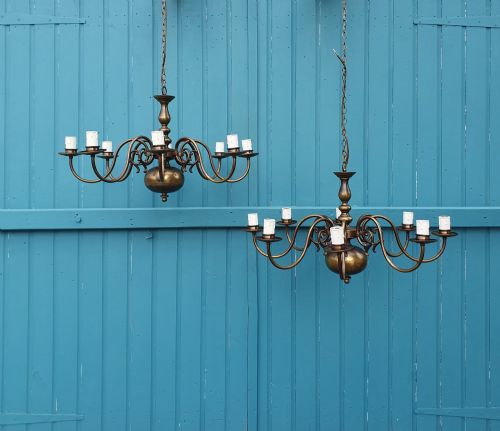
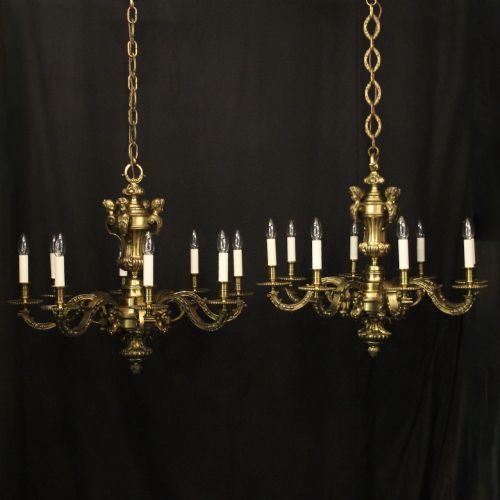
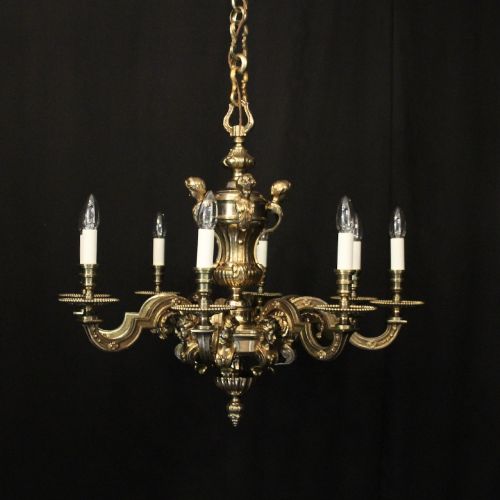
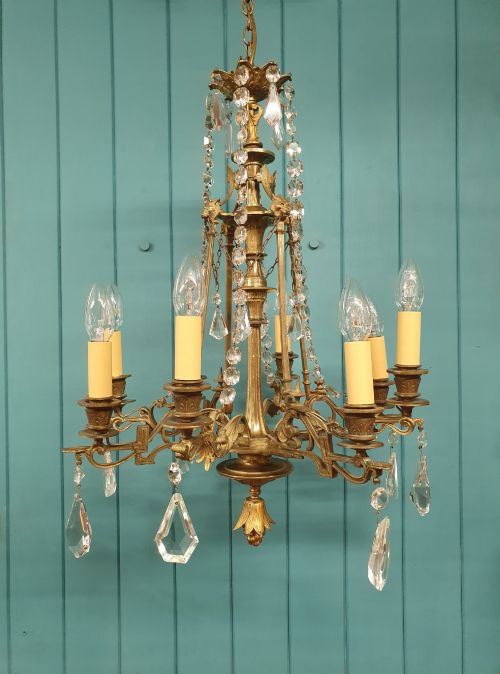


Eight Arm Brass Chandelier
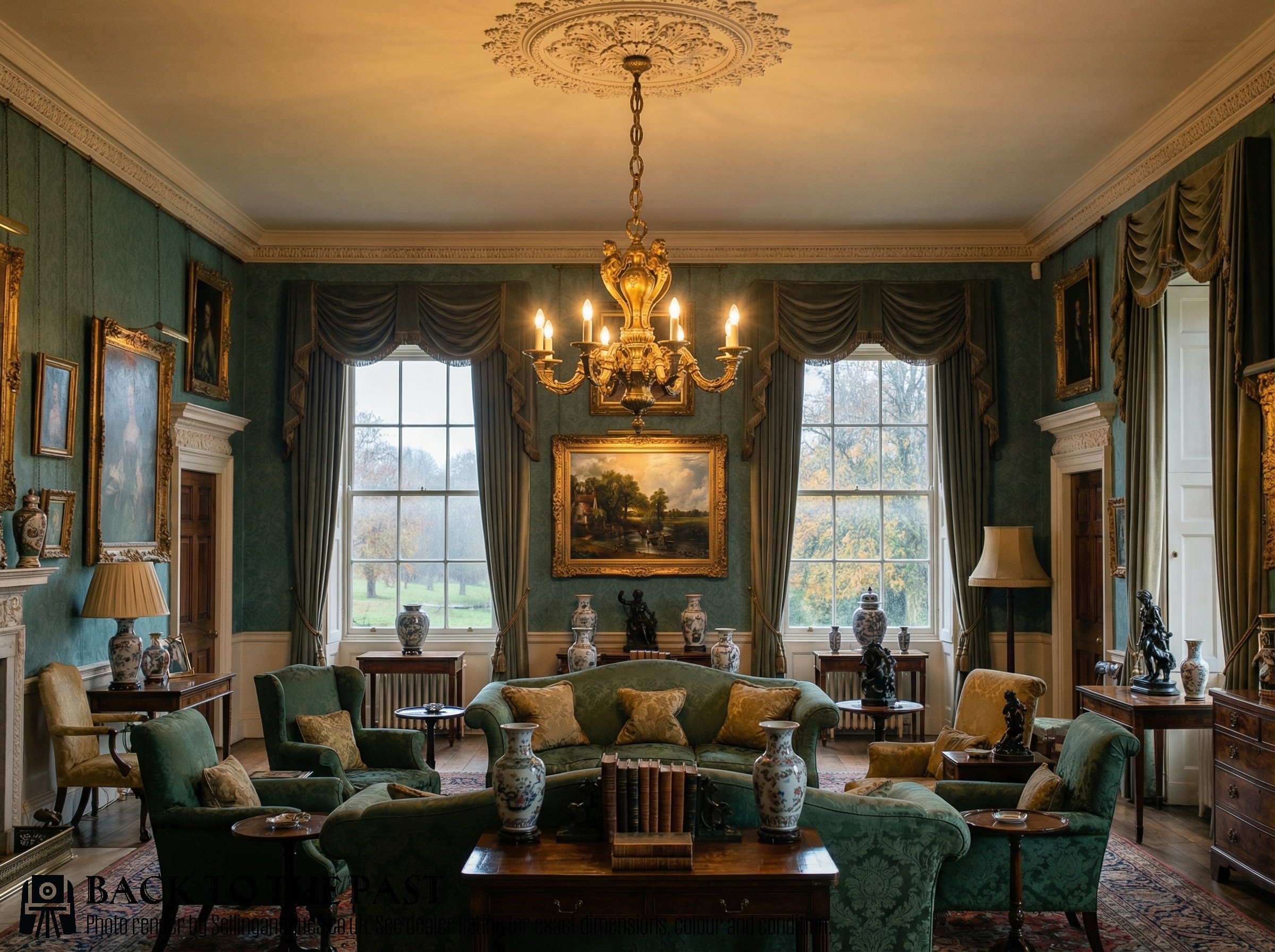
An eight arm brass chandelier brings height and warmth to a room, offering the balanced symmetry of eight branching lights.
Eight Arm Brass Chandelier
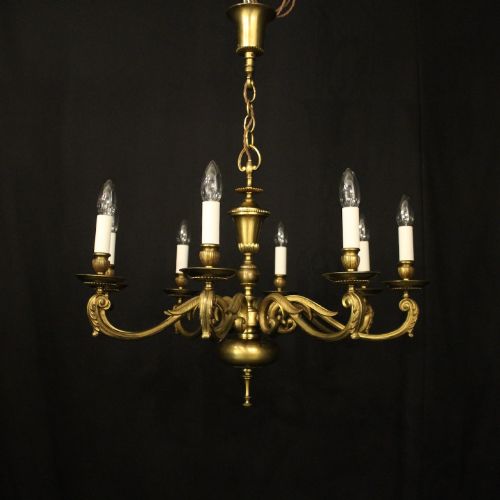
When you search for an eight arm brass chandelier, you are looking at substantial ceiling light fixtures designed with eight distinct branches extending from a central body. These pieces frequently appear from the nineteenth century, the Edwardian period, and through the 1920s and 1930s.
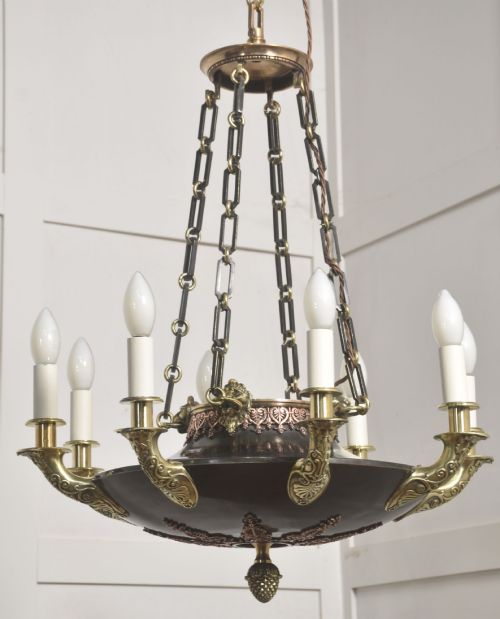
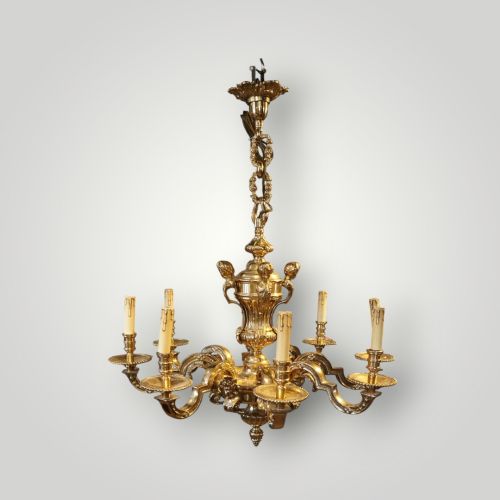
The selection on this page leans heavily toward continental origins, particularly French designs in styles such as Rococo, Neoclassical, and Empire Revival, alongside Dutch interpretations. Forms range from straightforward scroll-armed brass frames to ornate castings decorated with acanthus leaves or lion masks.
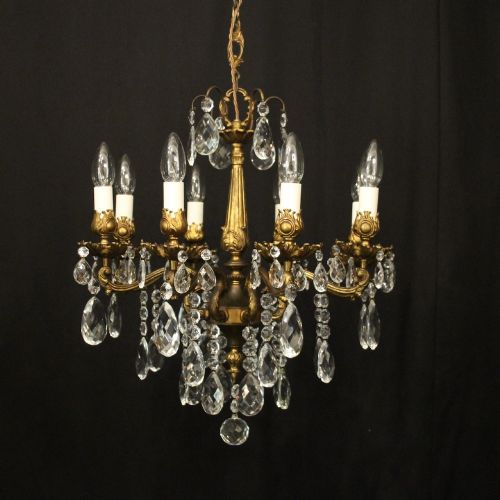
Buyers will also find variants enhanced with glass, crystal, or nickel plating, alongside pieces finished in gilded bronze or silvered bronze. Each variation alters the visual weight and reflective quality of the fixture when suspended in a room.
How they were made
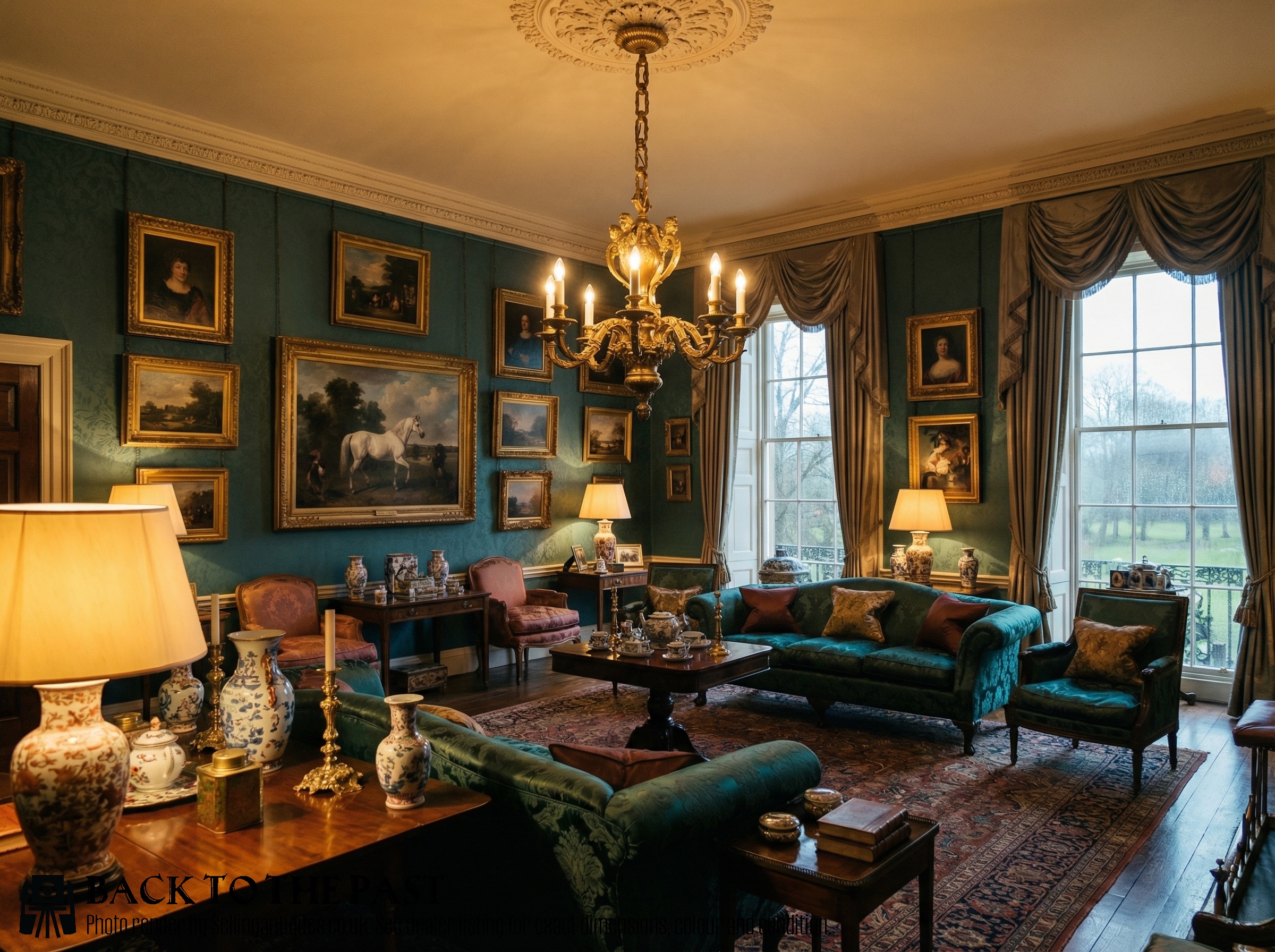
These fixtures rely primarily on cast and solid brass, bronze, and gilded bronze, shaped into scrolling arms and central stems. Metalwork is often paired with cut glass and crystal components to catch and refract light from the bulbs or candles.
Surface finishes vary from polished or patinated metal to applied gilding, silvering, and nickel plating. Decorative details like acanthus leaf mounts and lion masks are cast separately and integrated into the structure.
Eight Arm Brass Chandelier Retail Price Guide 2026
Typical asking prices for eight arm brass chandelier among the pieces listed under this phrase on Sellingantiques today, from the lower quarter to the upper quarter. They describe what is for sale here now, not the wider market.
Materials recorded across the inventory include brass, bronze, gilded bronze, copper, glass, crystal, and nickel.
What varies in quality
The standard of the casting separates standard production from superior examples, visible in the crispness of details like acanthus leaves and lion masks. Finer pieces demonstrate careful hand-chasing on the bronze or brass after it comes out of the mould.
The choice of materials also elevates a piece, such as heavy solid brass frames, fire-gilded bronze, or the integration of high-grade cut crystal drops. Construction integrity in how the eight arms join the central core ensures the fixture hangs true.
The Eight Arm Brass Chandelier Glossary
- Acanthus leaf
- A classical ornament based on the Mediterranean plant, frequently cast into the mounts and arms of these fixtures. It provides a sense of organic movement.
- Gilded bronze
- Bronze that has been coated with a thin layer of gold or gold leaf, also known as ormolu. This finish adds a warm, lasting lustre.
- Empire revival
- A nineteenth-century design movement drawing on the grand classical style of the First French Empire. It favours symmetry, military motifs, and robust forms.
- Rococo
- An ornate, asymmetrical style originating in eighteenth-century France, characterised by C-scrolls and natural shell motifs. Revival pieces capture this through fluid, curving arms.
- Scroll arm
- A branch that curves in a gentle S-shape outward from the central stem. It defines the profile of many traditional multibrunched light fittings.
Eight Arm Brass Chandelier: Frequently Asked Questions
How do I clean an antique brass chandelier?
Dust the fixture gently with a soft, dry brush or cloth to prevent accumulation in the detailed castings. Avoid abrasive polishes that can strip historical patina or damage gilded surfaces.
For glass or crystal elements, use a mild solution on a cloth rather than spraying liquid directly onto the metal frame. Taking care preserves the finish accumulated over decades.
Can these chandeliers be rewired safely?
Most antique light fittings require rewiring to meet modern electrical safety standards before installation. A qualified electrician can replace old internal wiring while retaining the original sockets and outer frame.
This process ensures the fixture can handle contemporary voltage without altering its visual character or historic integrity.
How high should I hang my chandelier?
Suspension height depends on the room's proportions and whether the fixture hangs over a piece of furniture or an open walkway. In an open room, the bottom of the chandelier typically clears standard floor traffic heights easily.
Over a dining table, it usually sits lower to focus illumination directly onto the surface below.
How do I tell Edwardian pieces apart from 1920s ones?
Edwardian examples frequently emphasise solid cast brass construction with clean, traditional lines often associated with domestic revival styles. Pieces from the 1920s and 1930s often incorporate French influences, including gilded bronze, silvered finishes, and decorative crystal elements.
Examining the casting weight and surface ornamentation helps place the piece within its historical bracket.