

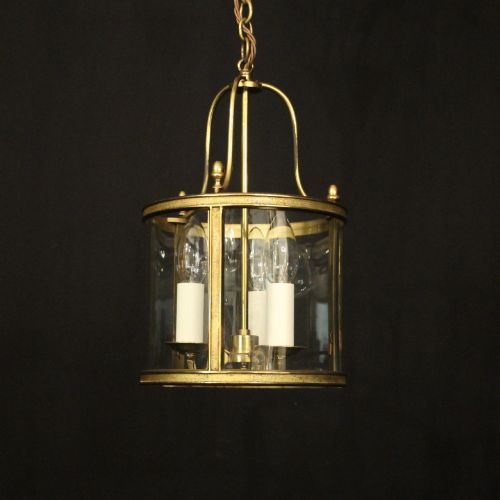
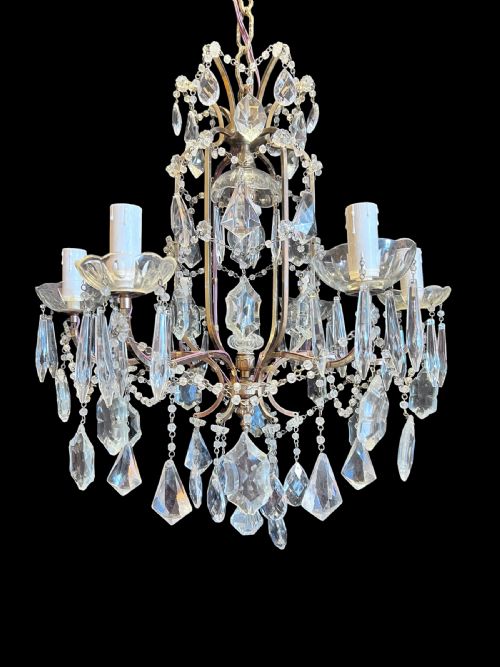
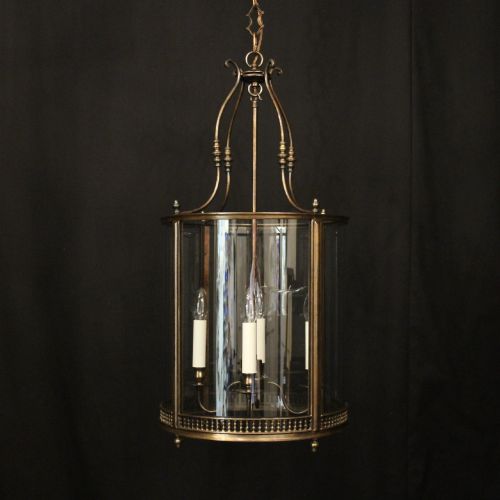
Traditional Pendant Light
A traditional pendant light brings period character overhead, illuminating hallways and principal rooms with authentic historic design.
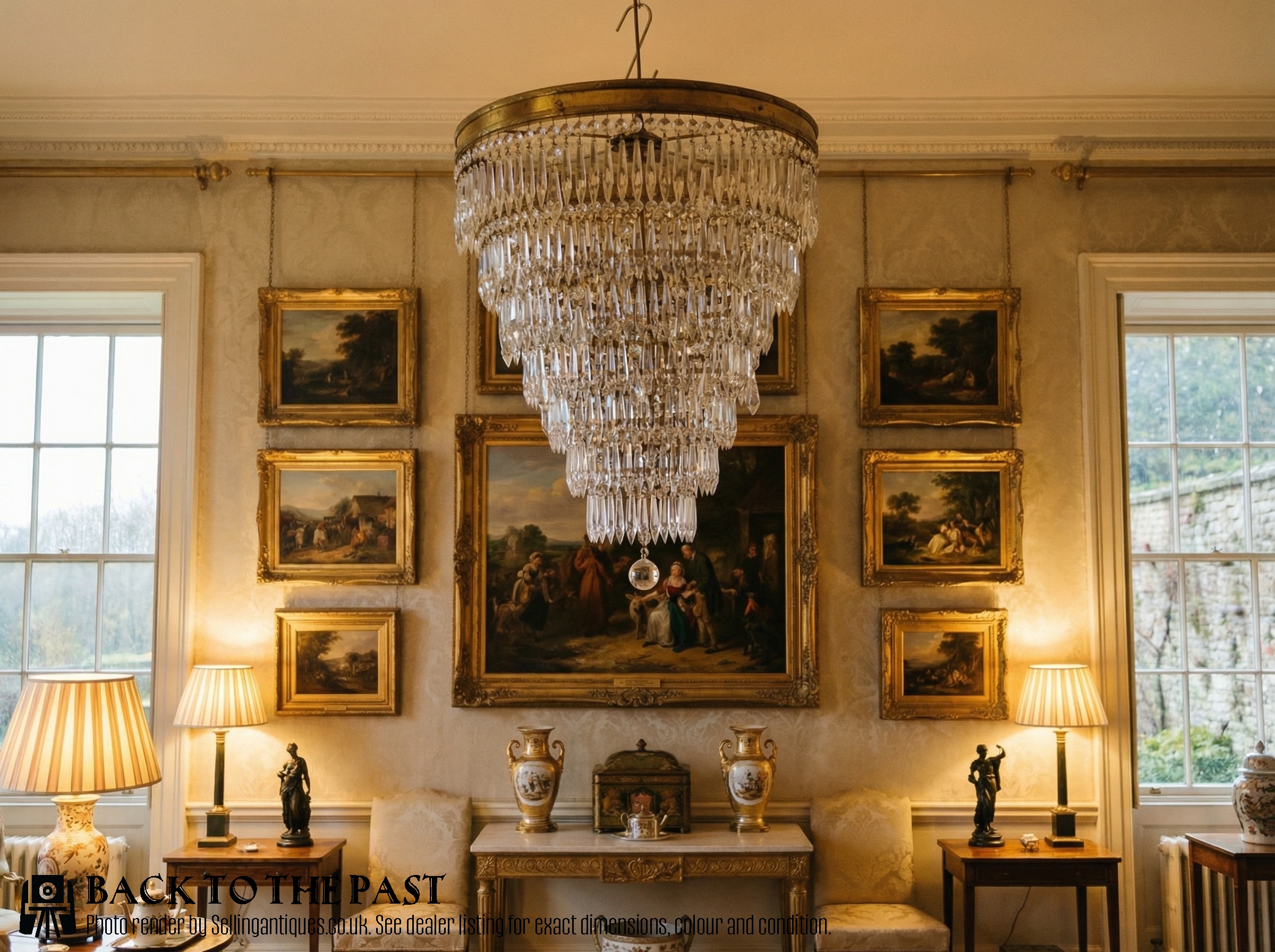
Traditional Pendant Light
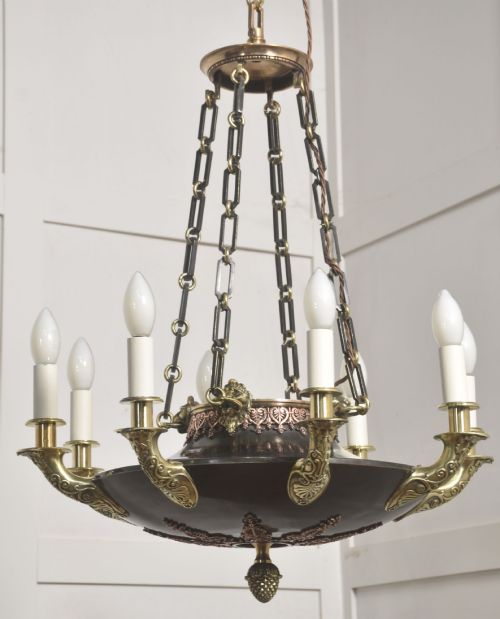
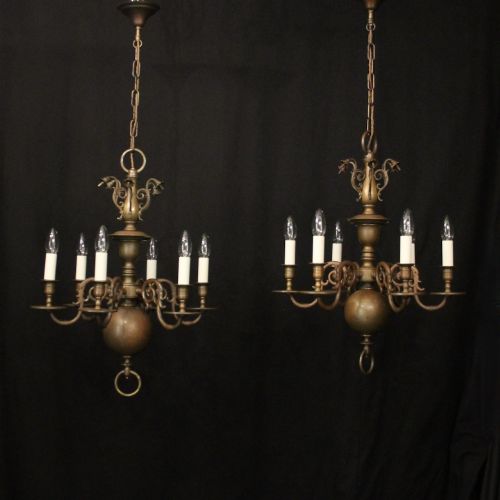
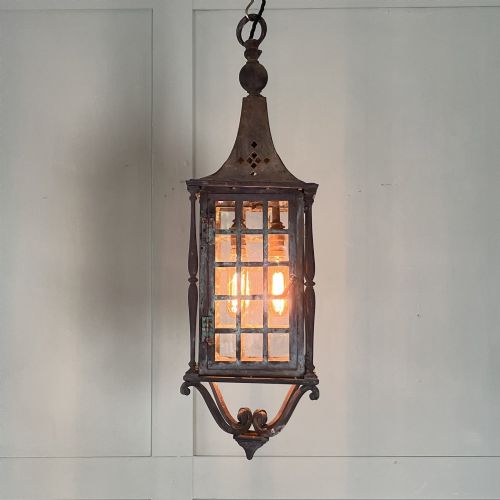
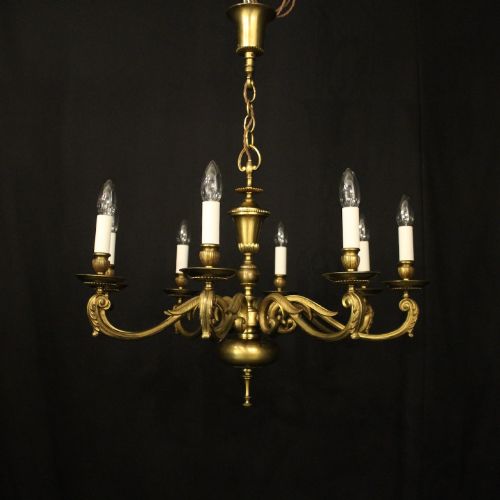
A traditional pendant light encompasses multi-arm chandeliers, hall lanterns, and ceiling lights suspended from above. When searching for a traditional pendant light, buyers encounter pieces originating from the nineteenth century through the nineteen-thirties, spanning Edwardian, Victorian, and various continental European styles.
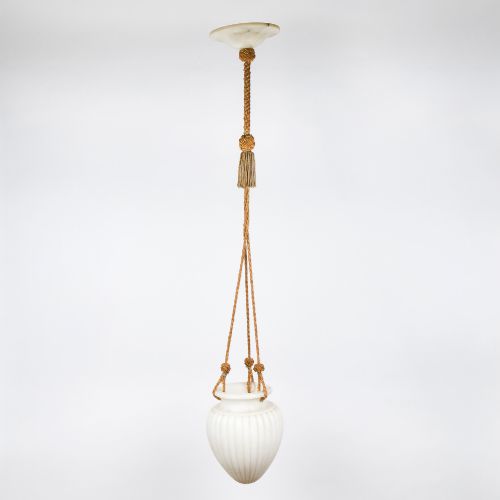
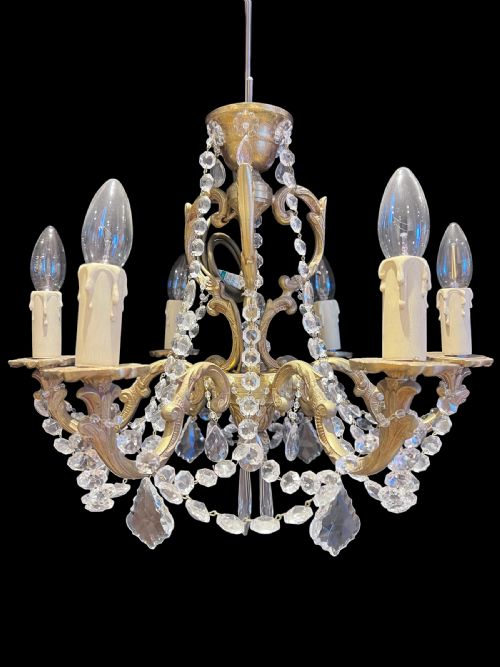
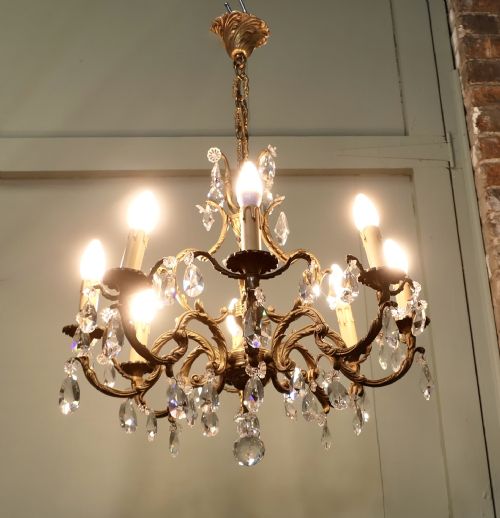
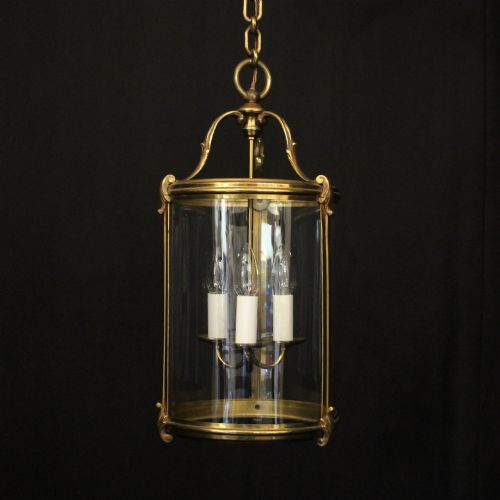
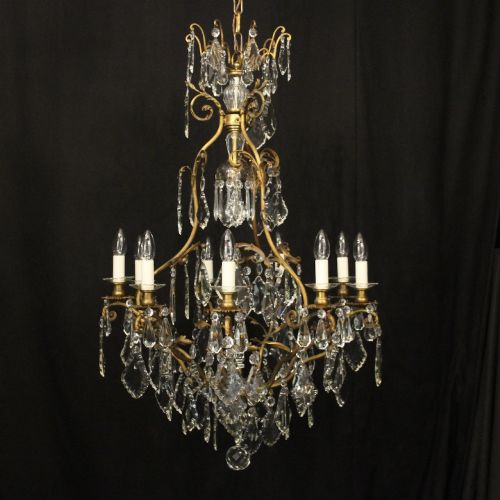
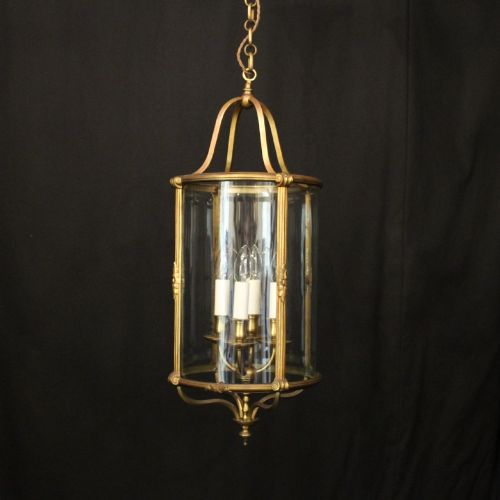
The selection on this page relies heavily on French and English designs, alongside Italian Florentine and Dutch styles. Common forms include multi-light brass chandeliers hung with crystal lustres, convex hall lanterns, and single-bulb glass plafonniers.
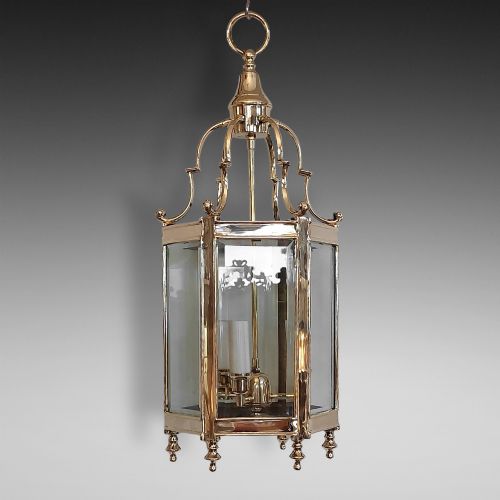
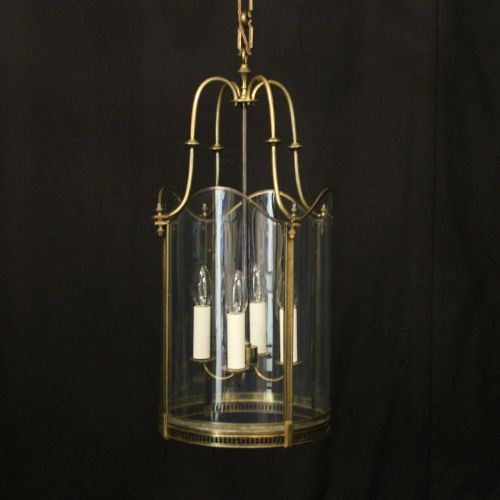
Lanterns and hanging lights frequently incorporate bevelled or bullseye glass panels held within metal frameworks. Chandeliers range from simple three-branch cast brass fixtures to large fifteen-light crystal tent and waterfall arrangements.
Materials and construction methods
Metalwork forms the structural backbone of these fixtures, utilising cast brass, bronze, copper, and gilt metals. Surfaces often receive a gilded or silvered finish, while darker pieces showcase patinated dark bronze.
Glass components include hand-blown bullseye panes, moonstone shades, cut glass acorn plafonniers, and moulded crystal lustres. Crystal drops and pendeloques hang from wire loops attached directly to the metal frames of larger chandeliers.
Traditional Pendant Light Retail Price Guide 2026
Typical asking prices for traditional pendant light among the pieces listed under this phrase on Sellingantiques today, from the lower quarter to the upper quarter. They describe what is for sale here now, not the wider market.
Some hall lanterns feature convex glass panes designed to project a wider, fish-eye view of the Victorian hallway back at unsuspecting visitors.
Distinctions in craftsmanship
Quality reveals itself in the weight and detailing of the metal castings, where crisp foliate chasing and substantial gauge brass separate superior fixtures from lighter stamped alternatives. Hand-blown glass panels displaying natural bubbles and uneven thickness indicate older, more authentic production compared to uniform modern glass.
The complexity of the glass dressing dictates visual richness, particularly in crystal chandeliers where cut glass tent strands and cascading waterfall drops require meticulous hand-assembly. Original surface gilding and preserved patination carry greater aesthetic depth than stripped or refinished metalwork.
The Traditional Pendant Light Glossary
- Plafonnier
- A ceiling light fixture mounted flush or semi-flush against the ceiling rather than suspended on a long chain. These often feature moulded or cut glass bowls enclosing the bulb.
- Lustre
- A cut crystal pendant or drop hung from the arms or crown of a chandelier to refract light. They appear in spear, teardrop, and button shapes.
- Tent and waterfall
- A specific chandelier configuration featuring an upper conical section of strung crystal beads falling to a wider tiered ring below. This design originated during the neoclassical period.
- Bullseye glass
- A round pane of glass featuring a prominent circular distortion or thick centre point created by the glassblower's pontil mark. It provides distorted, private illumination in hall lanterns.
- Ormolu
- Gilded bronze used extensively in French decorative lighting to provide bright metallic highlights against darker body elements. The technique involves applying a mercury and gold amalgam to the bronze base.
Traditional Pendant Light: Frequently Asked Questions
What is a traditional pendant light?
A traditional pendant light is a historic hanging ceiling fixture designed to illuminate interior spaces using historical design motifs from the nineteenth and early twentieth centuries. These pieces encompass multi-arm brass chandeliers, enclosed hall lanterns, and glass plafonniers.
They draw on periods like the Edwardian era, Victorian period, and nineteen-twenties revival styles. Materials commonly include cast brass, bronze, crystal, and hand-blown glass.
How do I clean crystal lustres?
Cleaning crystal lustres involves removing the delicate glass drops individually or wiping them in place using a specialised glass cleaning solution and a soft lint-free cloth. Harsh chemical sprays should be avoided to protect adjacent metal finishes.
For thorough cleaning, dismantling the crystal strands allows safe washing in lukewarm water with mild soap. Each piece must be dried completely before reattachment to the brass frame.
How do I date a brass hall lantern?
Dating a brass hall lantern relies on examining construction techniques, screw types, wiring methods, and stylistic cues associated with specific periods. Hand-cut slots on screws and heavy gauge cast brass often point to nineteenth or early twentieth-century manufacture.
Stylistic details such as Edwardian proportions or French Empire Revival motifs offer further chronological markers. Comparison with documented period examples helps confirm the exact era.
Are these lights compatible with modern wiring?
These historical fixtures accept modern electrical wiring, though older fittings frequently require rewiring to meet contemporary safety standards. Rewiring ensures the internal lamp holders and cables function reliably with standard domestic circuits.
Qualified restorers can thread modern heat-resistant flex through existing brass arms without altering the exterior appearance. LED bulbs suited for antique fittings can then be safely installed.