

Dutch Furniture
Dutch antique furniture brings rich cabinetmaking traditions into your rooms, offering remarkable marquetry and robust timbers that catch the eye.
Understanding Dutch antique furniture
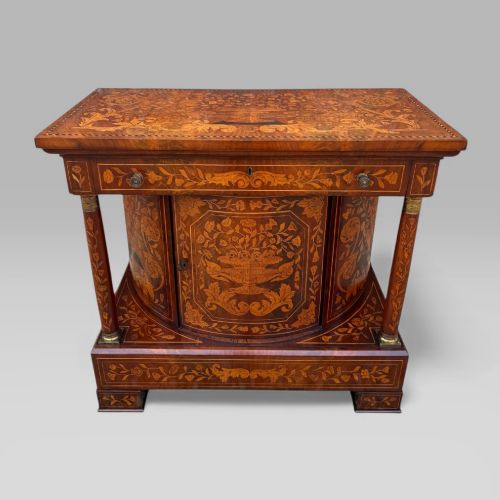
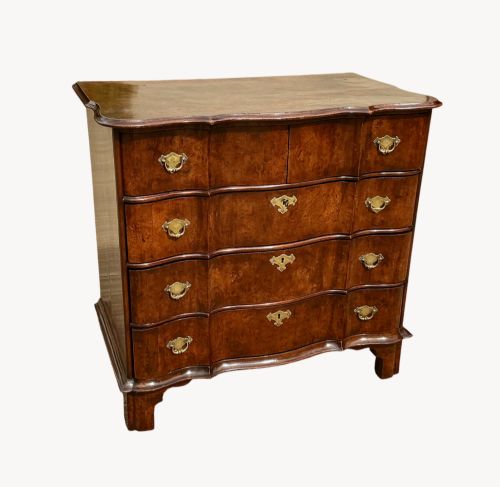
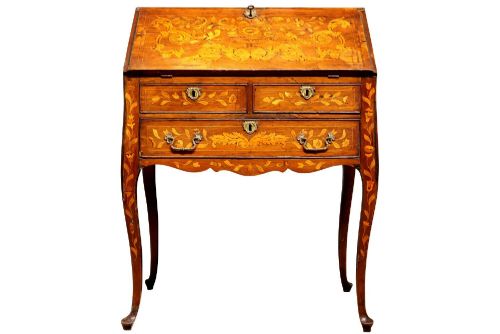
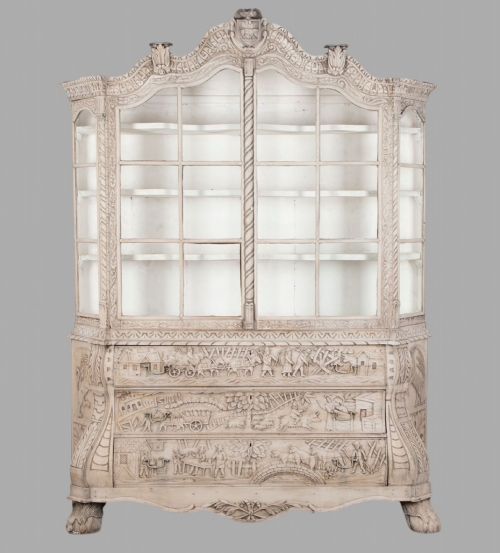
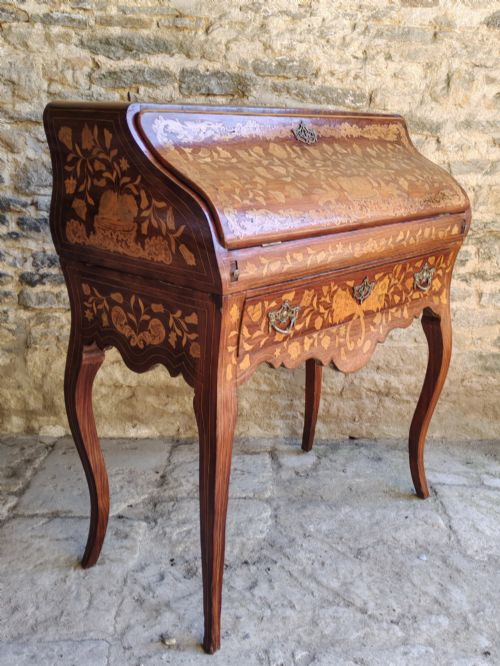
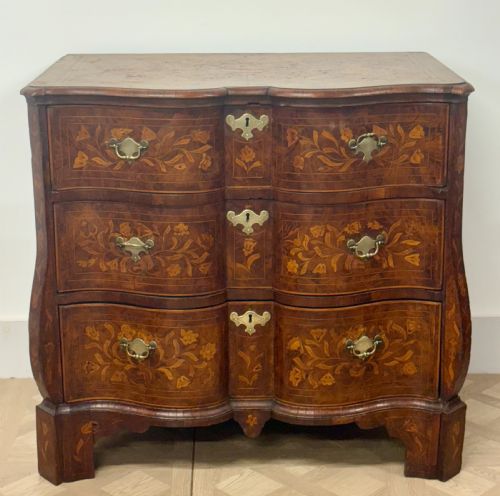
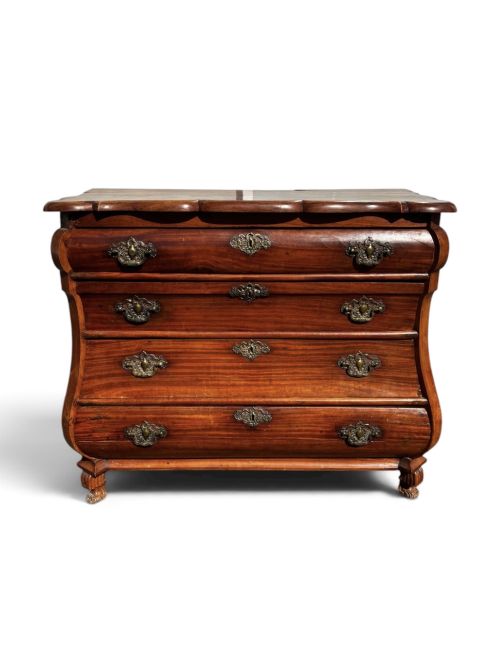
Most pieces date from the eighteenth and nineteenth centuries, spanning periods from strict neoclassical lines to exuberant rococo revival and baroque styles. Common regional expressions include serpentine fronts and complex marquetry motifs executed by skilled workshops.
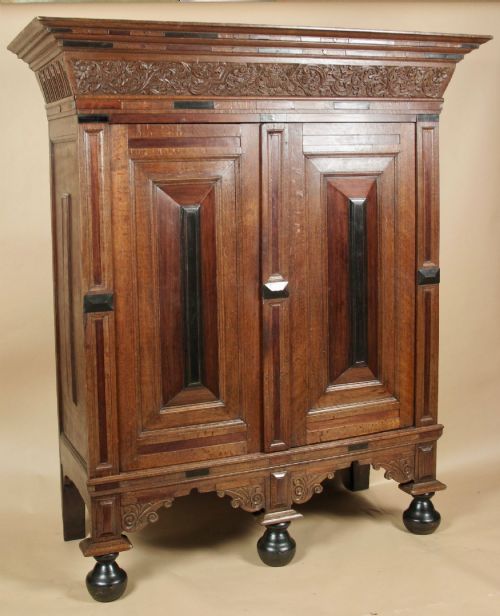
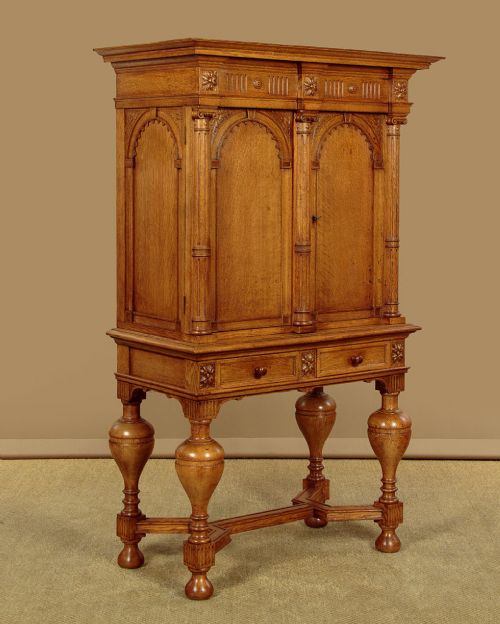
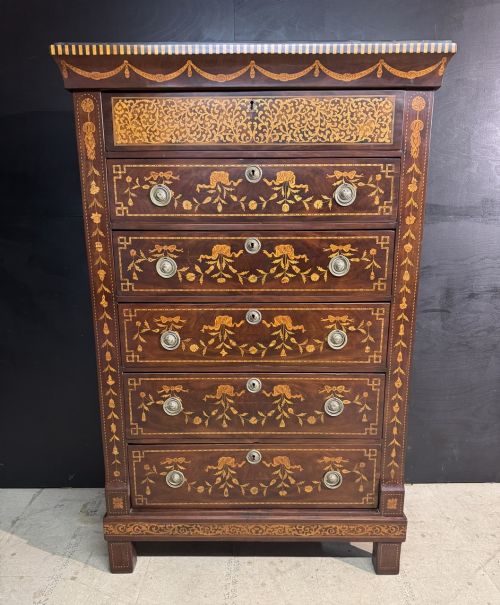
You are most likely to meet oak, walnut, and mahogany carcases embellished with intricate fruitwood inlays or burr elm veneers. These items served affluent domestic interiors, combining generous proportions with clever internal storage solutions.
Materials and construction methods
Cabinetmakers utilised robust structural timbers like oak and walnut for carcases, ensuring longevity and stability across shifting climates. These primary woods were frequently faced with highly figured veneers including burr elm and rich mahogany.
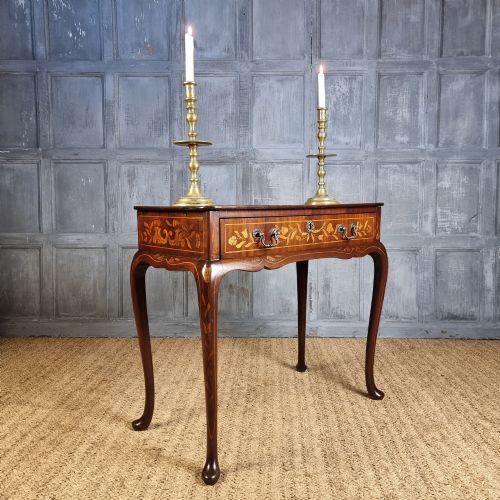
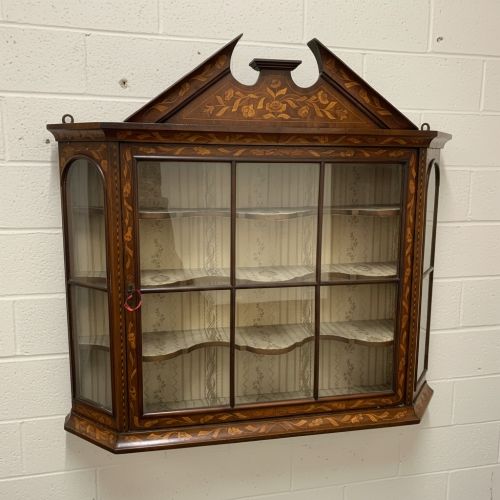
Surface ornamentation relied heavily on elaborate marquetry using various contrasting fruitwoods to create floral and pictorial scenes. Accents of grey marble tops and cast brass hardware completed the heavy, tactile construction of these traditional pieces.
Retail Price Guide 2026
Typical UK retail prices for dutch furniture, calculated from the Sellingantiques database of over a million retail prices indexed since 2003. This retail price guide relies exclusively on Sellingantiques data; no external sources or auction records are used, so the figures do not describe the wider market.
Some historic workshops produced intricate miniature silver chairs, proving that grand Dutch cabinetmaking traditions occasionally came in doll-sized proportions.
Judging the quality of craftsmanship
Quality reveals itself in the precision of the marquetry cutting and the harmonious grain selection across large drawer fronts and tabletops. Superior examples maintain crisp floral details in the fruitwood inlay without lifting or shrinkage cracks.
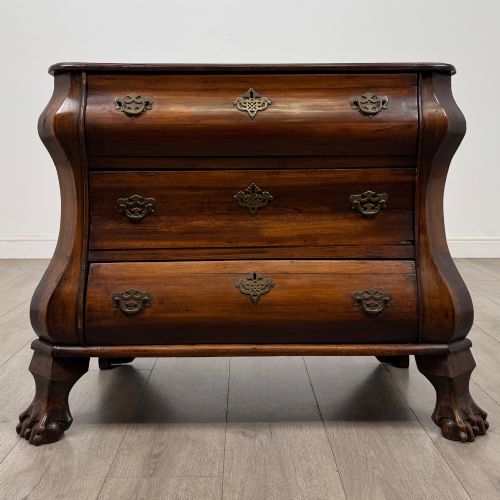
Structural integrity separates ordinary pieces from exceptional ones, particularly in the fluid shaping of serpentine fronts and cabriole legs. The integration of heavyweight materials like grey marble with fine timber carcases demands high technical skill.
The Dutch Furniture Glossary
- Marquetry
- Decorative veneer work arranged in intricate pictorial patterns using various coloured woods. This technique defined the rich surface ornamentation of many high-status cabinets.
- Serpentine
- A curved furniture front characterised by a convex centre flanked by concave ends. It creates a flowing, organic rhythm across heavy chests and commodes.
- Burr elm
- Highly figured timber featuring swirling knot clusters harvested from elm trees. It provides deep visual texture on drawer fronts and tabletops.
- Commode
- A low French-style chest of drawers that became popular in continental European cabinetmaking. These often feature luxurious marble tops and pronounced bombé or serpentine shaping.
Frequently Asked Questions
What periods do these pieces span?
The inventory predominantly covers the eighteenth and nineteenth centuries, including Victorian era items. You will find representative examples from distinct stylistic phases such as the baroque, rococo revival, and neoclassical periods.
Craftsmen during these eras adapted traditional forms with evolving decorative motifs. Dating relies on stylistic cues, timber choice, and structural assembly methods.
How were these cabinets used?
These items fulfilled practical storage and writing needs in affluent homes. Bureaux and writing slopes provided secure spaces for correspondence, while chests of drawers and commodes handled apparel.
Corner cabinets and card tables optimised domestic space for display and leisure activities. Their robust construction ensured they could withstand daily household demands.
How do I distinguish regional styles?
Dutch pieces often display heavier proportions and more exuberant marquetry compared to their English counterparts. The presence of serpentine fronts and floral fruitwood inlays points directly to continental workshop traditions.
Stylistic shifts from baroque gravity to neoclassical restraint help narrow down the decade of production. Examining the secondary woods inside drawers also aids in confirming origin.