
Dressing Table Footstool
A dressing table footstool brings period timber and upholstered comfort to a vanity space.
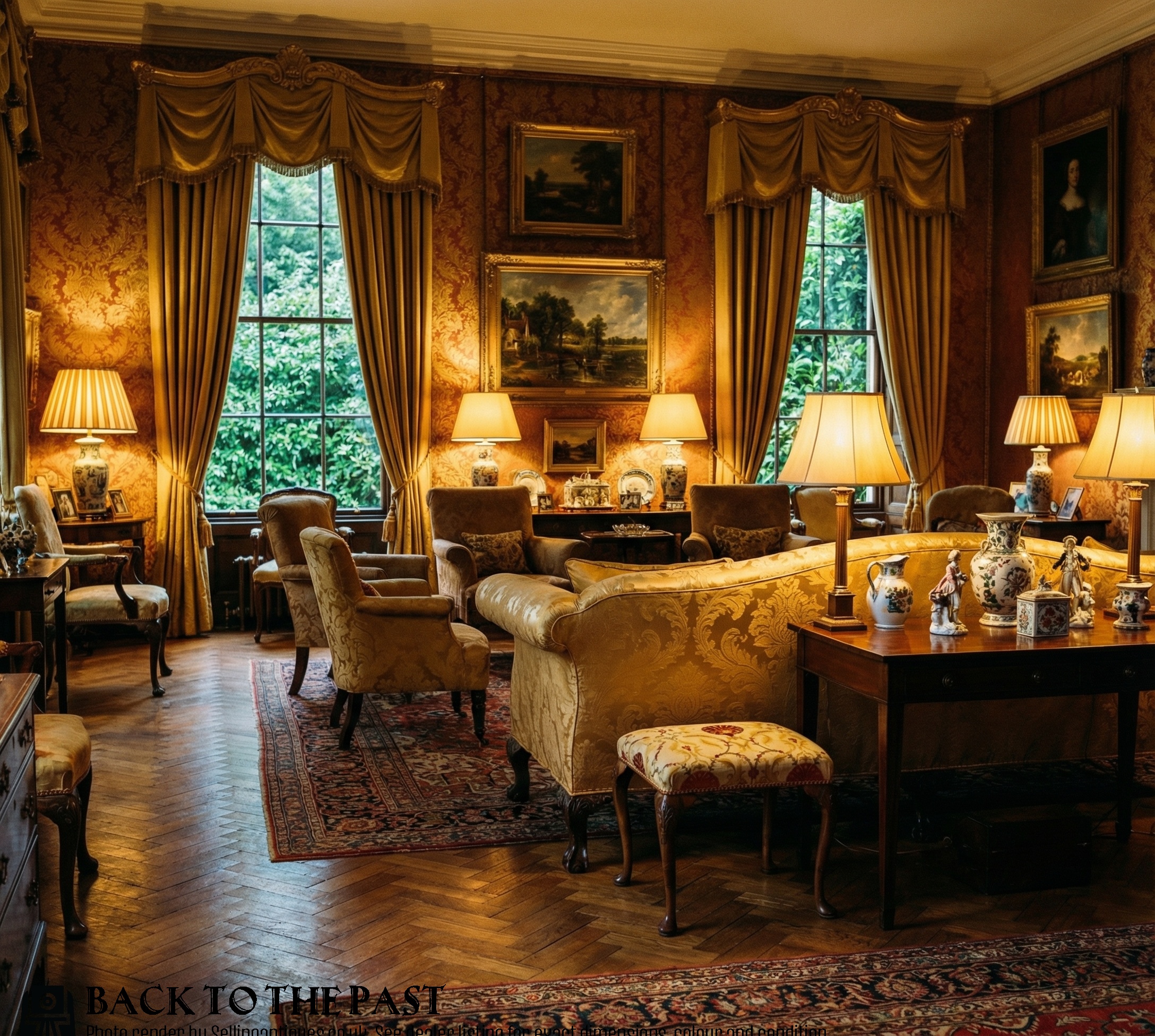
Dressing Table Footstool
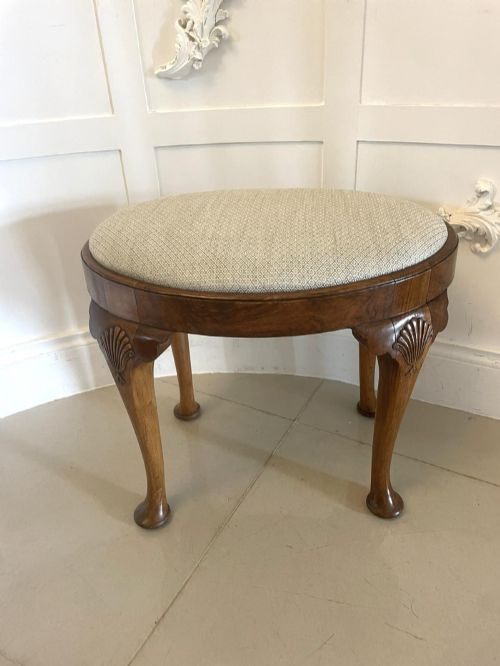
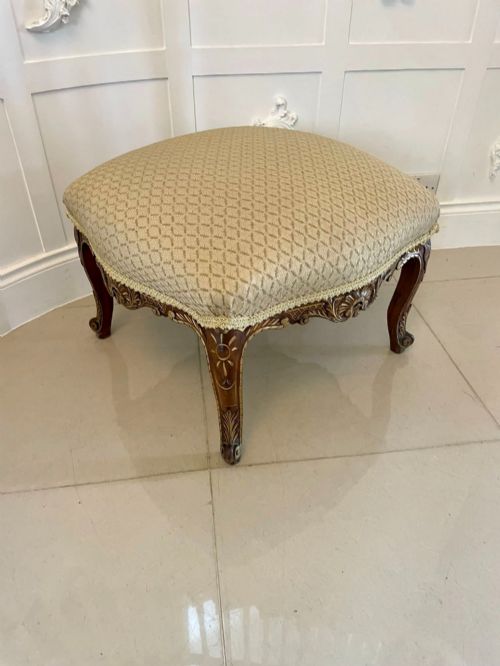
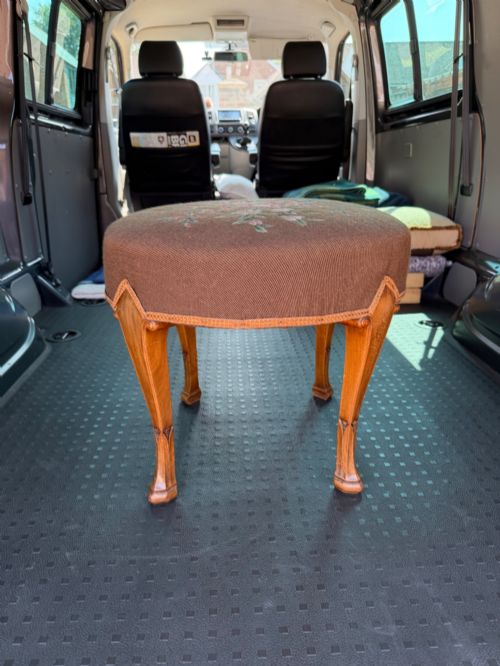
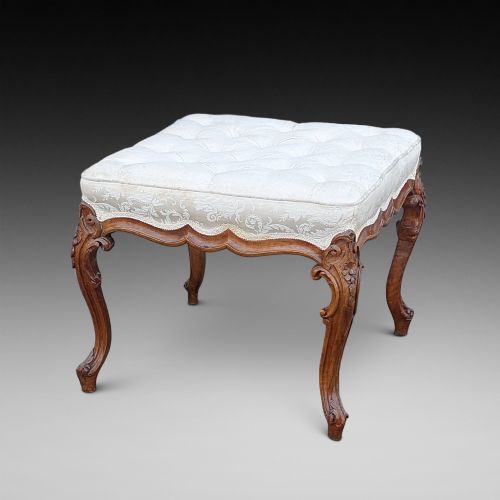
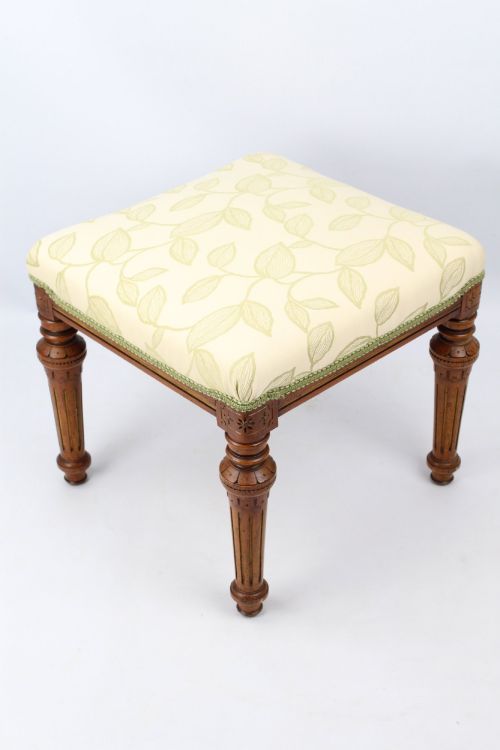
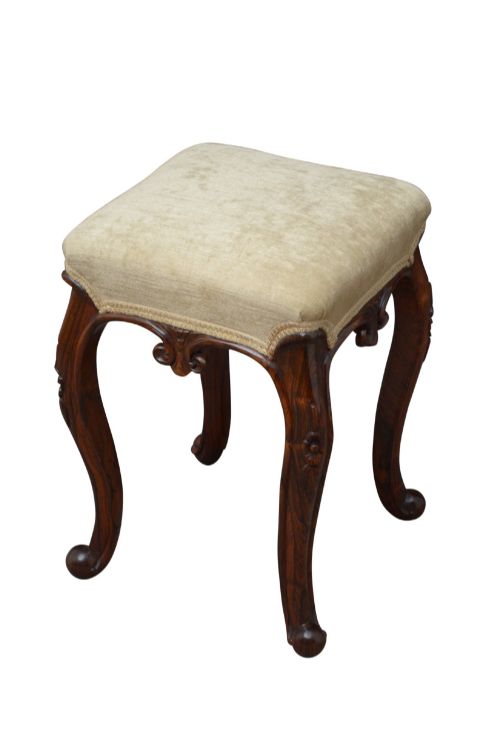
A dressing table footstool is a low seat designed to sit beneath a vanity, providing a comfortable place to sit during grooming routines. When you search for a dressing table footstool, you encounter diverse forms ranging from compact Victorian examples to streamlined Art Deco pieces.
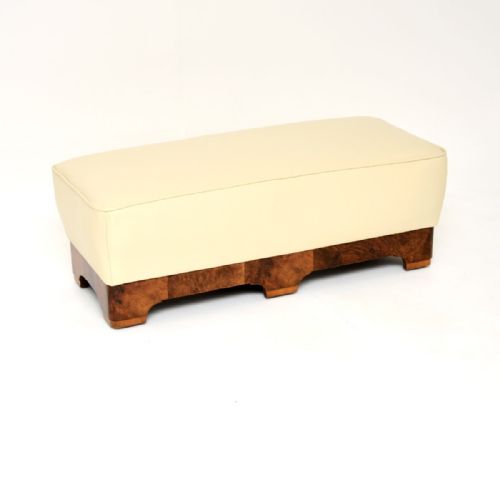
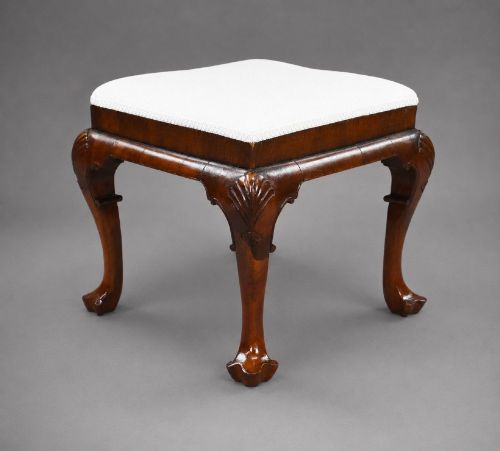
The pieces on this page span several distinct eras, with Victorian and 1930s examples appearing most frequently. You will find items categorised under various historical revivals, including Queen Anne style and Georgian style, alongside simpler Edwardian and mid-nineteenth-century forms.
Construction and Materials
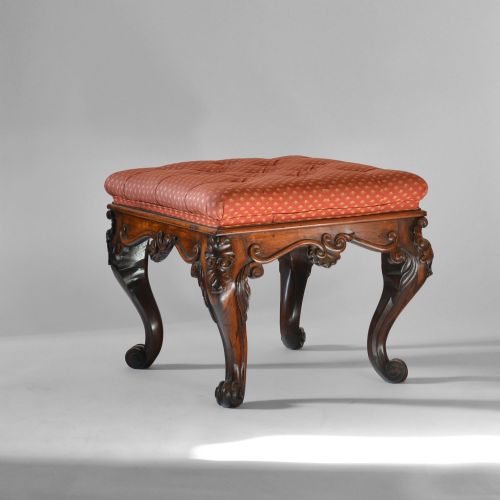
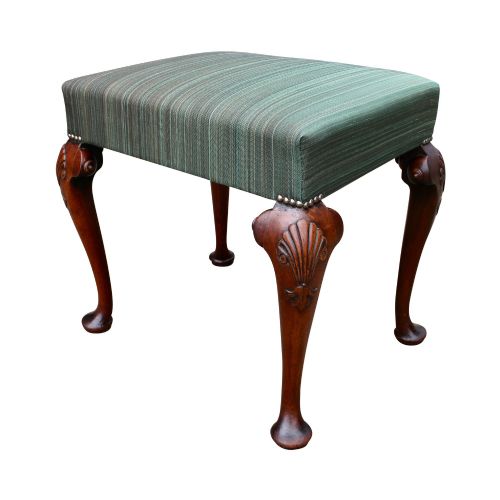
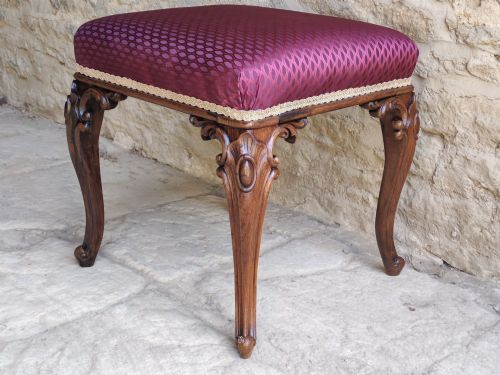
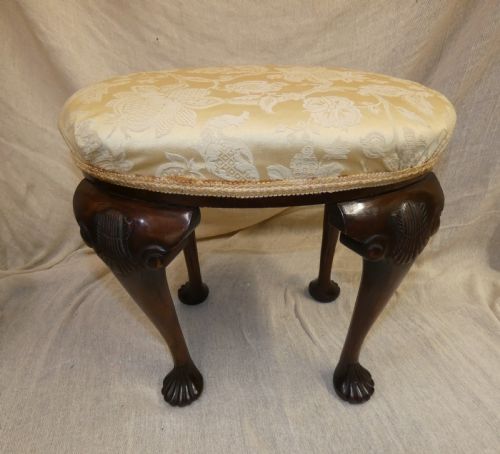
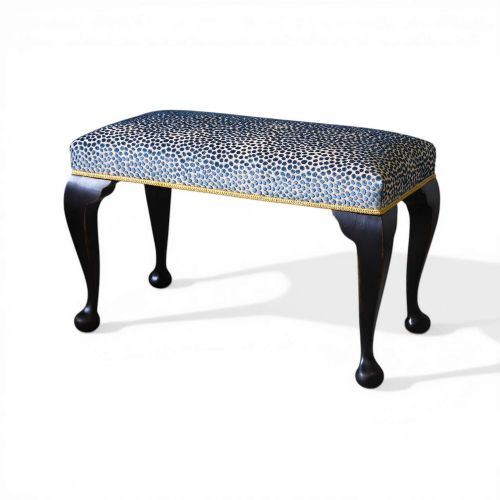
Frames rely heavily on traditional timbers such as walnut, mahogany, and rosewood, shaped into cabriole legs, turned supports, or carved details. Some specimens incorporate exotic woods like goncalo alves or birds eye maple, while others utilise beech, oak, or ebonised finishes.
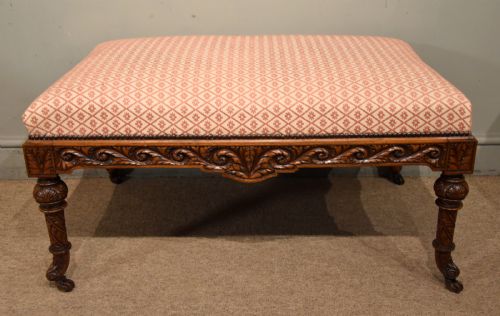
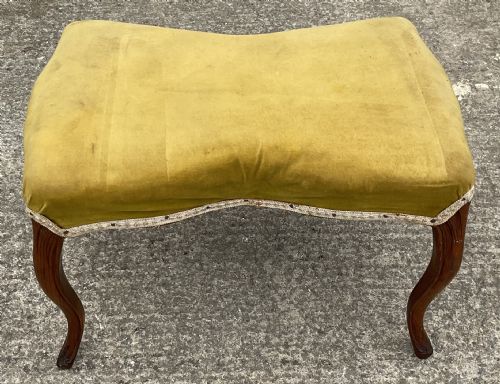
Upholstery forms an integral part of the construction, featuring traditional fabrics, velvet, leather, and needlepoint textiles. Frames often display carved ornamentation, gilding, cross stretchers, or bobbin turning executed by period cabinet makers.
Dressing Table Footstool Retail Price Guide 2026
Typical asking prices for dressing table footstool among the pieces listed under this phrase on Sellingantiques today, from the lower quarter to the upper quarter. They describe what is for sale here now, not the wider market.
Listings feature walnut as the most common timber, appearing alongside mahogany, rosewood, and leather across the nineteenth and twentieth centuries.
Defining Quality
Quality rests upon the crispness of the timber carving and the architectural proportion of the frame. Pieces featuring dense hardwoods like walnut or rosewood with well-defined cabriole legs demonstrate superior craftsmanship compared to simpler utilitarian variants.
The standard of upholstery and the retention of original decorative elements further distinguish finer examples. The integration of storage compartments or sophisticated joinery elevates certain pieces above standard seating.
Harry and Lou Epstein
The Dressing Table Footstool Glossary
- Cabriole leg
- A furniture leg that curves outward at the knee and tapers inward toward the foot, inspired by animal limbs. This form appears frequently on Victorian and revival-style dressing stools.
- Cross stretcher
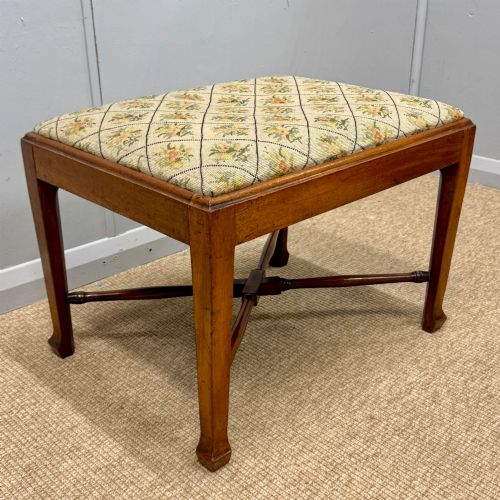
- Wooden rails connecting the legs near the base to provide structural stability. They often feature central turning or carving.
- Needlepoint
- A type of canvas work embroidery used for upholstery. It frequently appears on Victorian and Edwardian stool tops with floral or geometric patterns.
- Gilt
- A thin layer of gold leaf or gold paint applied to a wood surface. This finish enhances decorative framework on Victorian and French-style seating.
Dressing Table Footstool: Frequently Asked Questions
What is a dressing table footstool used for?
A dressing table footstool serves as a low seat positioned in front of a vanity or dressing table. It provides comfortable seating while attending to personal grooming or applying makeup.
Beyond functional seating, these compact pieces often function as decorative accents within a bedroom or dressing room. Their low profile allows them to slide neatly underneath furniture surfaces when not in use.
How do I date a dressing table footstool?
Dating a stool involves examining the timber species, upholstery technique, and structural characteristics. Victorian examples often feature heavy rosewood or walnut frames with cabriole legs, whereas 1930s pieces lean towards Art Deco burr walnut and leather.
Secondary indicators include tool marks on the underside of the wood and the construction methods used for the frame joints. Revival styles like Queen Anne can sometimes mimic earlier eras, so hardware and finish help confirm the true production period.
Are these stools comfortable for daily use?
Most pieces provide firm, supportive seating designed for short durations at a vanity. Many historical examples have received new upholstery or restoration work to ensure modern comfort.
Because they were built with traditional padding methods, they offer a sturdy upright seat rather than a deep lounge experience. Their compact dimensions make them easy to sit upon briefly during morning routines.
Can I use a piano stool as a dressing table stool?
Piano stools and dressing table stools share similar compact proportions and low heights. Many pieces from the nineteenth and early twentieth centuries were versatile enough to serve multiple domestic functions.
Some piano stools even incorporate internal storage beneath the seat, much like certain Art Deco vanity seating. This shared utility makes them interchangeable in modern rooms depending on your height and space requirements.