


Dresden Style Porcelain
Dresden style porcelain encompasses ornate European ceramics, largely from nineteenth-century German factories, prized for intricate floral decoration and figural modelling.
Dresden Style Porcelain
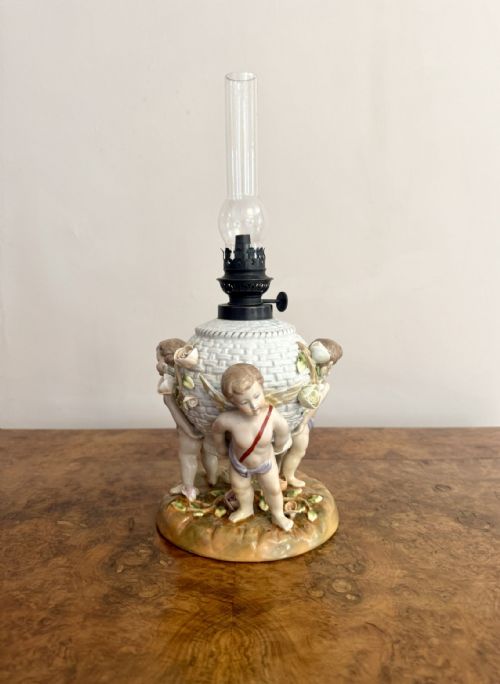
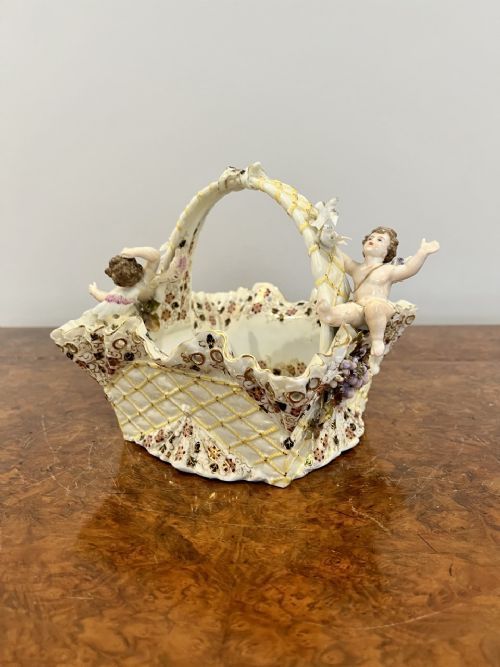
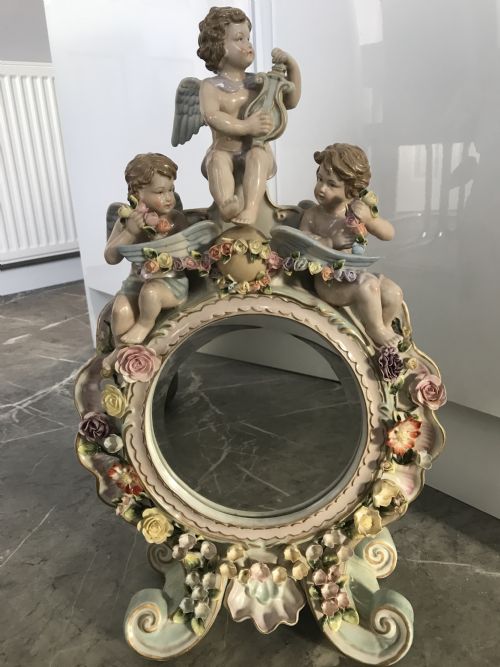
When you search for dresden style porcelain, you encounter elaborate nineteenth-century and early twentieth-century decorative pieces originating primarily from German factories and studios. The selection frequently includes large centrepieces, figural candelabra, lidded vases, and painted porcelain mirrors adorned with applied flowers and putti.
Many of these decorative objects draw inspiration from eighteenth-century models produced at Meissen, Chelsea, and other European centres. The aesthetic relies heavily on Rococo Revival styling, featuring scrolled bases, pastel glazes, and intricate hand-painted pastoral scenes.
Buyers are most likely to meet Victorian and Edwardian interpretations created by makers such as Sitzendorf, Schierholz, and Helena Wolfsohn. These pieces serve as striking decorative focal points for a room, combining utility with high sculptural detail.
What varies in quality
The sophistication of the palette and the restraint of the gilding also distinguish finer items. Skilled artists achieved subtle gradients in pastoral scenes and Watteau-style panels, while simpler workshop output relied on heavier, more uniform enamel washes.
Dresden Style Porcelain Retail Price Guide 2026
Typical asking prices for dresden style porcelain among the pieces listed under this phrase on Sellingantiques today, from the lower quarter to the upper quarter. They describe what is for sale here now, not the wider market.
Musical putti and grape-picking children populate these shelves, forever frozen in mid-song or harvest.
Sitzendorf·Volkstedt·Meissen·Paul Müller Selb·Ernst Bohne Söhne·Helena Wolfsohn·Carl Thieme·C.G. Schierholz and Sohn
The Dresden Style Porcelain Glossary
- Putti
- Representations of chubby male children, often winged, frequently used as sculptural supports on centrepieces and candelabra. They are a common motif in Rococo Revival design.
- Hard-paste porcelain
- A durable ceramic material fired at very high temperatures, composed of kaolin and petuntse. It forms the solid body of nineteenth-century German decorative objects.
- Rococo Revival
- A nineteenth-century design movement characterised by asymmetrical scrolls, C-curves, and naturalistic plant motifs. This style heavily influences the shape of these vases and mirrors.
- Gilding
- The application of gold leaf or powdered gold to ceramic surfaces to accentuate borders and handles. It provides a metallic contrast to painted enamel scenes.
Dresden Style Porcelain: Frequently Asked Questions
What is dresden style porcelain?
Dresden style porcelain refers to highly decorative nineteenth-century German ceramics known for intricate figural groups, applied flowers, and painted pastoral scenes. The designation covers work from various Saxon and Thuringian factories rather than a single workshop.
These objects include centrepieces, candelabra, and vases modelled after earlier eighteenth-century designs. They reflect the nineteenth-century revival of Rococo and Baroque aesthetics.
How were these decorative pieces used?
Original owners displayed these ornate items on dining tables, mantelpieces, and drawing-room side tables as symbols of refined taste and wealth. Centrepieces held fruit or flowers for formal dinners.
Other forms served practical purposes alongside their decorative function, such as oil lamps, dressing table mirrors, and lidded jars for potpourri. They were meant to be viewed closely to appreciate the fine sculptural details.
How do I care for antique porcelain?
Cleaning requires gentle dusting with a soft, dry brush to protect delicate applied flowers and fragile porcelain lace. Water and chemical cleaners can damage delicate enamel work and old gold leaf.
Placement away from direct sunlight and high-traffic areas prevents accidental knocks to protruding limbs and handles. Stable indoor temperatures protect the integrity of both the ceramic body and older brass or glass components.
How can I tell the period?
Dating relies on factory marks stamped or painted on the underside, stylistic indicators, and the type of porcelain body. Nineteenth-century pieces often display impressed or blue underglaze symbols specific to Saxon makers.
Stylistic shifts also help distinguish eras, as Victorian items lean towards heavier gilding and intense pastel palettes. Comparing specific hand-painted motifs against known historical pattern books clarifies the timeline.