



Dresden Decorative Porcelain
These dresden decorative porcelain pieces bring exuberant rococo revival modelling and intricate hand-painting into any room.

Dresden Decorative Porcelain
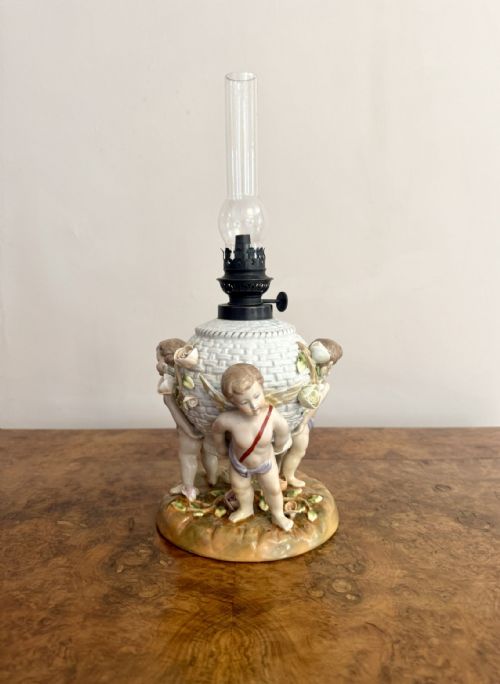
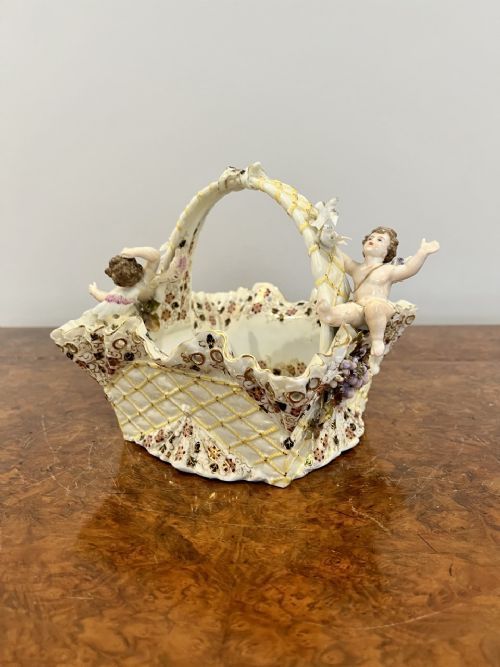
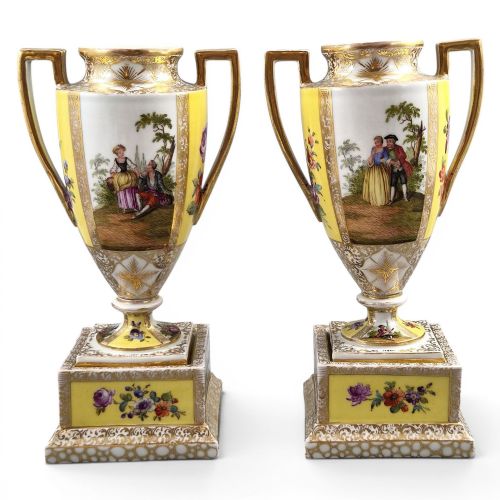
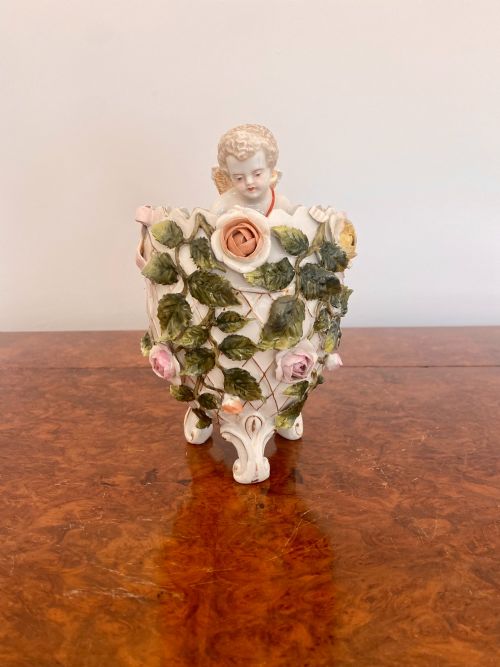
When you search for dresden decorative porcelain, you enter a colourful world of Victorian continental craftsmanship dominated by centrepieces, oil lamps, urns and baskets. These ornate objects date primarily from the nineteenth century, including Edwardian examples, showcasing elaborate floral motifs and figurative ceramic work.
You are most likely to encounter richly gilded vessels, lidded ginger jars and figural candelabra on this page. The forms lean heavily into rococo revival and neo-rococo styles, often featuring cherubs, allegorical figures and delicate hand-painted scenes.
How they were made
The makers utilised fine porcelain and ceramic bases, shaping them into complex forms such as decorative baskets, oval mirrors and gourd vases. Artisans applied detailed enamel painting by hand to create vibrant surface decoration across the ceramic body.
Gilding and gold leaf accentuation highlight raised relief details, while subsidiary materials like brass, glass and gilded enamel appear on specific mounted pieces and lamps. Firing and glazing techniques achieved the smooth, glossy finishes characteristic of the period.
Keep an eye out for the large porcelain elephant, because even serious Victorian drawing rooms occasionally required exotic ceramic fauna.
What varies in quality
The application of gold leaf and enamel also defines the tier of a piece, with heavy, lustrous gilding and precise blue ground coloration marking out the better workshops. Preservation of fragile porcelain elements and original mounts holds significant weight in overall execution.
Helena Wolfsohn·Sitzendorf·Schierholz·Herend·Carl Thieme
The Dresden Decorative Porcelain Glossary
- Rococo Revival
- A nineteenth-century design movement favouring asymmetrical scrolls, C-scrolls, floral abundance and theatrical ornamentation. This style heavily influences the shape of dresden decorative porcelain vases and mirrors.
- Gilding
- The application of gold leaf or powdered gold onto a porcelain or ceramic surface. It is frequently used to highlight rims, handles and relief moulding.
- Centrepiece
- A large decorative table ornament designed to command attention in the middle of a dining setting or sideboard. These often incorporate cherubs or figural groupings.
- AR Mark
- The Augustus Rex monogram used by various decorators and factories, most notably associated with Helena Wolfsohn pieces. It mimics earlier Meissen factory markings.
- Cabinet Plate
- A decorative ceramic plate intended for display in a cabinet or on a wall rather than for dining use. They often feature intricate hand-painted central scenes.
Dresden Decorative Porcelain: Frequently Asked Questions
What defines dresden decorative porcelain?
These pieces comprise nineteenth-century German and continental ceramics, particularly urns, figures, mirrors and lamps. They are distinguished by elaborate hand-painted designs and heavy rococo revival styling.
Many bear historical decorator marks or imitate earlier Meissen aesthetics, focusing heavily on ornamental display rather than utility.
How were these porcelain items used?
Objects such as centrepieces, lidded jars and cabinet plates served as grand interior ornaments for Victorian parlours and drawing rooms. They demonstrated the owner's taste and wealth through ornate craftsmanship.
Functional items like oil lamps combined domestic utility with elaborate ceramic sculptural bases featuring cherubs and flowers.
How do I care for dresden porcelain?
Keep these fragile decorative pieces away from direct sunlight to preserve the vibrancy of the hand-painted enamels and gold leaf. Dust them very gently with a soft, dry brush.
Avoid using water or liquid cleaners, particularly around gilded areas and delicate applied porcelain flowers, which snap off easily.
How do I identify different periods?
Examine the base for factory marks, monograms like the AR mark, and the style of the hand-painted decoration. Nineteenth-century examples often display deep rococo revival moulding and rich blue grounds.
Edwardian and later twentieth-century pieces tend to show subtle shifts in paste texture, glaze brightness and secondary mounting materials like brass.