



Ceramic Mantle Urns
Ceramic mantle urns bring together porcelain, enamel, and gilt bronze across the nineteenth century and the early twentieth.

Ceramic Mantle Urns
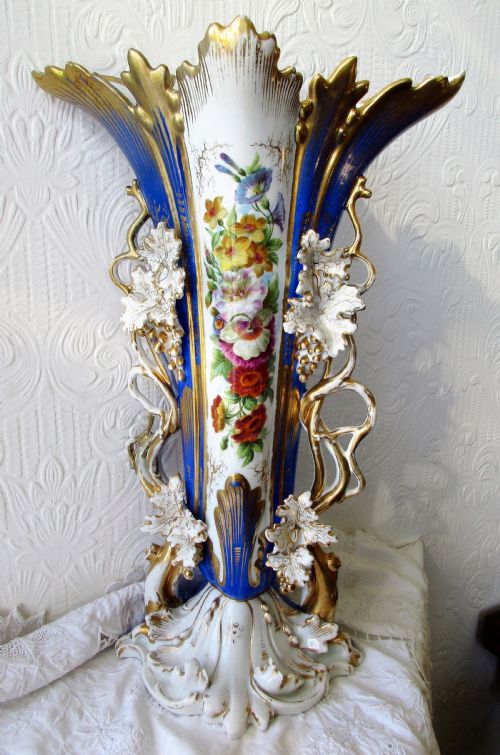
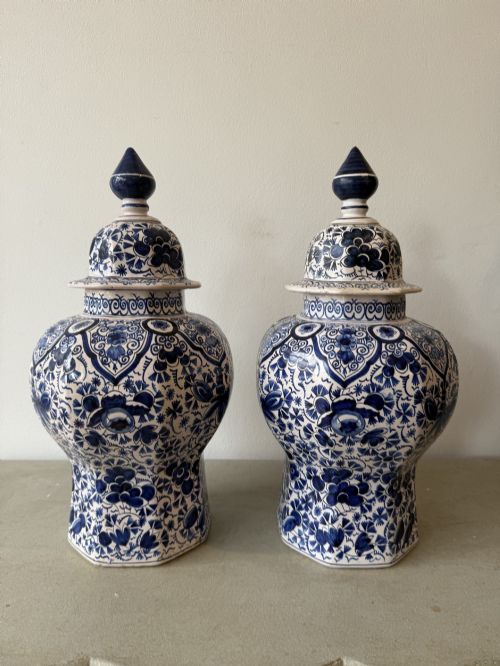
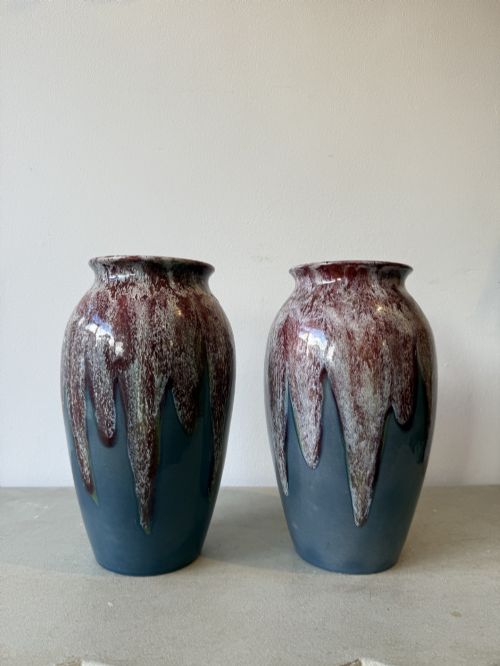
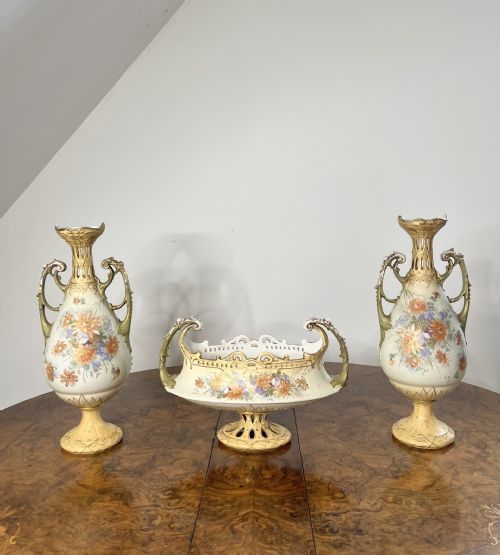
When you search for ceramic mantle urns, you are looking at decorative vessels, lidded vases, and garniture sets designed to sit on a chimney piece. The pieces available span the nineteenth century and the early twentieth, originating from English, French, German, and Japanese workshops.
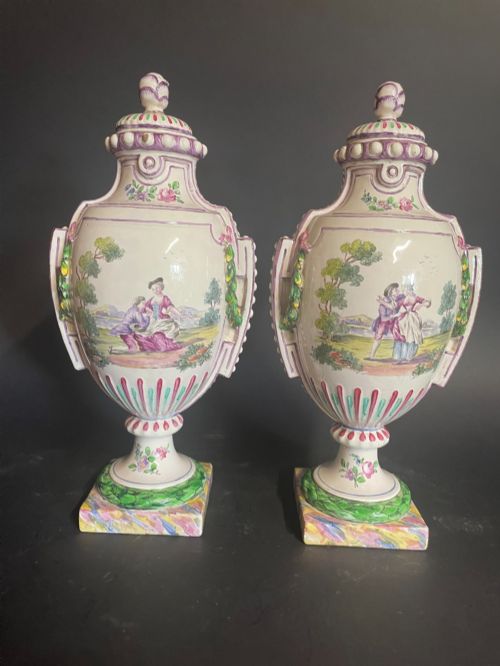
You are most likely to meet pairs or multi-piece garnitures in porcelain, earthenware, and faience. Styles range from Rococo revival and Neoclassical to Japanese Imari and art pottery.
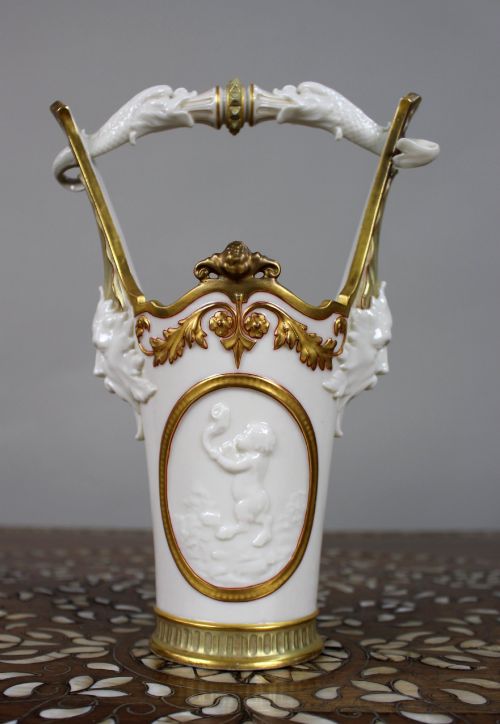
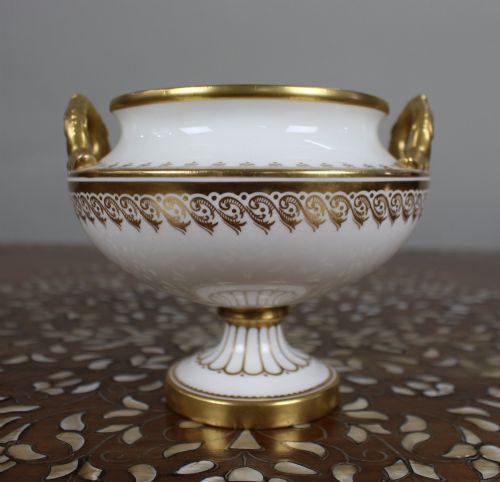
The forms include two-handled urns, ewers, and centrepieces decorated with hand painting, gilding, and transfer printing. These items served primarily decorative functions in period interiors.
Materials and construction
Potters shaped these vessels using porcelain, tin-glazed earthenware, and fine clays before firing them in kilns. Many pieces incorporate applied handles, moulded ornament, and fitted lids.
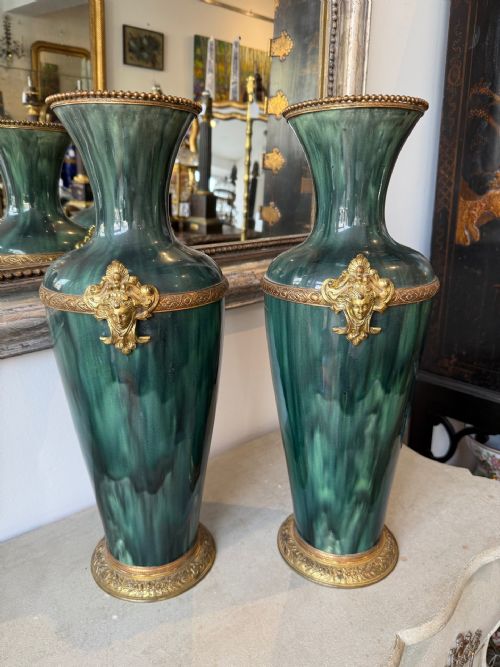
Decoration relied on hand painting, polychrome enamels, and pate-sur-pate work applied to the ceramic body. Gilding, gold leaf, and ormolu mounts added metallic contrast to the fired surfaces.
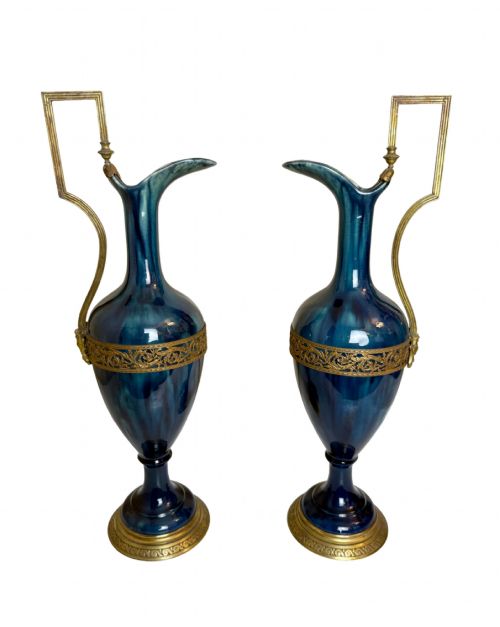
Mounters secured gilt bronze and brass hardware around necks, bases, and handles to complete the decorative scheme. Individual artists signed or marked specific works, recording the painter or the factory origin.
Walter Powell painted delicate storks on Royal Worcester porcelain before his career ended with his disappearance from a cross-channel ferry in 1913.
Assessing quality
The standard of painting and the precision of the gilding set apart the finest examples from standard production pieces. Hand-painted portraits, botanical studies, and intricate bird subjects by named artists elevate a piece above simple transfer-printed decoration.
The integration of metal mounts, such as gilt bronze or ormolu, indicates the tier of manufacture. Castings that fit the ceramic body snugly without excessive clearance show superior workshop execution.
The crispness of the porcelain moulding and the complexity of the form define the upper range. Multi-piece garniture sets matching in colour tone and decorative finish represent higher ambition than isolated single vases.
Royal Worcester·Royal Vienna·Doulton Lambeth·Minton·Sceaux Faience
The Ceramic Mantle Urns Glossary
- Garniture
- A set of matching vases or urns, usually three, four, or five pieces, designed to be displayed together on a mantle. They share a uniform decorative scheme and graduated sizes.
- Ewer
- A large jug with a wide spout and an ornate handle, often produced as a decorative display piece rather than for pouring liquids. These frequently appear in nineteenth-century ceramic groupings.
- Pate-sur-pate
- A ceramic decoration technique where layers of liquid clay are built up on a coloured body to create a low relief cameo effect. This method requires considerable skill from the ceramic artist.
- Imari
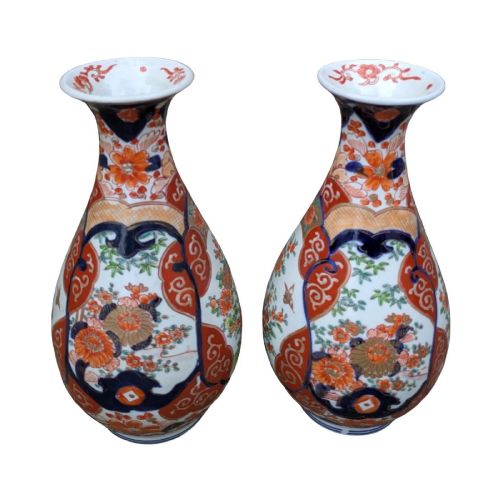
- A style of Japanese export porcelain featuring characteristic underglaze blue and iron red highlights, often enriched with gold. European factories frequently copied these distinct colour palettes.
Ceramic Mantle Urns: Frequently Asked Questions
What is a ceramic mantle urn?
A ceramic mantle urn is a decorative vessel made from porcelain, earthenware, or pottery, shaped to stand on a fireplace mantelpiece. These objects functioned as ornamental focal points in period reception rooms.
They appear as single vessels, pairs, or part of larger garniture sets alongside matching side vases. Manufacturers across Europe and Japan produced them in various revivals of classical and oriental styles.
How were garniture sets displayed?
Garniture sets were arranged across a fireplace mantelpiece or a large sideboard to create visual symmetry in a room. The tallest urn usually occupied the centre position, flanked by matching smaller vases or ewers.
This method of display originated in the seventeenth century with the import of Asian porcelain and remained popular through the Victorian and Edwardian periods.
How do I identify nineteenth-century styles?
Nineteenth-century ceramic urns often draw on historical design movements such as the Rococo Revival, Neoclassical, and French Rococo. Makers also drew inspiration from Japanese Imari and domestic art pottery traditions.
Examining the paste, the application of gilding, and any factory marks on the base helps narrow down the period and place of origin.
Can these urns hold water?
While many ceramic urns and vases are fully glazed and water-tight, others were created strictly as decorative showpieces. Some feature metal mounts, unglazed biscuit porcelain, or delicate hand-painted surfaces that discourage practical use.
It is best to treat antique decorative vases as ornamental objects rather than functional flower holders to preserve their finish.