

Doulton Glazed Pottery
Doulton glazed pottery brings together decades of studio skill, solid stoneware bodies and decorative finishes ranging from Victorian motifs to Art Nouveau curves.
Doulton Glazed Pottery
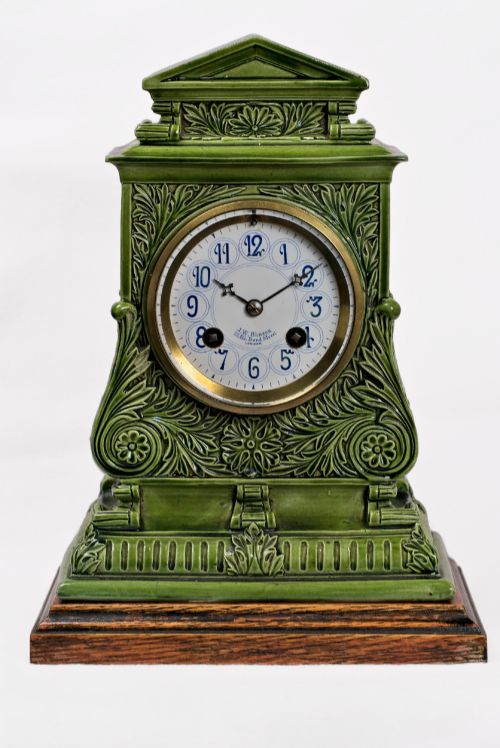
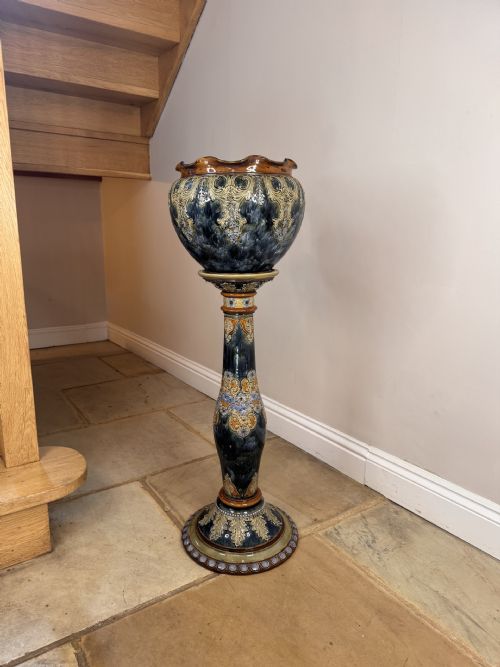
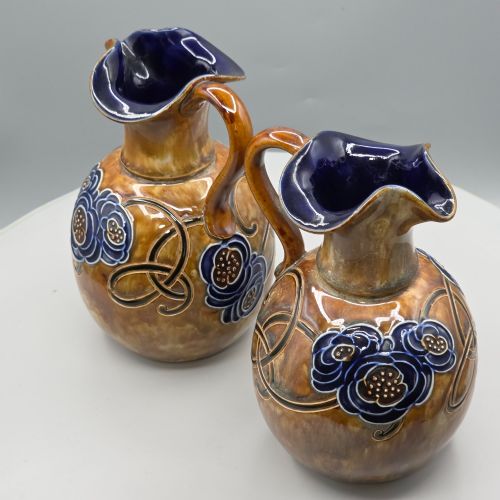
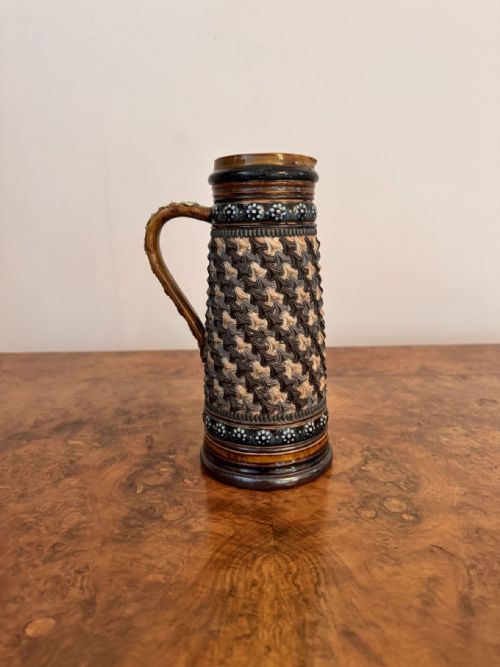
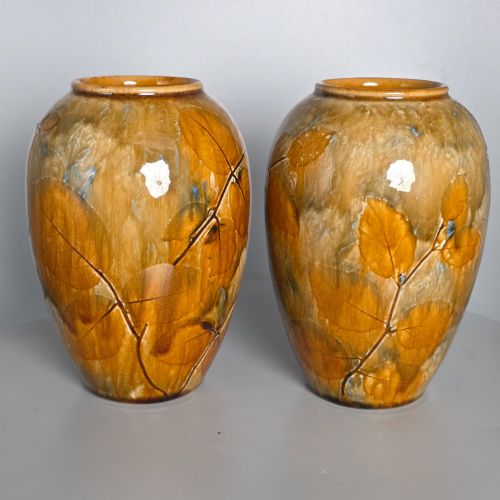
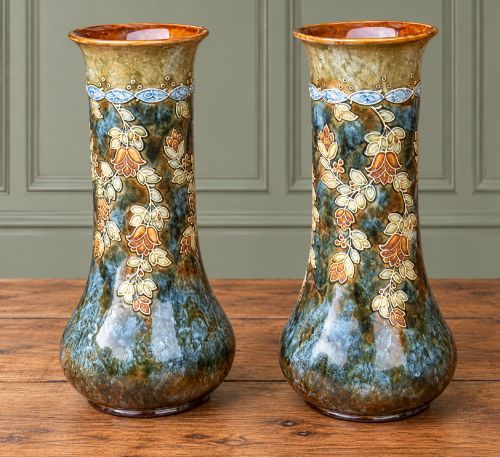
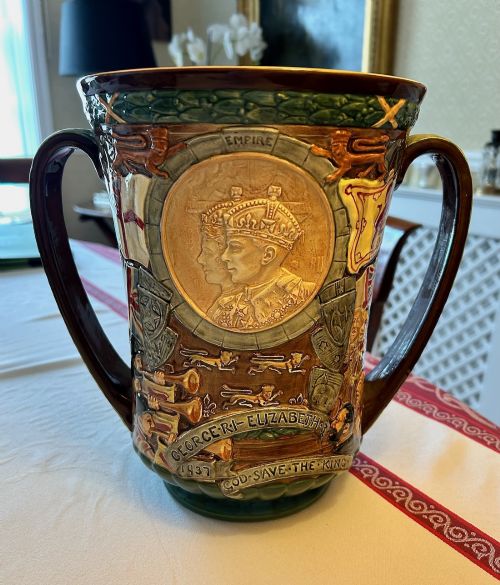
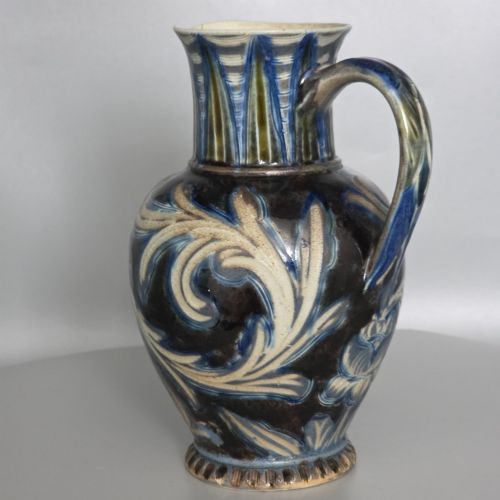
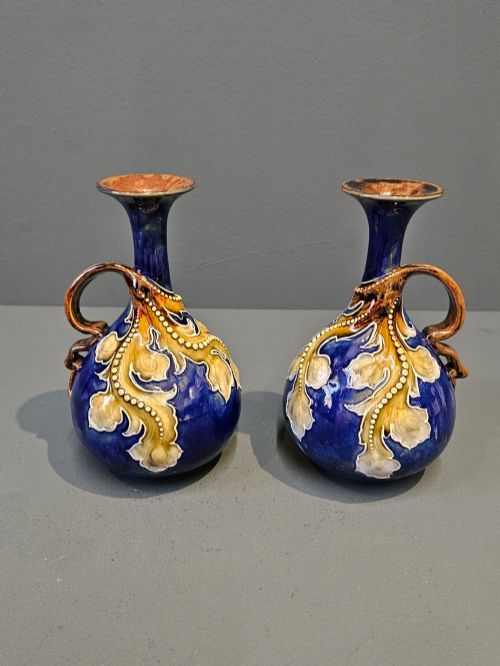
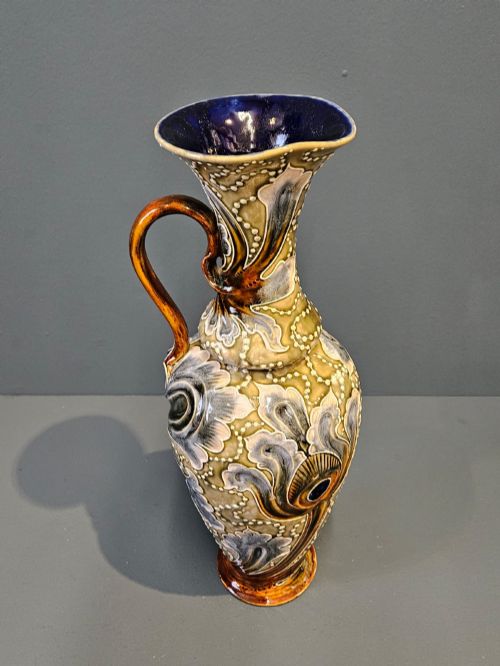
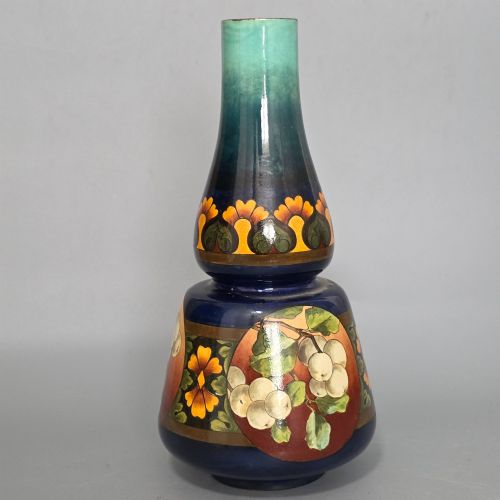
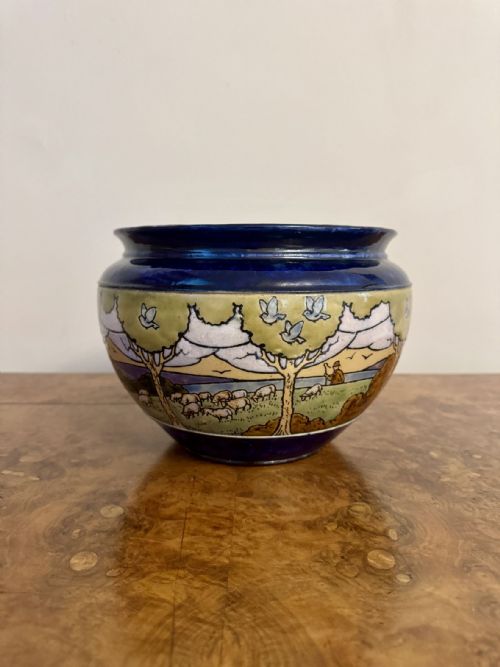
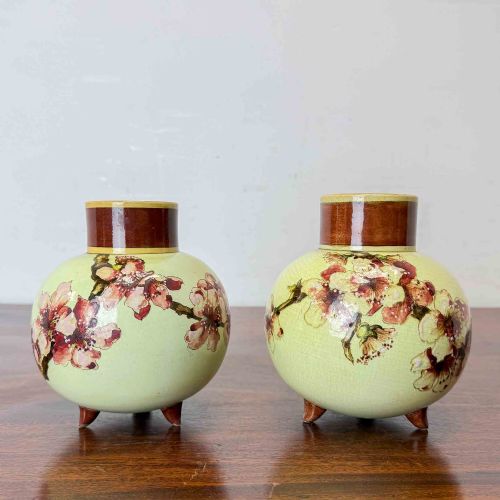
When you search for doulton glazed pottery, you encounter a varied selection of vessels spanning the Victorian period through the nineteen-thirties. The most common forms on this page are vases, jugs, pitchers and jardiniere pots, created in styles such as Arts and Crafts, Art Nouveau and Art Deco.
The objects originate primarily from workshops associated with the nineteenth and early twentieth centuries, with Doulton Lambeth and Royal Doulton productions forming the core of the selection. These pieces range from utilitarian harvest jugs to highly decorated exhibition vases adorned with floral and foliate patterns.
How they were made
Potters shaped durable stoneware and earthenware bodies on the wheel or in moulds before applying glazes, enamel colours and salt-glaze treatments. Artisans incised, stamped and painted surface designs directly onto the clay body.
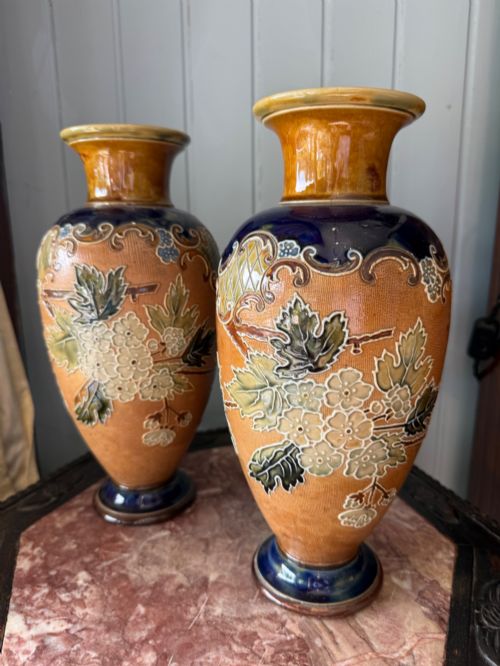
Specialised techniques such as Slaterware utilised lace textures pressed into the damp clay, while Intarsio faience introduced colourful underglaze painting reminiscent of inlaid tiles. Silver mounts were often added to finished vessels by metalworkers.
Doulton Glazed Pottery Retail Price Guide 2026
Typical asking prices for doulton glazed pottery among the pieces listed under this phrase on Sellingantiques today, from the lower quarter to the upper quarter. They describe what is for sale here now, not the wider market.
A golfing motif appears on a brown glazed whisky flask, proving that early potters understood the enduring appeal of a good round.
What varies in quality
The standard of an individual piece rests upon the crispness of the incised ornament and the control shown during the firing and glazing processes. Hand-painted examples decorated by named artists display a higher level of compositional detail than standard factory output.
The reputation of the decorator, the complexity of the surface technique and the preservation of the original glaze finish determine the standing of each vessel within the wider range of production.
Alice Euphemia Thatcher·Louisa Wakely·Eliza Simmance·Ethel Beard·Emma Shute·Emily Edwards
The Doulton Glazed Pottery Glossary
- Stoneware
- A hard, vitrified pottery body fired at high temperatures, making it impervious to liquid without needing a fine interior glaze. It forms the heavy, durable base for much of the output.
- Salt glaze
- A decorative finish achieved by throwing common salt into the kiln during high-temperature firing, producing a characteristic textured surface resembling orange peel. This technique is frequently seen on nineteenth-century jugs.
- Slaterware
- A patented technique involving pressing real lace or woven fabrics into damp clay to create textured, patterned backgrounds that were then coloured and glazed. It gives a tactile fabric-like quality to the ceramic surface.
- Intarsio
- A colourful faience earthenware method developed to mimic inlaid wood or mosaic work through printed and painted underglaze decoration. Pieces treated this way display rich pictorial designs.
- Baluster
- A vertical architectural form characterised by a rounded lower body tapering to a narrower neck, commonly seen in the profile of tall decorative vases.
Doulton Glazed Pottery: Frequently Asked Questions
How do I date Doulton pottery?
Dating relies upon factory stamps, impressed monograms and stylistic shifts between Victorian revival designs and later Art Nouveau or Art Deco patterns. Markings evolved from early Lambeth imprints to later Royal Doulton crowns.
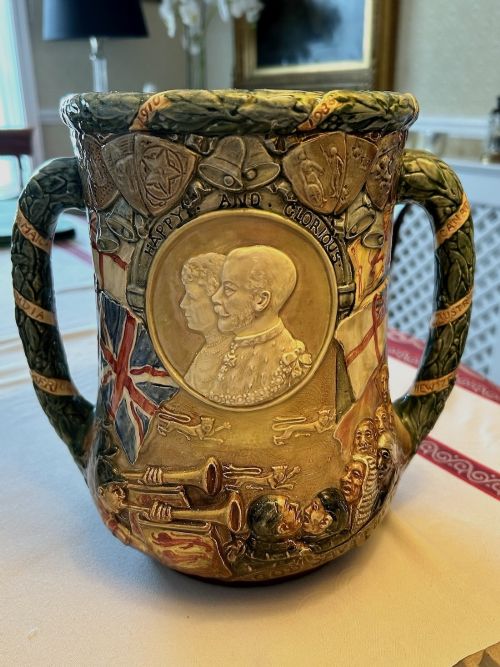
Changes in glaze types and the presence of commemorative royal jubilee text also help narrow down the decade of manufacture.
What is Doulton Slaterware?
Slaterware is a distinct type of decorative pottery where textured materials like lace were pressed into damp clay before firing. This created patterned, tactile surfaces across vases and jugs.
Invented in the late nineteenth century, these pieces often feature contrasting glazed panels and gilded highlights.
Where were these pieces made?
The majority of these ceramics originated in England, primarily at the Lambeth pottery in south London and later at the Burslem works in Stoke-on-Trent. Lambeth focused heavily on artistic stoneware.
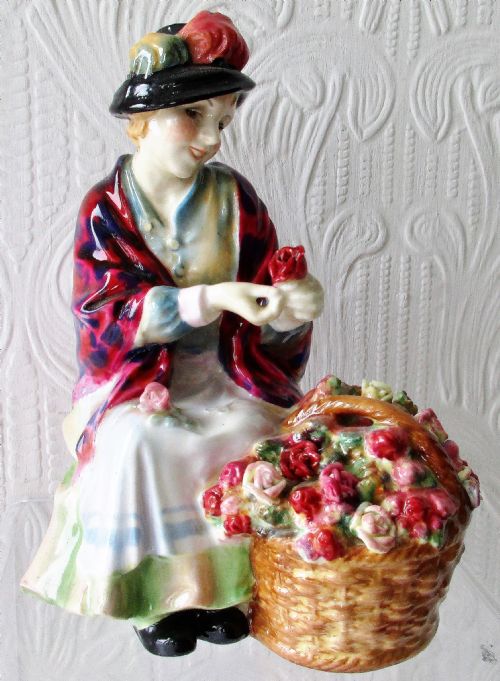
Burslem later handled much of the finer earthenware, porcelain figurines and commemorative ware.
How should I display stoneware?
Stoneware and glazed earthenware suit stable shelving away from direct sunlight and sudden temperature changes. Their solid weight makes them secure for tabletop display.
Pare them with neutral backgrounds to let the varied textures, glazes and hand-incised patterns stand out clearly.