



Vintage Ceramic Candleholder
These vintage ceramic candleholder pieces bring tactile weight and historic form to a room, offering both practical light and sculptural presence.
Vintage Ceramic Candleholder
A vintage ceramic candleholder encompasses forms ranging from modest chambersticks to elaborate figural candelabra and wall sconces. When searching for a vintage ceramic candleholder, buyers encounter Victorian art pottery, Edwardian novelty designs, and continental porcelains from the nineteenth and early twentieth centuries.
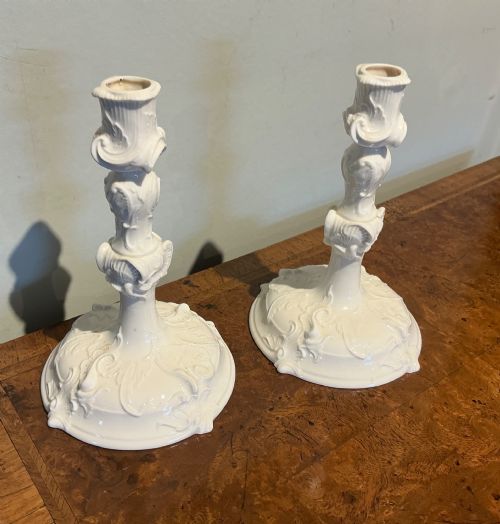
The selection leans heavily toward pairs, including German figural candlesticks and Wedgwood jasperware. Functional items such as chambersticks share space with decorative Rococo Revival and Neoclassical table pieces.
Origins stretch across English potteries and continental European manufactories, representing periods from the Victorian era through the nineteen-thirties.
How they were made
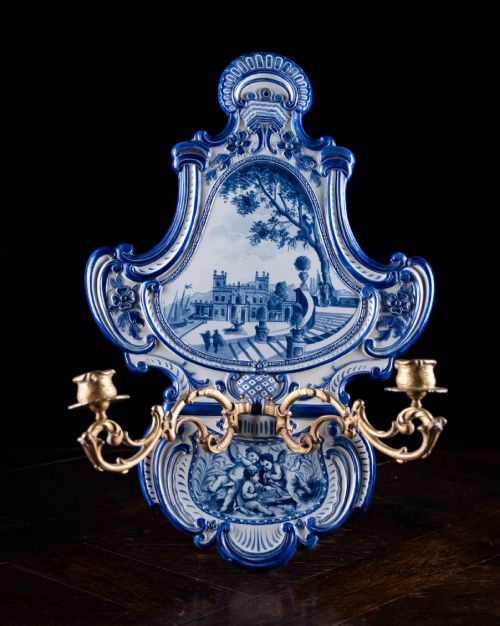
Makers utilised porcelain, stoneware, and ironstone china, often combining ceramic bodies with brass, ormolu, and gilt mounts. Hand-painted glazes, enamel decoration, and moulded reliefs define the surface treatment across these items.
Figural pieces involve detailed hand-modelling of ceramic forms, paired with applied floral elements and coloured underglazes. Stoneware production relies on dense, vitrified clay bodies finished with specialised glazes.
Vintage Ceramic Candleholder Retail Price Guide 2026
Typical asking prices for vintage ceramic candleholder among the pieces listed under this phrase on Sellingantiques today, from the lower quarter to the upper quarter. They describe what is for sale here now, not the wider market.
Hunting foxes and garden produce populate these porcelain bases, proving that Victorian mantelpieces enjoyed a sense of humour.
What varies in quality
The integration of mixed materials, such as ormolu mounts fitted to ceramic bodies, distinguishes high-tier production from standard workshop output. Consistency in the glaze finish and the stability of the mounted components mark the upper end of the range.
Nymphenburg·Villeroy and Boch·Wedgwood·Royal Doulton·Sitzendorf·Meissen·Royal Worcester Hadley·Mason·Royal Bayreuth
The Vintage Ceramic Candleholder Glossary
- Chamberstick
- A low candleholder featuring a wide drip pan and a loop handle, designed for carrying from room to room. These practical items often date from the Victorian period.
- Candelabra
- A branched candlestick holding multiple lights on a single base. These larger pieces frequently incorporate figural elements or elaborate Rococo styling.
- Jasperware
- A type of fine stoneware pioneered by Wedgwood, characterised by a matte surface and contrasting moulded reliefs. It appears in multi-colour combinations on nineteenth-century pieces.
- Ormolu
- Gilded bronze used for mounts, feet, and decorative framing on porcelain bodies. This technique adds metallic contrast to ceramic candleholders.
- Ironstone
- A heavy, durable type of ceramic patented in the nineteenth century to imitate porcelain. It provides a robust body for patterned tablewares and holders.
Vintage Ceramic Candleholder: Frequently Asked Questions
How do I use an antique chamberstick?
These pieces function safely with standard taper candles, provided you check that the base sits level on a flat surface.
The wide drip pan catches melted wax, protecting furniture during use.
What is the difference between a candlestick and a candelabra?
Candlesticks hold a single candle upright on a central shaft and base. Candelabra feature multiple branches to support several candles simultaneously.
Larger candelabra examples often serve as decorative centrepieces rather than simple light sources.
How do I clean glazed porcelain safely?
Dust surfaces gently with a soft brush to protect delicate painted details and applied floral elements. Avoid soaking pieces with mounted metal parts or gilt decoration in water.
Lukewarm water and mild soap suffice for sturdy glazed ceramic bodies without metal mounts.
How do I identify Victorian pieces?
Victorian items often display characteristic styles like Rococo Revival, Neoclassical motifs, or heavy art pottery glazing. Examining the base helps determine the period through factory marks and manufacturing methods.
English and continental pieces from this era rely on ironstone, porcelain, or dense stoneware.