


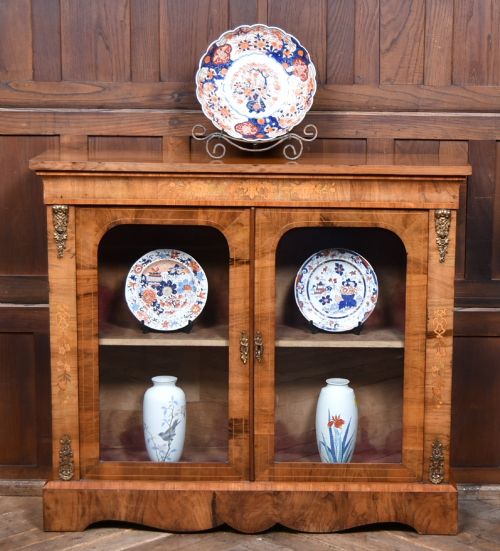
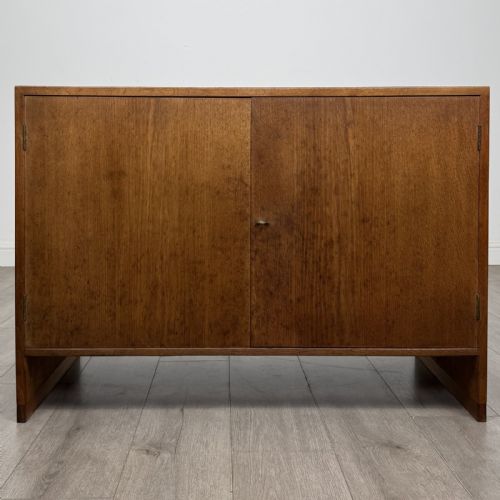
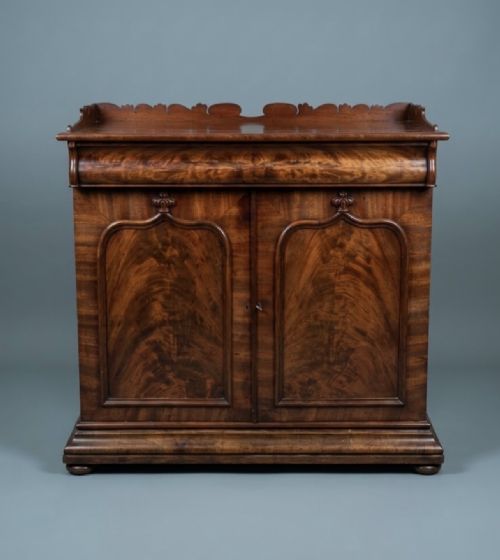
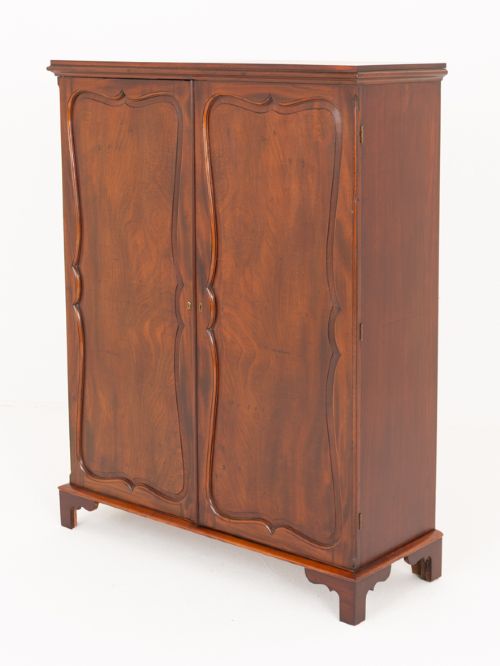
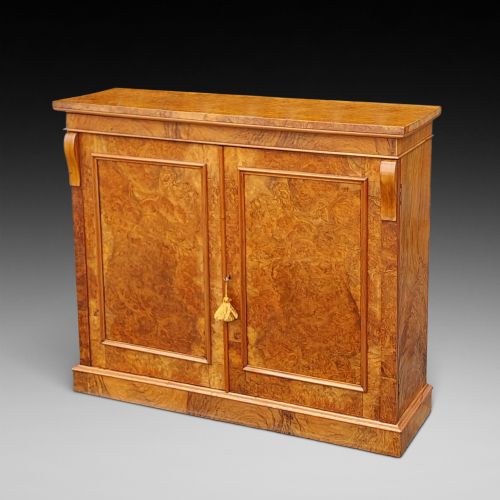
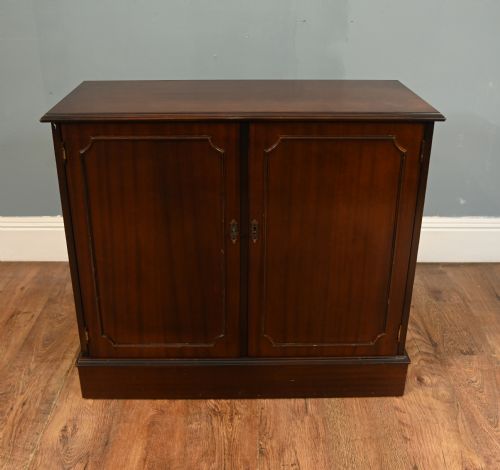
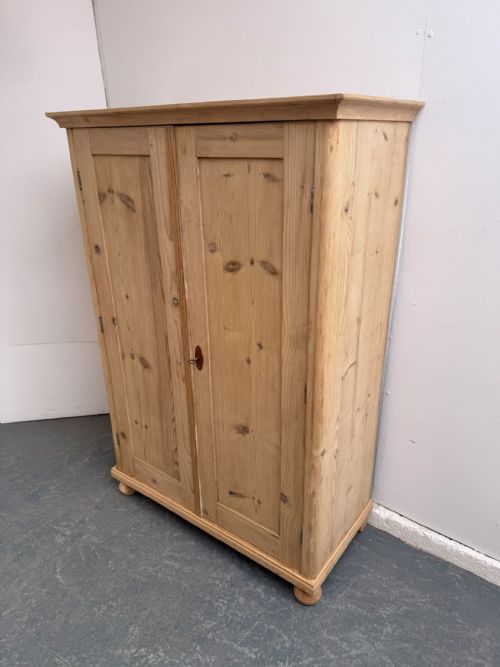


Double Door Side Cabinet
A double door side cabinet offers generous enclosed storage while sitting neatly against a wall, making it a practical and handsome choice for any room.
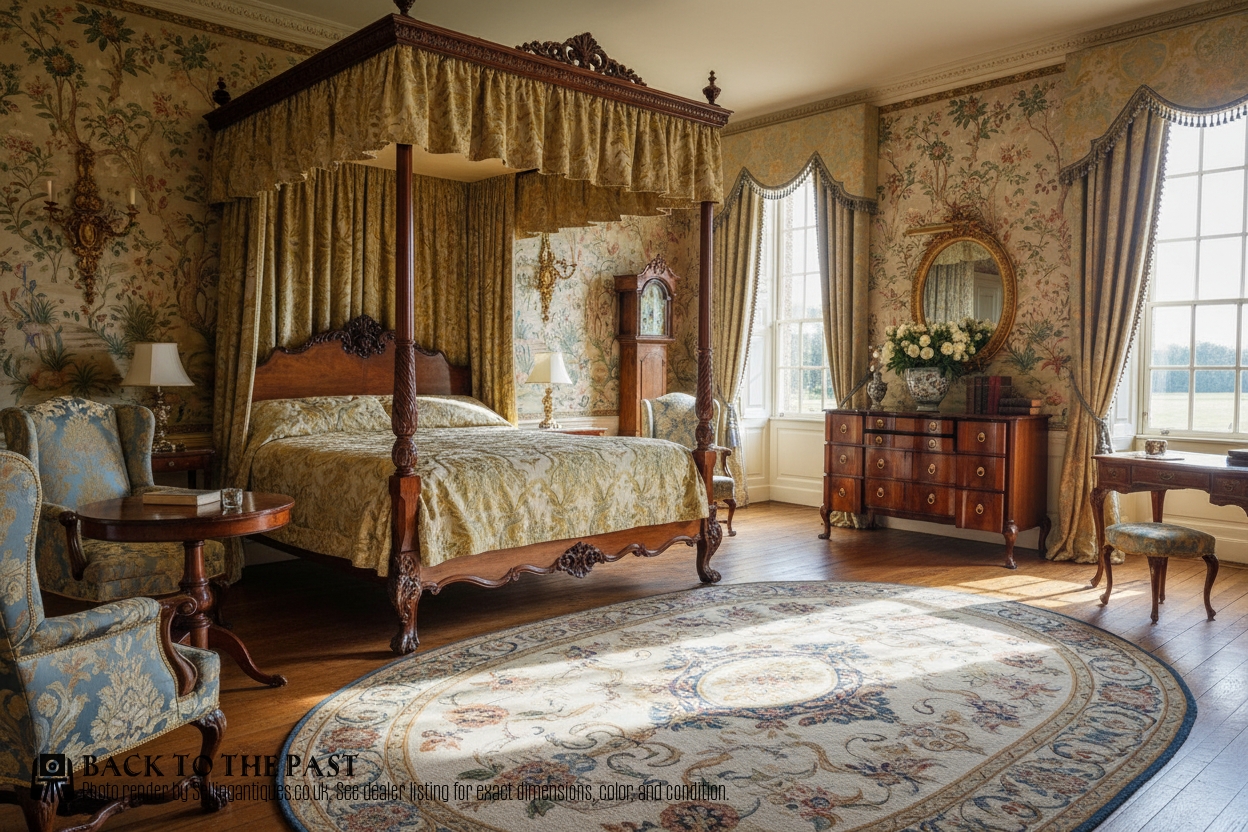
Double Door Side Cabinet
A double door side cabinet provides a low-profile storage solution with twin doors opening to reveal interior shelving or space. These pieces serve practical functions in dining rooms, halls, and living spaces while displaying polished timber surfaces on top.
The pieces on this page span several distinct historical periods, running from the Georgian era through the Regency and Victorian periods up to the early twentieth century. Cabinets from these eras range from formal mahogany designs to painted Scandinavian country pieces and walnut salon furniture.
Victorian examples dominate the selection, often featuring figured walnut veneers, glass panels, or inlaid details suited to nineteenth-century drawing rooms. Alongside these, earlier Georgian and William IV pieces showcase simpler lines and solid timber construction.
Materials and construction methods
Cabinet makers relied heavily on mahogany and walnut as primary timbers, often selecting figured veneers to create decorative grain patterns on the doors and top surfaces. Pine appears frequently as a secondary wood for carcass construction or in painted country pieces.
Metal mounts in brass and ormolu provide structural reinforcement and decorative contrast, particularly on nineteenth-century pier cabinets and salon pieces. Glass panels also appear in upper doors or sides where cabinets double as display furniture.
Double Door Side Cabinet Retail Price Guide 2026
Typical asking prices for double door side cabinet among the pieces listed under this phrase on Sellingantiques today, from the lower quarter to the upper quarter. They describe what is for sale here now, not the wider market.
The listings span the eighteenth, nineteenth, and early twentieth centuries, featuring mahogany, walnut, pine, and brass.
Distinguishing quality in timber and detail
The grade of timber and the choice of veneer set finer examples apart from standard utility cupboards, with matched flame mahogany or figured walnut indicating deliberate aesthetic ambition. Cabinet makers invested considerable skill in selecting cuts of wood that created symmetrical patterns across double doors.
Secondary decorative treatments like marquetry inlay, brass stringing, and cast ormolu mounts signal superior workshop execution. Well-fitted doors, stable carcass construction, and original hardware further separate exceptional pieces from straightforward storage items.
The Double Door Side Cabinet Glossary
- Pier cabinet
- A low display or storage cabinet designed specifically to stand against the wall space between windows. These pieces often feature glazed doors and walnut veneers.
- Chiffonier
- A compact sideboard or low cabinet developed during the Regency and Victorian periods. They typically combine enclosed lower storage with shelves or a raised back.
- Flame mahogany veneer
- A thin slice of mahogany timber cut from the fork of the tree where branches join the trunk. This produces a distinctive flickering flame pattern highly prized by cabinet makers.
- Ormolu
- Gilded bronze mounted onto furniture as decorative enrichment. The technique was widely used on finer Victorian and Regency salon cabinets.
Double Door Side Cabinet: Frequently Asked Questions
Where should I place a double door side cabinet?
These cabinets work well in dining rooms for tableware, hallways for everyday storage, or living spaces beneath a mirror or artwork. Their shallow depth keeps them from intruding too far into room walkways.
Ensure you measure the wall space and clearance for the doors to swing open fully before choosing a spot.
How do I clean antique mahogany and walnut?
Dust surfaces regularly with a soft, dry cloth to prevent grit accumulation. Avoid modern silicone polishes that build up over time and attract dust.
Apply a traditional beeswax occasionally to nourish the timber and maintain a soft, natural shine on the grain.
Can these cabinets hold heavy items?
Solid mahogany and walnut carcasses offer robust internal support for books, crockery, and general household items. Check the condition of the internal shelf supports before loading heavy items onto older timber shelving.
Pine country cupboards and Victorian salon cabinets vary in internal strength depending on how the original interior was configured.
How do I tell a Georgian cabinet from a Victorian one?
Georgian pieces generally show restrained classical proportions with straight lines and unpretentious mahogany surfaces. Victorian examples often introduce bolder figuring in walnut veneers, glass paneling, and more elaborate decorative inlays.
Construction details on the interior and drawer linings also help confirm the period of manufacture.