




Distressed Wood Stool
A distressed wood stool brings tactile character to a room through weathered paint and time-worn timber.
Distressed Wood Stool
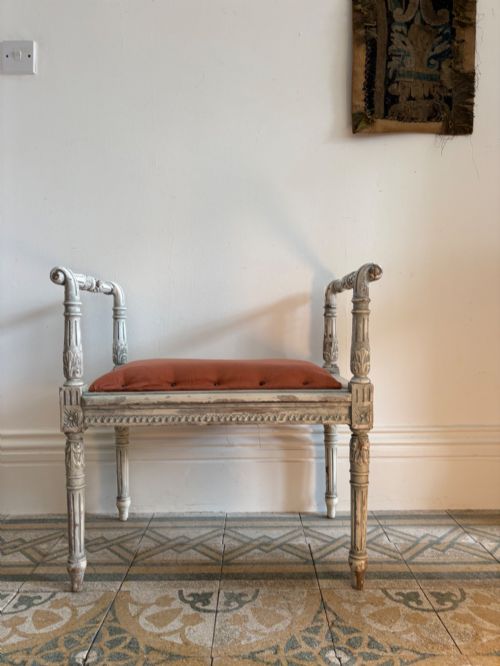
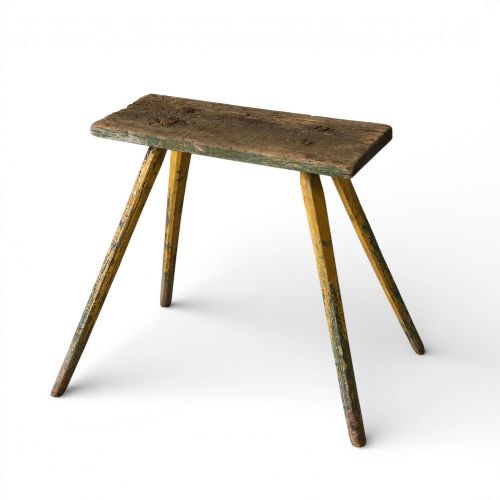
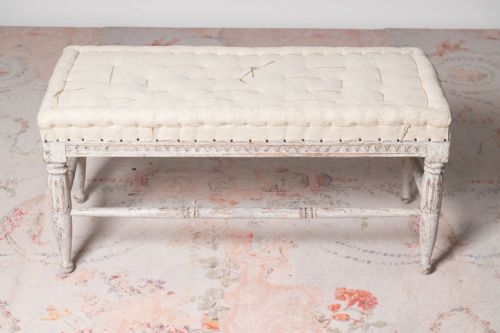
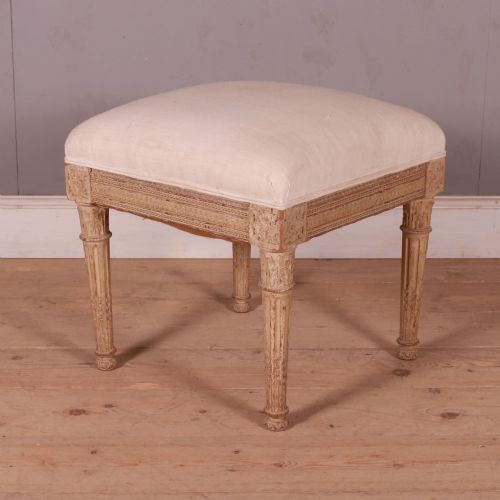
A distressed wood stool encompasses seating forms originating from nineteenth-century Europe, spanning utilitarian milking designs to neoclassical French and Swedish forms. Buyers searching for a distressed wood stool encounter painted timber surfaces that show genuine wear across generations of use.
How they were made
Construction relies on solid timber frameworks shaped by hand, frequently finished with layers of paint that have weathered organically over decades. Joinery methods reflect traditional cabinet-making and rustic carpentry appropriate to each regional workshop.
Upholstered variants incorporate traditional textile coverings including silk, linen, cotton, and needlework secured over padded seats. Exposed wood frames display carved detailing in styles ranging from rustic simplicity to formal Louis XV and neoclassical ornamentation.
The selection includes pieces from the 19th century, 1890, 1900, 1930, and the Victorian period, utilising painted wood, timber, fabric, silk, linen, and cotton.
What varies in quality
Quality differentiates itself through the integrity of the original timber frame and the authenticity of the surface finish. Pieces retaining their initial painted decoration command greater interest than those subjected to later repainting.
The refinement of hand-carved details and the structural stability of the joints establish the tier of craftsmanship. Superior examples balance decorative presence with robust joinery that withstands continued domestic use.
The Distressed Wood Stool Glossary
- Gustavian
- A Swedish neoclassical style characterised by restrained symmetry and pale painted finishes. It draws inspiration from French court aesthetics adapted to Nordic sensibilities.
- Régence
- A transitional French design style preceding full Rococo, marked by early curving lines and restrained symmetry. It bridges formal Baroque heaviness and lighter decorative arts.
- Milking stool
- A simple, sturdy utilitarian seat traditionally used by agricultural workers. These items typically feature three or four splayed wooden legs inserted directly into a thick timber seat.
- Needlework
- Hand-stitched textile decoration applied to seat covers using wool or silk threads. This technique introduces textured patterns and colourful motifs to antique furniture.
Distressed Wood Stool: Frequently Asked Questions
How do I use a stool in a modern room?
These pieces function easily as spare seats, bedside stands, or low display surfaces for books and plants.
Their compact scale allows them to fit into corners or beside larger seating arrangements without crowding the space.
Are these stools comfortable for sitting?
Upholstered variants with padded silk or cotton seats offer softer seating suited to dressing rooms or living areas.
Plain timber and rustic milking designs prioritise stability and portability over plush cushioning.
How do I care for painted wooden surfaces?
Dust the timber gently with a dry cloth and avoid harsh chemical cleaners that might strip the aged finish.
Keep the items away from direct heat sources and excessive moisture to protect the old paint and wood.
What defines the Swedish and French styles?
Swedish pieces often display pale painted finishes and restrained neoclassical lines derived from Gustavian design.
French examples lean towards carved window seats and rustic painted surfaces reflecting regional rural traditions.