

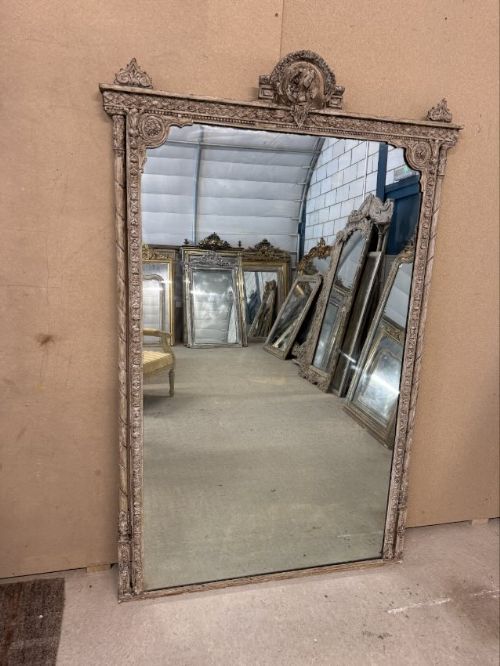
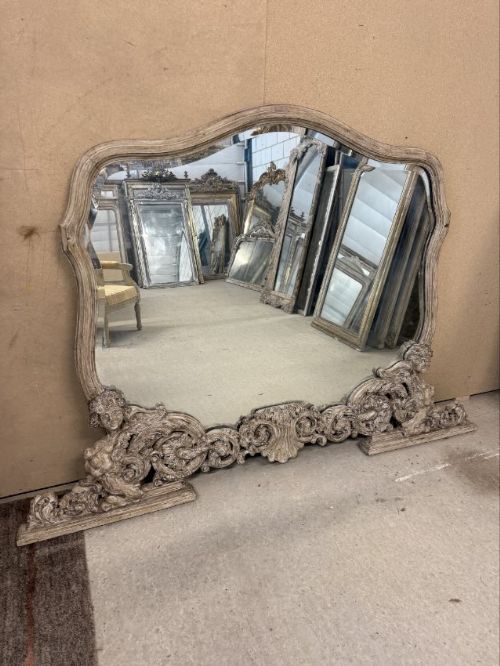
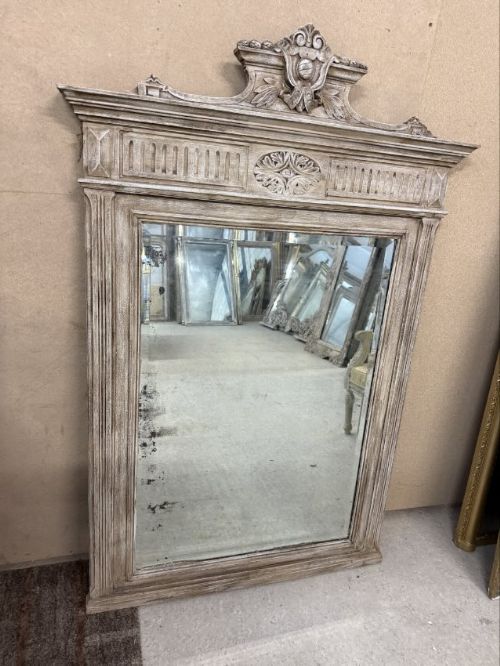
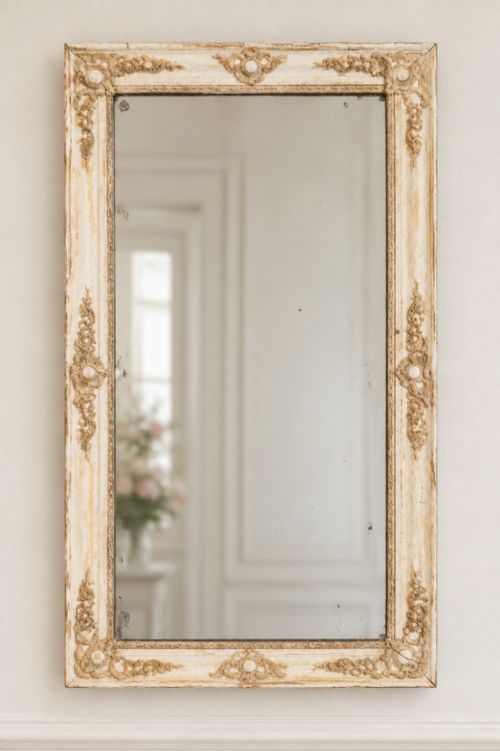



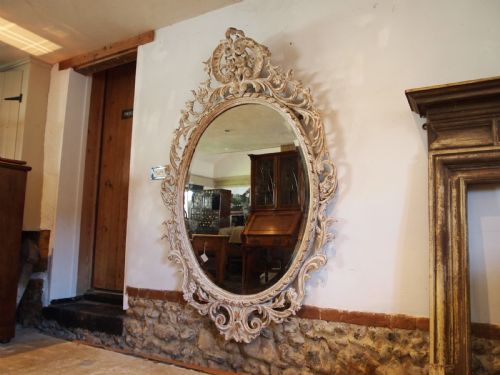

Distressed White Wall Mirror
A distressed white wall mirror brings texture and light to a room through aged paint and carved wooden frames.
Distressed White Wall Mirror
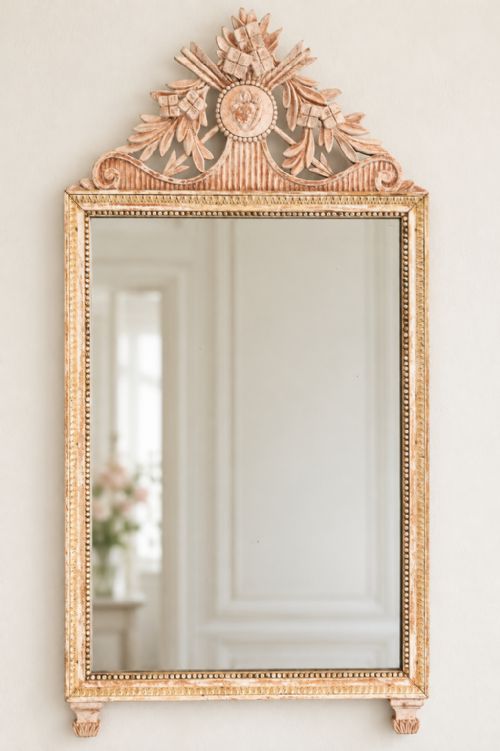
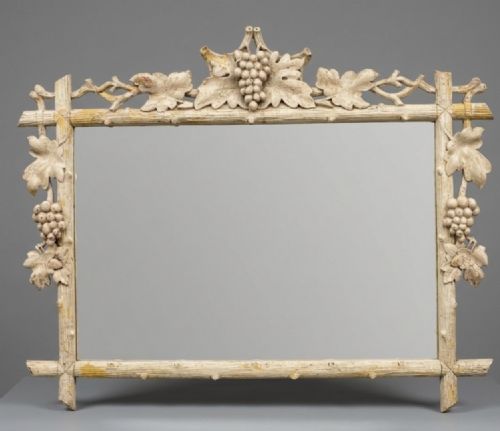
When searching for a distressed white wall mirror, buyers encounter a selection spanning the eighteenth, nineteenth, and early twentieth centuries. These pieces encompass various regional designs, including French Provincial, Italian Rococo, and Victorian rustic styles, reflecting diverse historical periods.
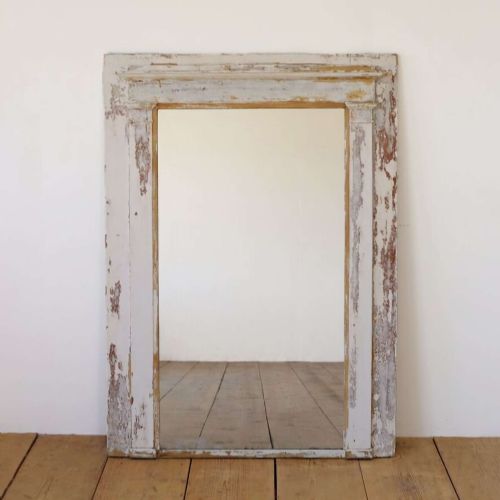
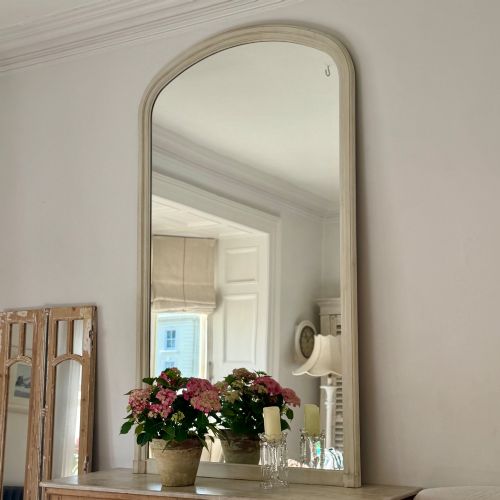
The dominant forms on this page are substantial wall mirrors and large overmantle mirrors featuring painted wooden frames. Many examples display architectural silhouettes such as arched tops, shaped frames, and rectangular formats intended for placement above fireplaces or along hallways.
Origins stretch across English workshops and continental ateliers, capturing styles from French chateaux to English domestic interiors. The aesthetic relies on the visual weight of carved wood beneath layers of aged white or cream paint.
Materials and construction
Carpenters carved the primary structures from solid wood, laying down fine plaster layers called gesso to build up intricate surface ornamentation. Artisans applied multiple coats of paint over the gesso base, often revealing subtle undertones where surface wear occurred through decades of use.
Mirrors incorporated traditional glass plates secured within rebated frames, sometimes retaining original reflective surfaces that show characteristic age spots and foxing. Gilding with gold leaf occasionally lies beneath the white topcoats, emerging through deliberate or natural chipping of the paint layer.
Distressed White Wall Mirror Retail Price Guide 2026
Typical asking prices for distressed white wall mirror among the pieces listed under this phrase on Sellingantiques today, from the lower quarter to the upper quarter. They describe what is for sale here now, not the wider market.
Several mirrors whisper of nineteenth-century drawing rooms where smoke from coal fires quietly settled onto the white paint.
Differences in quality
Quality rests upon the crispness of the hand-carved wooden details and the depth of the underlying gesso ornamentation. Superior examples display fluent scrolling and proportioned architectural mouldings rather than flat or mechanically cast decorations.
The integrity of the frame construction and the survival of original painted surfaces distinguish finer pieces. Pieces retaining authentic period paint layers hold greater character than later repainted surfaces.
The Distressed White Wall Mirror Glossary
- Gesso
- A plaster mixture applied to carved wood to create a smooth surface for painting or gilding. This ground layer allows for sharp, detailed relief work on the frame.
- Overmantle mirror
- A wide mirror specifically designed to hang on the wall directly above a fireplace mantelpiece. These substantial pieces often dictate the decorative scale of a room.
- Trumeau mirror
- An antique wall mirror featuring an upper glass plate paired with a lower painted panel or carving. Originating in French interior design, they served as permanent wall decorations.
- Louis Philippe mirror
- A nineteenth-century French style characterised by a simple arched top and subtle neoclassical framing. These mirrors offer restrained elegance compared to heavily ornamented rococo designs.
- Marginal mirror
- A central mirror plate surrounded by smaller, individually bevelled border glass segments held within the main frame. This technique creates complex refractions of light.
Distressed White Wall Mirror: Frequently Asked Questions
Where should I hang an overmantle mirror?
These large mirrors traditionally anchor the space directly above a chimney breast, reflecting light across the room at eye level.
Ensure the wall fixings match the substantial weight of the carved wood and glass frame for secure installation.
How do I clean an antique mirror glass?
Use a soft, dry microfibre cloth to gently remove dust from the glass surface without applying excessive pressure.
Avoid spraying liquid cleaners directly onto the glass, as moisture can seep behind the plate and damage the historical backing.
Are the paint finishes original?
Many pieces retain their original layered paintwork, which acquires a natural soft chalkiness and wear over centuries of exposure.
Some items carry later overpainting applied during previous generations of interior decoration to refresh the aesthetic.
What defines a French Provincial style?
This regional aesthetic combines rustic craftsmanship with softer, curved lines derived from courtly fashions adapted for country homes.
The resulting frames show less rigid formality while retaining decorative carved elements like floral motifs and scrolls.