


Distressed Paint Armchairs
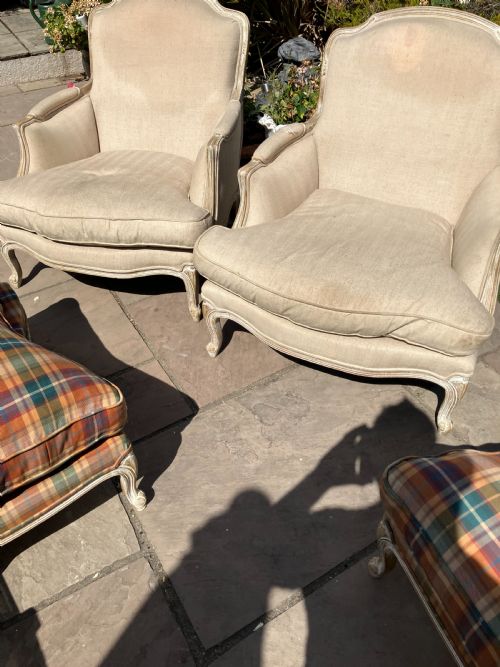
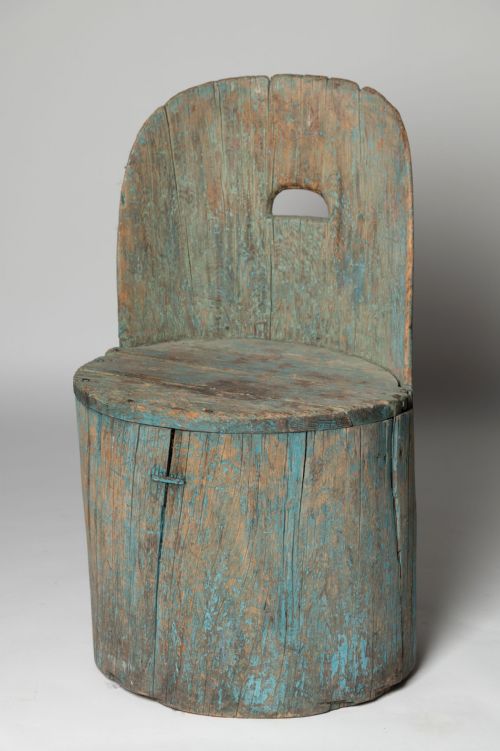
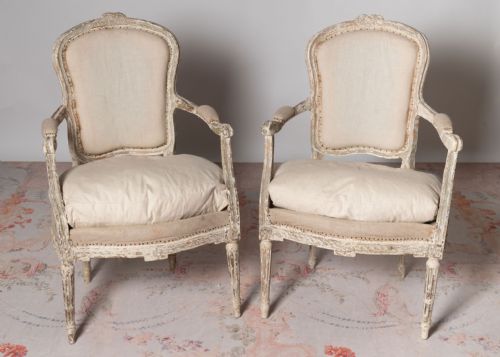
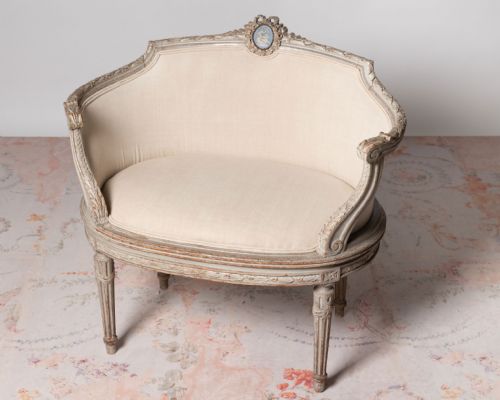
Distressed paint armchairs bring layered patination and regional character to an interior, drawing the eye with their weathered surfaces.
Distressed Paint Armchairs
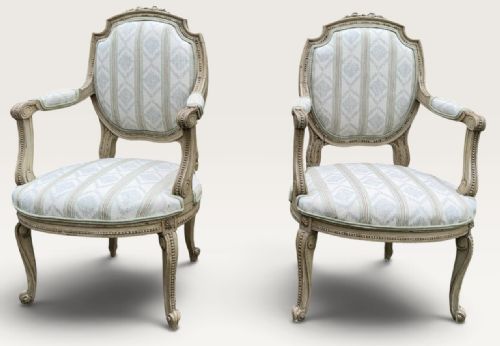
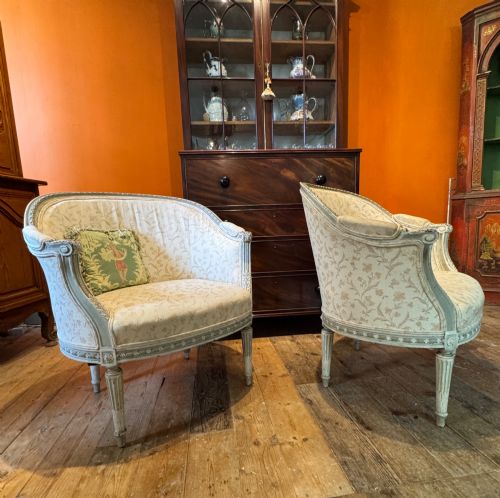
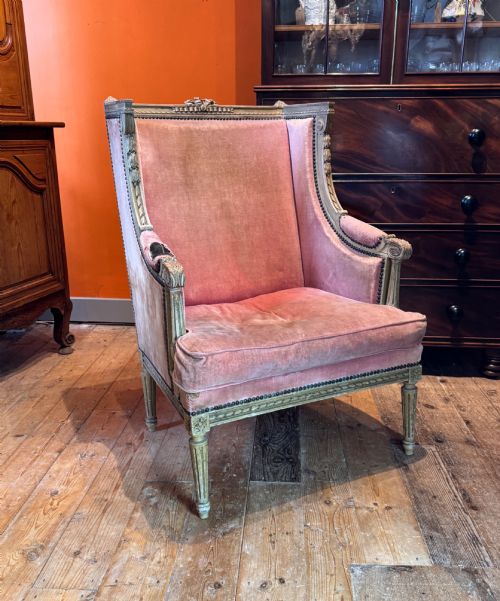
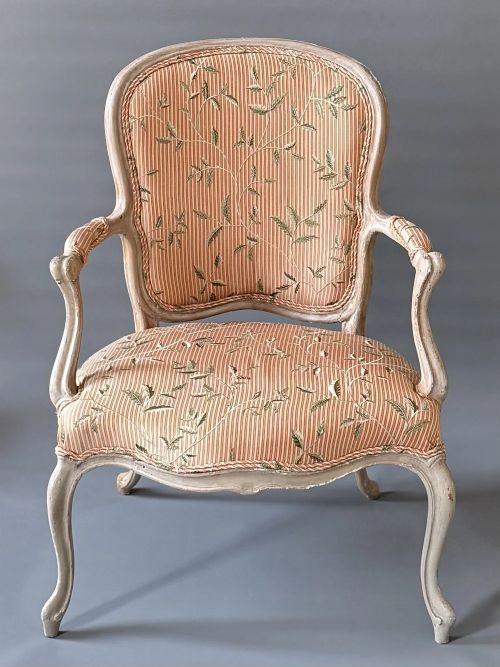
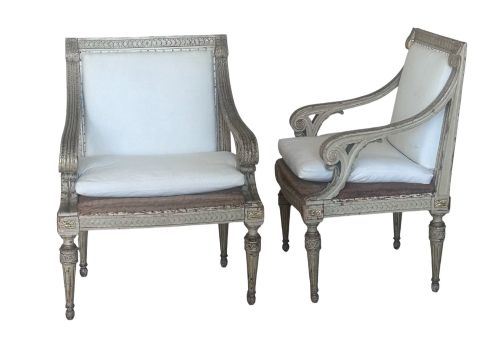
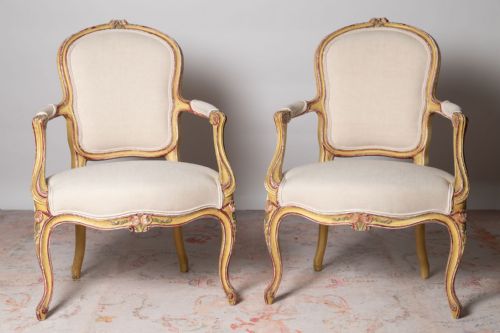
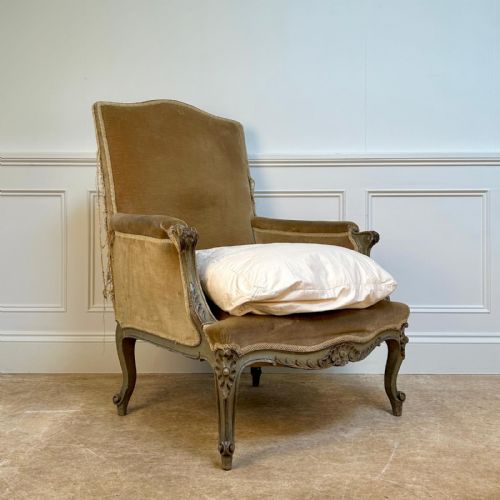
Distressed paint armchairs encompass seating framed in wood and finished with decorative surface treatments that show age and wear. The pieces found here span centuries of craftsmanship, ranging from eighteenth-century Georgian examples to twentieth-century French seating.
French styles dominate the selection, including Louis XVI, Louis XV, and provincial interpretations alongside Scandinavian country designs and Georgian forms. Buyers encounter open armchairs, bergères, fauteuils, and occasional side chairs that double as desk seating.
The aesthetic relies on original or later paint surfaces, gesso, and exposed wood that reveal the history of the piece. Upholstery choices include plain linen, velvet, and needlework, completing the vernacular and formal traditions represented in the listings.
Assessing quality in painted seating
Quality rests upon the integrity of the frame construction and the authenticity of the surface finish. Superior examples display crisp hand-carved detail beneath the paint layers, while lesser items rely on simpler turned or moulded components.
The character of the paint surface dictates visual appeal, with undisturbed original finishes commanding greater interest than unsympathetic modern overcoats. The balance between structural soundness and the natural softening of age defines the upper tier of these chairs.
Listings feature beech, mahogany, and walnut frames decorated with paint, gesso, and fabric across eighteenth and nineteenth-century periods.
Gillows
The Distressed Paint Armchairs Glossary
- Bergère
- An enclosed upholstered armchair with solid upholstered sides, originating in France during the eighteenth century. These chairs often feature exposed painted wood frames and loose squab cushions.
- Fauteuil
- An open-armed upholstered chair with wooden armrests, typical of French seating design. The arms generally feature padded elbow rests supported by curved or straight uprights.
- Gesso
- A plaster-like mixture applied to wooden frames to prepare a smooth surface for painting or gilding. This ground layer frequently cracks and flakes on older pieces, creating natural distress.
- Needlework
- Hand-stitched textile upholstery executed in canvas using wool or silk threads. Such covers often depict floral or pastoral scenes appropriate to period chairs.
- Parcel Gilt
- A decorative technique where specific carved elements of a painted wooden frame receive a thin application of gold leaf. This highlights particular details against the painted background.
Distressed Paint Armchairs: Frequently Asked Questions
How do I care for original paint surfaces?
Protect the fragile finish by keeping painted armchairs away from direct sunlight and excessive heat sources. Dust gently with a dry, soft cloth and avoid modern chemical cleaners that strip historical layers.
Wax is rarely necessary on painted wood unless specified by a conservator. Allowing the surface to breathe preserves the integrity of the underlying gesso and timber.
Are these chairs suitable for daily use?
Most period armchairs remain sturdy enough for normal sitting when the joinery is sound. Inspect the frame stability and upholstery webbing before placing them in high-traffic areas.
Softer cushions can be added to improve comfort without altering the antique wooden frame. Lighter side chairs function well as occasional seating rather than heavy lounge furniture.
What is the difference between original and later paint?
Original paint represents the earliest decorative layer applied during the manufacture or initial period of the chair. It carries the authentic wear and patina accumulated over generations. N Later paint indicates a subsequent decorative campaign where a previous owner refreshed or completely changed the colour scheme. Both types appear in the listings and offer distinct aesthetic qualities.
How do I identify French provincial styles?
French provincial armchairs exhibit simpler carved motifs and slightly heavier proportions compared to courtly Parisian pieces. They reflect regional tastes while retaining characteristic cabriole legs and curved arm supports.
Local timbers such as beech are frequently utilised in these rustic interpretations. The overall effect balances elegance with robust country craftsmanship.