

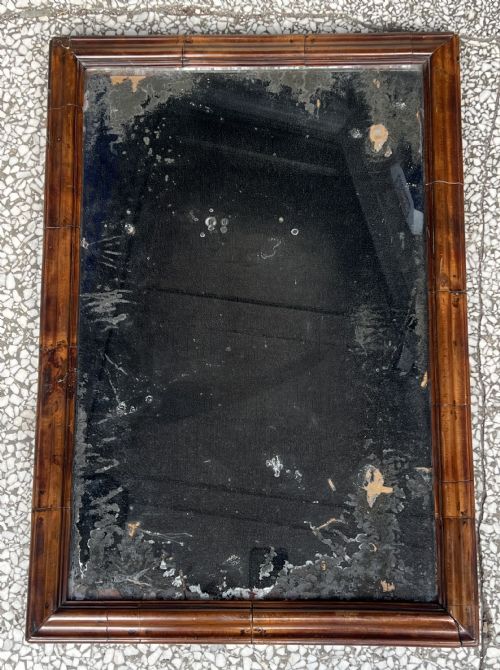
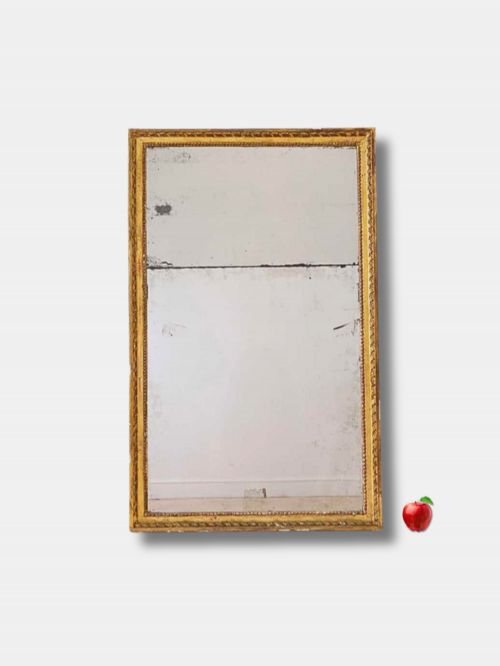

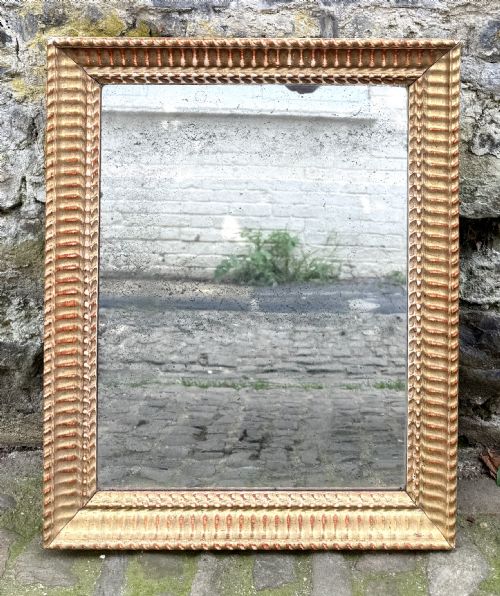


Distressed Mercury Glass Mirror
These pieces of distressed mercury glass mirror offer authentic age and mottled reflectivity that modern reproductions simply cannot replicate.
Distressed Mercury Glass Mirror
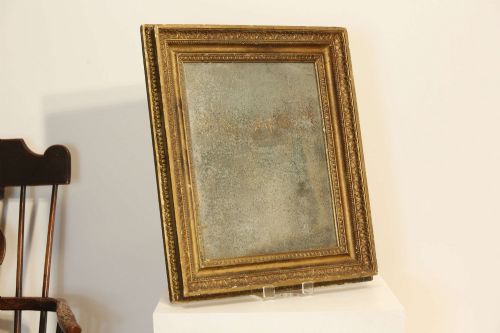
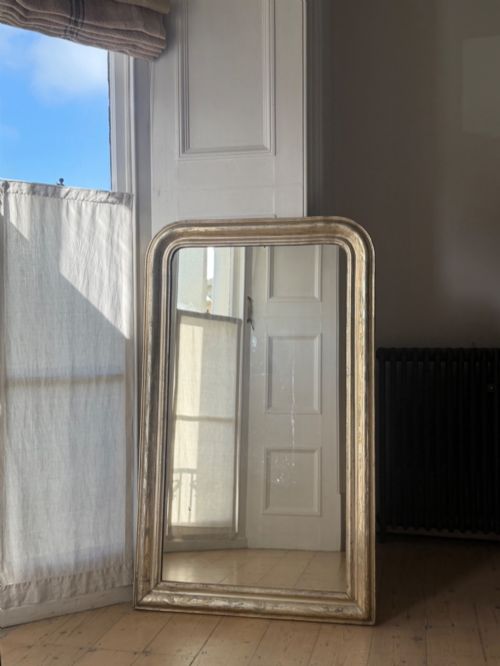
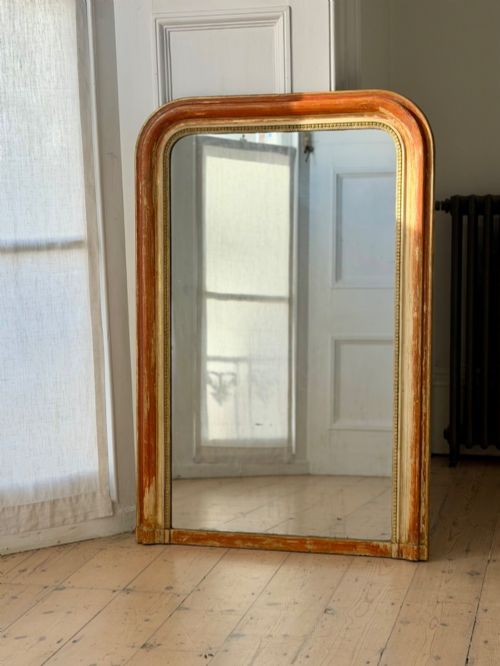
When you search for distressed mercury glass mirror, you are looking at wall mirrors, dressing table mirrors, and pier mirrors framed in giltwood, painted wood, brass, and gesso. These items originate predominantly from French and Italian workshops across the eighteenth and nineteenth centuries.
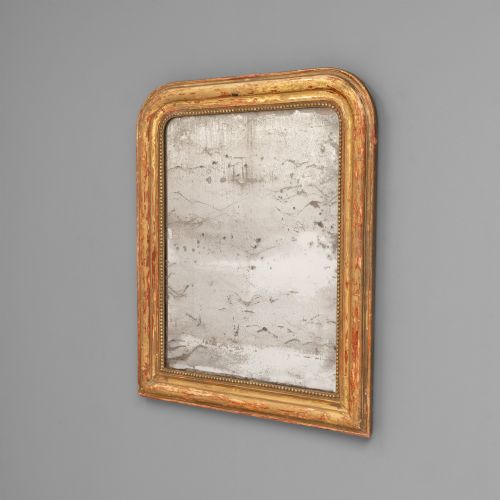
The version you are most likely to meet on this page is a French wall mirror featuring a silvered glass plate housed within a carved or gilded wooden frame. Examples range from early eighteenth-century gilt plates to late nineteenth-century bistro and trumeau forms.
Makers and artisans of the period constructed these looking glasses to catch and multiply ambient candlelight in grand rooms. Today, they function as striking decorative focal points in hallways, bedrooms, and living spaces.
How they were made
Glass plates were silvered using a double-walled glass blowing technique that introduced a liquid amalgam of mercury and tin into the cavity. This process created the distinctive deep reflectivity and soft, cloudy appearance characteristic of genuine antique plates.
Frames were built from carved wood, gesso, and giltwood, often finished with gold leaf or painted surfaces. Artisans applied gesso to wooden substrates to build up intricate relief details before gilding or painting the structure.
Distressed Mercury Glass Mirror Retail Price Guide 2026
Typical asking prices for distressed mercury glass mirror among the pieces listed under this phrase on Sellingantiques today, from the lower quarter to the upper quarter. They describe what is for sale here now, not the wider market.
Listings feature items from the eighteenth and nineteenth centuries, including Georgian and French Second Empire periods.
What varies in quality
The distinction between a standard example and a superior piece lies in the depth and hand-carved intricacy of the frame. Heavy giltwood and detailed Louis XVI or Italian Baroque carvings denote higher workshops than simpler painted wood constructions.
The condition and character of the mercury plate itself heavily influence the piece. Original silvering with deep foxing and uniform degradation demonstrates genuine age and untouched historical integrity compared to later replacements.
The Distressed Mercury Glass Mirror Glossary
- Mercury glass
- A type of glass created by blowing double-walled vessels and coating the interior with a silvering solution. Though named after the original method, actual historic plates typically utilised a tin and mercury amalgam.
- Foxing
- The mottled, speckled dark spots and cloudiness that develop across old mirror plates over time. This natural oxidation process gives distressed mercury glass its characteristic antique charm.
- Giltwood
- Timber that has been coated with a thin layer of gold leaf. It appears frequently on eighteenth and nineteenth-century frames.
- Gesso
- A plaster-like mixture applied to wooden frames as a smooth base for gilding or painting. It allowed artisans to carve intricate decorative details.
- Trumeau
- A decorative wall mirror or panel designed to fit in the space between windows. These often incorporated painted panels or carvings above the glass plate.
Distressed Mercury Glass Mirror: Frequently Asked Questions
How do I clean a mercury glass mirror?
Clean the glass plate gently with a soft, dry microfiber cloth to remove dust without disturbing the delicate aged surface.
Avoid commercial glass cleaners and excessive moisture, as liquid can seep behind the plate and accelerate damage to the historic silvering.
Are these mirrors original to their frames?
Many pieces retain their original mercury glass plates housed within period giltwood or painted wooden frames. Examining the fit of the glass and the backboards helps determine whether the components have remained together.
Over the centuries, plates were occasionally swapped, making original untouched examples particularly desirable for collectors.
Where should I hang a heavy giltwood mirror?
Mount these heavy wall mirrors securely into structural wall studs using appropriate fixings rated for substantial weights. Giltwood and carved wooden frames require solid support to prevent shifting or accidents.
Position the glass where it can reflect natural light from a window to brighten darker corners of a room.
What causes the dark spots on the glass?
The dark spots, known as foxing, occur when moisture and air seep behind the glass over decades and react with the metallic backing. This oxidation process creates the cloudy, speckled patterns characteristic of antique pieces.
Each mirror develops a unique pattern of foxing depending on its environmental history and the exact chemical makeup of the silvering.