






Distressed Cream Wall Mirror
A distressed cream wall mirror brings softened character and reflected light to a room, drawing on centuries of French and English decorative traditions.
Distressed Cream Wall Mirror
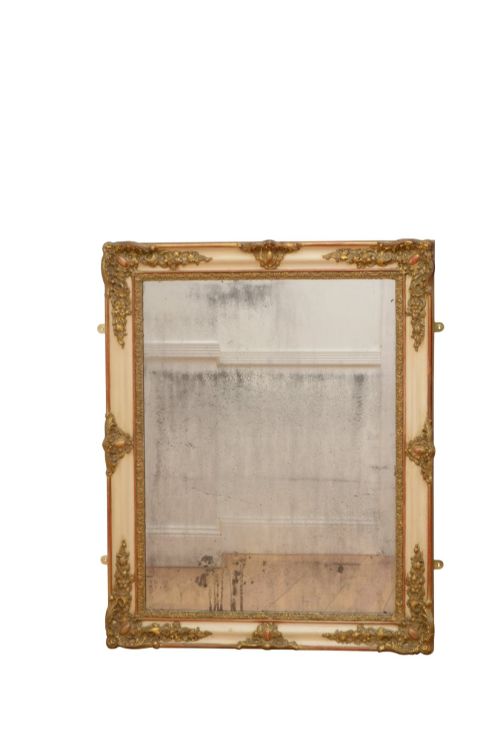
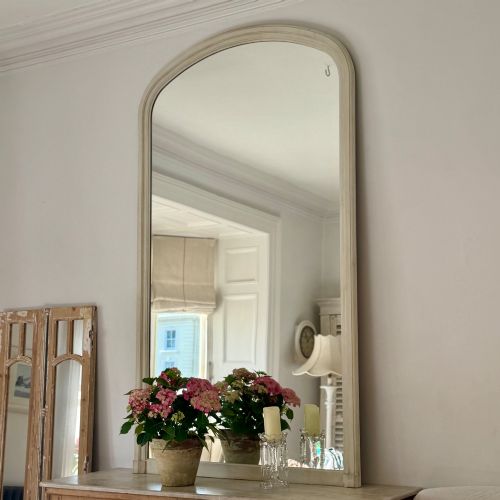
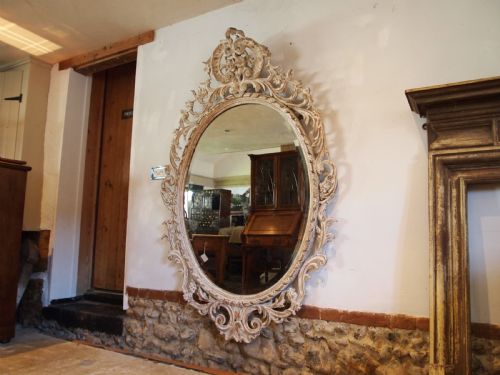
A distressed cream wall mirror is typically a large wooden hanging or overmantel glass dating from the nineteenth century, often originating from French or English workshops. These pieces frequently manifest in architectural styles such as Louis Philippe, French Provincial, and Rococo Revival, designed to dominate a chimney breast or hallway.
The finish on these pieces shows aged, chipped, or over-painted surfaces that expose layers of gesso, pine, or earlier gilt beneath the cream paint. Buyers encounter substantial arched tops, rectangular proportions, and decorative fretwork or column frames that reflect period interior tastes.
Materials and construction methods
Frames are constructed from carved wood, commonly pine or softwoods, coated in multiple layers of gesso to build up intricate relief ornaments and scrolls before painting. Gold leaf is often applied beneath or alongside the cream topcoats, showing through as the surface wears over decades.
Mirrors utilise heavy glass plates secured within the wooden rebates, occasionally retaining original silvering that exhibits natural foxing and oxidation. Joinery relies on period techniques suited to heavy overmantels, supporting the substantial weight of the timber and glass assembly.
The selection spans the eighteenth, nineteenth, and early twentieth centuries, featuring wood, gesso, and glass materials in Rococo and Victorian styles.
Assessing quality and craftsmanship
Quality rests in the crispness of the hand-carving beneath the paint layers and the depth of the gesso mouldings, which remain sharp on finer examples rather than softened by repeated over-painting. The balance of proportions between the frame width and the central glass plate dictates the visual harmony of the piece.
The integrity of the original wood structure and the character of the aged surface determine distinction, distinguishing genuine period wear from modern artificial distressing. Superior items retain their original backboards and mercury or early float glass plates with authentic oxidation.
The Distressed Cream Wall Mirror Glossary
- Gesso
- A plaster mixture applied to wood frames to create a smooth surface for gilding or painting. It allows craftsmen to carve intricate relief details.
- Overmantel
- A large mirror specifically designed to hang above a fireplace mantelpiece. These frames often match the architectural scale of chimney breasts.
- Trumeau
- A decorative wall mirror incorporating a painted panel or oil painting above the glass plate. Originating in France, they formed part of wood-panelled interior schemes.
- Louis Philippe
- A mid-nineteenth-century French style characterised by simple, elegant curves and rounded top corners. It bridges the ornate Rococo and later Victorian aesthetics.
- Foxing
- The natural age-related spots and discoloration appearing within the mirror glass plate. This oxidation results from chemical changes in the silver backing over time.
Distressed Cream Wall Mirror: Frequently Asked Questions
How do I hang a heavy overmantel mirror?
These heavy wooden frames require secure fixing directly into wall studs or masonry using substantial brackets rated for considerable weight. Professional installation ensures the mirror stays stable against the wall.
Position the glass at a height that reflects natural light from windows rather than the ceiling, enhancing the sense of space in the room.
How should I clean an antique painted mirror frame?
Dust the carved wooden and gesso frame gently with a dry, soft-bristled brush to protect the aged and distressed cream paint finish. Avoid using household chemical cleaners that strip or soften fragile historic paint layers.
Clean the glass plate separately using a mild glass cleaner applied to a cloth rather than sprayed directly, preventing liquid from seeping behind the frame rebate.
Are these mirrors French or English?
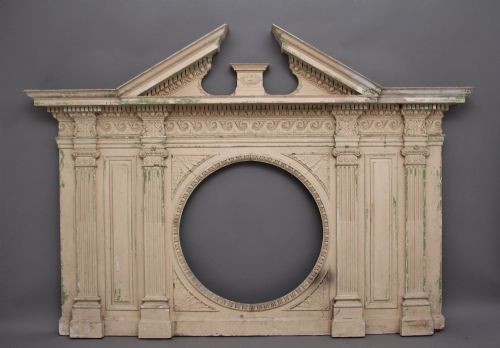
The selection includes both French and English pieces, distinguishable primarily by their decorative vocabulary and framing proportions. French examples often feature Louis Philippe curves or Rococo Revival asymmetry, while English versions tend toward robust column frames and classical architectural pediments.
Both national traditions utilised carved pine and gesso foundations finished with cream paint, frequently accented with underlying gilt work.
How can I tell if the distressing is original?
Original distressing accumulates naturally through decades of handling, cleaning, and environmental changes, showing gradual thinning of the cream paint to reveal the gesso and wood beneath. Artificial distressing often appears uniform or relies on harsh sanding patterns that lack the varied depth of genuine age.
Examine the crevices of the carvings where dust and wear settle naturally over long periods of use.