


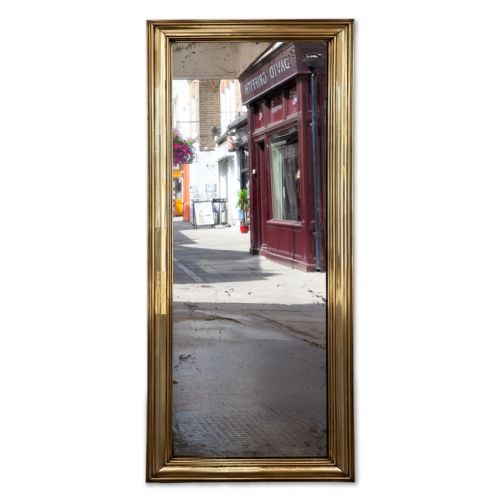


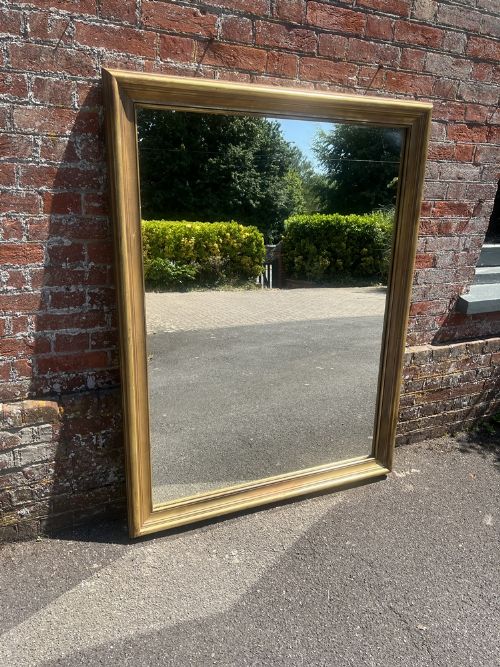
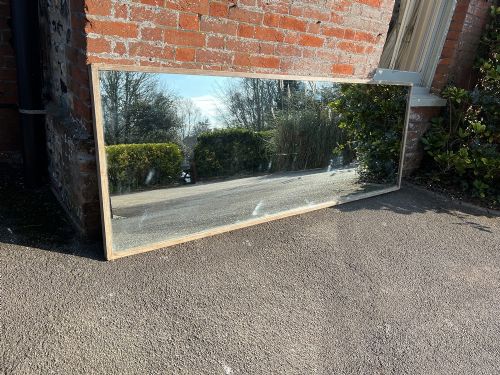
Overmantel Bistro Wall Mirror
An overmantel bistro wall mirror brings French provincial character and light into a room, framed in giltwood, brass or paint.
Overmantel Bistro Wall Mirror
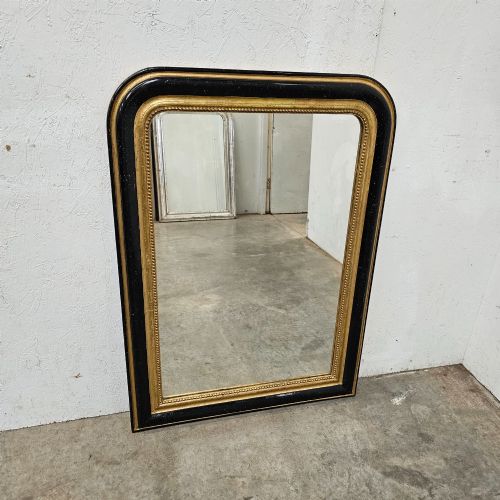
When you search for an overmantel bistro wall mirror, you are looking at tall wall pieces designed for French interiors, combining the proportions of an overmantel with the simpler frames of a bistro. These objects span the nineteenth and early twentieth centuries, drawing on Louis Philippe and French Provincial styles.
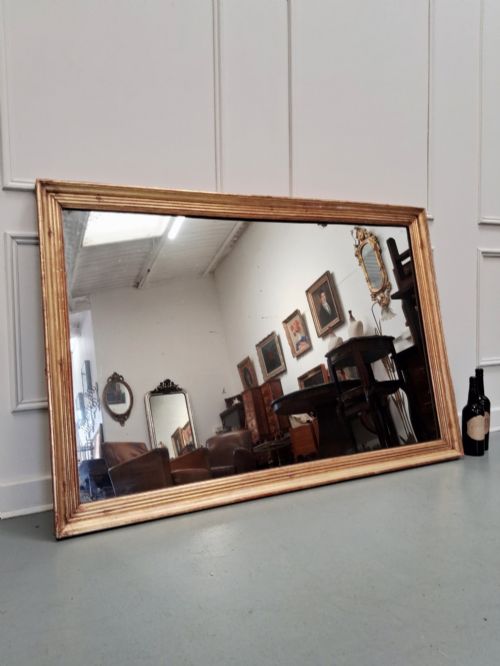
The versions you are most likely to meet on this page include tall pier mirrors and large gilded frames from the nineteenth century. Makers and creators of the period produced them in wood, timber, and gesso, often finished in gilt or paint.
The forms range from five-foot tall wall mirrors to ebonised and gilt overmantle pieces. Each item reflects French chateau and bistro aesthetics, suited for hanging above a mantelpiece or along a wall.
How they were made
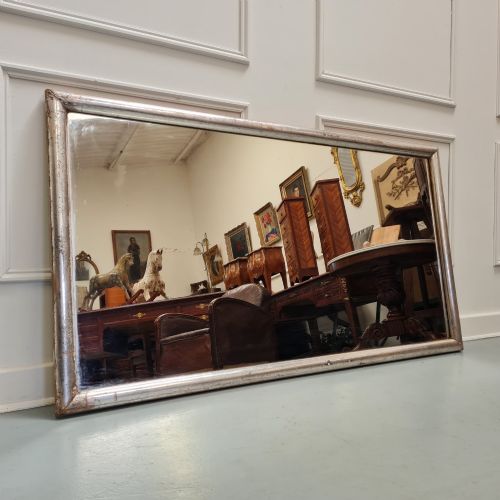
Makers constructed these frames from wood, timber, and carved wood, applying gesso to prepare surfaces for gilding or paint. Giltwood and silver gilt finishes required meticulous leaf application over the prepared base.
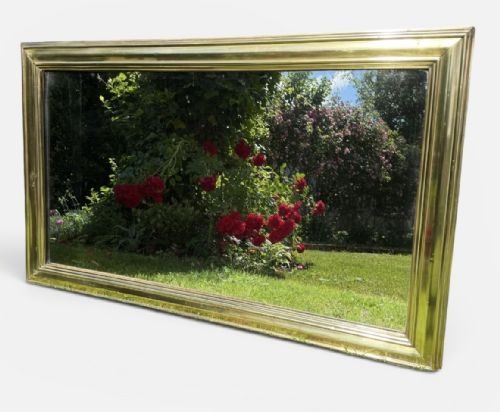
Brass formed an alternative framing material, particularly for pieces associated with nineteenth-century bistro interiors. Glass plates, sometimes distressed with age, were set securely into the timber and carved structures.
Listings feature materials including glass, wood, giltwood, brass, gilt, paint, timber, and gesso across nineteenth and early twentieth-century pieces.
What varies in quality
The distinction between standard examples and top-tier pieces lies in the crispness of the carved wood and the depth of the gilt or painted finish. Elaborate carving and well-preserved silver gilt or gold leaf elevate a piece above simpler timber frames.
The integrity of the original glass plate and the weight of the brass or wood construction also dictate the overall standard. Pieces with early distressed plates and solid timber foundations command greater attention from collectors.
The Overmantel Bistro Wall Mirror Glossary
- Louis Philippe
- A nineteenth-century French style characterised by restrained classical proportions, often featuring gently rounded upper corners on mirror frames.
- Giltwood
- Timber coated with gold leaf or a gold-coloured metallic finish, widely used across nineteenth-century mirror production.
- Gesso
- A plaster-like mixture applied to wood surfaces to create a smooth base for gilding or painting.
- Overmantel
- A large mirror designed specifically to be hung on the wall directly above a mantelpiece or fireplace.
- Pier mirror
- A tall, narrow mirror traditionally hung on the pier of wall space between two windows.
Overmantel Bistro Wall Mirror: Frequently Asked Questions
Where should an overmantel bistro wall mirror hang?
These mirrors suit placement above a fireplace mantel or along a principal wall in a reception room. Their tall proportions help bounce light around the space.
Ensure the wall fixings match the weight of the timber and glass construction. Professional hanging hardware secures large nineteenth-century frames safely.
How do I identify a Louis Philippe mirror?
Louis Philippe mirrors typically display characteristic rounded top corners and simple, elegant framing. They date from the nineteenth century and offer a restrained alternative to ornate baroque styles.
The proportions lean towards tall rectangles, often designed to anchor a room as an overmantel feature.
What is the difference between giltwood and brass frames?
Giltwood frames consist of wood treated with gesso and gold leaf, offering a warm, reflective surface. Brass frames utilise metal for a sleeker, industrial or café-style appearance.
Both materials appeared in nineteenth-century French interiors but create distinct visual textures on a wall.
How do I clean an antique mirror plate?
Wipe the glass gently with a soft cloth and a mild glass cleaner sprayed onto the cloth rather than the mirror. Avoid harsh chemicals that might seep behind the old plate.
Take care around the edges of the glass and the surrounding wood, gilt, or paint to preserve the original finish.