


Diamond Lavalier Necklace
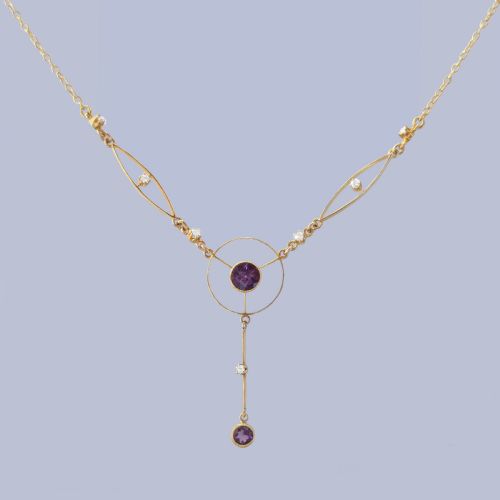
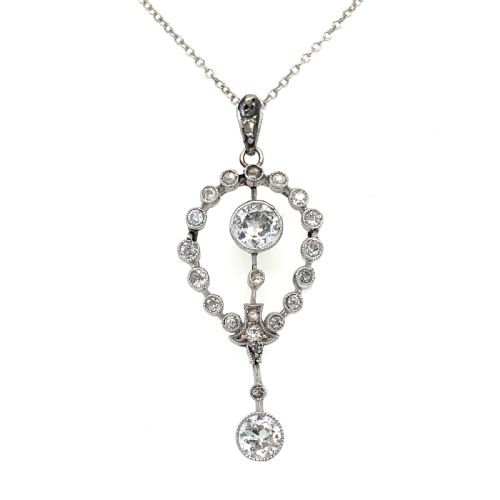
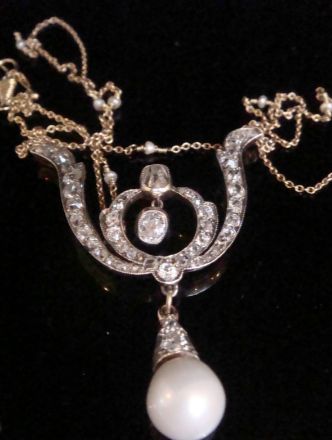
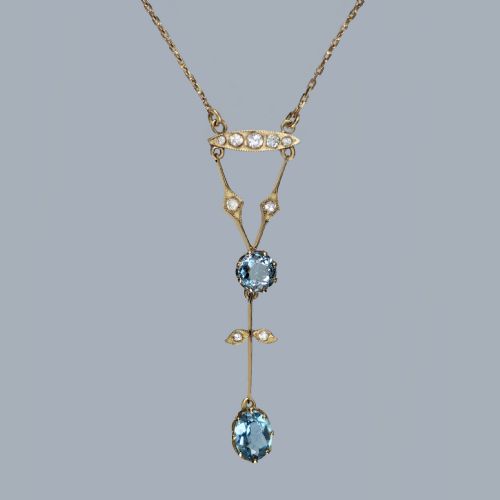
A diamond lavalier necklace hangs with characteristic pendant drops and delicate suspended stones, offering unmistakable period elegance for the discerning collector.
Diamond Lavalier Necklace
When you search for a diamond lavalier necklace, you enter a domain of delicate drop pendants suspended from fine chains, frequently featuring central gemstones like amethysts, pearls, aquamarines or opals alongside old cut diamonds. These pieces originate predominantly from the Edwardian and Victorian eras, carrying distinct aesthetic markers of early twentieth-century and late nineteenth-century design.
These items function as both necklaces and pendant brooches in many instances, reflecting the versatile jewellery engineering of their period. Collectors look for these specific configurations to secure wearable pieces of historical craftsmanship.
Materials and construction
Goldsmiths of the Victorian and Edwardian periods utilised a combination of yellow gold, white gold, and increasingly platinum to mount old cut diamonds and coloured stones. Platinum allowed for exceptionally fine, knife-edge settings that maximised the brilliance of the diamonds without overwhelming the delicate metalwork.
Techniques relied heavily on hand fabrication, incorporating bezel and collet settings for pearls, amethysts, opals, and sapphires. Articulated joints and drop elements were meticulously soldered to create the characteristic fluid movement inherent to lavalier designs.
Materials recorded across the inventory include platinum, yellow gold, white gold, diamonds, pearls, amethysts, opals, aquamarines, and sapphires.
Markers of quality
The distinction between ordinary and exceptional examples rests upon the harmony of the design and the integrity of the original setting. Superior pieces exhibit fine millegrain work, balanced stone proportions, and undamaged platinum or gold wirework that retains its structural crispness.
Quality also reveals itself in the selection of the central gems, whether an amethyst, aquamarine, or opal, paired thoughtfully with well-matched old cut diamonds. Original chains and convertible brooch mechanisms intact from the period elevate the overall standing of the piece.
The Diamond Lavalier Necklace Glossary
- Lavalier
- A pendant necklace featuring one or more suspended drops, popularised in the late nineteenth and early twentieth centuries. This form creates a distinct vertical emphasis on the neckline.
- Old cut diamond
- A diamond cut by hand before modern machinery standardised facets, typically exhibiting a smaller table and larger culet. These stones display a softer, warmer scintillation under candle or ambient light.
- Millegrain
- A decorative technique involving a row of tiny raised metal beads along the edges of a setting. It imparts a delicate, softened texture typical of Edwardian fine jewellery.
- Convertible pendant brooch
- An item engineered with a detachable pin finding on the reverse, allowing the pendant to double as a brooch. This multifunctional design was highly favored in Victorian and Edwardian ateliers.
Diamond Lavalier Necklace: Frequently Asked Questions
How do I wear a diamond lavalier necklace?
These delicate drop necklaces suit evening wear or tailored necklines where the pendant can hang without interference from fabric. Their refined proportions make them ideal for formal occasions.
Many examples feature convertible mechanisms that allow the pendant to detach and function as a brooch. This versatility offers multiple styling options for daily or evening use.
What periods do these necklaces come from?
The pieces span from the late Victorian era through the Edwardian period and into Art Deco and Mid-Century designs. Edwardian items are particularly common.
Earlier Victorian examples lean towards heavier yellow gold settings, whilst Edwardian pieces frequently employ platinum and white gold for a lighter appearance.
Are the chains original to the pendants?
Finding a piece with its original period chain is a notable bonus, though many antique pendants have been paired with complementary antique chains over time.
Examining the metal hallmarks and link construction helps determine whether the chain matches the manufacturing era of the pendant itself.
How should I care for my antique necklace?
Store the necklace flat in a lined jewellery box to prevent the delicate drop elements and fine chains from tangling or sustaining pressure damage. Avoid ultrasonic cleaners if the piece contains softer gemstones like opals or pearls.
Professional cleaning should be reserved for specialist antique jewellers who understand how to protect vulnerable settings and historical precious stones.