


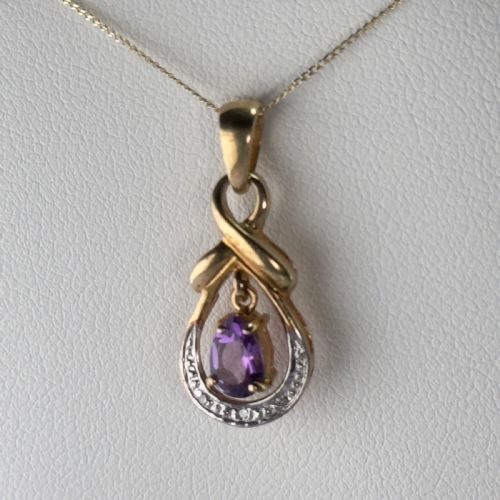


Teardrop Diamond Pendant
A teardrop diamond pendant brings together classic forms and brilliant stones, offering a graceful focal point for any neckline.
Teardrop Diamond Pendant
A teardrop diamond pendant captures light through pear-cut and drop-shaped stones, presenting a silhouette that has remained popular across multiple eras. These items appear in formats ranging from simple pendant necklaces to convertible brooch combinations.
The selections span from the Victorian period through Edwardian designs and the mid-twentieth century up to modern contemporary styles. Buyers encounter both minimal gold settings and elaborate arrangements featuring coloured gemstones alongside the central diamonds.
How they were made
Goldsmiths utilise various purities of gold, white gold, yellow gold, silver, and platinum to form the secure settings for each stone. These metals provide the structural framework required to suspend pear-shaped gems and supporting stones.
Craftsmen mount diamonds alongside coloured stones such as sapphire, amethyst, peridot, topaz, aquamarine, and garnet. The arrangement often incorporates pearls or rose-cut diamonds to enhance the overall texture and visual depth of the drop.
Some pendants double as brooches, letting you wear your diamonds on your lapel by day and your collar by night.
What varies in quality
The standard of a teardrop diamond pendant depends heavily on the precision of the stone cutting and the harmony between the central diamond and any accompanying gems like sapphire or amethyst. Superior examples demonstrate careful stone matching and balanced proportions within the drop silhouette.
The complexity and finesse of the metalwork, whether in yellow gold, white gold, silver, or platinum, dictate the refinement of the piece. Masterful setting work secures each stone firmly while allowing maximum light entry through the pear or teardrop shape.
The Teardrop Diamond Pendant Glossary
- Pear cut
- A modified brilliant-cut stone shaped like a teardrop, featuring a rounded end and a single sharp point at the other. This shape forms the visual centre of many drop pendants.
- Rose cut
- An antique style of diamond cutting characterised by a flat base and a domed crown consisting of triangular facets. This cut yields a soft, subtle gleam rather than modern brilliance.
- Drop pendant
- A suspended ornament that hangs downward from a chain or collar, designed to sway with movement. These pieces often feature pear-shaped stones or articulated sections.
- Platinum
- A dense, durable, and naturally white precious metal used in fine jewellery fabrication. It offers exceptional strength for delicate settings without requiring rhodium plating.
- Victorian period
- The era spanning the reign of Queen Victoria, marked by romantic symbolism and diverse stylistic phases in jewellery design. Pieces from this time often incorporate rich gold work and detailed gemstone arrangements.
Teardrop Diamond Pendant: Frequently Asked Questions
How do I wear a drop pendant?
These pendants hang freely from chains, resting on the neckline to complement various styles of clothing. Their balanced drop shape makes them suitable for daily wear or evening occasions.
Matching earrings or complementary necklaces from similar periods can also accompany the pendant for a coordinated look.
How do I identify Edwardian pendants?
Edwardian jewellery often utilises platinum and white gold to create light, lace-like mountings that frame diamonds and pearls. The designs emphasise elegance and intricate craftsmanship.
Examining the metal type and the cutting style of the diamonds helps distinguish these pieces from later mid-century or contemporary iterations.
What metals are used in these pendants?
Materials span yellow gold, white gold in various purities, silver, and platinum. Each metal provides a distinct tone that alters the overall appearance of the mounted diamonds and coloured stones.
Different eras favoured specific metal combinations, aiding in the general dating of individual pieces.