




Devotional Wood Carving
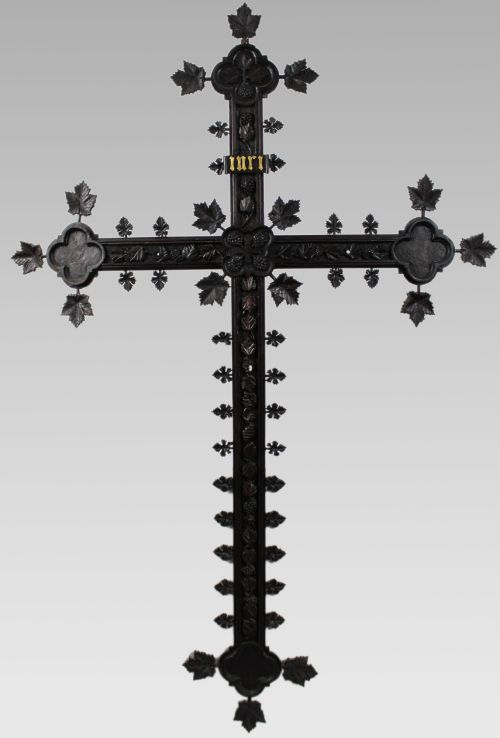
These devotional wood carving pieces bring centuries of intense religious devotion into a room through masterful hand-carved forms.
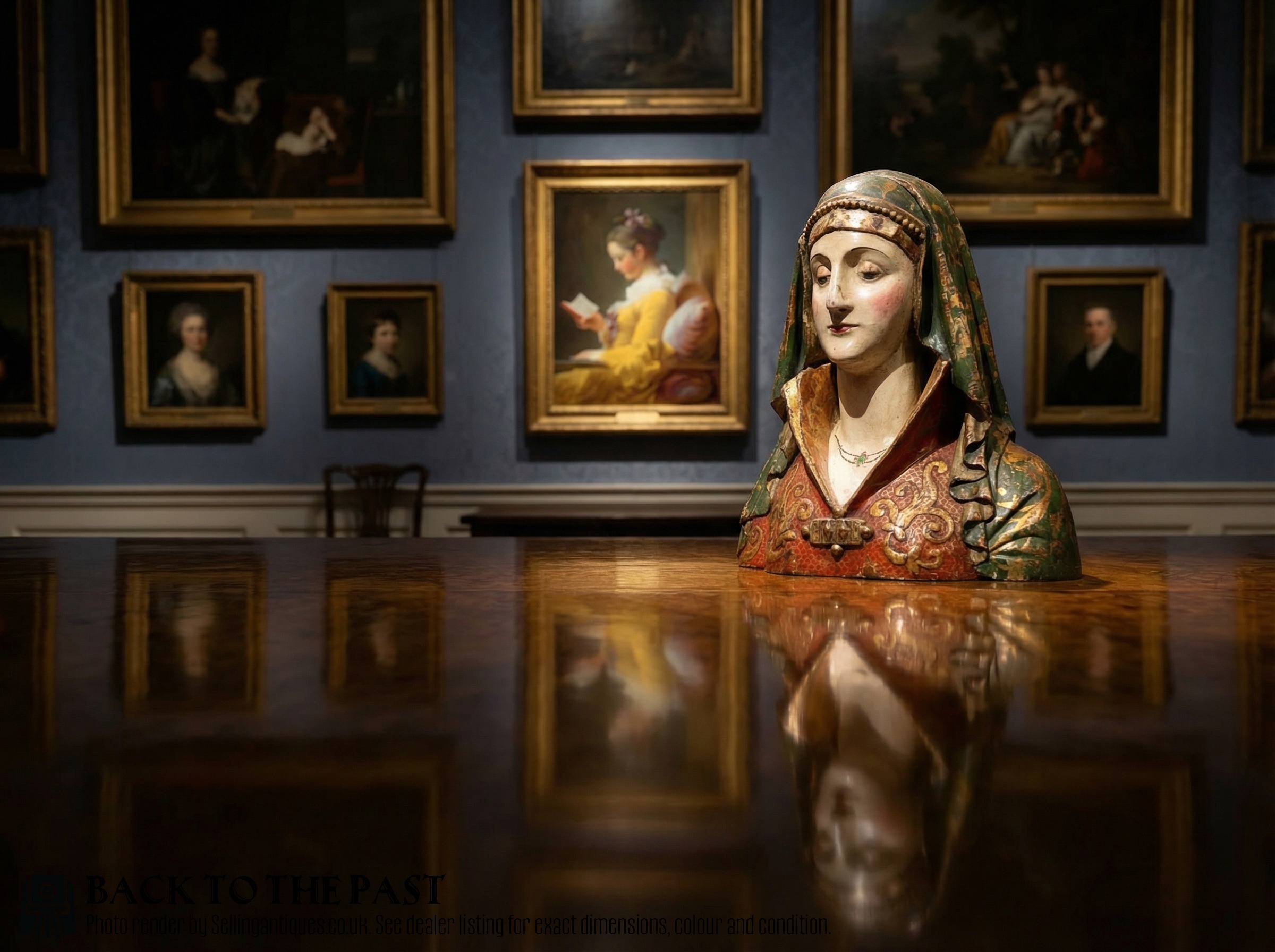
Understanding devotional wood carving
A devotional wood carving embodies centuries of sacred artistry through traditional religious figures and sculptures. Collectors hunting for devotional wood carving examples will encounter striking regional works spanning multiple European centuries.
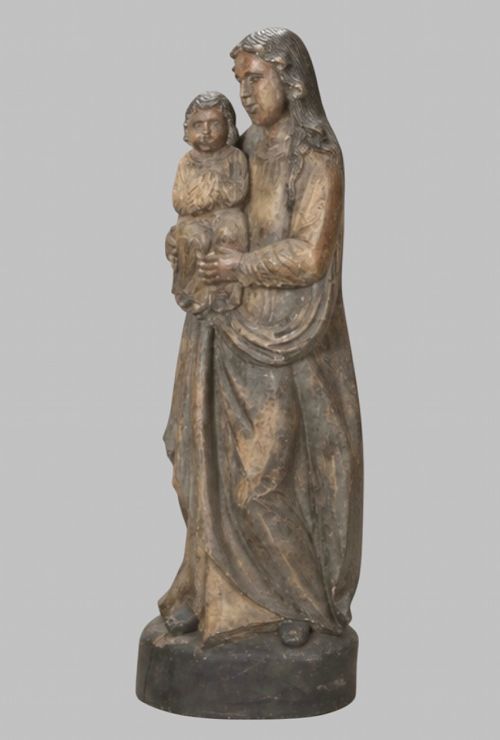
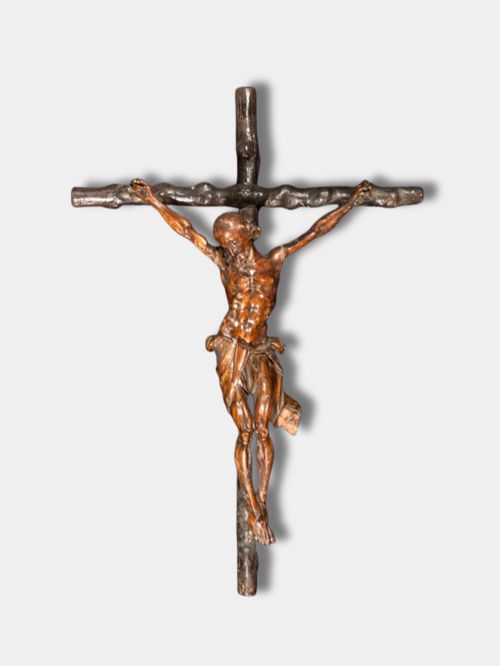
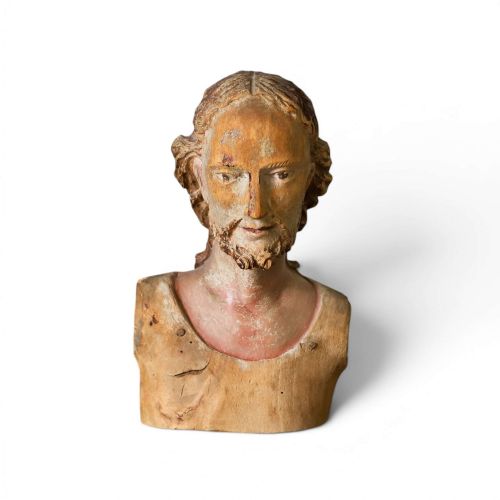
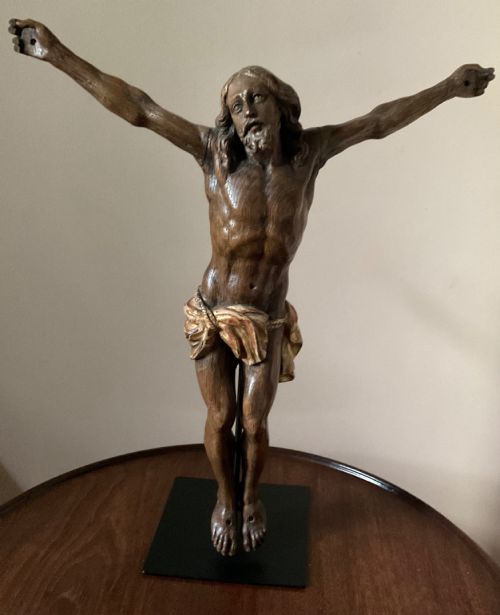
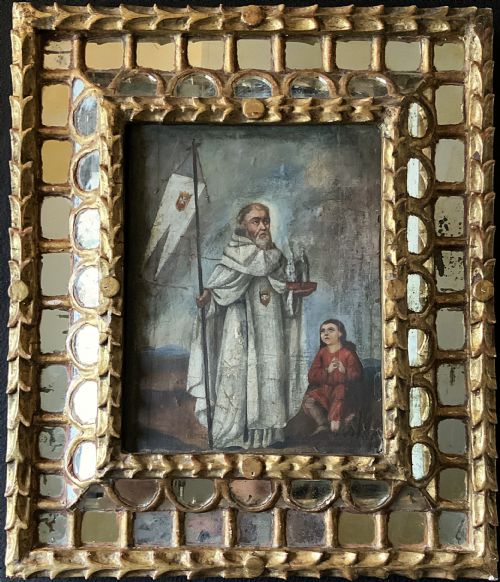
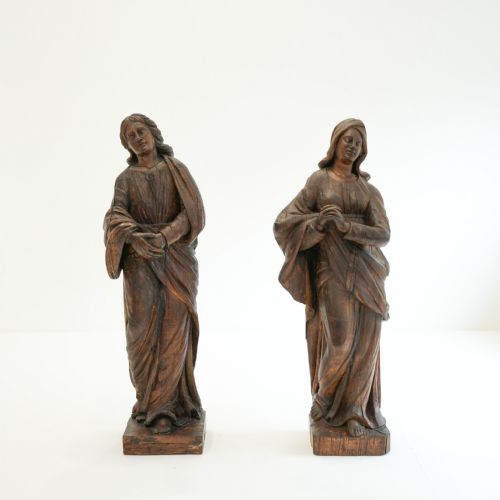
The selections on this page feature notable Spanish and Italian pieces, including representations of saints, the Pieta, and Corpus Christi figures. These objects range from severe seventeenth-century Corpus Christi sculptures to elaborate eighteenth-century polychrome busts.
Buyers frequently find works originating from Mediterranean workshops that utilise native timbers and traditional finishing methods. Each piece reflects the specific theological and artistic priorities of its period of origin.
Materials and construction
Craftsmen shaped these devotional figures from solid hardwoods and olive wood, employing traditional chisels and gouges to define anatomical details and drapery folds. The natural grain of the timber often provides texture to the exposed areas of skin and hair.
Many examples incorporate polychrome paint layers applied over a prepared ground, adding lifelike flesh tones and richly coloured vestments. Additional elements such as metal fixtures frequently accompany the main wooden sculptures.
Retail Price Guide 2026
Typical UK retail prices for devotional wood carving, calculated from the Sellingantiques database of over a million retail prices indexed since 2003. This retail price guide relies exclusively on Sellingantiques data; no external sources or auction records are used, so the figures do not describe the wider market.
Current listings demonstrate a concentration of seventeenth and eighteenth-century Spanish and Italian pieces fashioned from hardwood, olive wood, and polychrome paint.
Assessing quality
Superior quality in these carvings reveals itself in the anatomical precision of the hands, face, and drapery folds, demonstrating the carver's mastery over the hardwood. Lesser examples display stiffer, more generic forms with less attention to expressive detail.
The preservation of the original polychrome paint surface significantly elevates a piece, whereas heavy later repainting obscures the historic hand of the maker. The sophistication of the regional baroque style also distinguishes standard workshop output from exceptional sculpture.
The Devotional Wood Carving Glossary
- Corpus Christi
- The body of Christ depicted on a cross. This specific sculptural subject focuses on the physical suffering and theological significance of the crucifixion.
- Polychrome
- The practice of decorating sculptural surfaces in multiple colours. This technique was widely utilised on wooden religious figures to create a realistic appearance.
- Pieta
- A subject in Christian art depicting the Virgin Mary supporting the dead body of Christ. Spanish and Italian workshops frequently rendered this emotional scene in carved timber.
- Baroque
- An artistic style prevalent in seventeenth and eighteenth-century Italy and Spain. This aesthetic emphasises dynamic movement, dramatic tension, and deep emotional intensity.
Frequently Asked Questions
How do I date a carving?
Dating relies on stylistic clues such as the theatricality of the baroque forms, the treatment of drapery, and regional carving conventions. Seventeenth-century pieces often display starker execution compared to later baroque elaboration.
Material analysis and the ageing patterns of the timber and underlying paint layers also assist in establishing the correct period of origin.
Where were these pieces made?
The surviving evidence points primarily to workshops in Italy and Spain, regions with strong traditions of religious sculpture. Sicilian and broader Italian and Spanish baroque traditions dominate these origins.
Local timber choices, particularly olive wood and native hardwoods, often reflect the specific geographical roots of the artisan.
How should I care for a carved wooden figure?
Maintain stable indoor humidity and temperature levels to prevent the timber from cracking or warping over time. Avoid placing historic wooden sculptures in direct sunlight or near heat sources.
Dust the surface gently with a dry, soft brush and refrain from using liquid cleaners or polishes that might damage delicate polychrome finishes.