


Antique Religious Bust
An antique religious bust brings centuries of devotion into a room, carved from wood and marble with intense human expression.
Antique Religious Bust
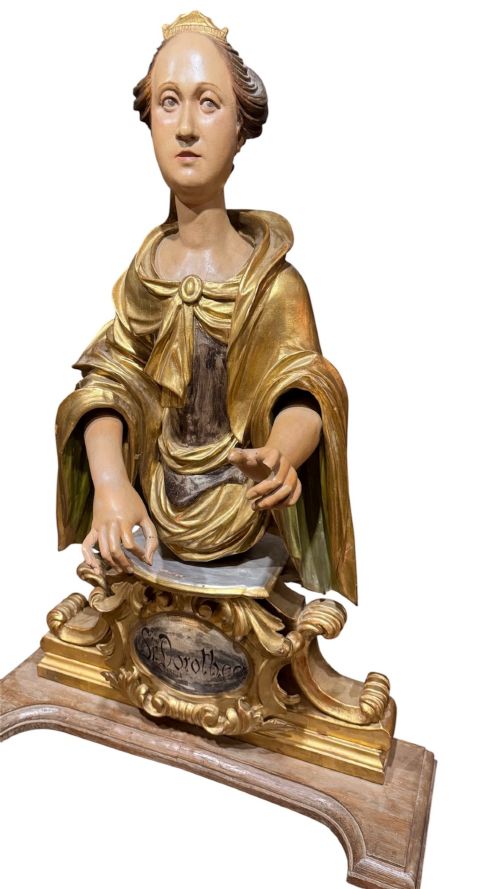
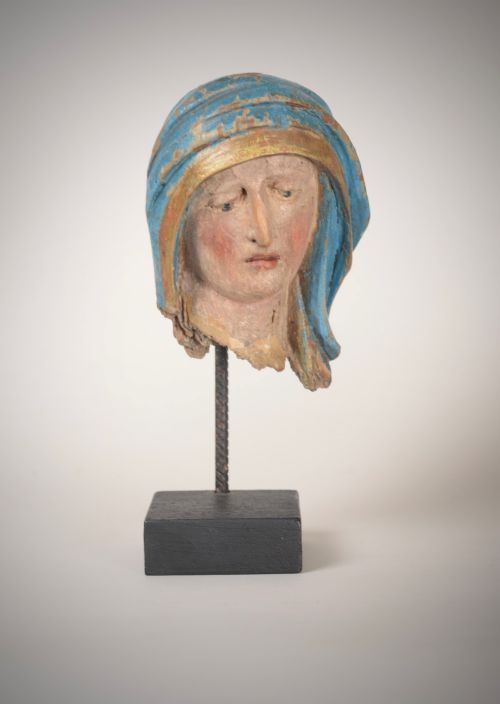
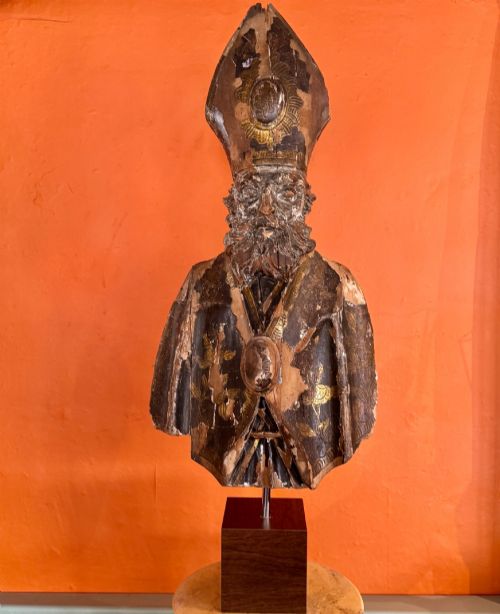
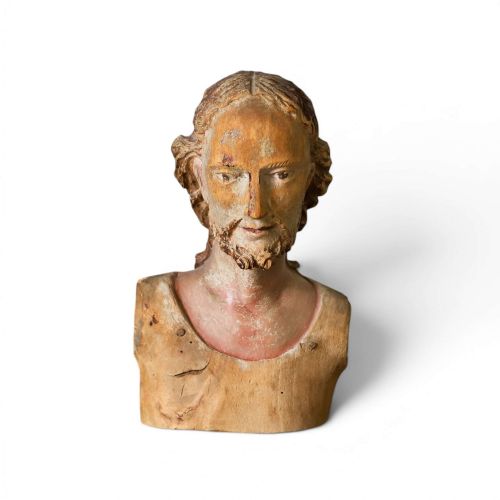
An antique religious bust captures the likeness of saints, bishops, monks, and biblical figures in carved wood, marble, and bronze. These sculptures range from small fragments of sixteenth-century French Renaissance saints to eighteenth-century Italian ecclesiastical pieces and nineteenth-century studies.
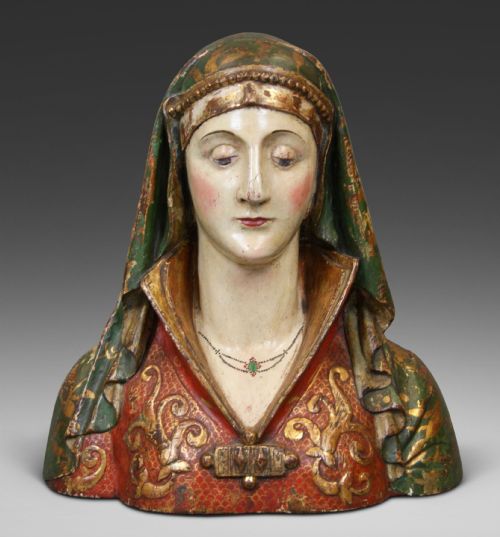
The most common finds on this page are carved wood pieces featuring polychrome paint, gesso, and gold leaf. Italian and French workshops dominate the selection, offering everything from large depictions of Jesus Christ to cherub heads and portraits of saints.
How they were made
Carvers shaped these pieces primarily from walnut, olive wood, oak, and other timbers, applying layers of gesso to prepare the surface for fine detail. Many examples then received polychrome paint and gold leaf to heighten the lifelike appearance of flesh, hair, and vestments.
Makers also worked in marble and alabaster, chiselling stone to create smooth contours for Grand Tour collection pieces and relief sculptures. Bronze casting provided another medium, utilised for patinated renderings of sacred figures.
Antique Religious Bust Retail Price Guide 2026
Typical asking prices for religious bust among the pieces listed under this phrase on Sellingantiques today, from the lower quarter to the upper quarter. They describe what is for sale here now, not the wider market.
A sixteenth-century wood fragment preserves the steady gaze of a saint who has watched generations of European rooms change around them.
What varies in quality
The skill of the carver dictates the strength of the expression, separating static devotional items from pieces with genuine emotional power. Deep undercutting in wood and precise facial mapping in stone show the hand of a master sculptor rather than a routine workshop.
Survival of original surface finishes determines historical integrity, as later repainting can obscure the early layers of polychrome and gilding. Retaining the original ground and pigment adds considerable visual and historical depth.
George Minne·Antonio Rossellino
The Antique Religious Bust Glossary
- Polychrome
- Painted in several colours. This finish was commonly applied to wood carvings to give a realistic look to skin, hair, and robes.
- Gesso
- A plaster mixture applied to wood surfaces as a base for paint or gold leaf. It creates a smooth ground for intricate detailing.
- Ecclesiastical
- Relating to the Christian Church or clergy. These pieces were made for use in churches, chapels, and private domestic shrines.
- Grand Tour
- A traditional trip of Europe undertaken by upper-class young men in the eighteenth and nineteenth centuries. Travellers often returned with marble sculptures and busts.
- Relief sculpture
- Sculptural elements attached to a solid background of the same material. Heads and shoulders carved in this manner project slightly from a flat stone or wood panel.
Antique Religious Bust: Frequently Asked Questions
What is an antique religious bust?
An antique religious bust is a sculptural portrait of a saint, monk, or biblical figure created for worship, contemplation, or ecclesiastical decoration. They focus on the head and shoulders, capturing solemnity and devotion.
Materials range from carved walnut and olive wood with polychrome paint to marble and patinated bronze. These objects span from the sixteenth century through the nineteenth century, originating largely from Italian, French, and Austrian workshops.
Where were religious busts displayed?
In the past, these busts stood on altars, inside private chapels, or within monastic spaces to aid daily prayer and meditation. Some smaller figures belonged to domestic devotional setups in homes.
Today, collectors place them on mantelpieces, bookshelves, or dedicated pedestals. Their striking sculptural forms allow them to sit comfortably in both traditional and modern interiors.
How do I care for a wood bust?
Keep wooden and polychrome sculptures away from direct sunlight and sudden temperature changes. Stable indoor conditions prevent the wood from splitting and protect fragile gesso layers.
Dust the surface gently with a soft, dry brush. Avoid using liquid cleaners, polishes, or damp cloths, which can damage historic paint and gold leaf.
How can I tell the age of a carved bust?
Dating relies on stylistic clues, tool marks, and the ageing of materials like wood and gesso. Sixteenth-century pieces often display Renaissance proportions, while eighteenth-century works show Baroque dynamism.
Examine the back and underside for evidence of hand-chiselling and the natural oxidation of the timber. Comparing the piece to documented regional styles helps narrow down the period.