



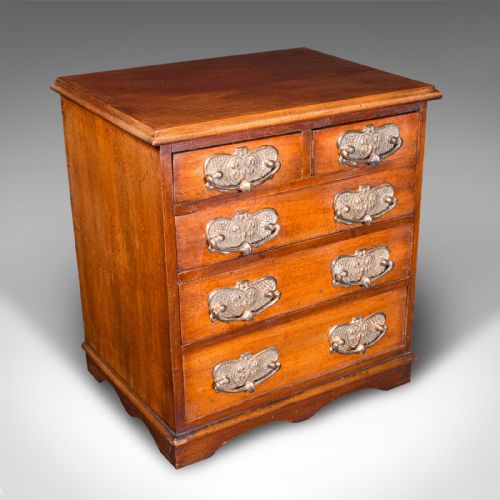


Desktop Organiser Drawers
Desktop organiser drawers are compact storage pieces built for work spaces, offering neat compartments for papers and small items.
Desktop Organiser Drawers
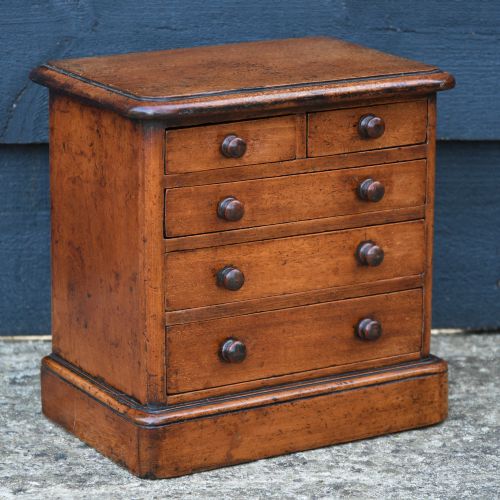
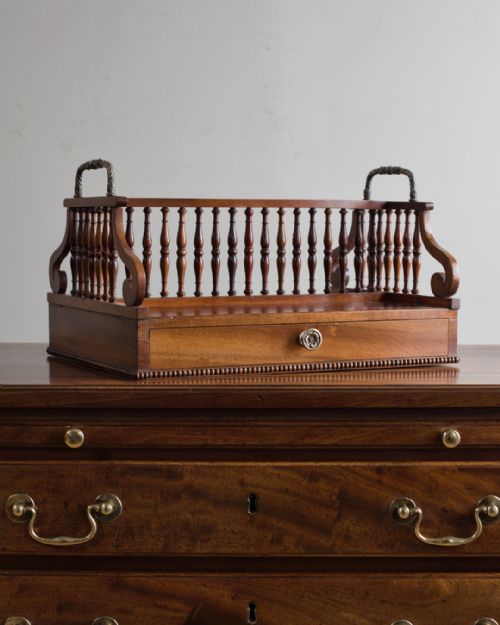
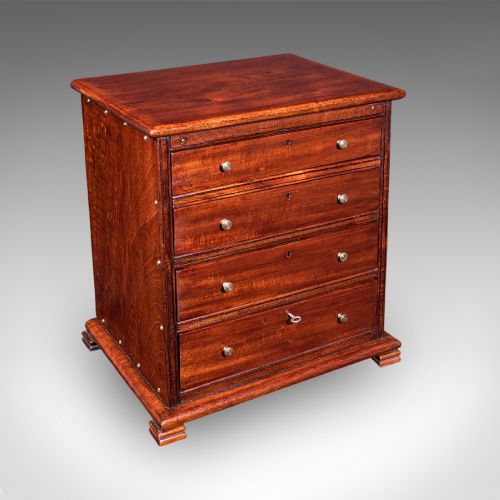
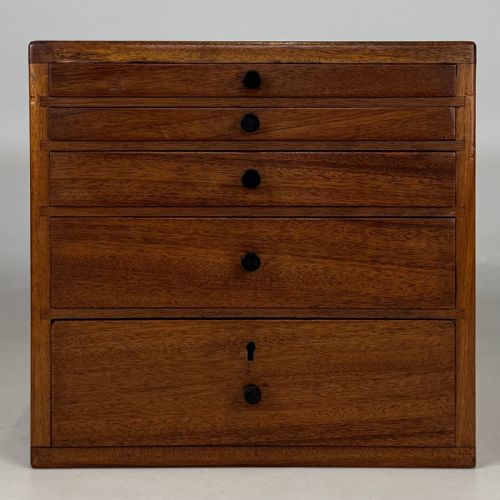
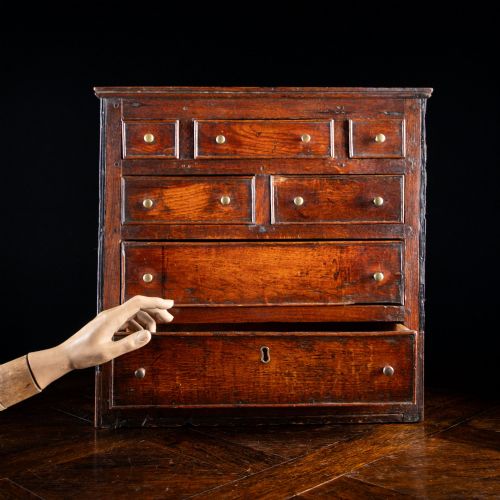
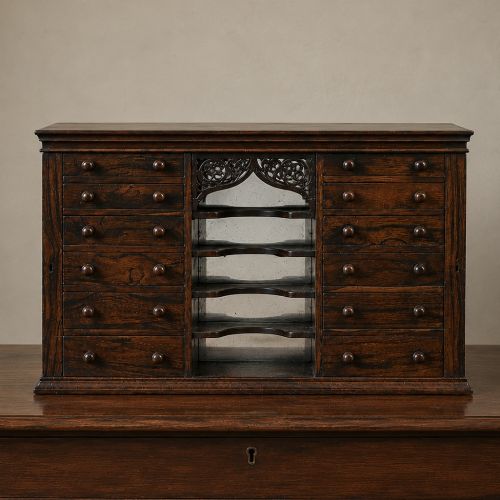
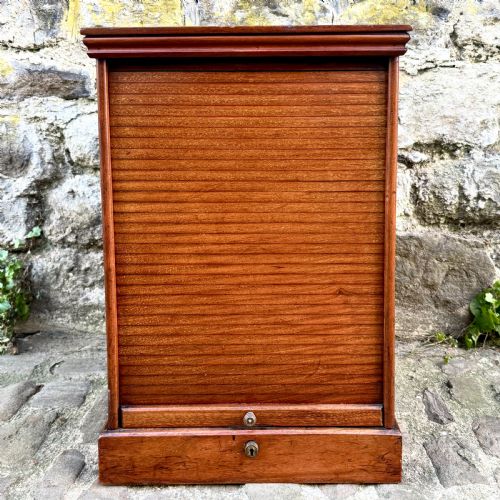
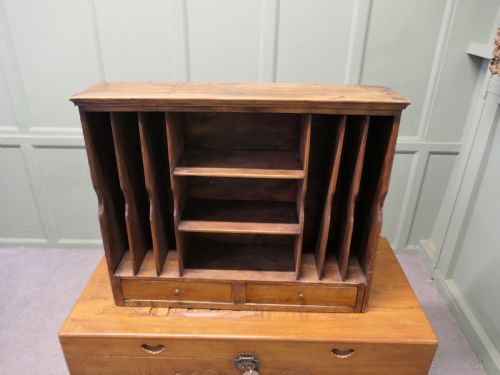
When you search for desktop organiser drawers, you encounter a variety of compact storage furniture designed for tabletop use. These pieces include collectors cabinets, miniature chests of drawers, filing cabinets, and spice cabinets from past centuries.
The selections span from the 18th century through the Georgian, Victorian, Edwardian, and 1930s periods. You are most likely to meet mahogany miniature chests and oak tabletop storage units on this page.
Origin details in the evidence show English items alongside French and American examples. Forms range from fall front desks and specimen cases to bank of drawers and index filing units.
How they were made
Cabinet makers utilised solid woods and veneers, primarily mahogany, oak, rosewood, pine, and beech. These timbers provided the structural strength needed for small scale drawers and housing.
Hardware details included brass drop handles and functional keys for securing contents. Interiors sometimes incorporated milk glass linings, as seen in specific dental and specimen pieces.
Desktop Organiser Drawers Retail Price Guide 2026
Typical asking prices for desktop organiser drawers among the pieces listed under this phrase on Sellingantiques today, from the lower quarter to the upper quarter. They describe what is for sale here now, not the wider market.
Materials across the listings include mahogany, oak, rosewood, pine, beech, brass, and milk glass.
What varies in quality
The standard of timber selection and surface finish dictates the visual appeal of each piece. Finer examples display carefully matched wood grains and rich patinas developed over generations.
Construction precision in the drawer joints and the crispness of mouldings separate standard utilitarian containers from masterwork miniature chests and collector cabinets.
The Desktop Organiser Drawers Glossary
- Miniature chest of drawers
- A small scale version of a full size chest, often made as an apprentice piece or for tabletop storage. These duplicate the proportions and stylistic details of larger furniture.
- Collector's cabinet
- A specialised storage piece fitted with multiple shallow drawers for housing specimens, coins, or small objects. They often feature locking doors or secure lids.
- Apprentice piece
- A fine small scale item created to demonstrate the skill of a craftsman seeking master status. They showcase advanced joinery and decorative detailing.
- Wellington chest
- A tall, narrow chest of drawers secured by a locking side flap that latches over the drawer edges. This form provides compact security for papers and valuables.
- Patina
- The surface sheen and depth of colour developed by wood through age, handling, and polishing. It serves as an indicator of authenticity and history.
Desktop Organiser Drawers: Frequently Asked Questions
What were desktop organiser drawers used for?
These pieces served practical roles in offices, studies, and surgeries for sorting correspondence, documents, and small instruments.
They kept workspaces tidy by containing specialist items such as collector specimens, dental supplies, and stationery within easy reach.
How do I date a miniature chest?
Dating relies on identifying the primary timber used, the construction methods of the drawer boxes, and the surrounding stylistic period.
Key indicators include the presence of brass drop handles, Georgian or Victorian proportions, and specific manufacturing techniques recorded in the inventory.
Are these pieces suitable for modern desks?
Their compact dimensions allow them to sit comfortably on modern desks while providing functional storage for contemporary stationery and small accessories.
Using them daily brings historic timber and traditional craftsmanship into active workspaces without occupying excessive floor area.
What is the difference between a filing cabinet and a specimen case?
Filing cabinets are built to hold documents and index cards systematically, often utilising drop fronts or banks of shallow drawers.
Specimen cases feature tightly fitted drawers designed specifically to protect delicate natural history collections or small valuables from dust and light.