


Delft Tin Glazed Earthenware
Delft tin glazed earthenware offers the rich palette and fluid hand-painted motifs of centuries past, prized for bringing historic ceramic character to any interior.
Delft Tin Glazed Earthenware
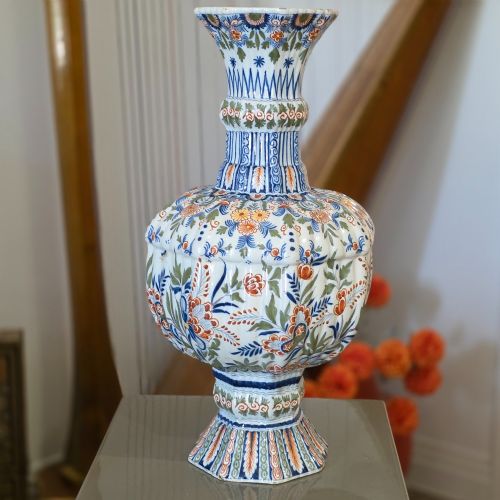
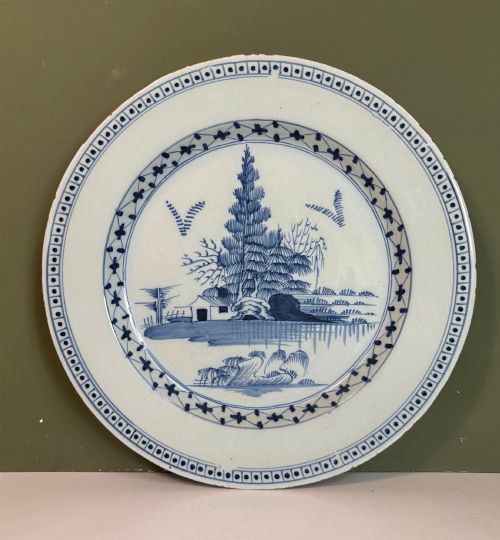
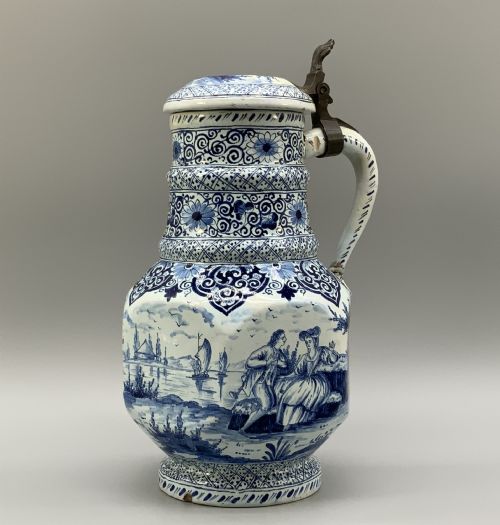
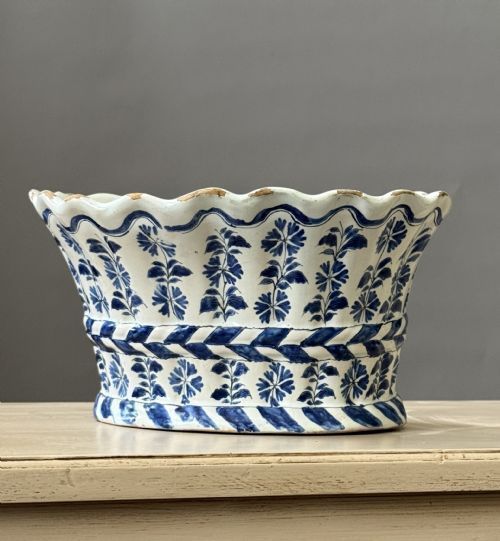
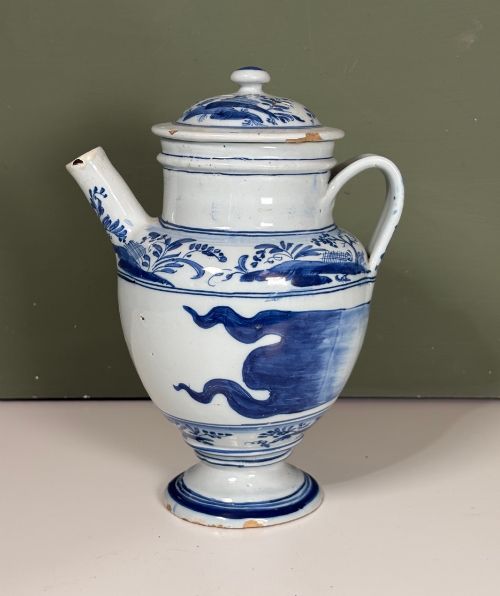
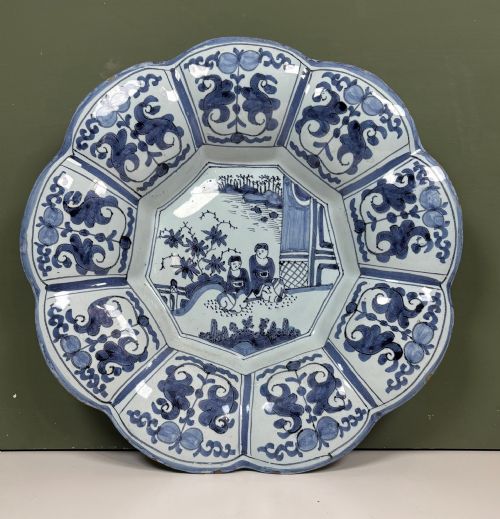
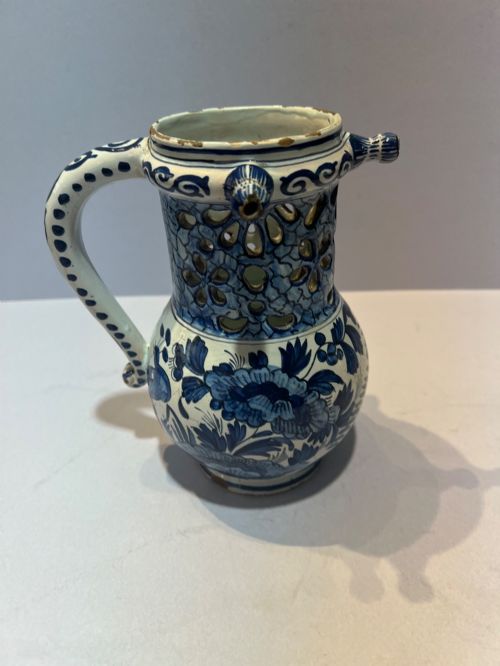
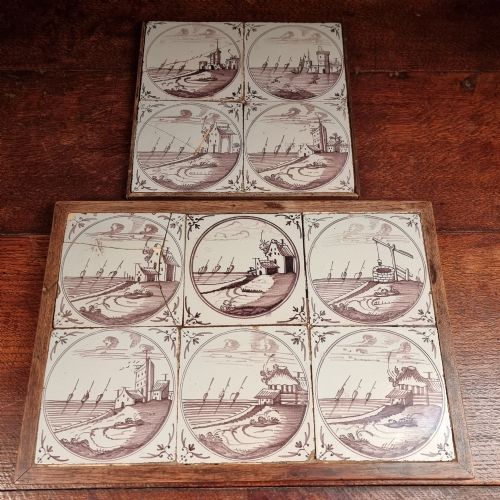
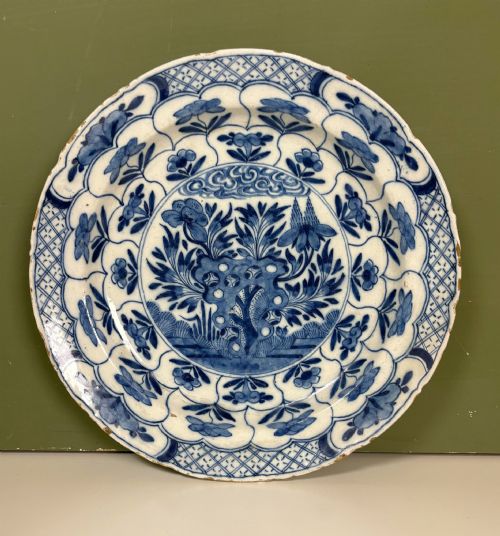
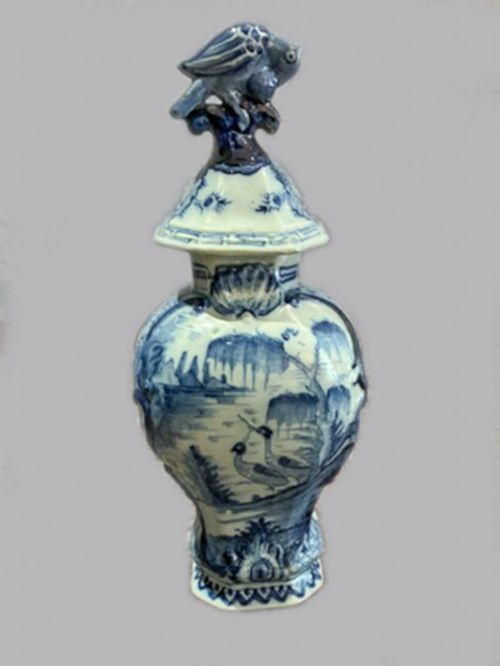
Delft tin glazed earthenware encompasses a diverse selection of ceramic objects created across the seventeenth, eighteenth, and nineteenth centuries. Buyers encounter forms ranging from large decorative chargers and dishes to vases, jugs, apothecary jars, bough pots, tiles, and posset pots.
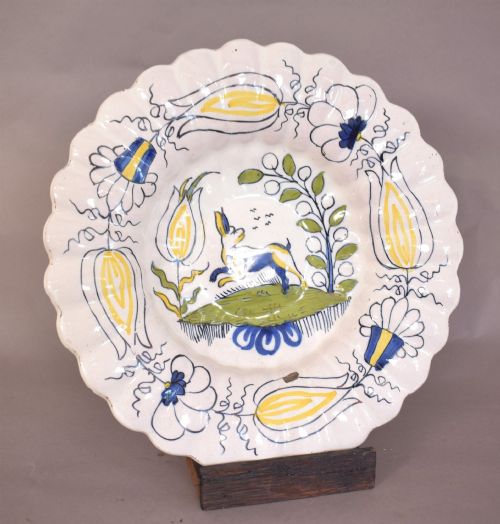
The objects originate from various European centres including Dutch, English, French, Spanish, and Italian workshops. Dutch examples and nineteenth-century revivals dominate the selection, showing both classic blue and white schemes and polychrome decoration.
How they were made
Potters shaped earthenware bodies and coated them in a tin glaze to create an opaque white surface suitable for painting. Artisans applied cobalt pigment and other metallic oxides directly onto the porous unfired glaze before firing.
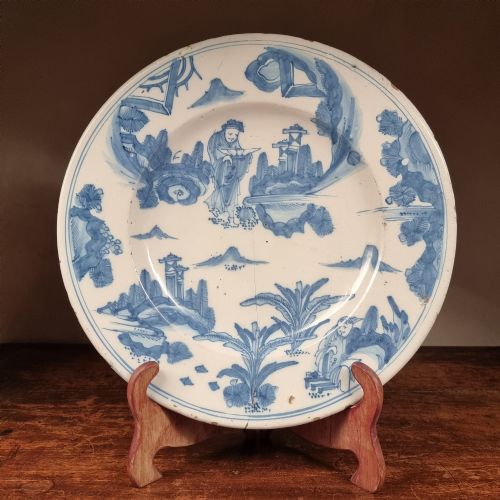
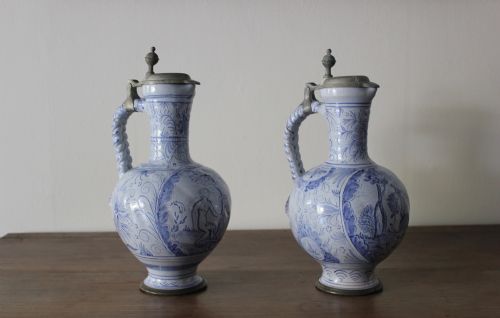
Makers produced specific functional and decorative objects such as puzzle jugs, lidded vessels, and wall tiles using traditional moulding and throwing techniques. Hand-painted floral, figurative, and Chinoiserie motifs completed each piece prior to the final kiln process.
Listings feature earthenware pieces spanning the seventeenth century through to 1940, including Dutch, English, French, and Spanish origins.
What varies in quality
The precision and fluidity of the hand-painted brushwork dictate the distinction between ordinary pottery and superior examples. Artisans who achieved crisp outlines and balanced compositions produced pieces with lasting visual impact.
The complexity of the form and the ambition of the pattern, such as multi-figure Chinoiserie scenes or intricate Moorish Revival designs, separate standard utilitarian vessels from exceptional collector pieces.
The Delft Tin Glazed Earthenware Glossary
- Tin glaze
- An opaque white ceramic glaze containing tin oxide that forms the characteristic canvas for painted decoration. This coating absorbs pigment readily before firing.
- Charger
- A large ornamental plate intended for display on a wall or dresser rather than for daily dining use. These wide surfaces often display the most ambitious painted scenes.
- Polychrome
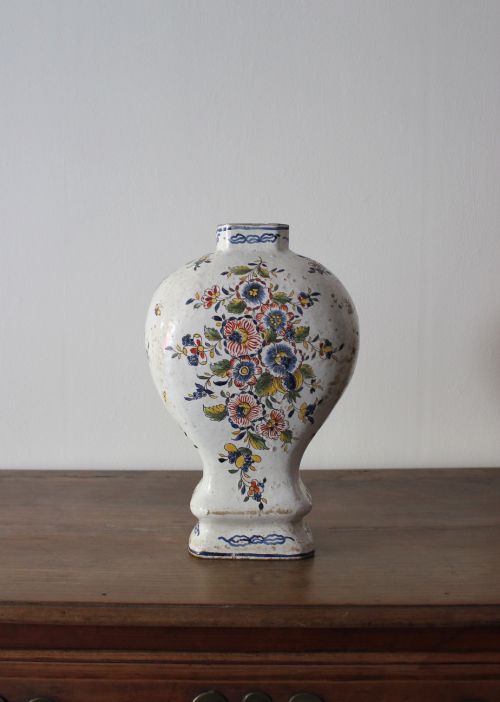
- Decoration utilising multiple colours rather than a single pigment. Painters employed manganese, yellow, and other oxides alongside blue.
- Faience
- European tin-glazed earthenware originating outside of the Netherlands, encompassing French, Spanish, and Italian wares. The term describes similar firing and glazing traditions.
- Bough pot
- A specialised vessel designed to hold cut branches or flowers for interior decoration. These containers often feature multiple spouts or perforated lids.
Delft Tin Glazed Earthenware: Frequently Asked Questions
What is delft tin glazed earthenware?
Delft tin glazed earthenware is a type of ceramic made by coating an earthenware clay body with a white tin glaze, then painting designs directly onto the surface before firing.
These objects include chargers, vases, bowls, and tiles produced primarily across European potteries during the seventeenth, eighteenth, and nineteenth centuries.
How were old delft chargers used?
Large chargers served mainly as decorative wall plates or centrepieces on dining tables and dressers in historic homes.
Their broad surfaces provided potters with a wide canvas to showcase elaborate floral, landscape, and figurative paintings.
How do you date delft ceramics?
Dating relies on stylistic shifts in painting patterns, such as early Chinoiserie motifs, later floral sprays, or nineteenth-century revival styles.
Glaze characteristics, colour palettes like manganese or cobalt, and the specific clay body also offer clues to the period of manufacture.
How should I care for antique earthenware?
Antique tin-glazed pieces require gentle handling and should be kept away from direct moisture and sudden temperature changes.
Dusting with a dry, soft cloth preserves the delicate tin glaze and prevents wear to the historic painted surfaces.