
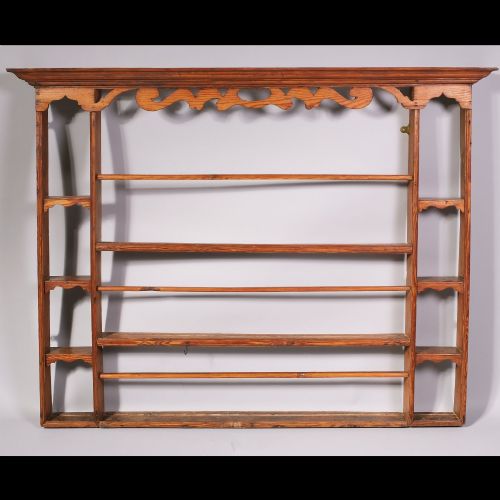
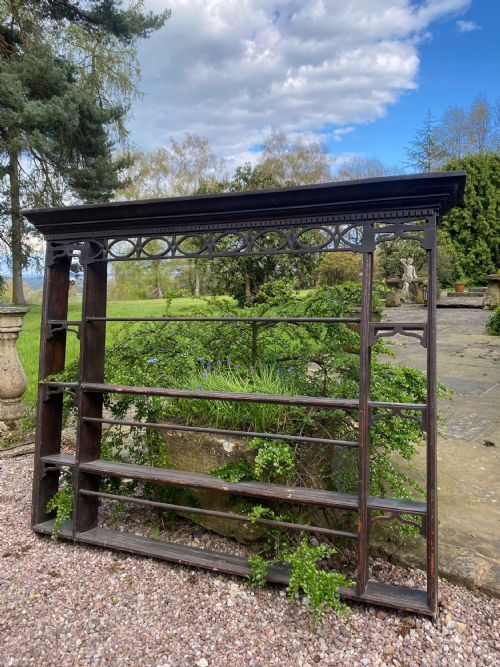
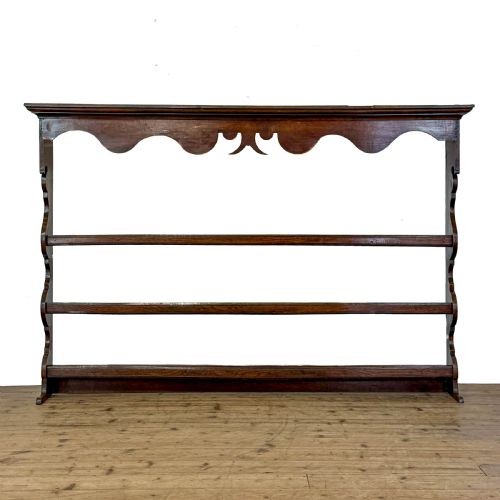


Delft Rack Wall Shelves
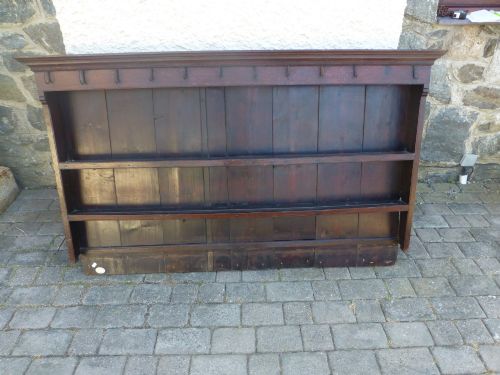
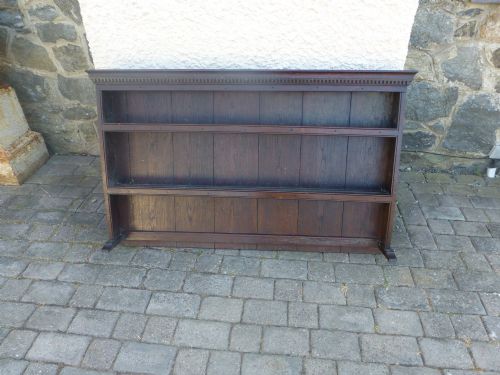
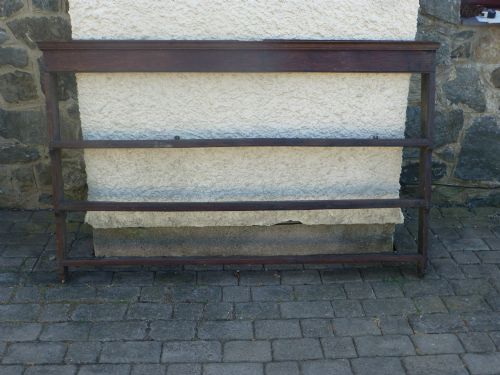
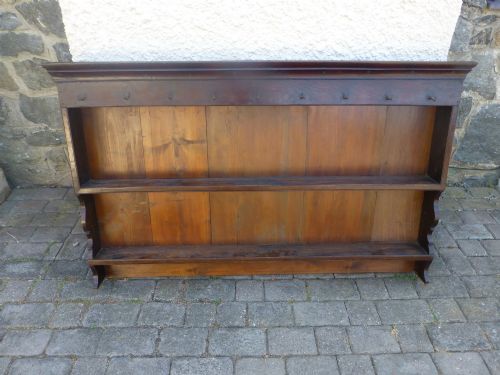
These delft rack wall shelves display the practical timber construction and provincial character that made provincial dining rooms work.
Delft Rack Wall Shelves
When you search for delft rack wall shelves, you are looking at wall-mounted timber fixtures designed to display plates and earthenware upright against a wall. The pieces on this page span the seventeenth, eighteenth, and nineteenth centuries, taking the form of plate racks, wall shelves, and dresser racks.
You will most commonly meet oak and pine examples from the Georgian and eighteenth-century periods, often built in the English country style. These are functional domestic items made to hold ceramic wares securely in kitchens and dining parlours.
The objects combine open shelving with slatted plate rails or fretwork details, reflecting traditional rural cabinetmaking. Their surviving forms demonstrate how earlier households stored and exhibited their everyday tableware.
How they were made
Cabinetmakers constructed these pieces primarily using solid oak and pine, occasionally incorporating fruitwood, walnut, or inlaid elements. Planks were joined with traditional methods to form sturdy backboards and projecting plate shelves designed to bear the weight of heavy ceramics.
Listings feature oak, pine, walnut, and fruitwood examples spanning the seventeenth to the nineteenth century.
What varies in quality
The distinction between ordinary and superior pieces rests on the choice of timber and the ambition of the joinery. Finer examples display carefully selected oak or pine with balanced proportions, refined mouldings, and integrated decorative fretwork.
Simpler provincial items rely on utilitarian construction with plain boards and minimal shaping. The presence of carved details, marquetry, or architectural columns elevates a piece from standard kitchen storage to considered country furniture.
The Delft Rack Wall Shelves Glossary
- Delft rack
- A wall-mounted or dresser-top wooden rack specifically designed with grooves or rails to display plates upright. These fixtures kept earthenware visible and accessible in traditional kitchens.
- Dresser rack
- The upper shelving portion of a traditional kitchen dresser, frequently encountered separated and hung directly on the wall. It provides multiple tiers for plate display and storage.
- Fretwork
- Openwork ornamentation cut from thin wood panels using a fine saw. It appears on pelmets or aprons of better racks to add decorative lightness.
- Marquetry
- The art of applying pieces of veneer to a structure to form decorative patterns. This technique appears on select nineteenth-century pieces.
- Corinthian columns
- Classical architectural pillars featuring ornate, acanthus-leaf capitals used to flank the sides of finer country racks. Their inclusion elevates utilitarian furniture.
Delft Rack Wall Shelves: Frequently Asked Questions
What is a delft rack?
A delft rack is a wall-hanging wooden shelf designed to hold plates upright against a wall. They originated to display imported delftware and local ceramics in domestic kitchens.
Over time, these racks became standard fixtures in English country houses and farmhouses. Their open structure allowed household tableware to remain both on display and close to hand.
How do I hang an old plate rack?
Older plate racks require secure attachment to wall studs or masonry because solid oak and pine pieces are surprisingly heavy. Fixing points must support both the weight of the timber and the heavy ceramics placed upon it.
Professional installation ensures the backboard sits flush against the wall without straining historical joints. Distributing the load prevents warping over time.
Were these always hung on walls?
Many racks were originally built as the upper section of a larger kitchen dresser rather than standalone wall fixtures. Cabinetmakers often separated them later, or built them specifically as hanging units for smaller rooms.
Both formats share identical construction methods and plate-holding rails. Their versatility suited changing domestic layouts across the centuries.
How do I date an oak rack?
Dating relies on observing tool marks, timber selection, construction joints, and decorative styles like Gothic Revival or Georgian fretwork. Eighteenth-century pieces typically show hand-sawn board edges and pegged mortise and tenon joints.
Changes in proportion and secondary woods help distinguish Georgian pieces from later nineteenth-century interpretations. Examining the backboards reveals how timbers were prepared.