





Wooden Wall Mounted Rack
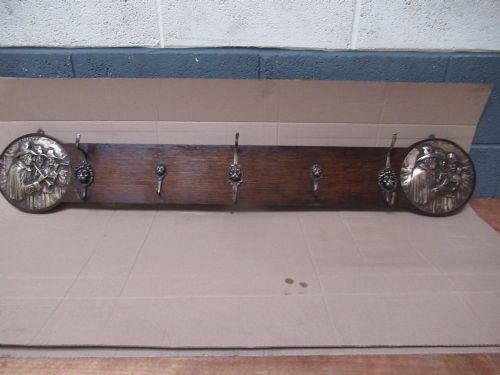
A wooden wall mounted rack organises a hallway or kitchen, holding coats, plates, or books while saving floor space.
Wooden Wall Mounted Rack
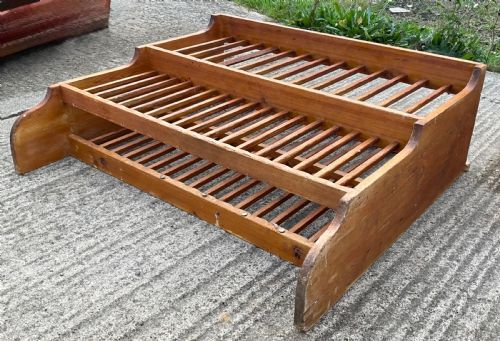
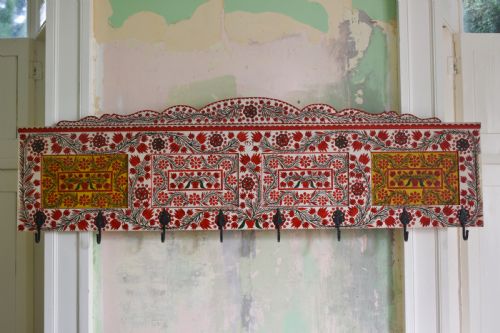
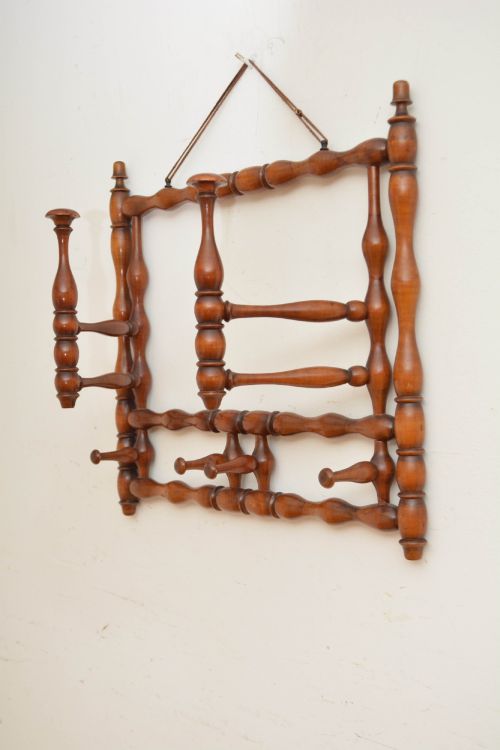
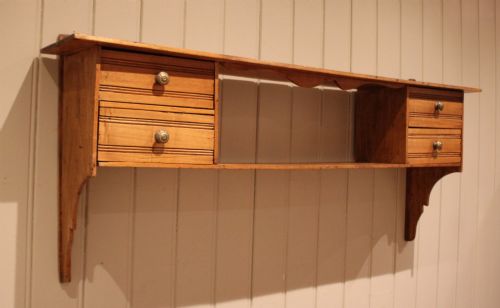
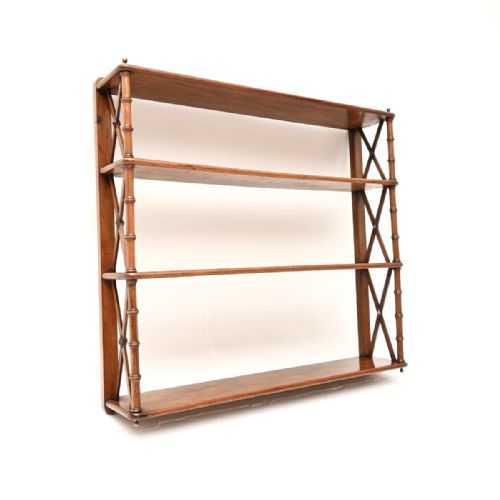
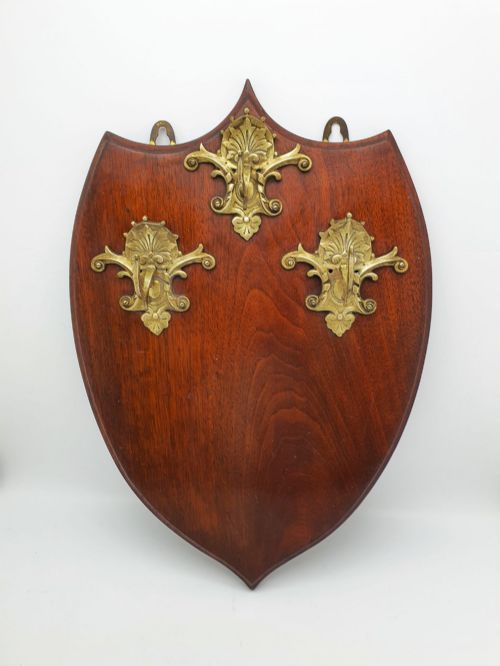
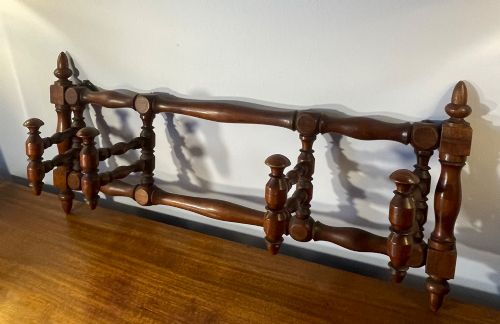
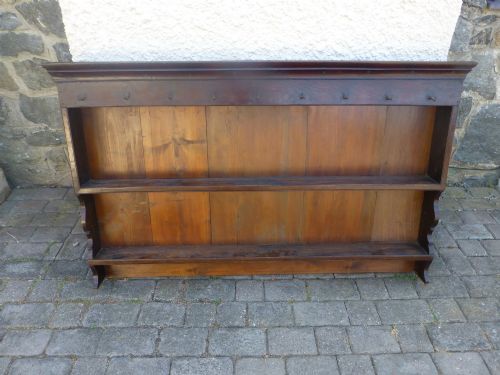
A wooden wall mounted rack encompasses functional items designed to hang or mount on walls across domestic spaces. These pieces span from the eighteenth century through the early twentieth century, taking forms such as coat racks, plate racks, wall shelves, and towel rails.
The selection ranges from sturdy oak and pine country pieces to refined mahogany and walnut examples reflecting Georgian, Victorian, and Edwardian tastes. Buyers encounter everything from simple peg rails to complex hall stands with integrated mirrors and key boards.
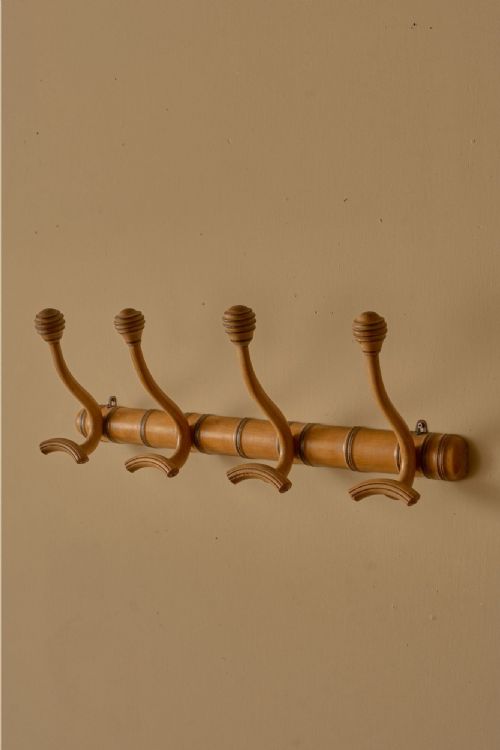
Origin variations include English country workshops, French provincial pieces with faux bamboo styles, and maritime items like ship's towel rails. Each object serves a distinct domestic purpose, whether displaying delftware in a kitchen or hanging garments in a reception hallway.
Materials and Construction
Constructed primarily from hardwoods like oak, mahogany, and walnut, alongside softer timbers such as pine, these racks rely on traditional timber joining techniques. Grain patterns and natural patinas emerge clearly through clear finishes, while some surfaces feature ebonised treatments, paint, or marquetry detailing.
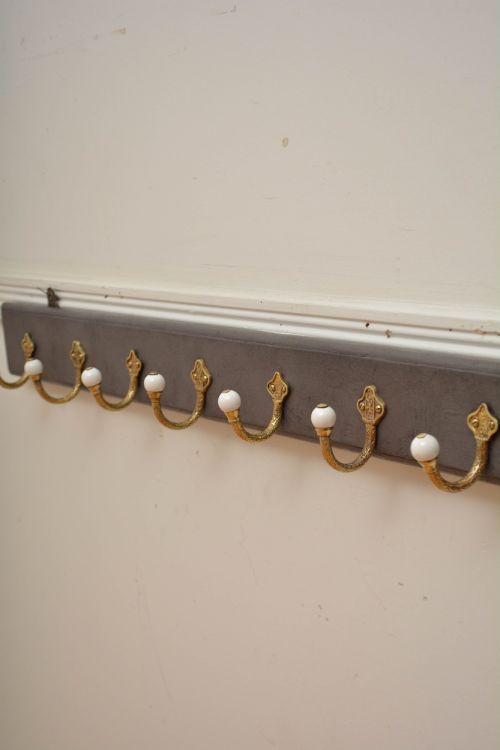
Metal hardware plays an essential structural and decorative role, incorporating cast brass hooks, wrought iron elements, and ceramic peg ends. Glass components appear in mirror inserts, completing assemblies designed to bear weight securely against domestic walls.
Wooden Wall Mounted Rack Retail Price Guide 2026
Typical asking prices for wooden wall mounted rack among the pieces listed under this phrase on Sellingantiques today, from the lower quarter to the upper quarter. They describe what is for sale here now, not the wider market.
Periods range across the eighteenth, nineteenth, and early twentieth centuries, including Georgian, William IV, Victorian, and Edwardian eras.
Design and Material Excellence
Quality rests in the selection of timber and the integrity of the structural joinery, where dense oak or figured mahogany outlasts softer pine bodies. Superior pieces exhibit thoughtful proportions, clean moulding details, and harmonious integration between the wooden backboard and the mounted hooks or shelves.
The distinction between standard utility items and finer examples often lies in the quality of the hardware, such as heavy cast brass hooks with ceramic details, and decorative flourishes like marquetry or turned spindles that elevate simple storage into accomplished cabinetwork.
The Wooden Wall Mounted Rack Glossary
- Delft rack
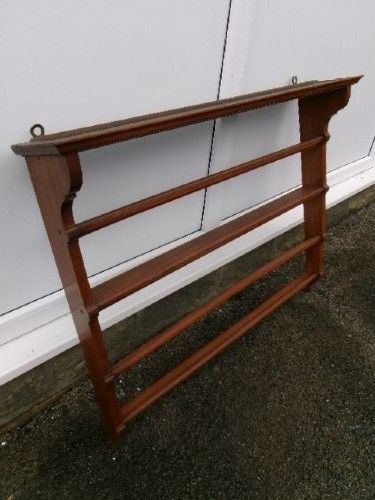
- A specialised wall-mounted shelving unit designed to display ceramic plates and platters upright. These traditionally feature grooved ledges and front rails to keep china secure.
- Backboard
- The flat wooden plank or panel that fixes directly to the wall and supports protruding hooks, shelves, or rails. It distributes weight and protects the plaster beneath.
- Marquetry
- The art of applying small pieces of veneer to a structure to form decorative patterns or pictures. This technique appears on finer nineteenth-century walnut and mahogany examples.
- Bentwood
- Wood that is shaped by steaming until pliable and then bent into curved forms. This technique created smooth, rounded components seen in specific hanging racks.
- Trefid spoon
- An early form of spoon with a flat, three-lobed terminal handle shape. These occasionally accompany period spoon racks.
Wooden Wall Mounted Rack: Frequently Asked Questions
How do I hang a wooden wall mounted rack safely?
Fix the backboard directly into wall studs or use appropriate heavy-duty wall anchors suited to the weight of the timber. Ensure the mounting points align with the structural strength of the piece.
Heavier items like oak plate racks or mahogany hall stands require robust fixings to support the downward pressure of loaded shelves or heavy coats.
What is the difference between an 18th century and Victorian rack?
Eighteenth-century pieces typically utilise solid oak or pine with simpler peg construction, often built as kitchen plate racks or spoon holders. They display deep patinas and hand-finished pegged joints.
Victorian examples frequently introduce mahogany or walnut, incorporating cast brass and ceramic hooks, mirrors, and more decorative carved elements suited to formal hallways.
Can I use an antique towel rail in a modern bathroom?
Many maritime and domestic towel rails from the Edwardian period adapt well to contemporary bathrooms for hanging textiles. The treated woods and brass fittings handle daily environments effectively.
Check the timber finish and ensure adequate ventilation to preserve the historic surface polish of mahogany or pine structures.