
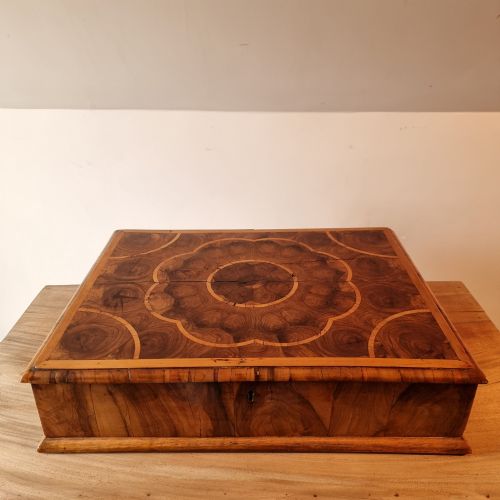
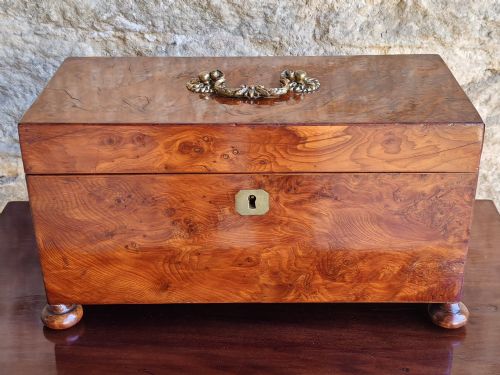
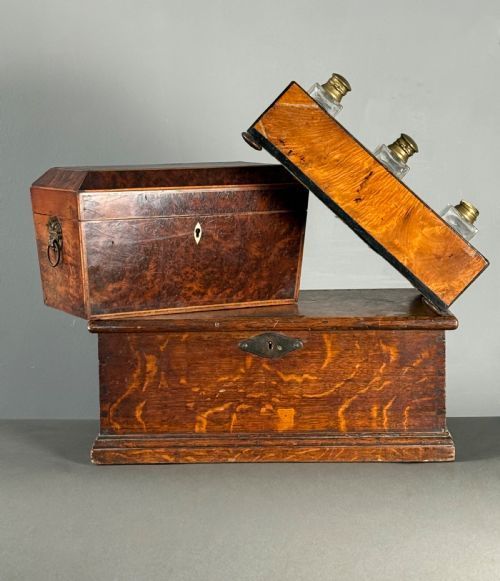
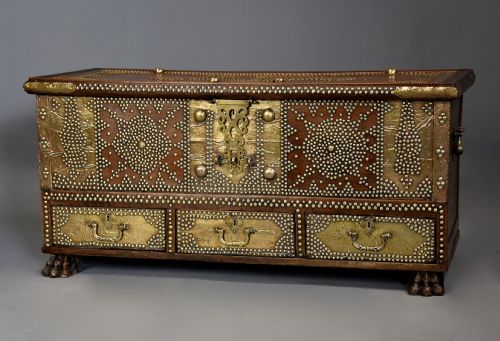


Decorative Wooden Storage
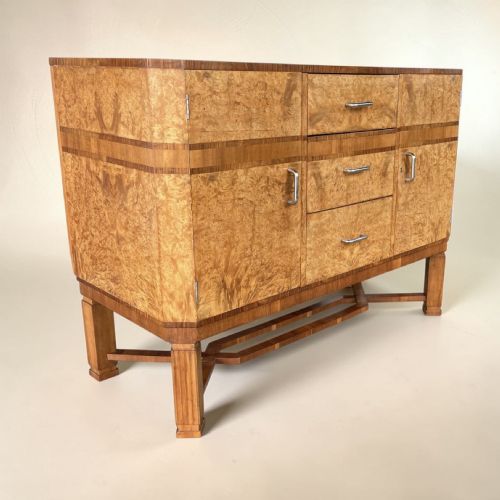
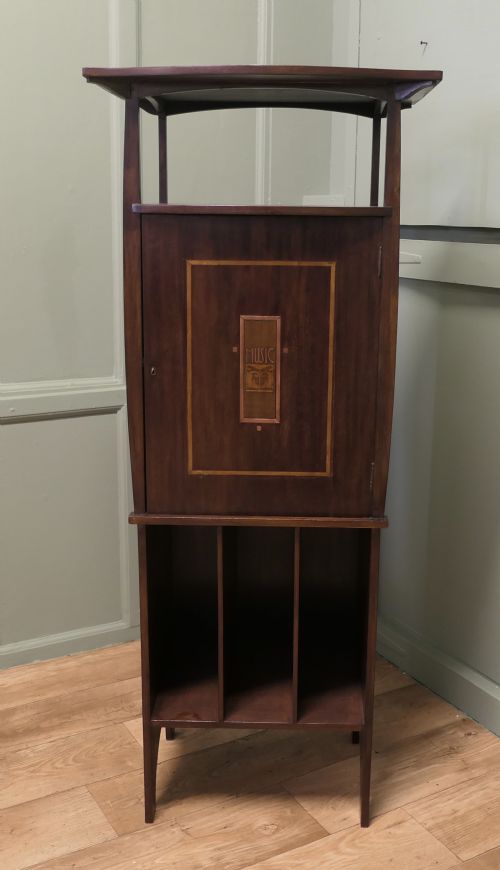
Decorative wooden storage covers boxes, chests and cabinets crafted from walnut, mahogany and rosewood across the eighteenth and nineteenth centuries.
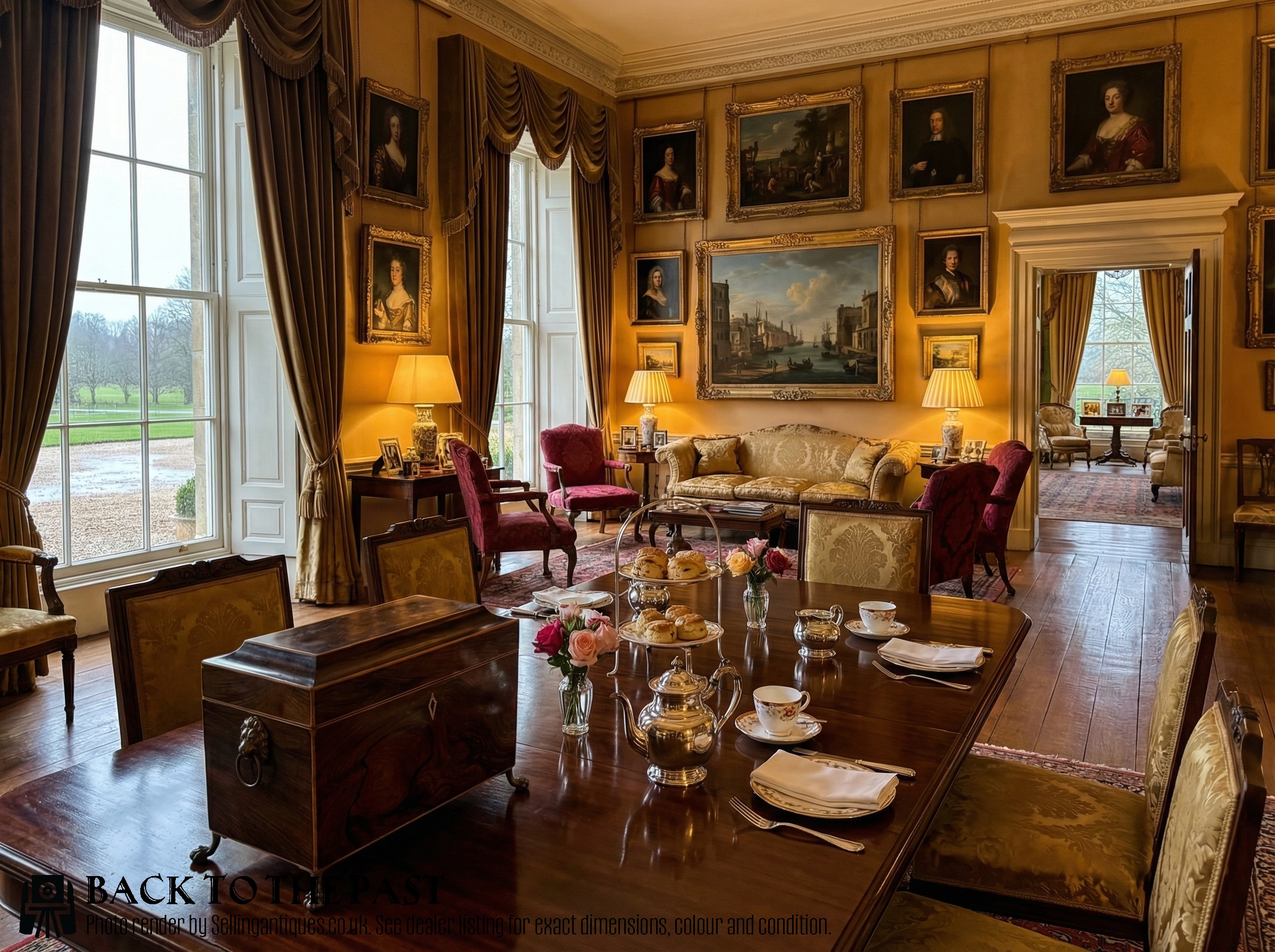
Decorative Wooden Storage
Decorative wooden storage encompasses smaller receptacles and larger furniture forms designed to hold valuables, tea, documents and textiles. When searching for decorative wooden storage, you encounter diverse items ranging from tabletop tea caddies and trinket boxes to substantial chests and cabinets.
The pieces appearing in this category span several distinct eras, including Georgian, Regency, Victorian and the Arts and Crafts movement. Tea caddies and small decorative boxes emerge as the most frequent forms you will meet on this page, often featuring compartmented interiors for domestic use.
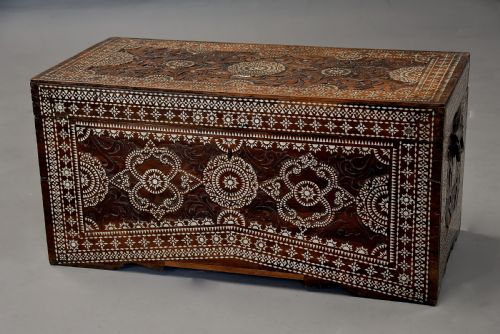
Origins vary widely across the selection, taking in English workshops, Scottish makers, continental European centres and global trading routes represented by Anglo-Indian, Ottoman and Zanzibar pieces. This geographical spread introduces varied regional timbers and decorative motifs to the traditional box form.
How they were made
Cabinetmakers utilised dense hardwoods such as mahogany, walnut, rosewood and satinwood, often selecting figured veneers like burr maple, amboyna and gonçalo alves for primary display surfaces. Carcase construction relied on traditional joinery, housing interior compartments designed for specific duties such as tea storage or sewing.
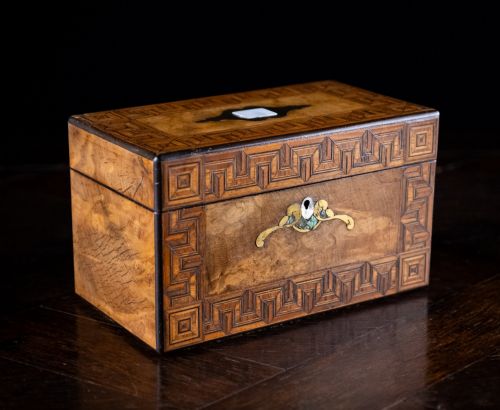
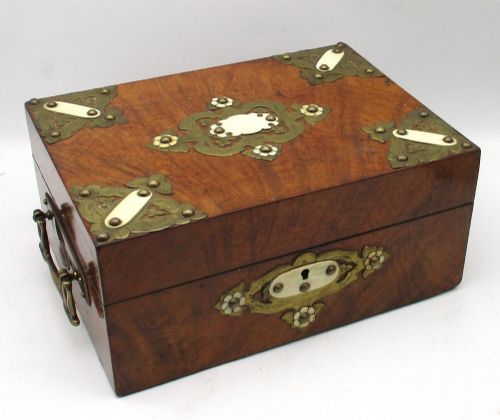
Surface ornamentation involved intricate techniques including marquetry, parquetry, Tunbridge ware mosaic detailing, and wood inlay. Artisans embellished these wooden structures with applied brass studs, mother of pearl plates, bone details and tortoiseshell panels to heighten the visual impact.
Materials seen in these listings include brass, wood, walnut, mahogany, rosewood, mother of pearl, bone and wood inlay.
What varies in quality
Quality rests upon the selection of timber figure, the precision of the parquetry or marquetry patterns, and the integrity of the original hardware. Superior examples display seamless grain matching across complex curves and lid surfaces, whereas standard items rely on plainer timber stocks.
The sophistication of interior fittings dictates distinction within boxes and caddies. Retained original glass mixing bowls, velvet or silk linings, working locks with keys, and finely compartmentalised trays separate exceptional presentation pieces from simpler utility boxes.
GM Elwood·JS Henry·Tahan of Paris
The Decorative Wooden Storage Glossary
- Tea caddy
- A small box or chest designed originally to store dry tea leaves, often fitted with internal lidded canisters and a glass mixing bowl. These containers reflect the high value placed on tea during the eighteenth and nineteenth centuries.
- Tunbridge ware
- A form of decorative woodworking originating in Kent, characterised by tiny mosaic tiles assembled from different coloured woods to form pictorial or geometric motifs. This technique frequently decorates small Victorian trinket boxes.
- Marquetry
- An elaborate decorative technique where thin veneers of various woods, bone or shell are cut and fitted together to create pictorial or ornamental designs on a carcase. It differs from inlay by covering the entire surface in a mosaic of veneer.
- Parquetry
- Geometric mosaic woodwork formed by arranging small blocks or veneers of contrasting timber to create repeating patterns such as cubes, triangles or stripes. This technique appears widely on nineteenth-century tea caddies and tabletops.
- Sarcophagus
- A box or tea caddy shape modelled on ancient stone tombs, featuring a steep sloping lid and raised feet, popular during the Regency and Georgian periods. This architectural form allowed makers to showcase substantial rosewood or mahogany panels.
Decorative Wooden Storage: Frequently Asked Questions
What were tea caddies used for?
Tea caddies served as secure containers for storing expensive black and green teas in the home, protecting the dry leaves from moisture and light. Wealthy households kept them locked in the parlour or dining room, dispensing the leaves personally.
Inside, these boxes typically featured two or three lidded compartments for different tea varieties, alongside a central glass bowl used for blending leaves before brewing.
How do I date a wooden box?
Dating relies on examining the timber species, construction methods, hardware, and decorative styles characteristic of specific eras. Georgian and Regency pieces often show dense mahogany or rosewood with fine brass stringing, while Victorian items frequently incorporate mother of pearl or heavy Tunbridge ware.
Interior linings, paper labels, lock mechanisms and hinge types also provide reliable clues to the decade of manufacture. Comparing the joinery style against known historical periods confirms the age.
What is Tunbridge ware?
Tunbridge ware is a specialised form of mosaic woodworking developed in nineteenth-century England, featuring microscopic wooden tiles arranged into complex geometric or floral patterns. Craftsmen used up to forty different native and foreign woods to achieve naturalistic colour variations without paint.
These detailed mosaics typically embellish the lids and sides of small Victorian trinket boxes, workboxes and stationery cases. Each tiny block is painstakingly glued together before being sliced into thin decorative veneers.
How do I care for antique wood?
Antique wooden boxes and chests require stable environmental conditions away from direct sunlight and central heating sources, which cause timber to dry out and split. Maintain a consistent room temperature and humidity level to protect delicate veneers and mother of pearl inlays.
Apply a microcrystalline wax polish occasionally to nourish the wood surface and preserve the historic patina without sealing the pores. Avoid using liquid chemical cleaners or modern domestic sprays on antique finishes.