

Decorative Wood Table
A decorative wood table brings pattern, grain and craftsmanship into a room, spanning side tables, consoles and occasional forms.
Decorative Wood Table
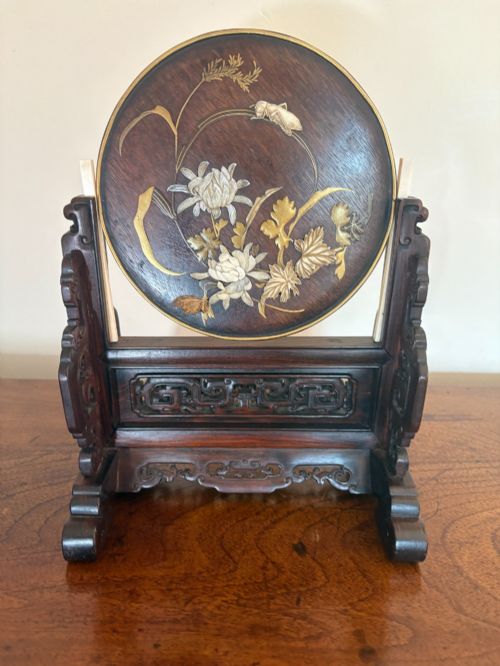
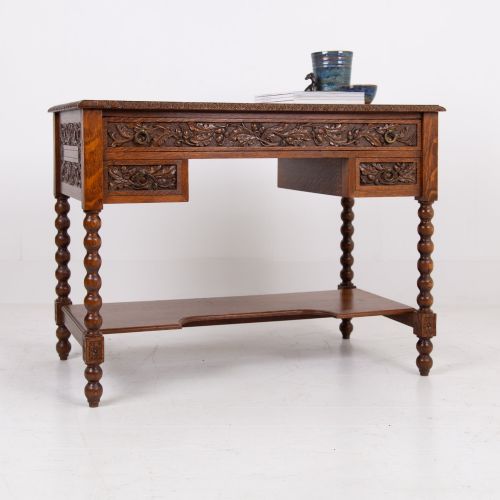
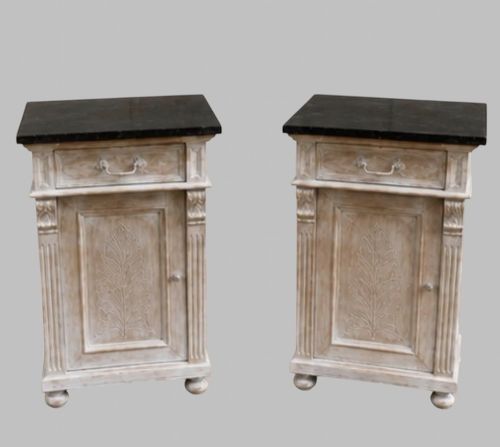
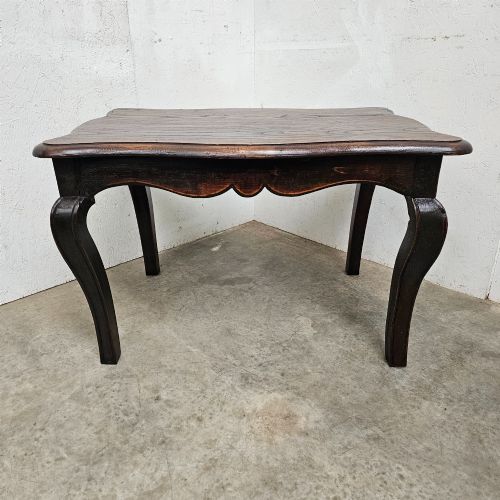
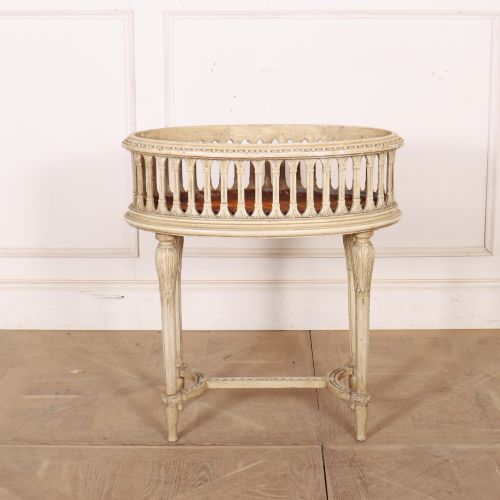
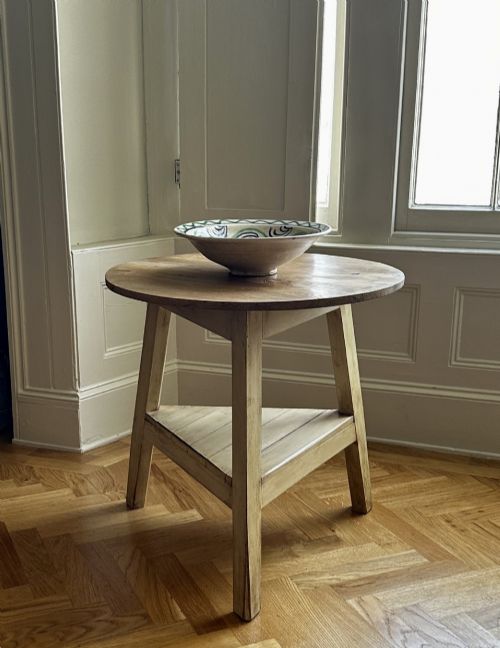
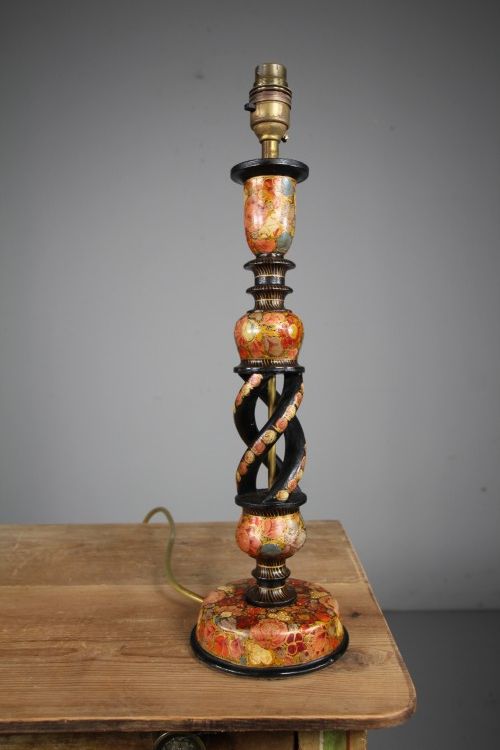
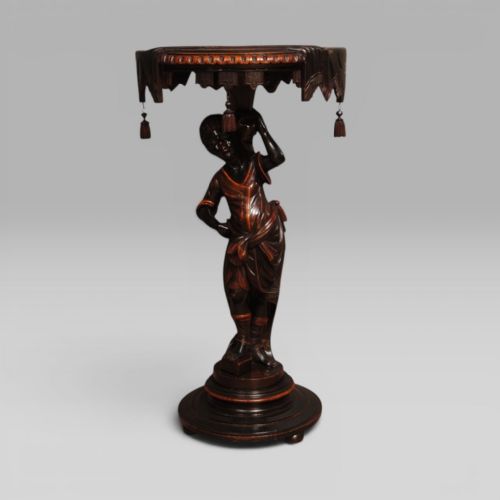
A decorative wood table encompasses side tables, occasional tables, consoles and jardinière stands drawn from nineteenth century and early twentieth century production. The pieces reflect diverse regional aesthetics, ranging from English oak and mahogany to French painted furniture and Anglo-Indian inlaid hardwood.
Buyers encounter forms designed for specific domestic functions alongside display surfaces. Occasional tables and console tables dominate the selection, often featuring shaped marble tops, marquetry or hand painted surfaces.
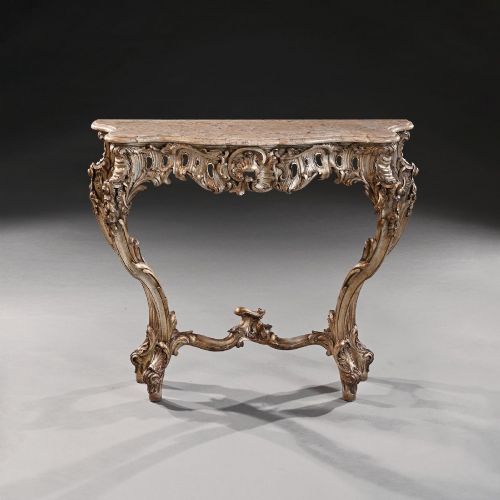
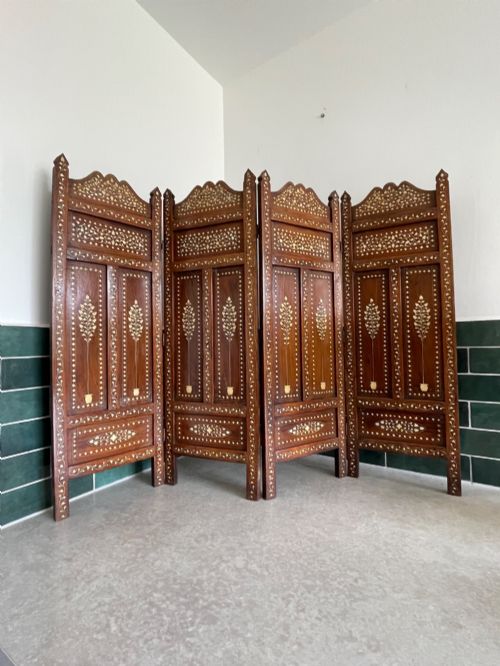
Regional styles introduce distinct structural characteristics, such as the octagonal folding format seen in hardwood pieces from the Indian subcontinent or the giltwood framing typical of continental console tables.
Materials and Technique
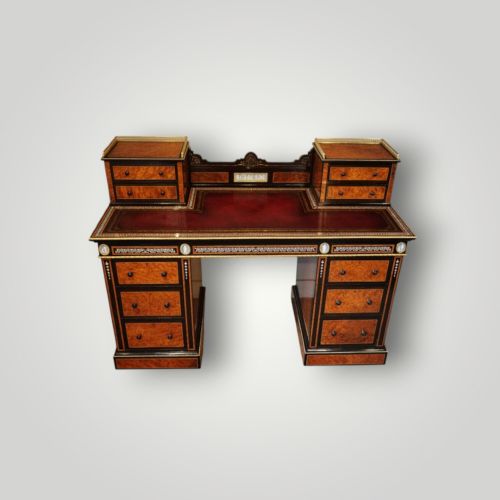
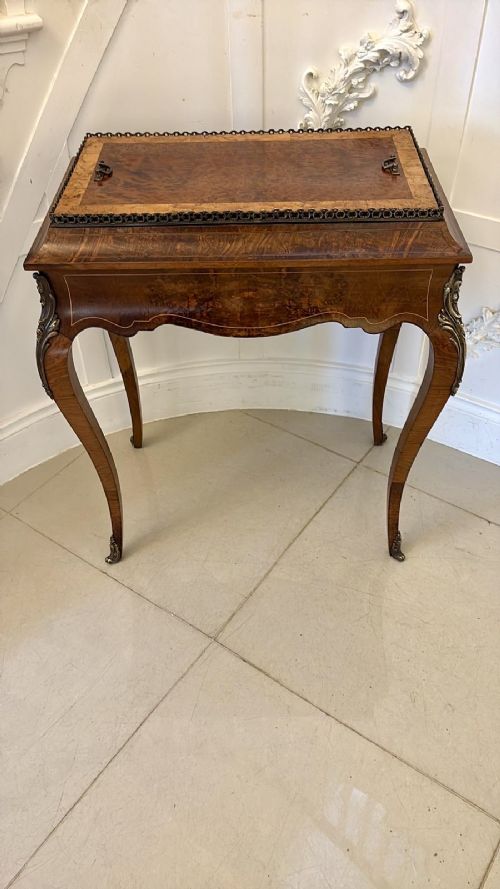
Cabinetmakers utilised solid timbers and selected veneers, pairing structural woods like oak, mahogany and walnut with decorative elements in satinwood, rosewood and exotic hardwoods. Surface enrichment relied on brass ormolu mounts, carved giltwood and intricate boxwood stringing.
Inlay and marquetry techniques defined pieces from multiple traditions, incorporating ivory, ebony and bone into hardwood surfaces alongside hand painted polychrome decoration. Marble tops were frequently fitted to console and centre tables to provide a durable and cool decorative surface.
Several tables arrive with hidden folding mechanisms designed for games or tea.
Standards of Craftsmanship
Quality rests upon the precision of the joinery and the integrity of the decorative elements, such as tightly fitted marquetry and crisp carving in wood or giltwood. Superior examples retain their original surface patination and mountings without excessive restoration.
The choice of secondary timbers and the depth of hand carved detail distinguish workshop production from standard commercial output. Grain selection in satinwood, rosewood and mahogany also marks the hierarchy of execution.
Jackson and Graham·Gill and Reigate
The Decorative Wood Table Glossary
- Marquetry
- Decorative patterns formed by inserting thin pieces of wood, ivory or metal into a veneered surface. This technique creates complex pictorial or geometric designs across tabletops.
- Ormolu
- Gilded bronze mounts applied to furniture for decorative effect. The metal is cast and chased before receiving a gold finish.
- Console table
- A table designed to stand against a wall, frequently supported by wall brackets or decorative legs. These pieces often feature shaped marble tops.
- Etagere
- A piece of furniture with multiple open shelves for displaying small objects. They appear in satinwood and mahogany variants.
- Jardinière
- A decorative stand or container intended to hold plants or flowers. Examples often incorporate metal liners to protect the surrounding woodwork.
Decorative Wood Table: Frequently Asked Questions
Where should I place a console table?
Console tables fit naturally against entrance hallway walls or beneath large mirrors in living spaces. Their shallow depth allows them to occupy narrow circulation areas without obstruction.
They provide a stable surface for lamps and decorative objects while adding architectural presence to an interior wall.
How do I care for antique wood surfaces?
Maintain antique wooden surfaces by dusting regularly with a soft, dry cloth and avoiding direct exposure to strong sunlight. Wax finishes benefit from occasional application using traditional formulations to nourish the grain.
Keep tables away from direct heat sources such as radiators to prevent timber shrinkage and splitting.
What defines an occasional table?
An occasional table is a small, versatile piece of furniture designed to be moved around a room as needed. These tables served practical purposes for holding drinks, books or small lamps.
Their compact scale and varied designs make them adaptable additions to sitting rooms and studies.
How do I distinguish regional styles?
Regional styles reveal themselves through timber choice, carving motifs and construction methods. Anglo-Indian tables typically display dense geometric inlay, while French pieces favor painted finishes and shaped giltwood.
Examining the secondary woods underneath or inside drawers often confirms the geographic origin of the workshop.