

Decorative Wood Panel
A decorative wood panel brings architectural depth and hand-carved texture into a room, spanning folding screens, wall fragments, and painted boiserie.
Decorative Wood Panel
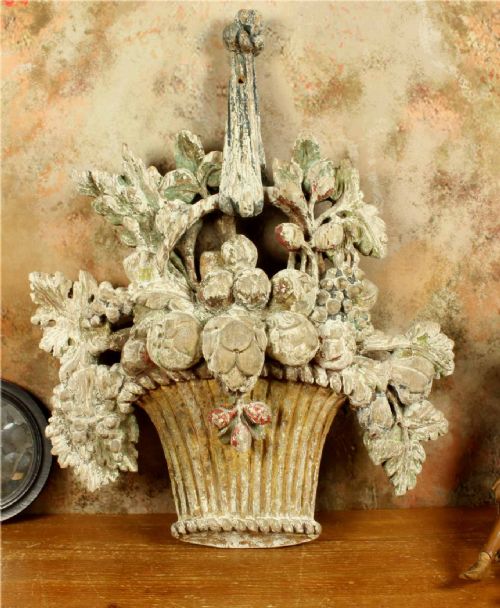
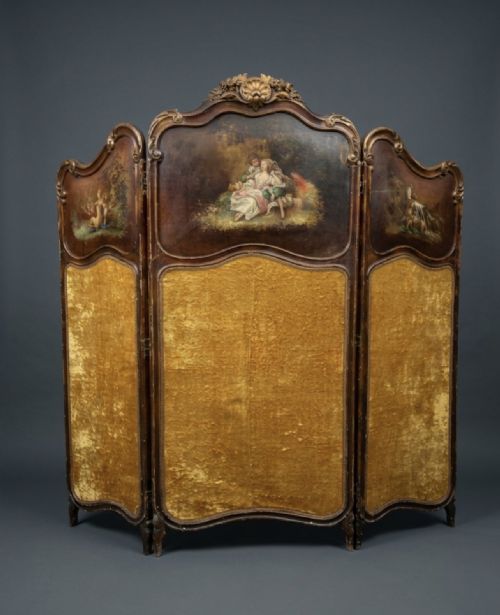
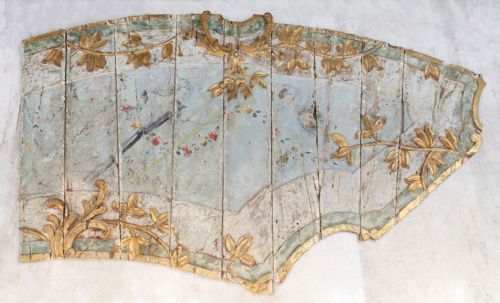
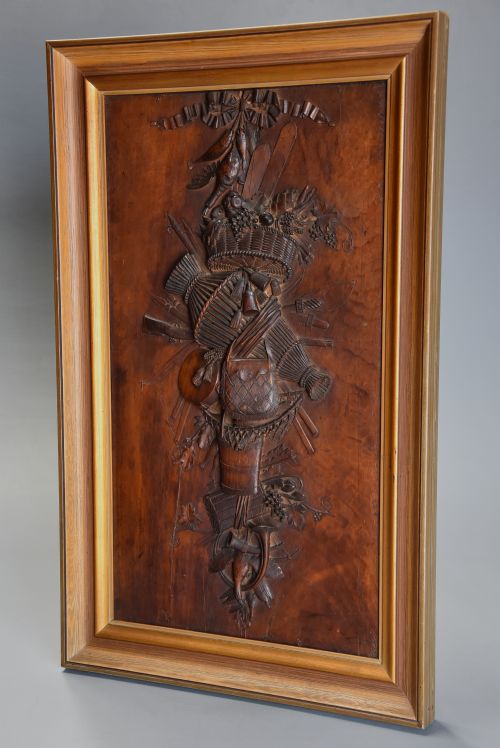
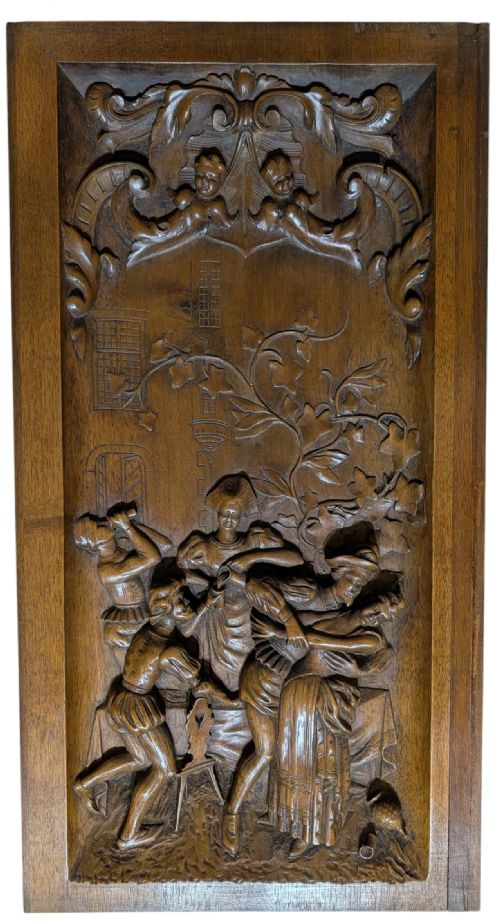
A decorative wood panel encompasses a diverse range of carved, painted, and assembled timber items designed to enrich interior spaces. Pieces span from folding screens and architectural fragments to wall plaques, trumeau mirrors, and ceiling roses.
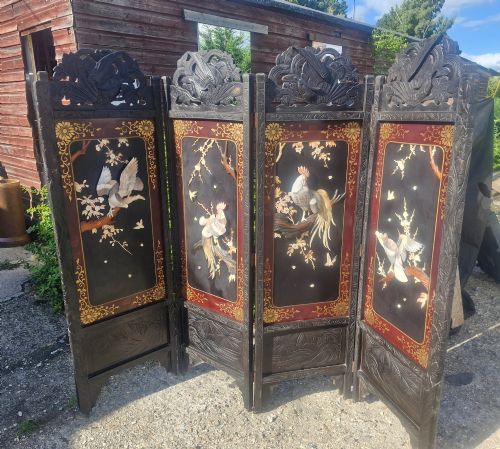
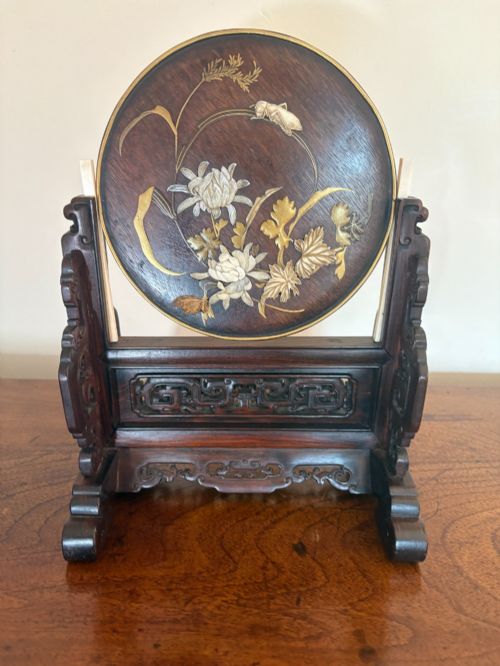
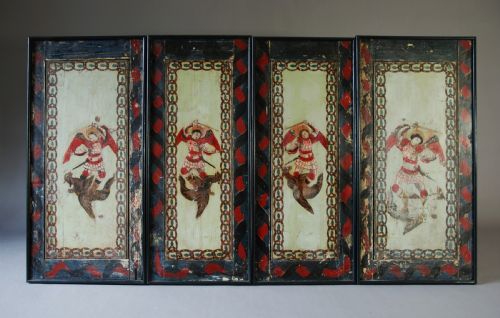
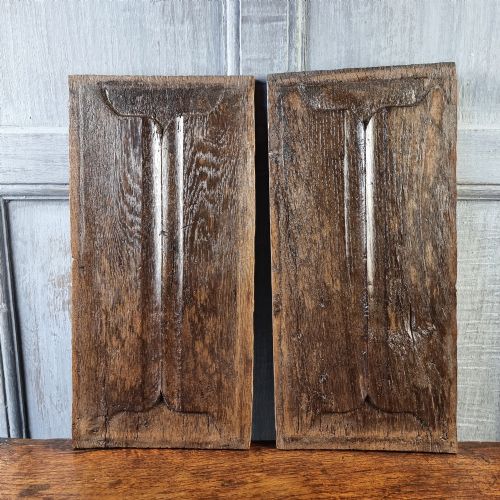
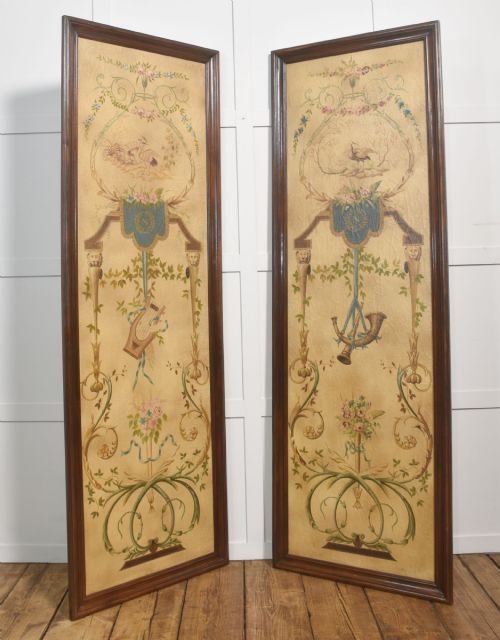
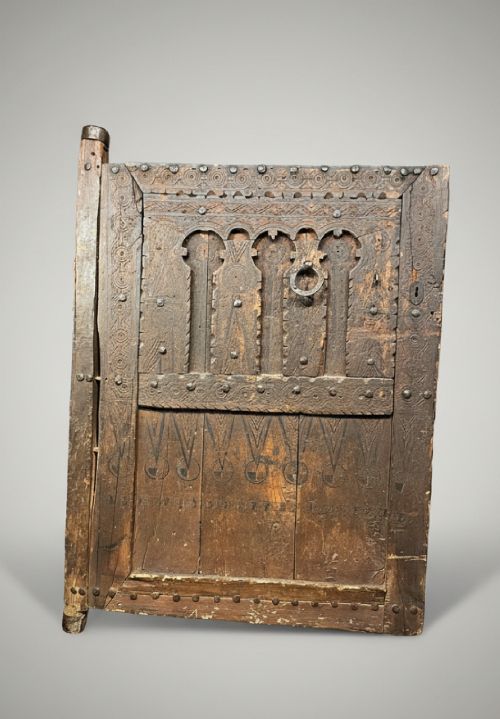
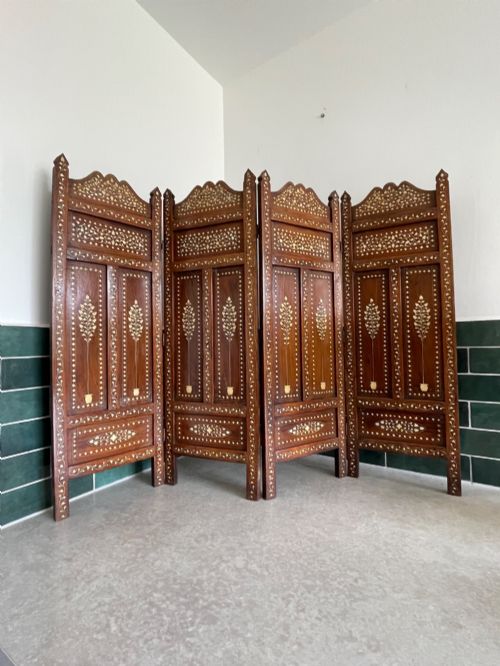
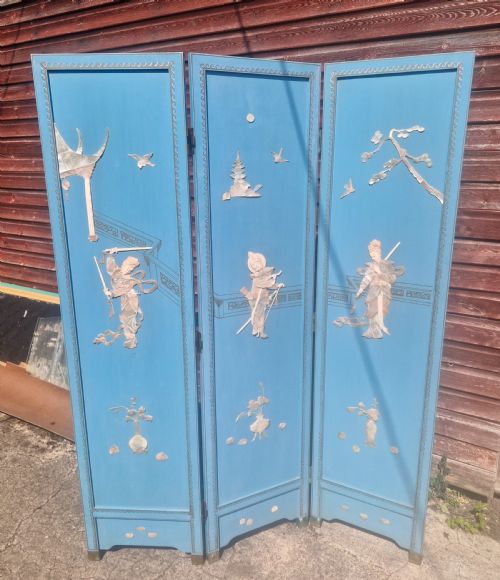
The selection ranges widely across origins and periods, featuring eighteenth-century pine depictions, nineteenth-century French boiserie, and Japanese table screens inlaid with bone. Buyers often encounter architectural salvage and carved oak door panels alongside oriental hardwood screens and painted panels.
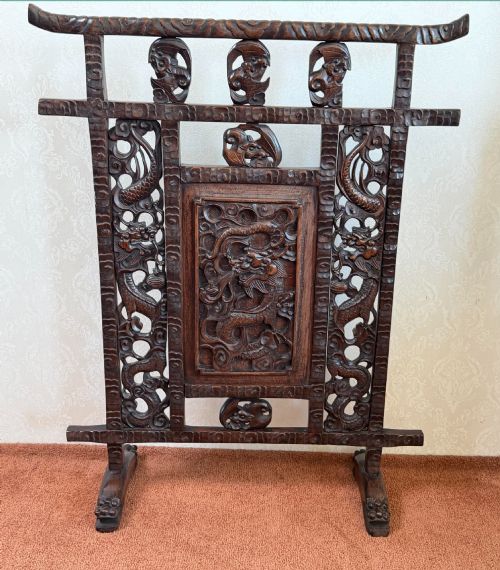
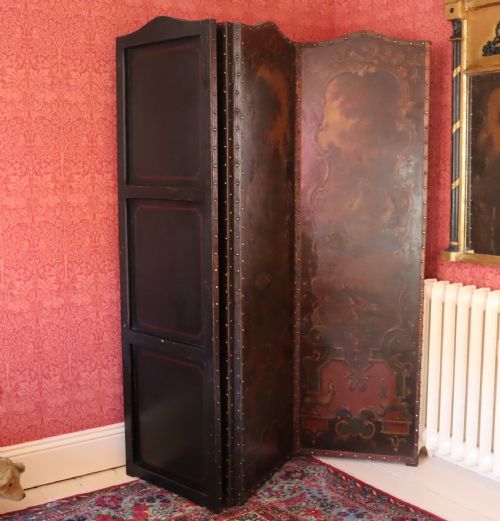
Forms serve both decorative and functional roles within domestic architecture. Folding screens divide rooms or shelter from hearth drafts, while wall panels and carved reliefs integrate directly into interior panelling and wall schemes.
How they were made
Craftsmen relied predominantly on native and exotic timbers such as oak, pine, fruitwood, hardwood, and lime wood. These woods were selected for their grain and stability, allowing carvers to execute deep relief sculptures and delicate surface ornamentation.
Surface treatment frequently combined carving with paint, lacquer, parcel gilt, or limed finishes. Panels often incorporated contrasting materials like brass, glass, bone, and silk embroidery to enhance visual richness and tactile variety.
The listings feature wood panels spanning from the sixteenth century to the mid-twentieth century, utilising oak, pine, fruitwood, and lacquer.
What varies in quality
The standard of carving distinguishes superior examples from standard production work. Deep, crisp undercut details and confident tool marks indicate a master hand, whereas shallow or mechanical moulding points to lesser execution.
The integration of materials and the preservation of original surface finishes dictate overall merit. Untouched historic paint, parcel gilding, and well-chosen timber substrates elevate a piece above later adaptations or heavy restorations.
A.J Rowley·F Winterhalter·Grinling Gibbons
The Decorative Wood Panel Glossary
- Boiserie
- French wood panelling applied to interior walls, often carved and painted in decorative schemes. It defines much of the formal interior woodwork found in classical European properties.
- Trumeau
- A decorative wall mirror or panel placed above a fireplace mantel or between windows. These typically incorporate oil paintings or carved wood reliefs within the wooden frame.
- Linenfold
- A style of wood carving mimicking folded parchment or fabric linen. It appears frequently on fifteenth- and sixteenth-century panels and architectural woodwork.
- Shibayama
- A Japanese technique of inlaying delicate materials such as bone, ivory, and mother-of-pearl into wood or lacquer surfaces. This method creates intricate pictorial table screens and decorative objects.
- Parchemin
- A type of panel moulding resembling rolled parchment or vellum. It provides subtle geometric texture to early oak furniture and wall panels.
Decorative Wood Panel: Frequently Asked Questions
How were folding screens used historically?
Folding screens served primarily to block draughts in large, cold rooms and to create private changing spaces within domestic interiors.
Over time, they evolved into purely decorative room dividers, showcasing intricate lacquerwork, painted scenes, or carved wood panels.
What is a trumeau mirror?
A trumeau mirror is a decorative architectural mirror designed to fit specifically onto the wall space between two windows or above a fireplace mantel.
These pieces typically combine a vertical glass plate with an oil painting or a carved wood relief panel set into the upper wooden frame.
How do I care for antique wood panels?
Antique wood panels require stable indoor humidity levels away from direct heat sources and strong sunlight to prevent the timber from warping or splitting.
Dusting gently with a dry, soft cloth is sufficient for maintenance, avoiding modern liquid polishes that can damage fragile historic wax or painted finishes.
How can I tell the period of a carved panel?
Dating relies on examining the tool marks left by the carver, the choice of timber species, and the characteristics of the surface finish or paint.
Early pieces often display hand-adzed backing boards and pegged joinery, whereas later nineteenth-century revivals utilise machine-sawn timber and different fastening methods.