

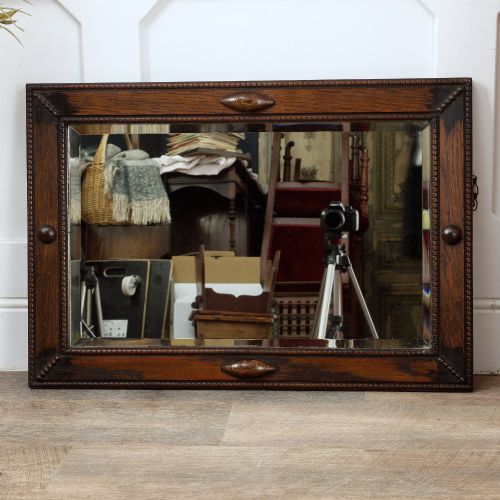
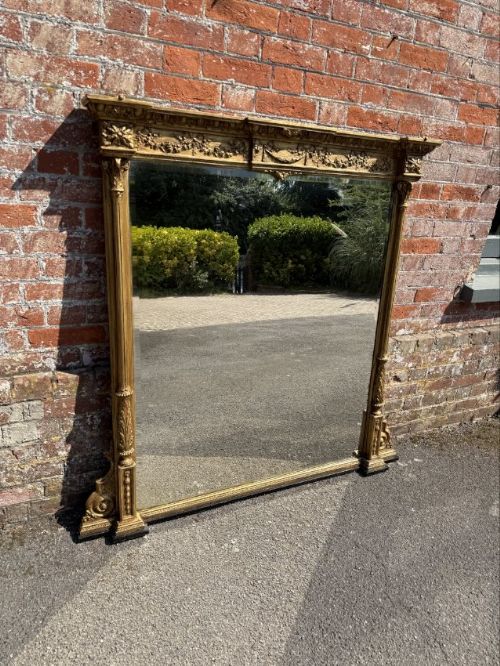
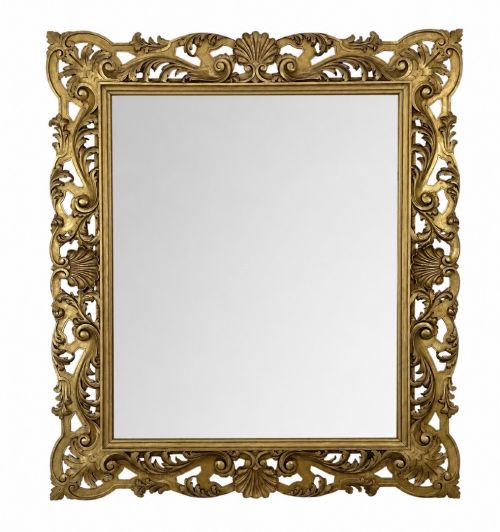
Decorative Wood Framed Mirror
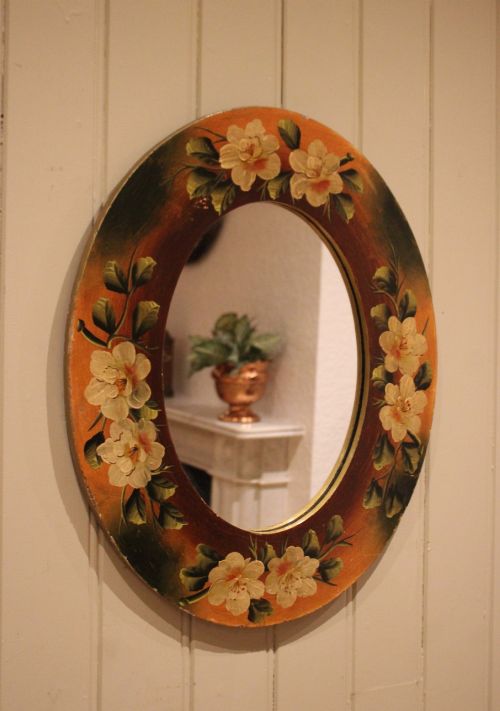
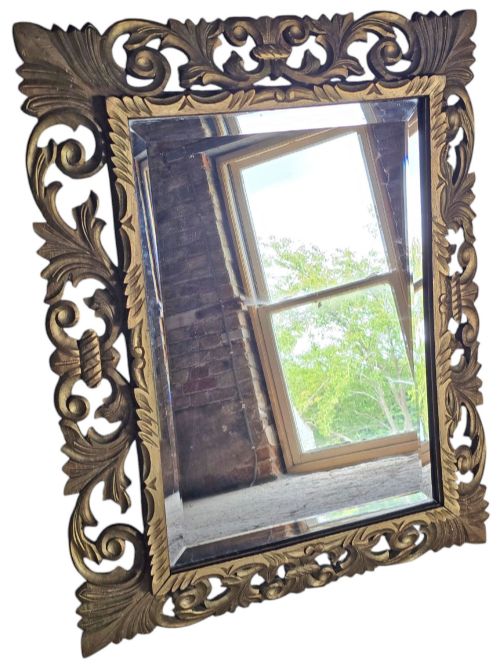
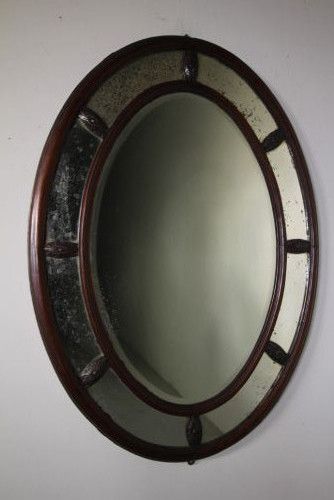
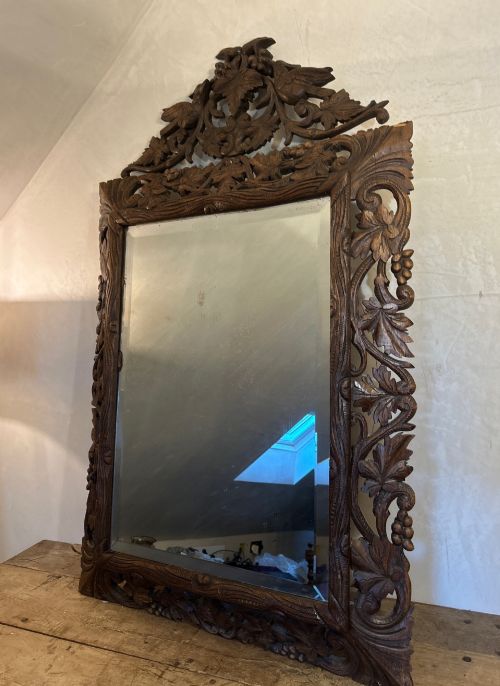
A decorative wood framed mirror brings warmth and reflective depth to a room, ranging from grand Italian giltwood carvings to sturdy English oak wall pieces.
Decorative Wood Framed Mirror
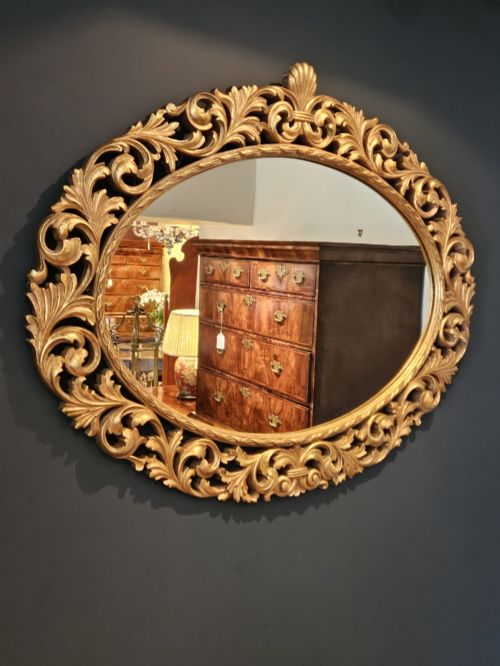
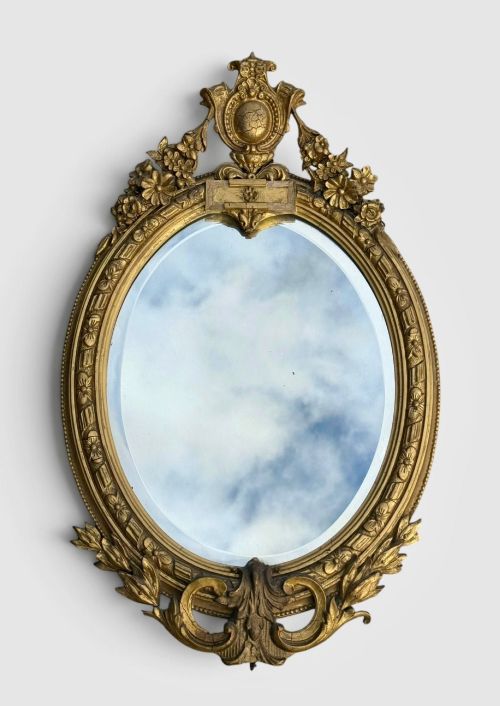
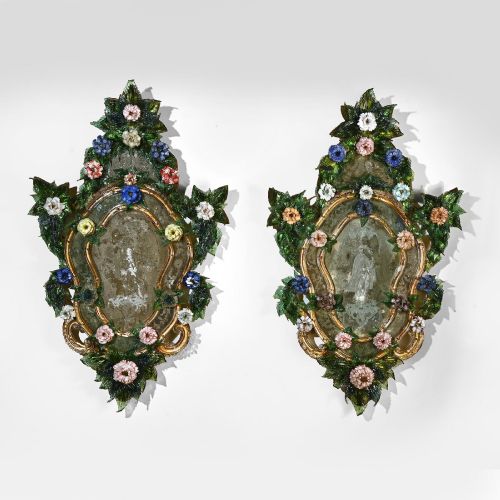
A decorative wood framed mirror encompasses a broad spectrum of reflective furnishings designed to hang on walls or sit above hearths. When searching for a decorative wood framed mirror, buyers frequently encounter 19th-century styles, including Victorian overmantels and continental Rococo revivals. The forms stretch from simple oak frames to elaborate Italian Florentine carvings and French painted panels.
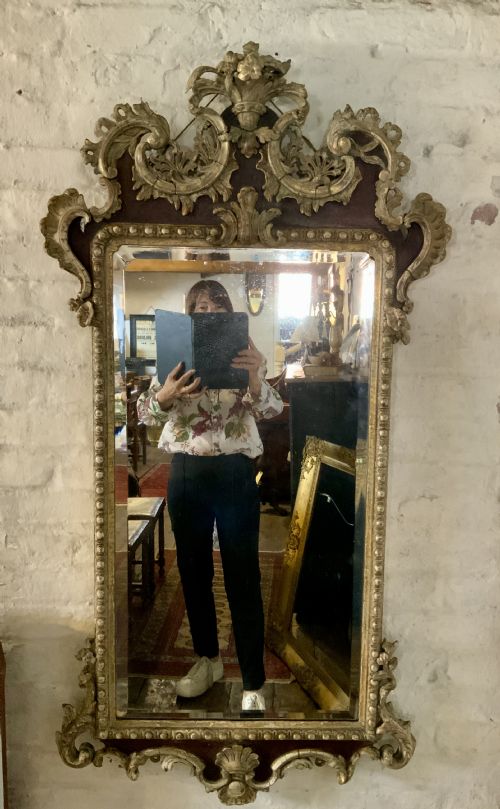
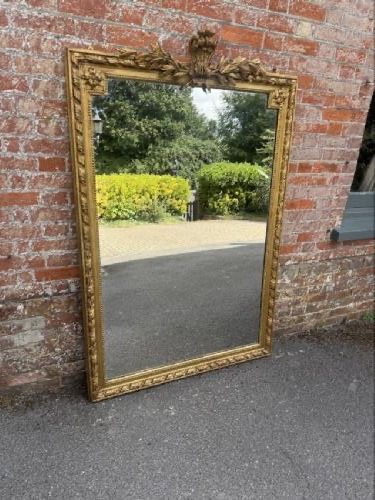
The selection ranges across centuries, featuring 18th-century walnut and parcel gilt works alongside early 20th-century oak wall designs. Wall mirrors and overmantels dominate the forms, supplemented by girandoles and convex porthole frames. These pieces function simultaneously as optical devices and focal points for domestic interiors.
How they were made
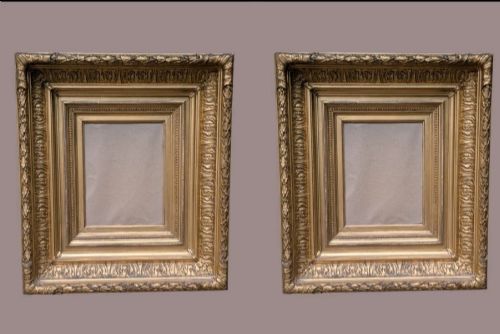
Carpenters and carvers shaped solid woods such as oak, mahogany, walnut, and rosewood to form the structural foundation of the frame. Artisans applied layers of gesso over carved timber surfaces to prepare intricate details for gilding or painting. Gold leaf and metallic finishes were then laid down by hand, sometimes complemented by parcel gilding to accentuate specific carved motifs.
Glass plates were silvered and fitted into the timber rebates, occasionally featuring hand-engraved designs or convex curvatures. French and Italian workshops utilised specialised tooling to create rope twists, leaf patterns, and cushion profiles along the wooden borders.
Listings feature 18th-century, Victorian, and 19th-century periods utilising glass, giltwood, gesso, and oak.
What varies in quality
The depth and crispness of the wood carving distinguish higher tiers of craftsmanship from simpler production. Fine examples display deeply undercut foliage, sharp gesso relief, and harmonious proportions that integrate the frame with the mirror plate. Lesser pieces rely on shallow surface stamping or lack the refined balance seen in bespoke country house or continental commissions.
The integrity of the original surface finish dictates much of the distinction among pieces. Surfaces retaining untouched gold leaf, original painted polychrome, or authentic silvering hold greater cohesion than those with heavy, unsympathetic interventions over the timber.
The Decorative Wood Framed Mirror Glossary
- Giltwood
- Wood that has been coated with gold leaf or gold paint. This technique was widely applied to 18th and 19th-century frames to catch candlelight and daylight.
- Gesso
- A plaster-like mixture applied to wood frames to create a smooth surface for carving and gilding. Artisans used it to build up high-relief decorative elements before applying metal leaf.
- Overmantel mirror
- A large wall mirror specifically designed to hang above a fireplace mantelpiece. These pieces often feature wide proportions to reflect the hearth and the room.
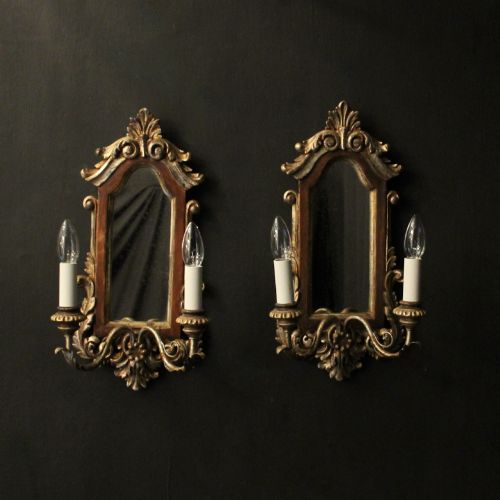
- Girandole
- A branched wall mirror with candle sconces attached to the frame. The reflective glass multiplies the flickering light of the candles in dark rooms.
- Parcel gilt
- A decorative treatment where only specific portions of a wooden object are gilded, leaving the natural wood grain visible elsewhere. It highlights architectural details on walnut and mahogany frames.
Decorative Wood Framed Mirror: Frequently Asked Questions
How do I hang a heavy wood framed mirror safely?
Heavy carved frames require robust wall fixings anchored directly into masonry or secure wall studs rather than plaster alone. Using mirror plates or a heavy-duty french cleat distributes the considerable weight evenly across the structure.
Professional installation is recommended for large overmantels and deep giltwood pieces to prevent strain on the antique timber joints and the hanging hardware.
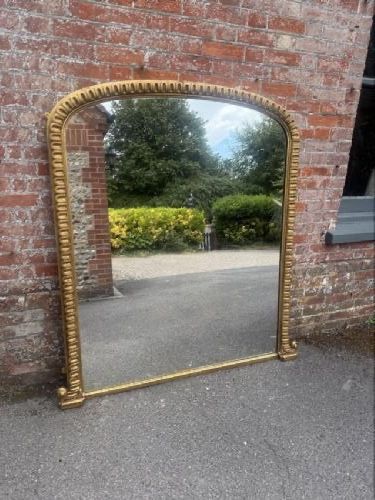
What is an overmantel mirror?
An overmantel mirror is a large horizontal or arched looking glass traditionally positioned above a fireplace opening. These pieces anchored the decorative scheme of a Victorian or Georgian reception room by reflecting light back into the seating area.
Their substantial proportions and ornate frames allowed them to serve as the principal visual anchor on a chimney breast.
Are these mirrors original antique glass?
Many pieces retain their original mirror glass, which often exhibits characteristic foxing, minor silvering loss, and subtle distortions. These optical irregularities confirm the age of the plate and contribute to the authentic historic character of the furnishing.
Replacement glass occasionally occurs when earlier plates broke, though period replacements are valued for maintaining the stylistic integrity of the frame.