

Decorative Trinket Box
A decorative trinket box is a small receptacle designed to hold keepsakes, jewellery and small mementoes, offering both functional storage and ornamental appeal.
Decorative Trinket Box
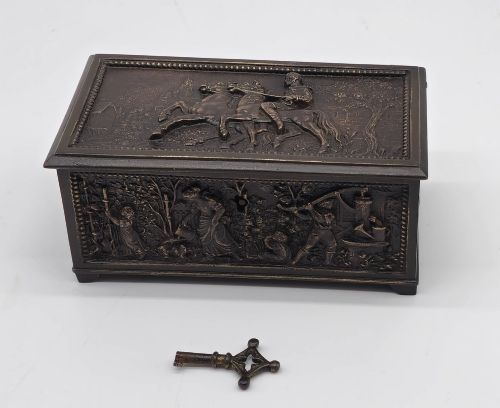
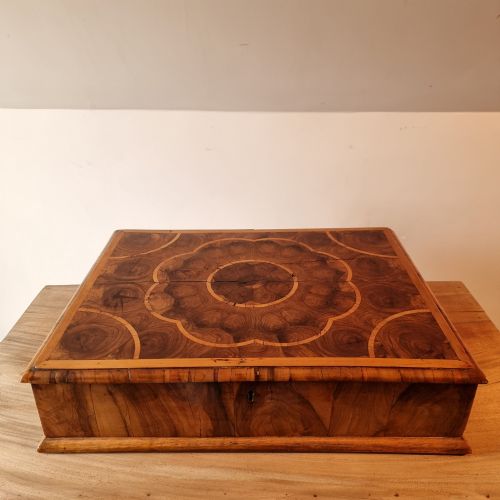
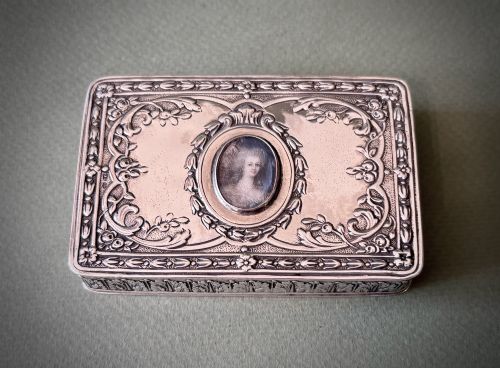
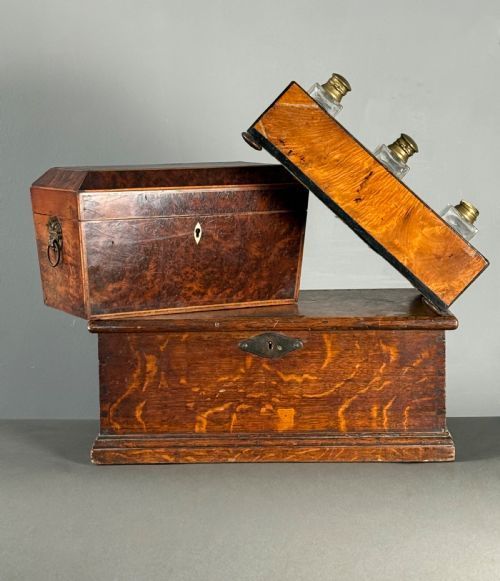
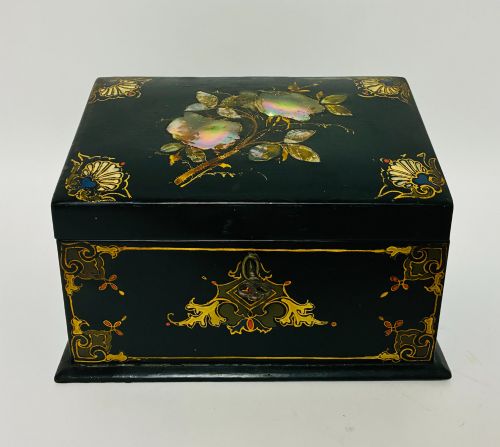
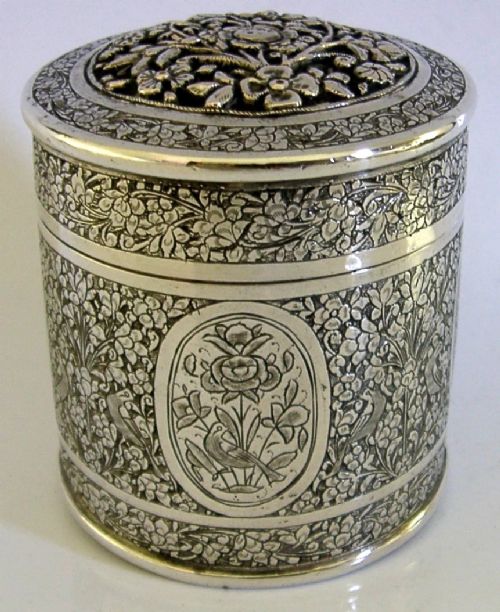
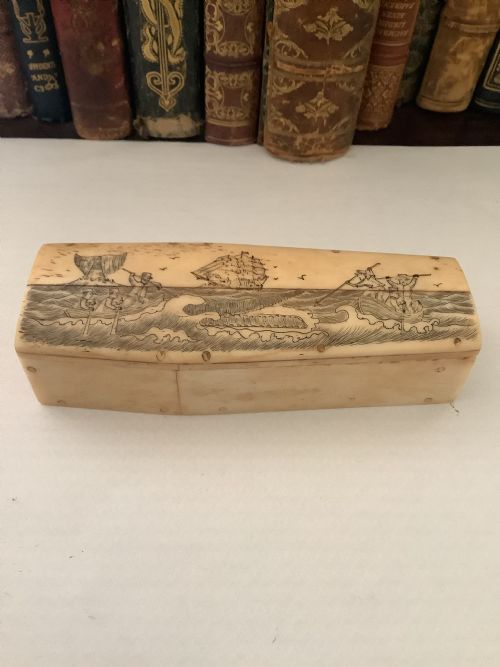
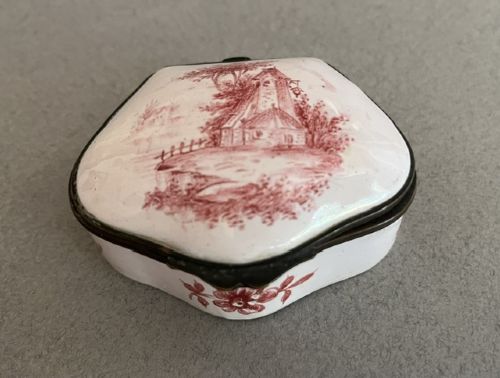
A decorative trinket box encompasses various small containers, including jewellery caskets, snuff boxes, tea caddies and keepsake boxes. These pieces serve to store personal items while adding a deliberate visual accent to a room.
The selections span multiple centuries, ranging from 18th-century enamel and wood examples to 19th-century Victorian silver, brass, porcelain and tortoiseshell creations. Buyers frequently encounter nineteenth-century pieces alongside Georgian, Regency and early 20th-century variations.
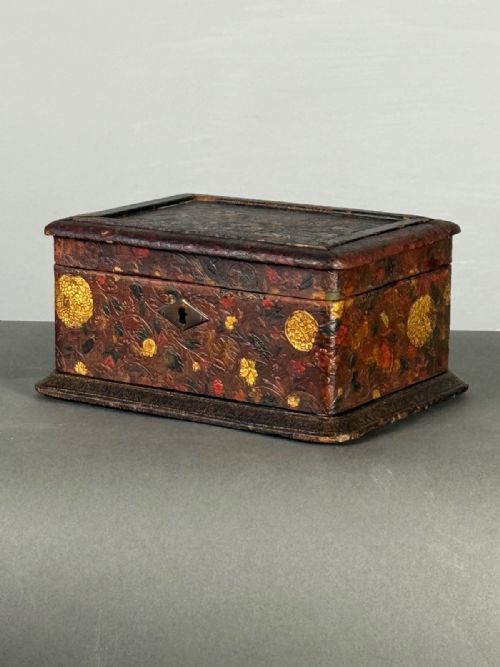
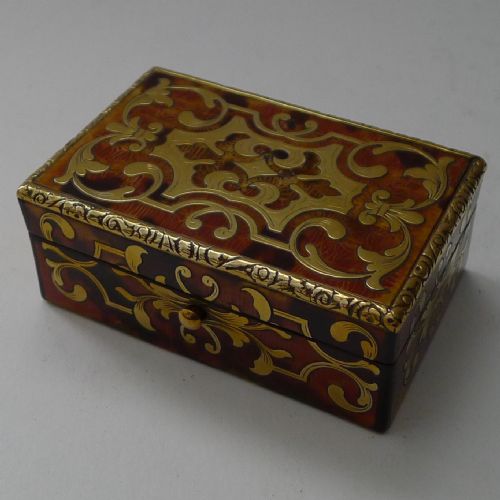
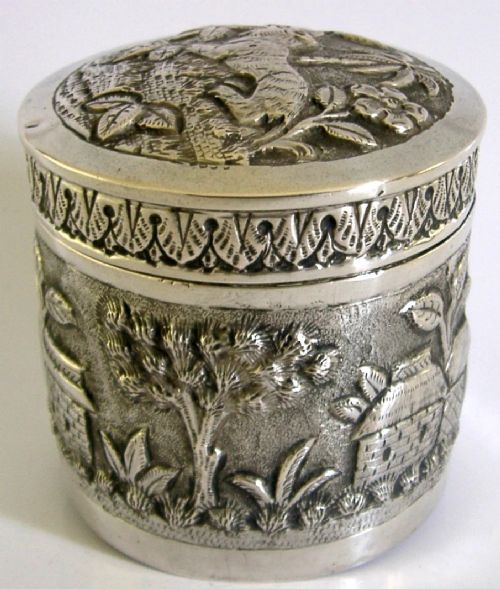
Origins vary widely across the inventory, reflecting British, French, Italian, Indian, Chinese, Japanese and Ottoman craftsmanship. Each region contributes distinct decorative vocabularies, from French Boulle work to Japanese cloisonné and Kashmiri ornamentation.
How they were made
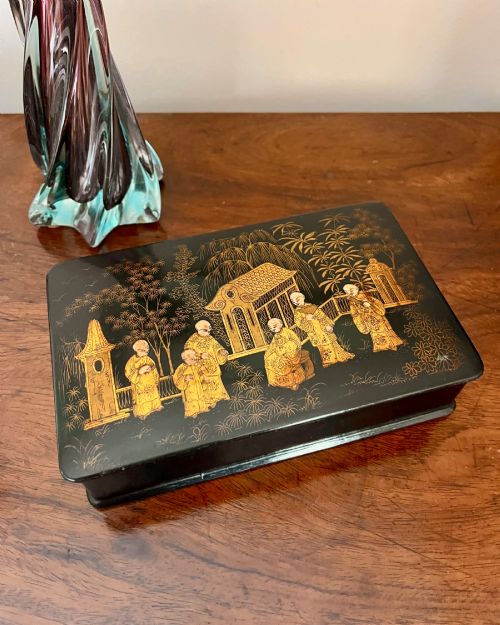
Materials span precious metals like solid silver and bronze alongside organic mediums including walnut, rosewood, sycamore, tortoiseshell, bone and mother of pearl. Artisans combined these substances with applied surface treatments such as enamel, leather, lacquer and porcelain.
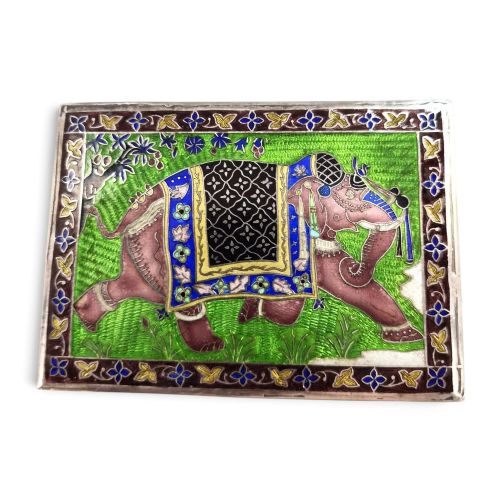
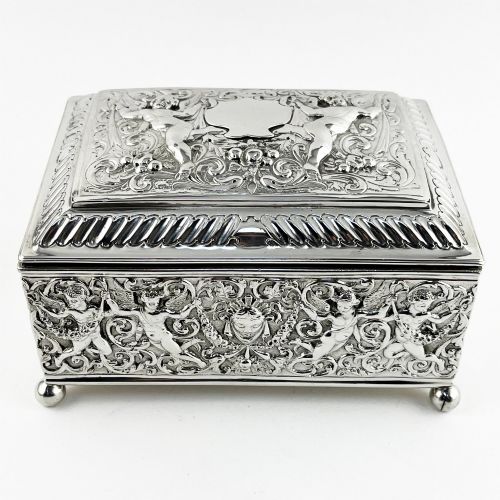
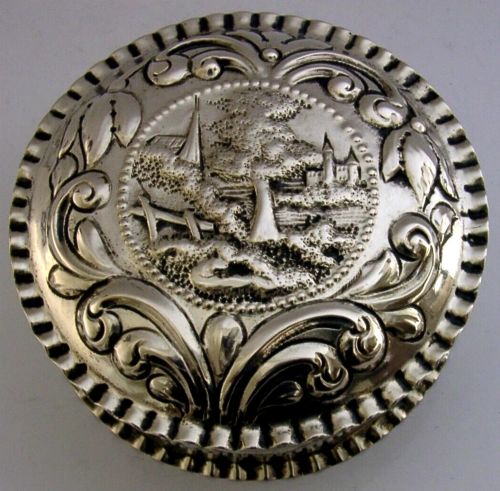
Techniques relied heavily on specialist handcrafting, evident in carved wooden surfaces, Tunbridge ware mosaic work, repoussé silver detailing and fine brass inlay. Enamelling traditions like South Staffordshire, Bilston and Beijing styles required precise firing methods to achieve decorated lids and panels.
Listings feature items from the 18th, 19th, and early 20th centuries, created using wood, solid silver, porcelain, enamel, and lacquer.
What varies in quality
The standard of a decorative trinket box rests on the precision of its construction and the complexity of its ornamentation. Finely executed carving, intricate metal inlay and well-preserved surface enamelling distinguish finer examples from simpler utilitarian containers.
Material selection and maker execution heavily influence the character of each piece. Superior items demonstrate seamless integration between the primary medium - such as rosewood, tortoiseshell or solid silver - and decorative details like bone, agate or gilt brass mounts.
SUSSE FRERES PARIS·ERHARD AND SOHNE
The Decorative Trinket Box Glossary
- Boulle
- A form of marquetry utilising brass and tortoiseshell inlay, frequently seen on French Victorian boxes.
- Cloisonné
- An enamelling technique where metal wire creates cells that are filled with coloured paste before firing.
- Repoussé
- A metalworking method where a design is hammered into relief from the reverse side.
- Tunbridge ware
- A type of woodworking involving small mosaic tiles of naturally coloured woods to create geometric or pictorial scenes.
- Caddy
- A small container originally used for storing tea leaves, often featuring internal compartments and secure lids.
Decorative Trinket Box: Frequently Asked Questions
What were decorative trinket boxes originally used for?
These containers held personal valuables, including rings, lace, calling cards, snuff, and dried tea leaves. Their portability allowed owners to keep small treasures secure in dressing rooms and parlours.
Over time, many transformed from purely functional storage into display items placed on desks, tables, and mantelpieces to showcase the owner's taste and wealth.
How do I identify a Victorian box?
Victorian pieces often feature characteristic revival styles such as Gothic Revival, Rococo Revival, or specific materials like papier-mâché and brass-inlaid walnut. Hallmarks on silver mounts also help pinpoint the exact decade of manufacture.
Makers during this era drew on diverse international influences, incorporating Kashmiri, French, or Japanese decorative motifs into standard British forms.
Can I use an antique box for everyday storage?
These boxes accommodate modern items like jewellery, cufflinks, and keepsakes just as they did historical contents. Lined interiors and secure hinged lids help protect delicate contents from dust and damage.
Placement on a dressing table or desk allows you to interact with the materials daily, though fragile surfaces like enamel or tortoiseshell require careful handling.