



Painted Oak Box
A painted oak box brings timber texture and pigment together, offering sturdy storage with character born from centuries of use.
Painted Oak Box
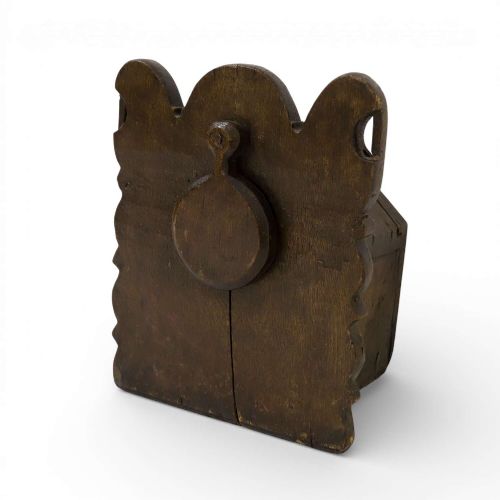
A painted oak box combines solid hardwood construction with surface pigment, appearing across domestic and travel forms ranging from wall boxes to heavy trunks. You will encounter utilitarian salt boxes, dome-top coffers, and travelling chests carrying traces of early colour or full decorative schemes.
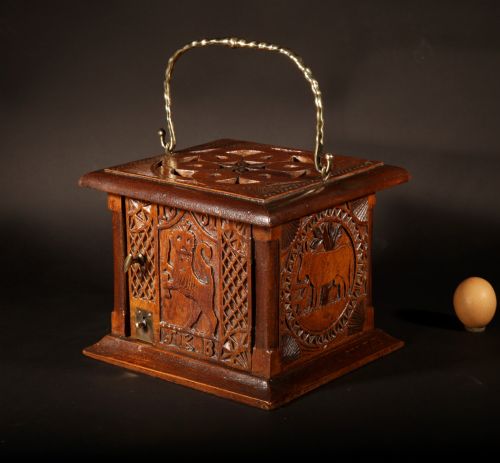
The periods represented span from the seventeenth century through the Victorian era and into the interwar years, showing both British vernacular craftsmanship and continental Swedish work. These containers served varied daily functions, acting as foot warmers, keepsake cases, and strong boxes before finding favour with modern collectors.
Rural workshops and domestic settings produced the majority of these items, leading to honest regional variations in construction and paint application. The survival of original iron hardware or early red and green paint marks out the most desirable examples on this page.
How they were made
Makers constructed these pieces from solid oak boards joined with traditional methods, often incorporating iron hinges, handles, and locks for security and everyday resilience. Wrought iron hardware frequently secures lids and corners on sturdy trunks and salt boxes.
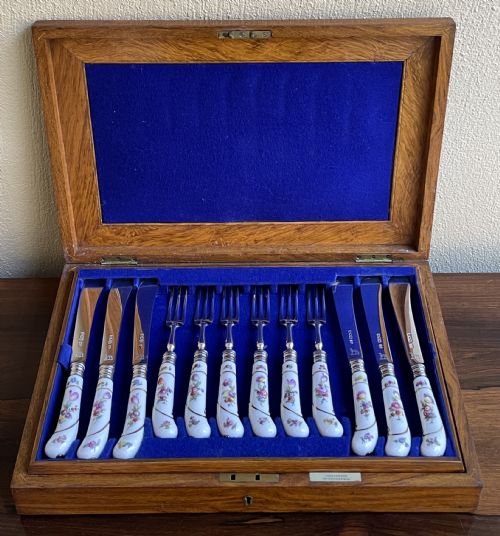
Surface treatment involved applying oil or water-based paint directly to the timber, sometimes over chip carving or alongside brass details and velvet linings in later keepsake cases. Swedish and British examples alike relied on durable pigments that have worn down gracefully through generations of handling.
Listings span from the seventeenth century through the Victorian era to the 1930s, using oak, iron, brass, paint, and velvet.
What varies in quality
The grade of a painted oak box depends heavily on the survival rate of its original surface pigment and ironwork rather than mere age alone. Pieces retaining untouched red or green paint schemes alongside early hinges command greater attention than stripped or heavily restored surfaces.
Proportion and structural integrity separate standard utility items from finer vernacular pieces, with well-balanced dome tops and neat chip carving representing superior regional craftsmanship. The harmony between the oak timber grain and the remaining decorative paint layer dictates the overall visual success.
Carrington
The Painted Oak Box Glossary
- Salt Box
- A wall-mounted container designed to keep kitchen salt dry and accessible. These typically feature a sloping hinged lid and a high back with a hanging hole.
- Dome Top Coffer
- A chest featuring a rounded lid that sheds dust and water effectively. This construction method allows for extra interior storage volume.
- Chip Carving
- A decorative technique where small chips are removed from the surface of the wood with a knife or chisel. It creates geometric patterns on functional items.
- Vernacular
- Architecture and objects made by traditional craftsmen to local patterns rather than high academic styles. These pieces reflect regional materials and everyday needs.
- Strong Box
- A heavily reinforced container built to secure valuables, documents, or currency. They frequently incorporate robust iron bands and internal locking mechanisms.
Painted Oak Box: Frequently Asked Questions
What were painted oak boxes used for?
These containers served practical domestic and travel purposes, holding kitchen salt, personal keepsakes, documents, or clothing. Foot warmers and strong boxes also fulfilled specific heating and security needs in older households.
Over time, utilitarian items transitioned into decorative display pieces while retaining their robust character. Their varied forms reflect the specific demands of historical domestic life.
How do I care for a painted oak box?
Keep the piece away from direct sunlight and extreme humidity fluctuations to protect both the oak timber and the historic paint layers. Dust gently with a dry, soft cloth without applying modern polishes.
Allow the wood and pigment to breathe naturally in a stable indoor environment. Avoid using harsh chemical cleaners that might lift fragile surface decoration.
How can I tell the period of an oak box?
Examine the construction joints, such as hand-cut dovetails or pegged mortise and tenon joints, alongside the style of the iron hardware. Hand-wrought hinges and old forged nails point towards earlier centuries, while later Victorian pieces often use machine-made fasteners.
The character of the paintwork and the wear patterns on the oak also provide reliable clues to the manufacturing era.
Are painted finishes original on these boxes?
Many pieces retain early or original paint layers, often visible as traces of red or green pigment beneath later wear. Patination and craquelure help confirm the age and authenticity of the decorative surface.
Professional assessment of the pigment bond and underlying timber can distinguish between authentic period paint and later decoration.