





Decorative Tribal Rug
A decorative tribal rug brings the bold geometry and rich symbolism of nomadic weaving straight onto your floor.
Decorative Tribal Rug
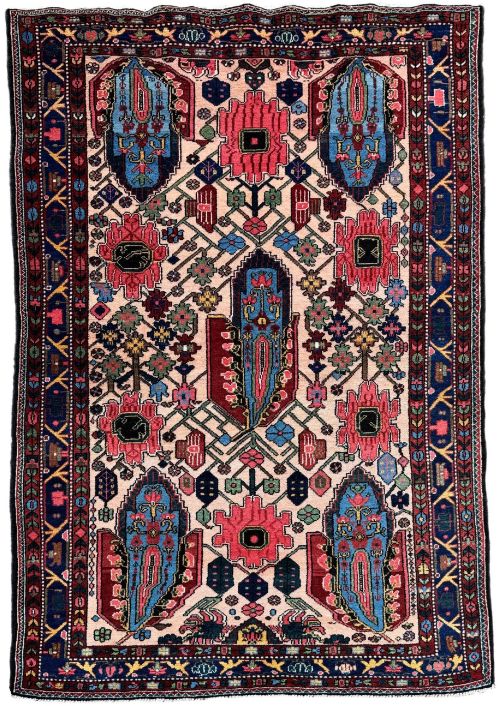
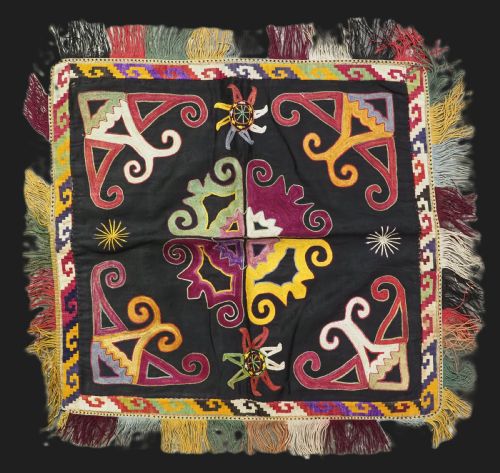
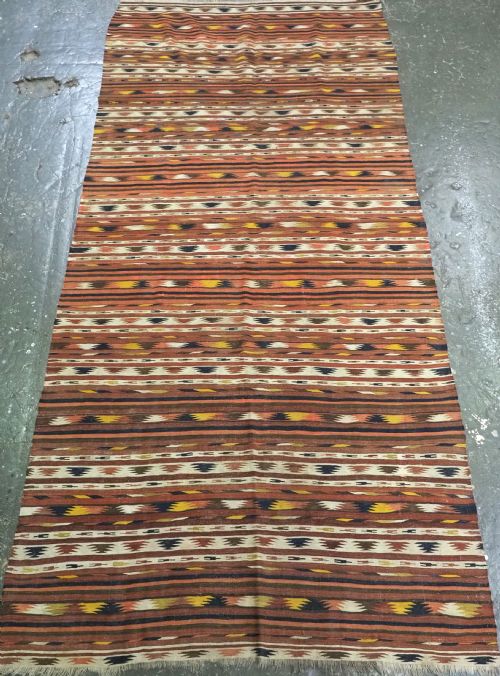
A decorative tribal rug encompasses practical nomadic textiles created for daily camp life, transport and storage. When you search this phrase, you meet portable objects such as torba face pieces, bag faces, tent bands, cushions, kilims and larger carpets.
The origin spans diverse groups including Turkmen, Uzbek, Bakhtiar, Qashqai, Baluch and Shahsavan makers. These pieces reflect regional patterns handed down through generations of weavers rather than urban workshops.
You are most likely to encounter wool rugs and flatweaves alongside specialised dowry embroideries and storage bags. Each format carries distinct motifs that identify the specific tribal group and weaving tradition.
Materials and Construction
These textiles rely primarily on hand-spun wool and cotton, occasionally incorporating goat hair for durability on structural edges and backs. Natural dyes provide the deep reds, indigos and earth tones that stabilize and mellow with age.
Certain pieces feature intricate details such as glass beads or fine silk embroidery on wool foundations. Weaving techniques range from tight pile knots to flatwoven kilim structures and embroidered dowry hangings.
Decorative Tribal Rug Retail Price Guide 2026
Typical asking prices for decorative tribal rug among the pieces listed under this phrase on Sellingantiques today, from the lower quarter to the upper quarter. They describe what is for sale here now, not the wider market.
Current listings feature materials including hand-spun wool, cotton, silk, goat hair, glass beads and natural dyes across nineteenth and early twentieth-century dates.
Assessing Quality and Execution
Quality rests upon the tightness of the weave and the precision of the tribal motifs. Finer knotting and well-executed designs distinguish exceptional tent bands and storage pieces from standard utility items.
The integrity of the natural dyes and the preservation of the original structure dictate the standing of a piece. Strong wool preparation and balanced proportions elevate the visual impact of the weaving.
The Decorative Tribal Rug Glossary
- Torba
- A small Turkmen storage bag face designed for hanging inside a tent. These pieces often display characteristic gul motifs and secondary guls.
- Kilim
- A flatwoven textile produced without a pile by tightly interweaving warp and weft threads. This technique creates geometric patterns visible on both sides.
- Suzani
- A large, decorative embroidered wall hanging originating from Central Asia. These textiles feature bold floral designs stitched on cotton or linen foundations.
- Kelleh
- A long, rectangular format carpet traditionally used in Middle Eastern domestic interiors. Proportions are noticeably narrower than standard room carpets.
- Sofreh
- A flatwoven spread or cloth used for handling bread and communal meals. These utility pieces showcase striking minimalist geometry.
Decorative Tribal Rug: Frequently Asked Questions
How were tribal rugs used originally?
Nomadic groups used these textiles for practical shelter decoration, bedding storage and animal transport. Items like torbas and salt bags organised possessions inside portable tents.
Larger carpets and kilims served as flooring and division curtains in harsh climates. Every woven object fulfilled a direct functional role within camp life.
How do I care for an antique rug?
Protect delicate wool and natural dyes by placing the textile in low-traffic areas away from direct sunlight. Gentle vacuuming without a rotating brush prevents fibre degradation.
Rotate the piece periodically to ensure even exposure and wear. Professional cleaning specific to antique textiles preserves the lanolin in the wool.
What is a tent band?
A tent band is a long, narrow structural textile used to secure the lattice framework of a nomadic yurt. These bands display dense geometric patterning along their visible length.
Fragments of these bands survive as prized examples of nomadic artistry. Their compact width showcases concentrated tribal symbolism.
How can I tell different tribal designs apart?
Distinguishing styles depends on recognising specific geometric emblems, border arrangements and colour palettes. Turkmen weavers favour repeating octagonal guls, while Persian groups use tree of life or medallion layouts.
Geographic origins dictate the specific palette of natural dyes utilised. Familiarity with these regional markers clarifies the provenance of each piece.