


Decorative Tea Container
A decorative tea container is a container for holding dry tea leaves, and you want one for its craftsmanship and period character.
Decorative Tea Container
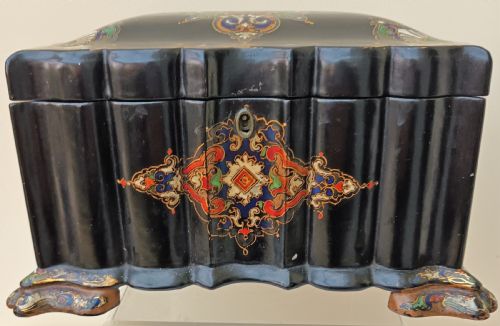
A decorative tea container is typically encountered as a tea caddy, tea box, or biscuit barrel dating from the Georgian, Regency, Victorian, and Edwardian periods. These vessels were designed to store precious tea leaves safely, often featuring fitted interiors or lockable lids to protect the contents.
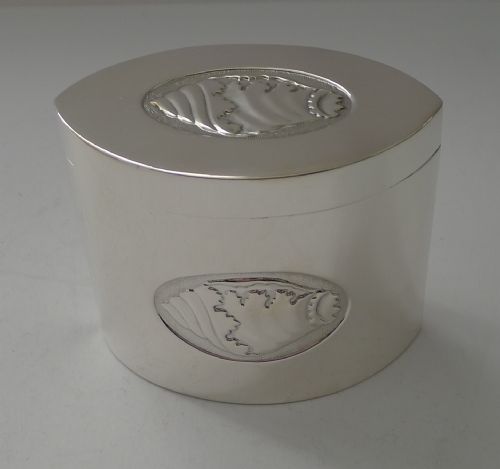
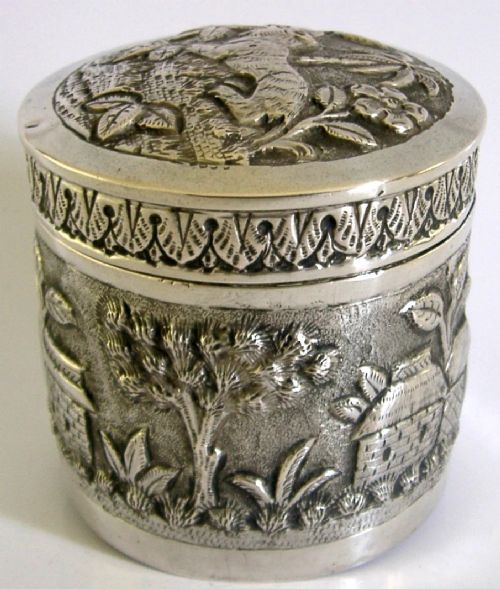
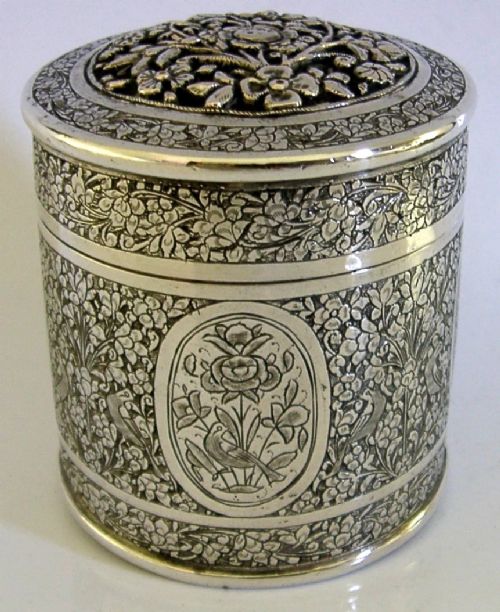
The pieces on this page span several material types and regional origins, including English wooden boxes, ceramic biscuit barrels, and silver items from Ottoman and Indian makers. Buyers will find forms ranging from standard tea caddies to pineapple boxes and biscuit barrels.
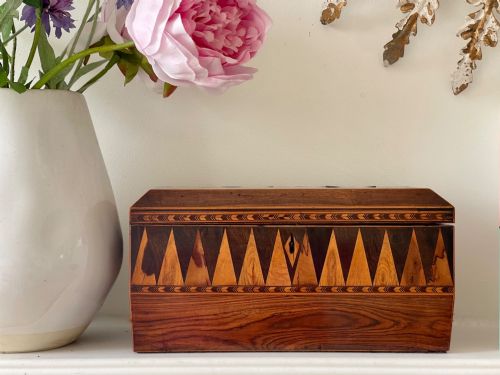
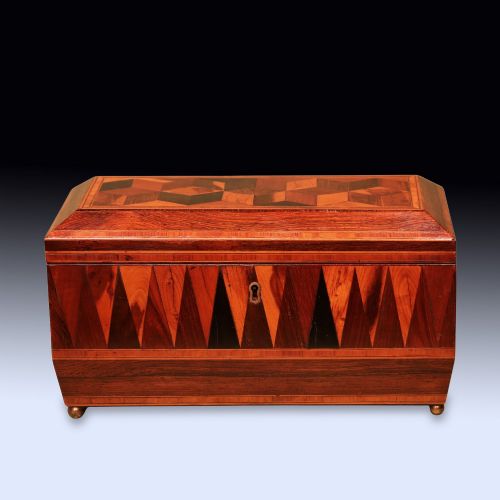
Wooden examples frequently employ timbers such as mahogany, rosewood, and walnut, sometimes decorated with parquetry or Tunbridge ware. Metal versions utilise solid silver, silver plate, brass, and gilt pine, reflecting the diverse manufacturing traditions of the eighteenth, nineteenth, and early twentieth centuries.
How they were made
Wood containers were constructed from timbers like mahogany and rosewood, shaped into boxes with fitted interiors and detailed surface work such as parquetry. Cabinetmakers utilised precise joinery to create sturdy frames capable of housing sensitive organic materials and metal linings.
Metal versions were produced using solid silver, silver plate, brass, and gilt pine, often featuring chisel work or hallmarks that record the year and place of manufacture. Ceramic examples combined earthenware or stoneware bodies with mounted silver-plated hardware for functional durability.
Listings feature containers from the Georgian, Victorian, and Edwardian eras, utilising materials like solid silver, mahogany, rosewood, ceramic, and brass.
What varies in quality
The standard of a decorative tea container depends on the precision of its construction and the complexity of its materials, such as detailed parquetry work or heavy gauge solid silver. Finer examples retain intact fitted interiors and original hardware that demonstrate the skill of the maker.
Provenance and ornamentation also set pieces apart, with workshop attribution or specialised decorative techniques like Tunbridge ware elevating the status of an object. The condition of delicate components, including tortoiseshell panels or bone inlay, dictates the overall integrity of the piece.
Goldsmiths and Silversmiths Co.·Doulton Lambeth
The Decorative Tea Container Glossary
- Tea caddy
- A box or container designed specifically for storing loose tea leaves. They often featured internal compartments and lockable lids.
- Biscuit barrel
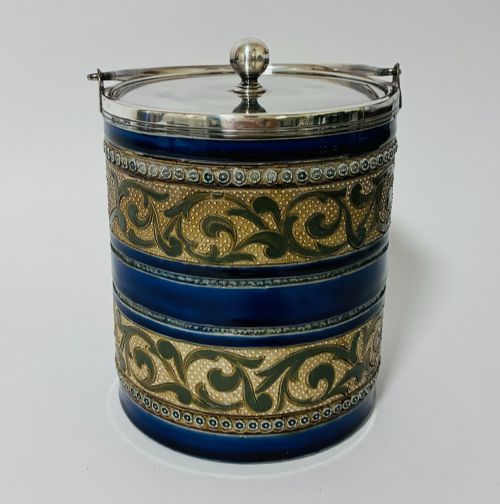
- A ceramic or metal jar with a lid, used for storing biscuits or dry goods. Many Victorian examples paired ceramic bodies with silver-plated mounts.
- Parquetry
- A geometric mosaic of wood pieces used for surface decoration on boxes and furniture. It creates patterned wood floors or container exteriors.
- Tunbridge ware
- A type of decorative woodwork produced in Kent, featuring tiny mosaic wooden tiles arranged into pictorial or geometric designs.
- Hallmark
- An official stamp applied to precious metals to indicate purity, origin, and the year of assay. They help date silver containers accurately.
Decorative Tea Container: Frequently Asked Questions
What is a tea caddy?
A tea caddy is a specialised container built to store loose tea leaves securely. During the eighteenth and nineteenth centuries, tea was an expensive commodity, requiring locked vessels to protect the supply.
These boxes frequently included internal lids or divided compartments to separate different tea varieties. Today, they function as decorative objects while retaining their historical form.
How were biscuit barrels used?
Biscuit barrels served as table vessels for holding dry biscuits during Victorian and Edwardian dining. They were kept in the dining room or drawing room for guests and family.
Most surviving examples combine a ceramic or glass body with silver-plated mounts, lids, and swing handles. This made them both practical for serving and presentable for display.
What materials were used?
Makers constructed these containers from a wide range of organic, ceramic, and metal materials. Timber choices included mahogany, rosewood, walnut, and pine, sometimes paired with tortoiseshell or bone.
Metal options ranged from brass and silver plate to solid sterling silver and gilt components. Ceramic bodies also appear, particularly in nineteenth-century biscuit barrels.
How do I date a tea container?
Dating relies on stylistic clues, construction techniques, and official hallmarks on metal components. Georgian and Regency pieces often feature clean neoclassical lines or rich rosewood and mahogany veneers.
Victorian and Edwardian items may display silver hallmarks with exact year letters or exhibit Arts and Crafts influences. Examining the interior fittings and hinges also provides evidence of the period.